Skip to content

Section

Explainer

Evergreen guides: the concepts, places, and background you need to understand the news.

Khartoum and the Blue Nile from the air (file photo). The capital's power and water systems run on the grid the drone campaign has been striking; this photograph does not depict any strike.
ExplainerAfrica

Two in three child casualties in Sudan this year were killed by armed drones, UNICEF told reporters in Geneva this week — an estimated 270 of 410 children killed or injured between January and September 2026, with more than 1,100 people killed in drone attacks in the first half of the year alone, according to AFP. The drones have changed character over twelve months, from the 'suicide' models of several years ago to accurate long-range weapons travelling up to 1,500 kilometres, and in the last week of October not a single day passed without a drone strike on a Sudanese power station. This explainer sets out what the UN has documented, how the power strikes cascade into water, food and disease, and why attribution is the war's open question.

By War Info Hub Research Desk · November 12, 2026 · 5 min read
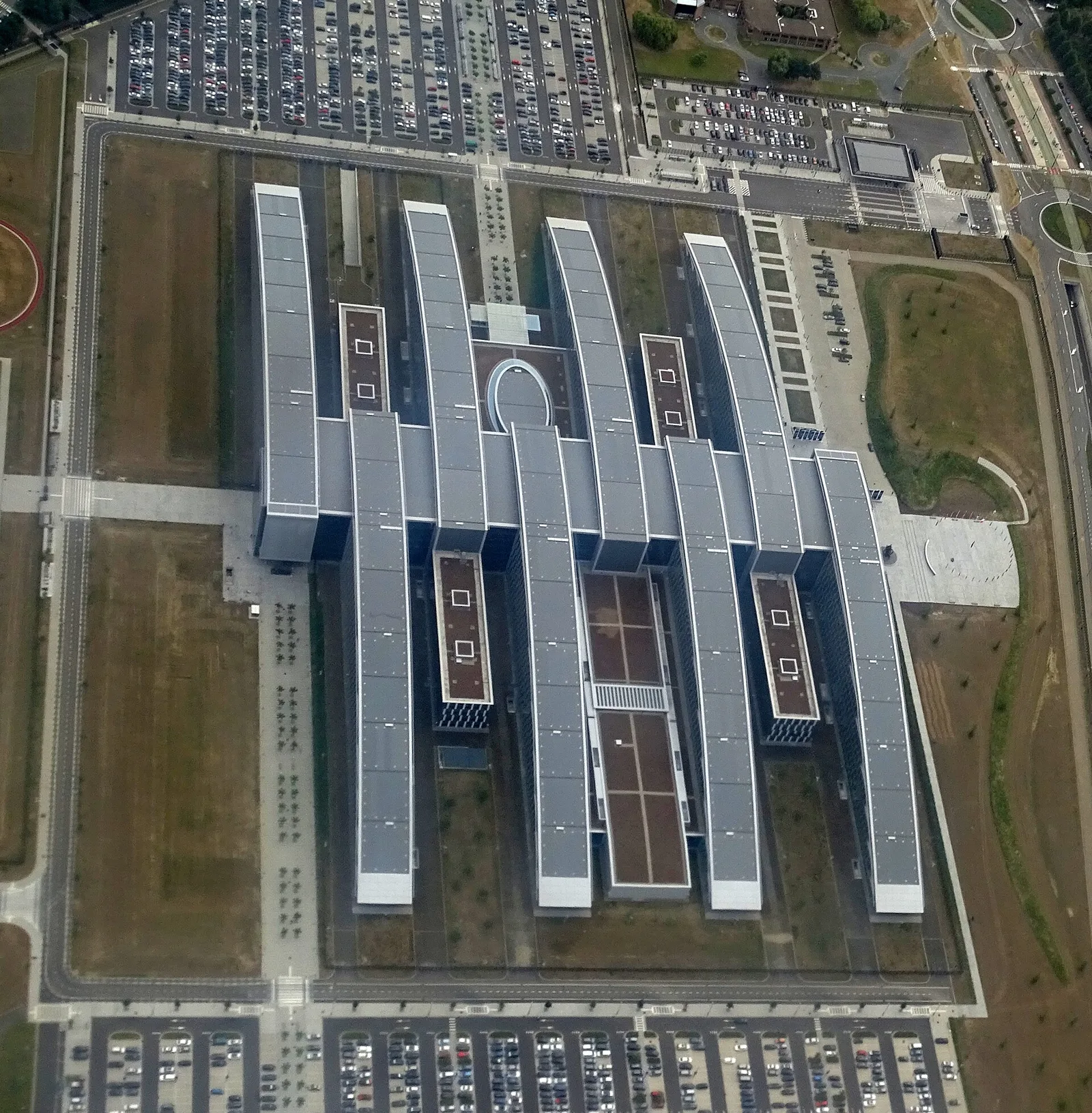
NATO headquarters in Brussels seen from above (file photo, 2019). The North Atlantic Council, which sits here, is the body that would have to agree that an attack was covered by Article 5. This photo does not depict any current meeting or crisis.
ExplainerEurope

World War 3 has not started. This explainer sets out what would actually have to happen for a war to earn that name — direct combat between great powers across several theatres, alliance commitments activated, and governments formally committing their states to war — using the thresholds in NATO's own treaty text, the two world wars that define the term, and the near-misses that did not cross the line.

By War Info Hub Research Desk · November 11, 2026 · 6 min read

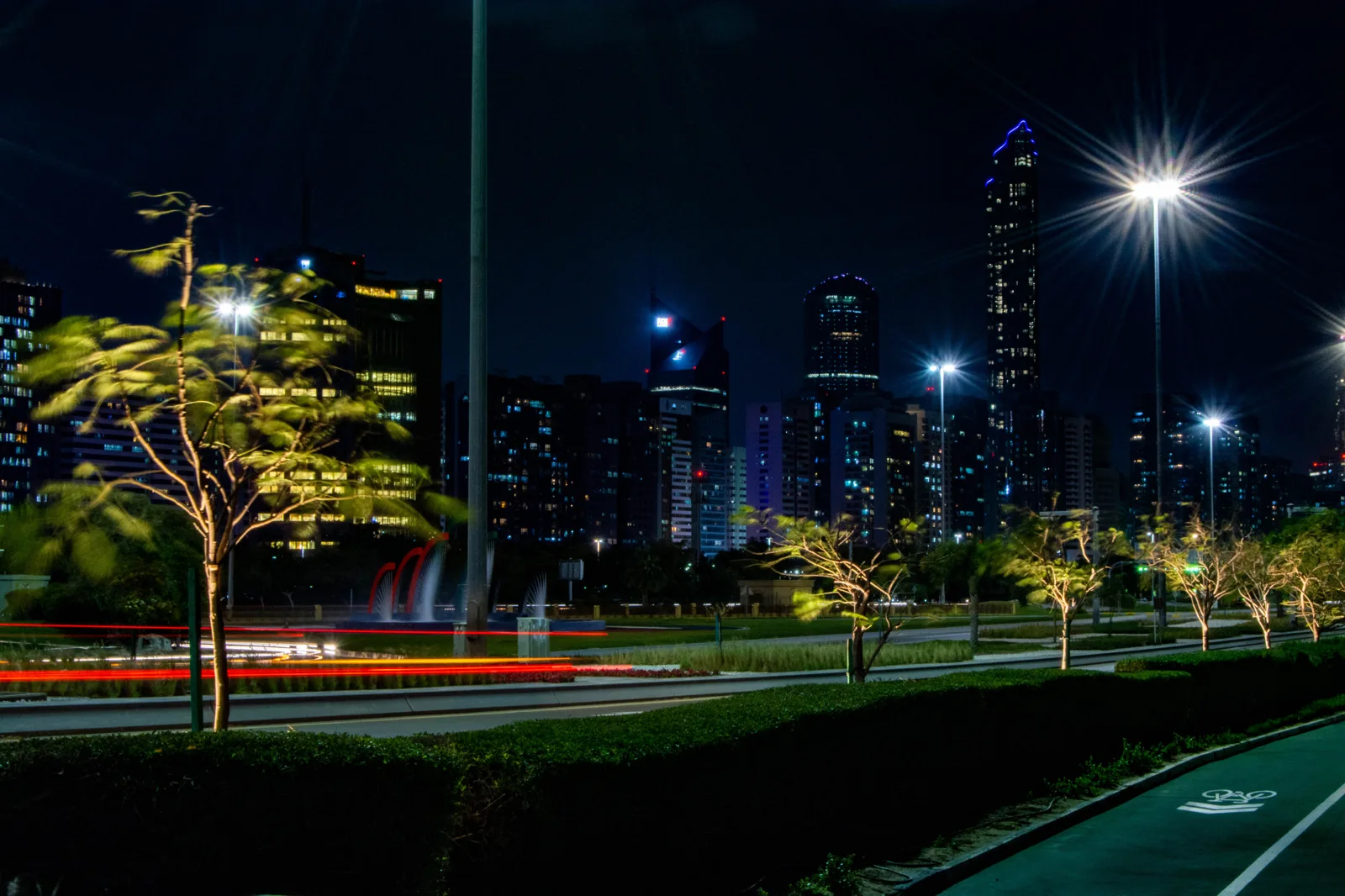
Abu Dhabi's Corniche skyline at night (file photo). The Emirati capital hosts the US-Ukraine-Russia talks on November 10-11; this photograph does not depict the talks.
ExplainerUkraine

Security guarantees are the promises Ukraine wants from the United States and Europe about what they would do if Russia attacked again — and they are the hardest item on the agenda when US, Ukrainian and Russian delegations meet in Abu Dhabi on November 10-11. Kyiv wants commitments modelled on NATO's Article 5; Moscow wants a settlement that limits Ukraine's armed forces and keeps foreign troops out.

By War Info Hub Research Desk · November 9, 2026 · Updated November 22, 2026 · 6 min read

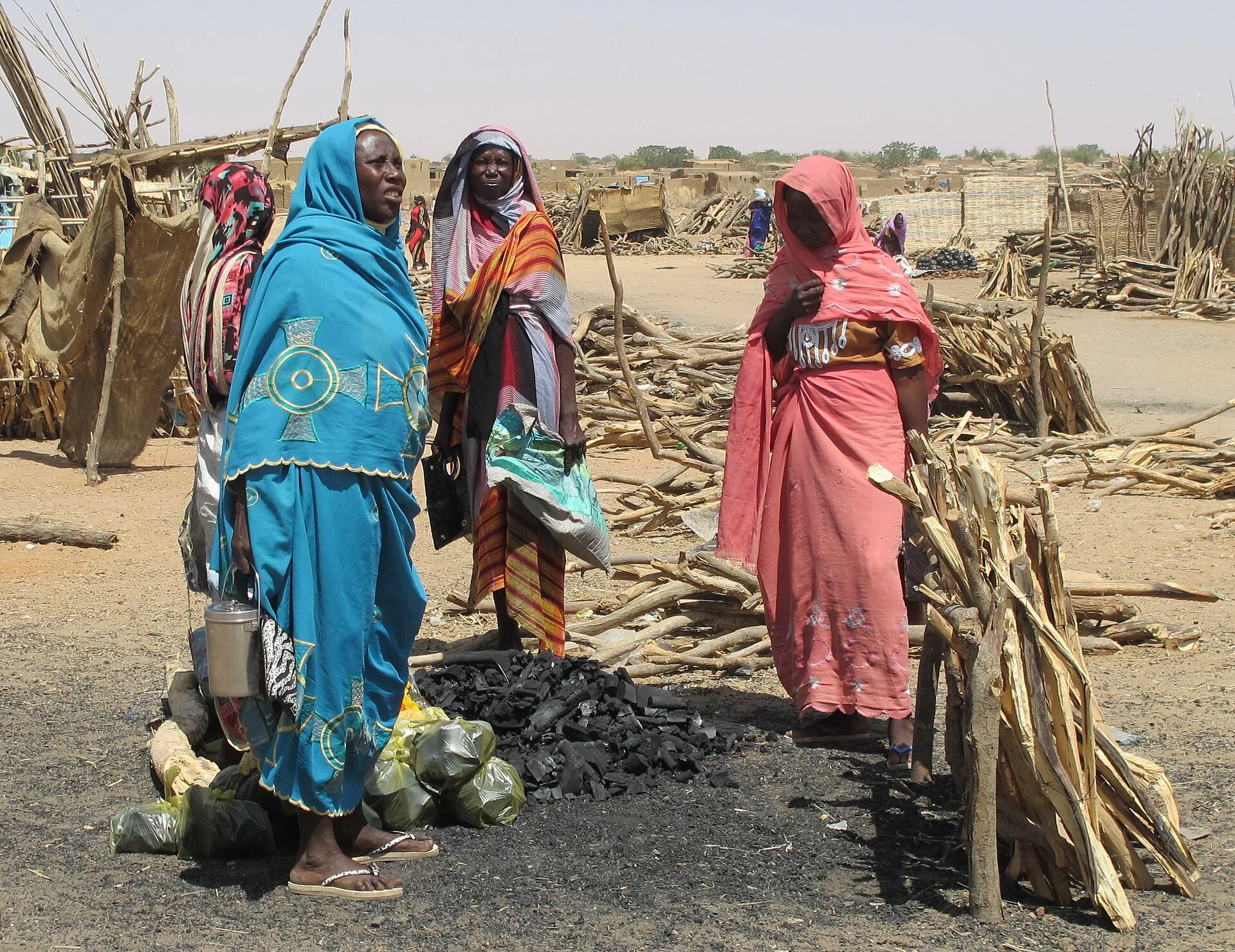
Women selling charcoal and firewood in El Fasher, North Darfur (file photo, 2015). El Fasher was the last Darfur capital outside RSF control until the force seized it in October 2025 after an eighteen-month siege. This photo does not depict any event reported in this article.
ExplainerAfrica

The RSF — Sudan's Rapid Support Forces — is a paramilitary army led by Mohamed Hamdan Dagalo, known as Hemedti, that grew out of Darfur's Janjaweed militias, was formalised by the Sudanese state in 2013, helped rule the country alongside the army after 2019, and has fought that army for control of Sudan since April 2023. Analysts estimated it at around 100,000 fighters before the war; it now holds the capitals of all five Darfur states and funds itself largely from gold.

By War Info Hub Research Desk · November 8, 2026 · 6 min read

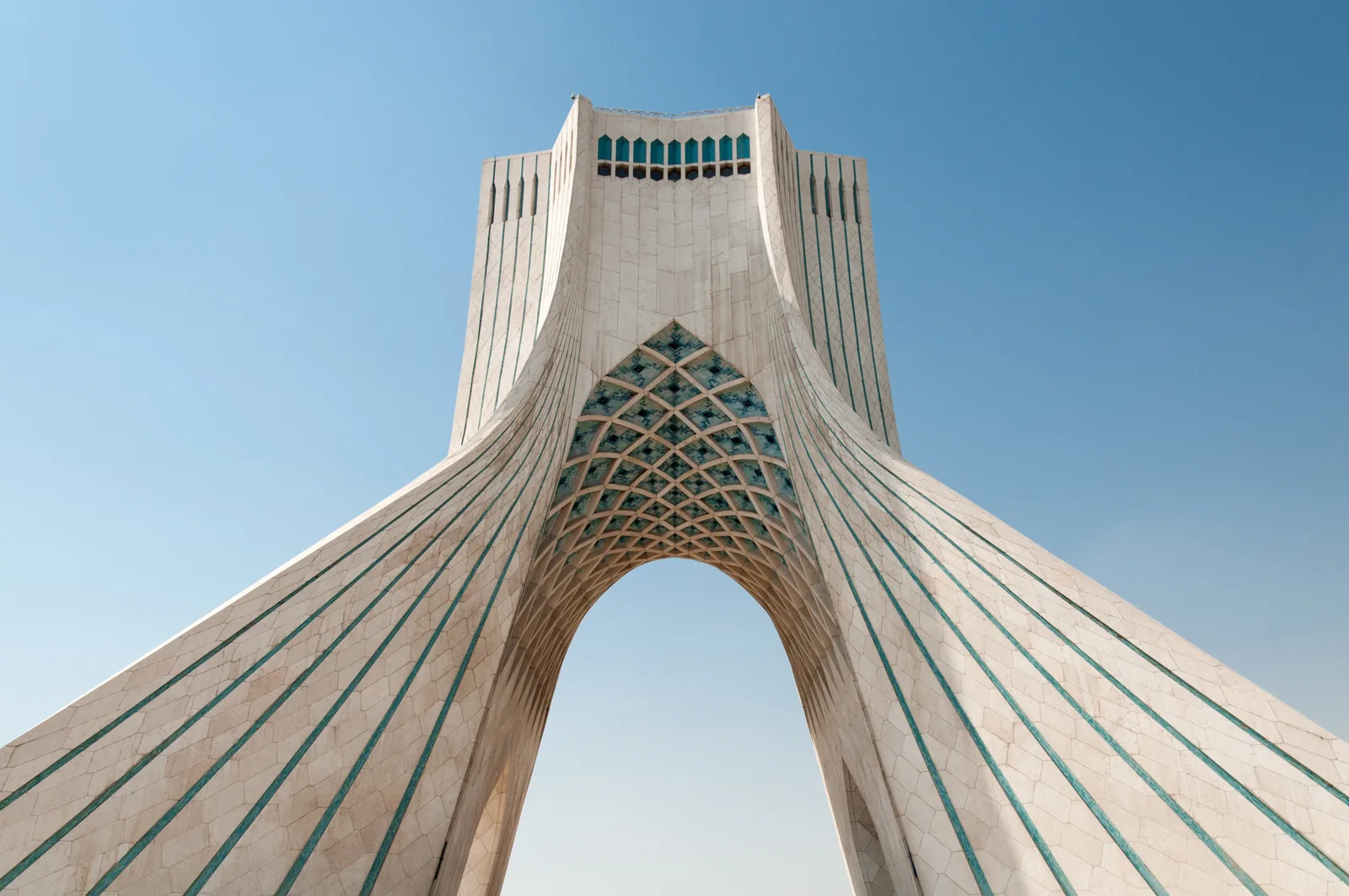
The Azadi Tower in Tehran (file photo). The IRGC was created in the capital in 1979, in the aftermath of the revolution that the tower has come to symbolise. This photo does not depict any event reported in this article.
ExplainerMiddle East

The IRGC — Iran's Islamic Revolutionary Guard Corps — is a parallel military of upward of 190,000 troops that answers directly to the Supreme Leader, not the elected president. Created after the 1979 revolution as a counterweight to the regular army, it runs Iran's ballistic missile programme, patrols the Strait of Hormuz through its own navy, directs the Quds Force's network of partner armed groups abroad, and controls what a CSIS report called the most powerful grip on Iran's important economic sectors.

By War Info Hub Research Desk · November 7, 2026 · Updated November 13, 2026 · 8 min read

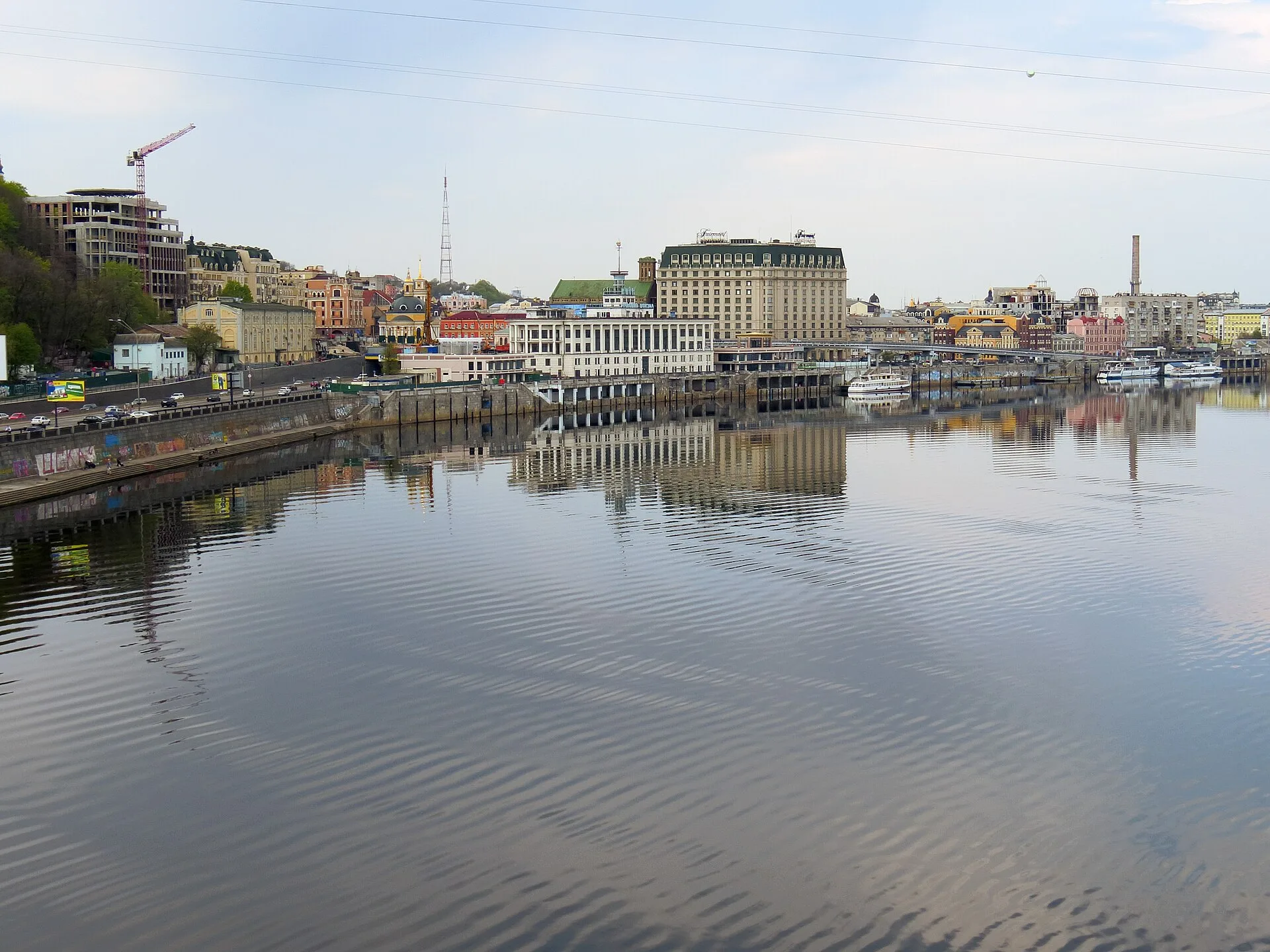
Kyiv's Podil riverfront seen across the Dnipro River (file photo). Russia's February 2022 drive on the capital failed; Kyiv remains Ukraine's seat of government and a standing target of the missile and drone campaign. This photo does not depict the war.
ExplainerUkraine

The Ukraine war, explained: Russia's war against Ukraine began in February 2014 with the covert seizure of Crimea and a proxy war in the Donbas that killed more than 14,000 people, then became Europe's largest war since 1945 when Russia launched its full-scale invasion on 24 February 2022. The drive on Kyiv failed, Ukraine's 2022 counteroffensives retook Kharkiv region and Kherson, and the war has since hardened into attrition on the ground and a missile-and-drone campaign against Ukraine's energy grid — with combined military casualties estimated above two million and no settlement in place as trilateral talks approach in November 2026.

By War Info Hub Research Desk · November 6, 2026 · Updated November 24, 2026 · 16 min read

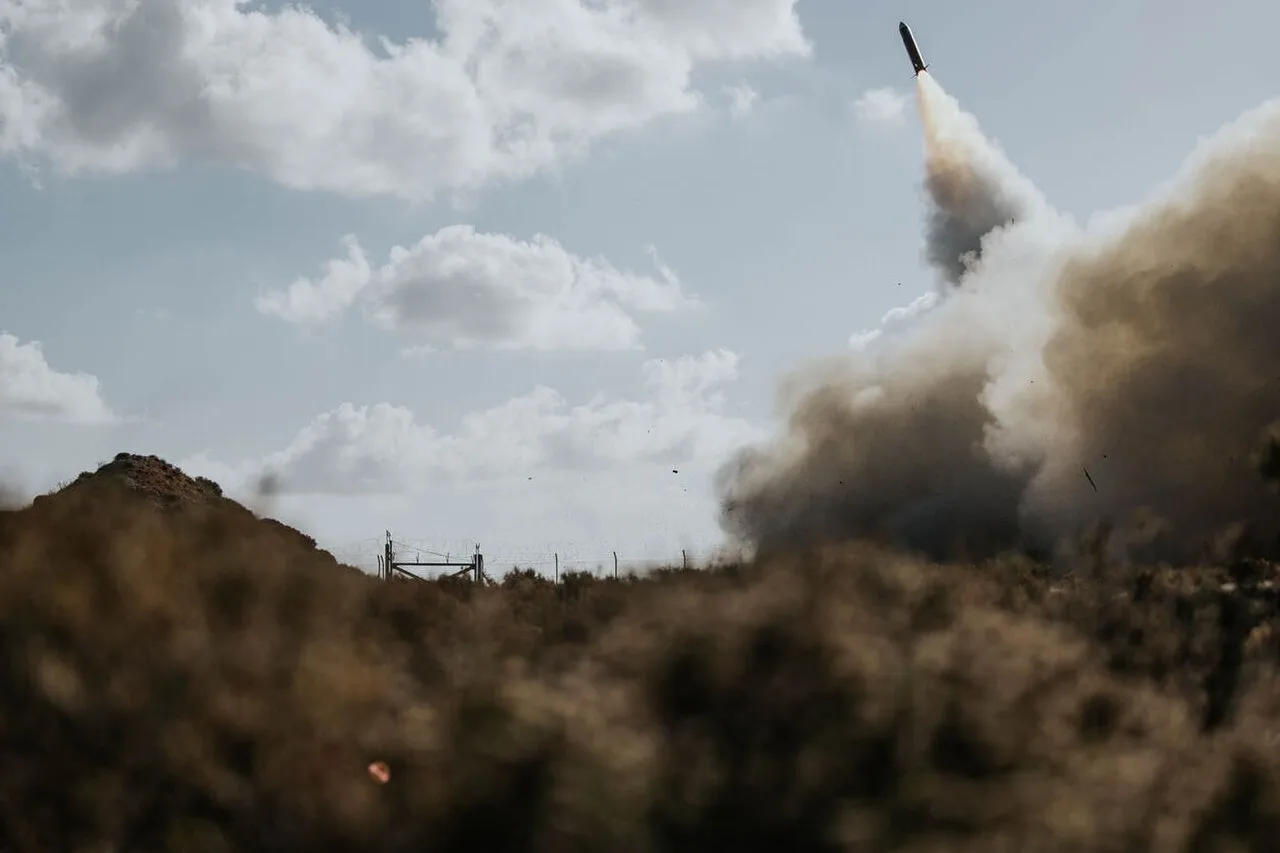
A Dutch Patriot system deployed in Poland during an exercise (file photo). A typical battery combines radar, a control station, power and several launchers. This photo does not depict any event reported in this article.
ExplainerUkraine

The Patriot air defence system, explained: a mobile Raytheon-built shield whose radar tracks up to 100 targets beyond 150 km, whose PAC-3 interceptors destroy ballistic missiles by colliding with them at $4 million to $5 million per shot, and whose global stocks have been depleted by simultaneous wars in Ukraine and the Middle East — about 65 percent of US interceptors were expended between February and July, CSIS estimates cited by Reuters say, leaving fewer than 850 on hand.

By War Info Hub Research Desk · October 27, 2026 · 6 min read

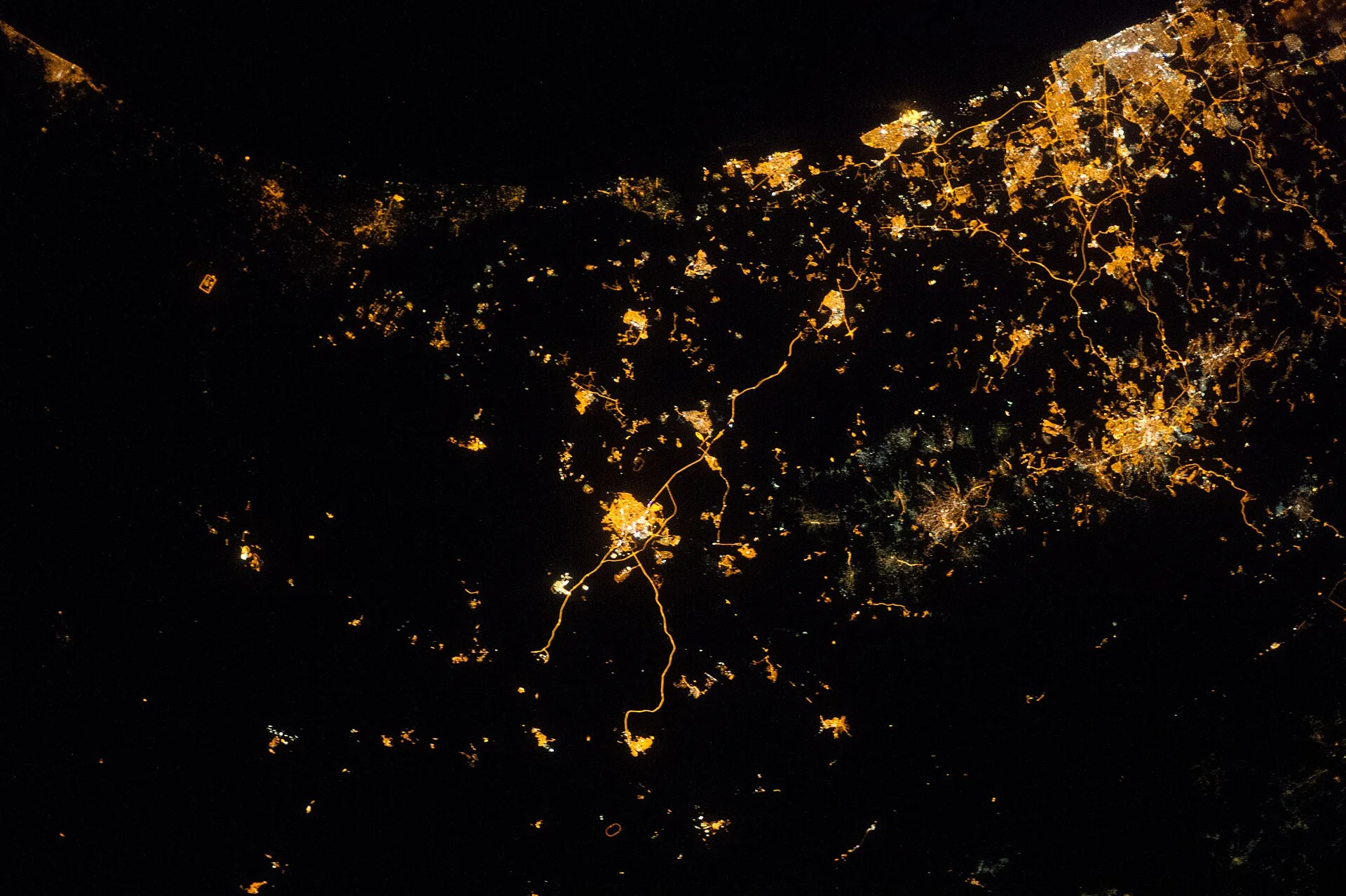
Israel and Gaza at night, photographed from the International Space Station (file photo, 2014). The Yellow Line divides the Gaza Strip lengthwise between Israeli-held and Palestinian areas. This photo predates the line and does not depict it.
ExplainerMiddle East

The Yellow Line is the demarcation Israel withdrew to under the first phase of the October 2025 ceasefire — a line of yellow concrete blocks that was meant to be temporary. A year on, the blocks have repeatedly been moved west: Israel initially held 53% of Gaza, and access restrictions now cover about 65%, leaving 2.1 million people in roughly 128 square kilometres. This explainer sets out what the line is, how it moved, and why approaching it can be deadly.

By War Info Hub Research Desk · October 20, 2026 · Updated November 11, 2026 · 7 min read

The International Criminal Court building in The Hague (file photo). No international court has yet tested most of the killings documented in this article; the only investigations most of them will ever get are the military's own.
ExplainerMiddle East

BBC Verify combed through more than 60,000 news reports and found 300 unique incidents in which the Israel Defense Forces said it was investigating alleged killings or injuries in Gaza, Lebanon and the occupied West Bank. Outcomes have been published for 28. For 254 there is no public outcome at all, and for 18 more it is not even clear whether the investigation has ended — some have been 'under review' for nearly three years. This explainer sets out how the system works, what the published outcomes show, and which cases are still waiting.

By War Info Hub Research Desk · October 16, 2026 · 7 min read

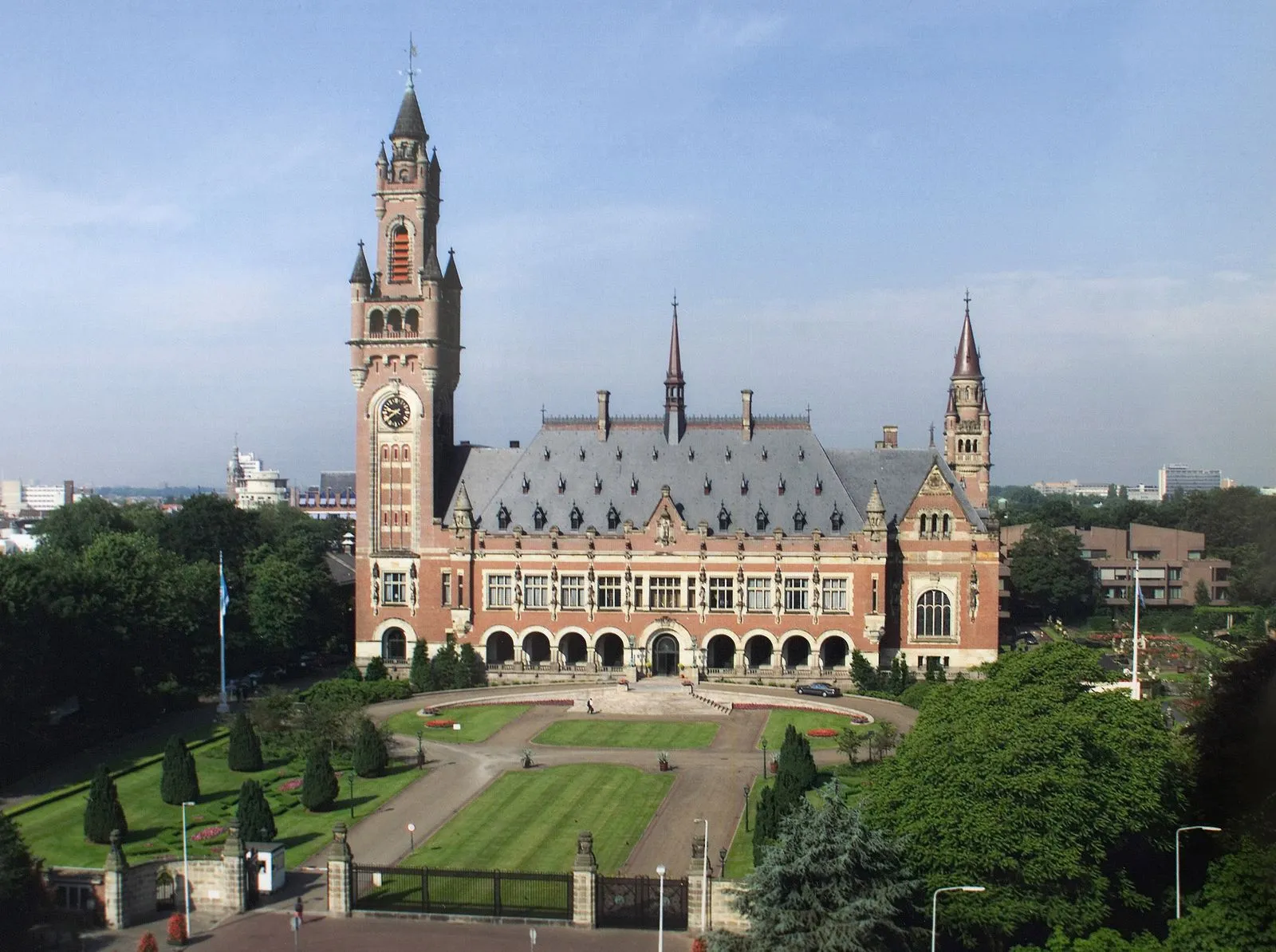
The Peace Palace in The Hague, seat of the International Court of Justice, where South Africa's genocide case against Israel is being heard (file photo). The Court has issued provisional measures but has not ruled on the merits of the case.
ExplainerMiddle East

Amnesty International, the UN Commission of Inquiry and the International Association of Genocide Scholars have each concluded, on the documented record, that Israel is committing genocide in Gaza. Israel, the United States and a body of dissenting scholars reject the characterisation as baseless. The ICJ — the only body whose answer binds states — has issued provisional measures but has not ruled on the merits. This explainer sets out who concluded what, on what legal test, and where the disagreement actually sits: the specific intent the 1948 Genocide Convention requires. War Info Hub stands with the victims of this war, and reports the findings as what they are: findings.

By War Info Hub Research Desk · October 16, 2026 · Updated November 13, 2026 · 7 min read

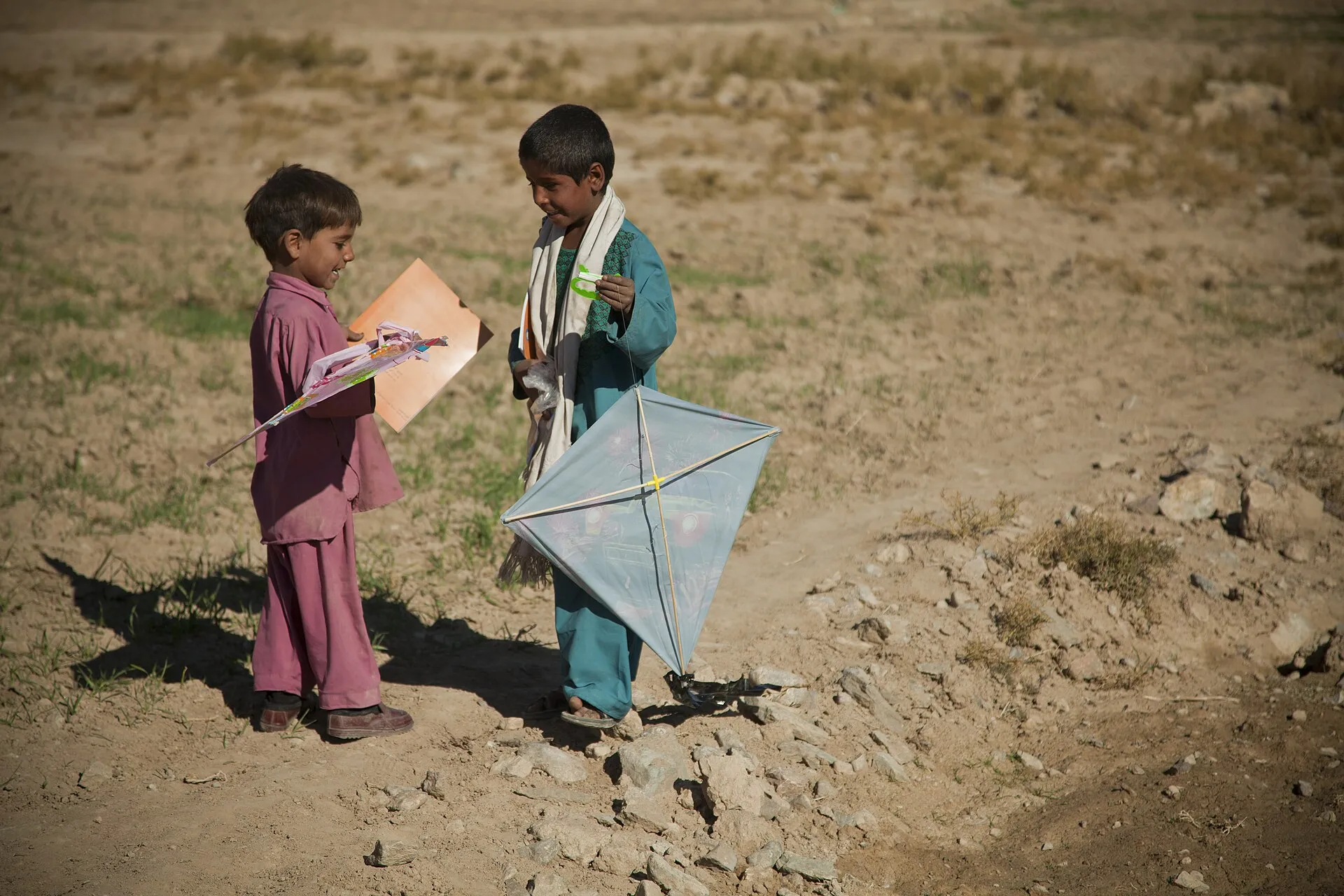
Two boys hold handmade paper kites — sticks, plastic sheeting and string (file photo, Afghanistan, 2012). Kites of this simple kind are the toys at the centre of the Israeli directive described in this article. This photo does not depict Gaza or the events reported.
ExplainerMiddle East

In August 2026 Israel's prime minister and defence minister ordered the military to treat paper kites flown from Gaza as a lethal weapon and to strike launchers and launch sites — after the military's own inspection found nothing dangerous on the kites that triggered it. Within hours, strikes killed at least three people including a four-year-old, Al Jazeera reported. Le Monde found parents and camp committees confiscating children's kites, and noted there is no evidence linking two children's deaths that week to kites. In October, Palestinian reporting said a second four-year-old had died of wounds from a strike on al-Zawaida.

By War Info Hub Research Desk · October 16, 2026 · 5 min read

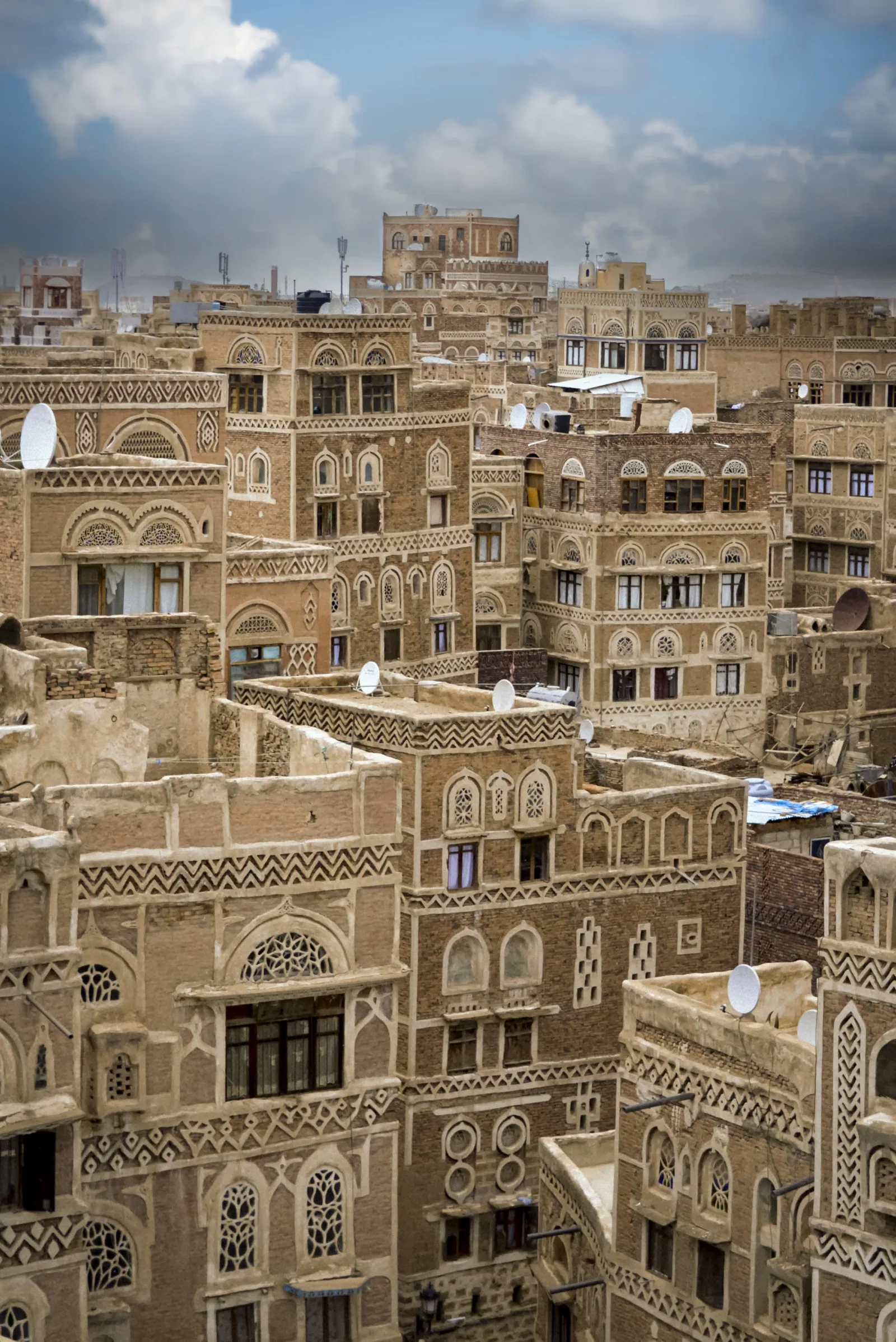
Tower houses in the old city of Sanaa, Yemen (file photo, 2013). This photo does not depict any event reported in this article.
ExplainerMiddle East

The Houthis are hitting Riyadh's airport and Saudi Aramco's headquarters because Iran spent more than a decade teaching them to build their own missiles and drones rather than merely supplying finished weapons, weapons and regional experts told Reuters. Locally trained specialists, commercial parts sourced beyond Iran, and regional air defences stretched by a year of war explain how a movement in northwestern Yemen now strikes deep inside the kingdom.

By War Info Hub Research Desk · October 16, 2026 · 4 min read

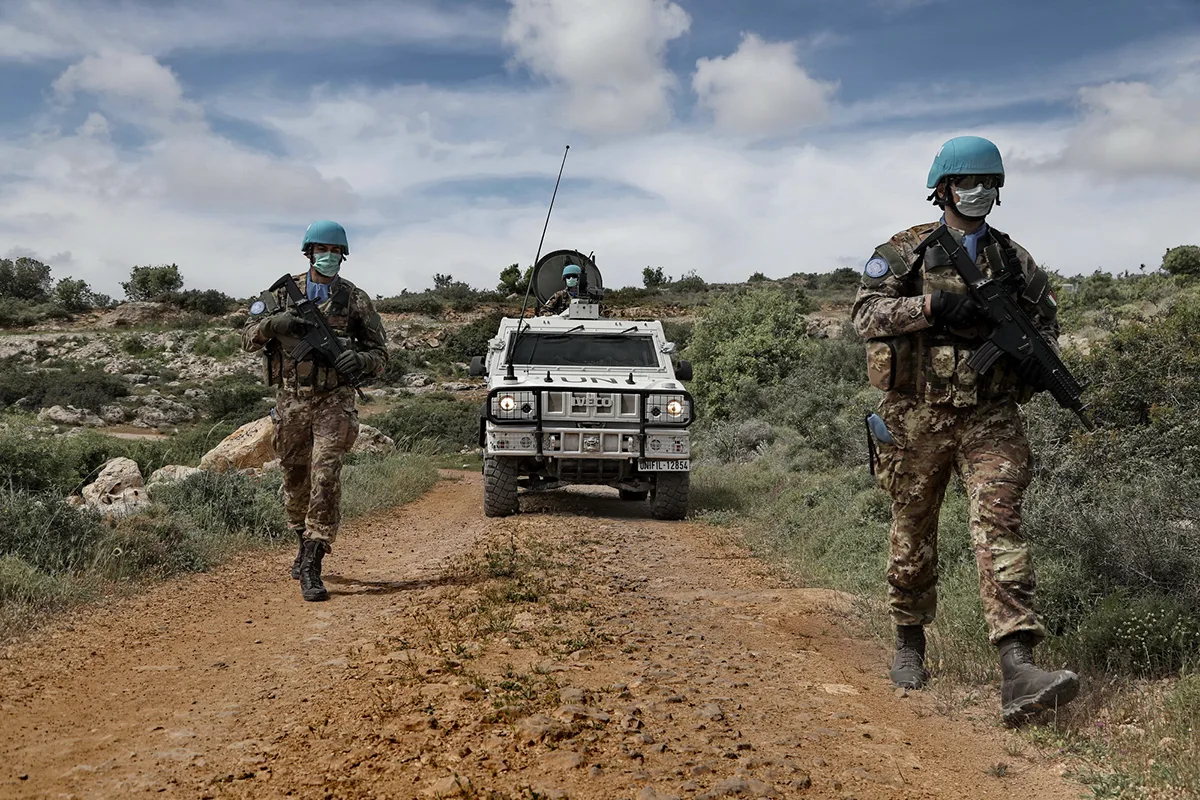
UNIFIL peacekeepers on patrol in southern Lebanon (file photo, May 2020). This photo does not depict any event reported in this article.
ExplainerMiddle East

The future of UNIFIL in Lebanon is undecided with its mandate set to expire at the end of 2026: UN peacekeeping chief Jean-Pierre Lacroix urged the Security Council on Wednesday to start negotiations soon, Lebanon is campaigning for an extension, diplomats say the United States is not supportive, and the EU agreed on Monday to a separate three-year mission to train Lebanese forces.

By War Info Hub Research Desk · October 15, 2026 · 5 min read

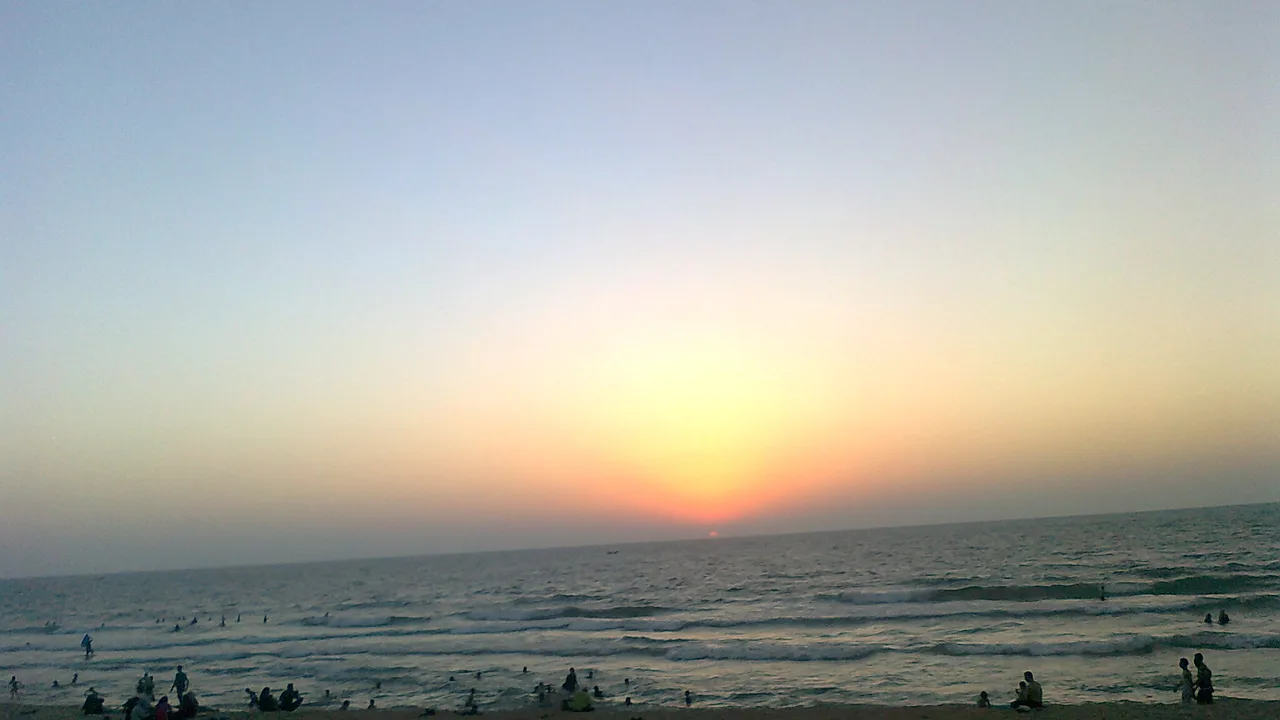
Sunset over the Mediterranean at Deir al-Balah beach, Gaza (file photo). This photo does not depict any event reported in this article.
ExplainerMiddle East

One year after the Gaza ceasefire took effect on October 10, 2025, its status is stalled: the agreement halted major operations and freed all remaining hostages, but Hamas has not disarmed, the promised Palestinian administration and international force have not arrived, Israel controls a growing share of the territory, and more than 1,400 Palestinians have been killed in strikes since the truce began, according to the Gaza Health Ministry figures reported by AP, Human Rights Watch and a joint statement by more than 100 organisations.

By War Info Hub Research Desk · October 14, 2026 · Updated October 28, 2026 · 8 min read

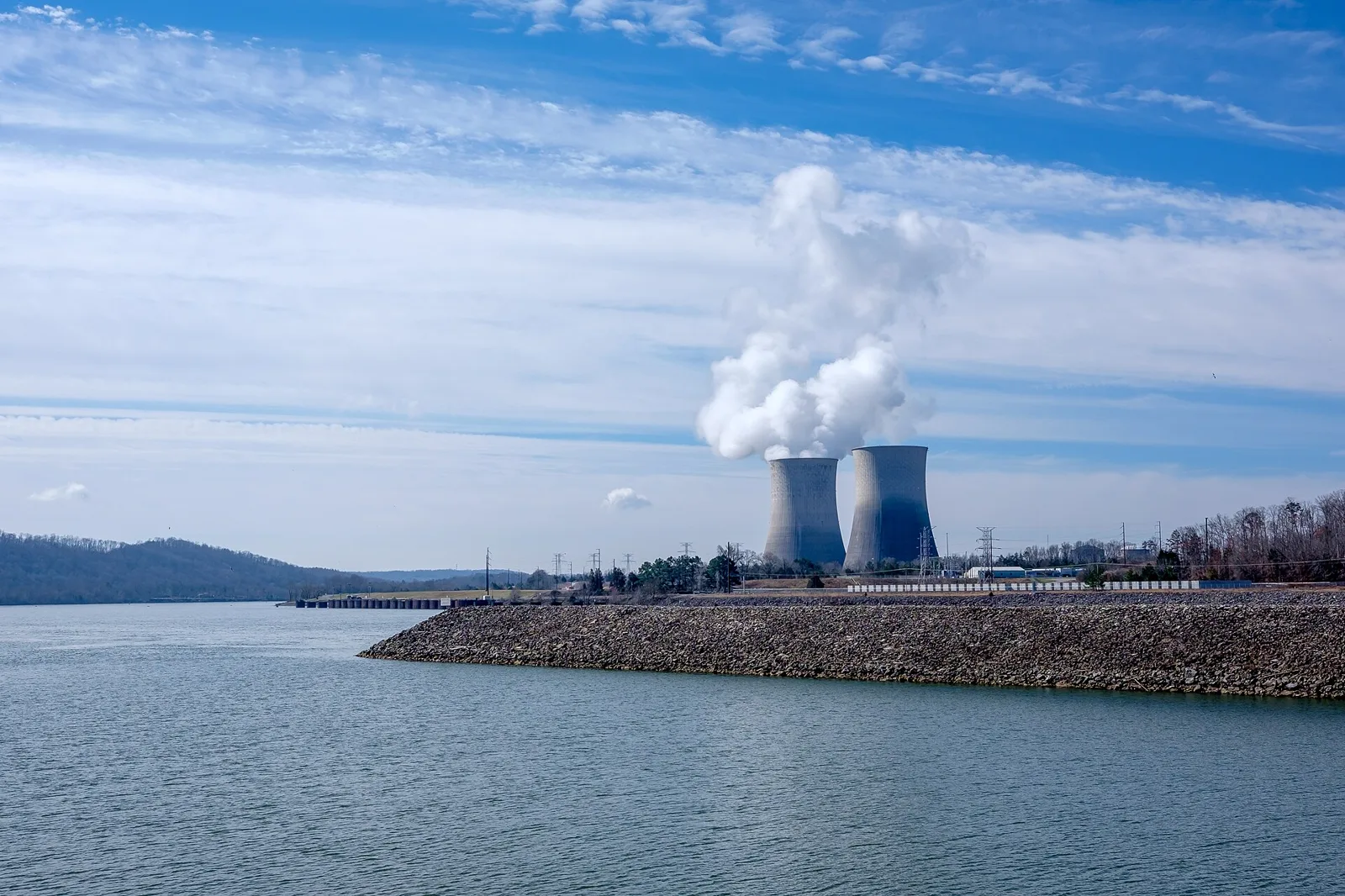
Cooling towers at a power plant on a river (generic file photo, in the United States). This photo does not depict any facility reported in this article.
ExplainerEurope

An energy ceasefire is a limited deal to stop attacks on each other's energy infrastructure — power plants, grids, refineries and fuel depots — while the wider war continues. This explainer sets out how the Ukraine-Russia version announced by Donald Trump is supposed to work, why the two sides define it differently, and why previous announcements unravelled.

By War Info Hub Research Desk · October 12, 2026 · 3 min read

An oil refinery at twilight (file photo). Ukraine's long-range drone campaign has targeted Russian refineries and fuel infrastructure; this photo does not depict any reported strike.
ExplainerEurope

A senior Ukrainian official told the Financial Times that Kyiv will keep attacking Russia's oil refineries — 'We will burn [Russian] refineries' — despite Donald Trump's deal with Vladimir Putin to release Russian diesel onto world markets. The vow deepens a rift that has Trump suggesting Ukraine needs 'a new leader' and Kyiv warning the diesel deal is an 'investment in a war that must be ended.'

By War Info Hub Research Desk · October 11, 2026 · 6 min read

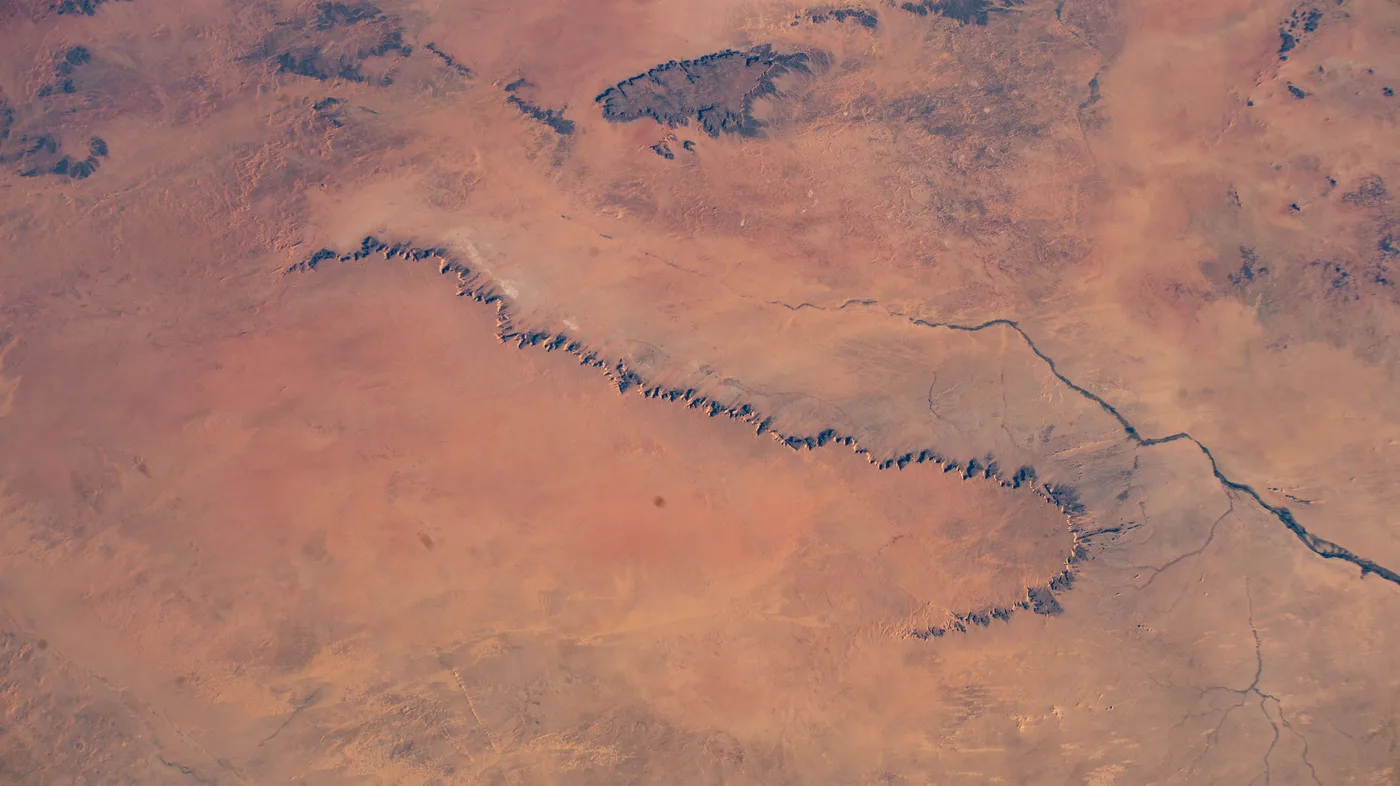
Desert in northern Sudan, photographed from the International Space Station in January 2025 (archive photo).
ExplainerAfrica

Sudan's civil war, which erupted in Khartoum in April 2023, pits the Sudanese Armed Forces against the Rapid Support Forces paramilitary. Three and a half years on, the war has displaced 14 million people, split the country east to west, and turned the Kordofan region into its central battleground — while the army chief vows to retake 'every inch' of territory.

By War Info Hub Research Desk · October 9, 2026 · Updated October 27, 2026 · 6 min read

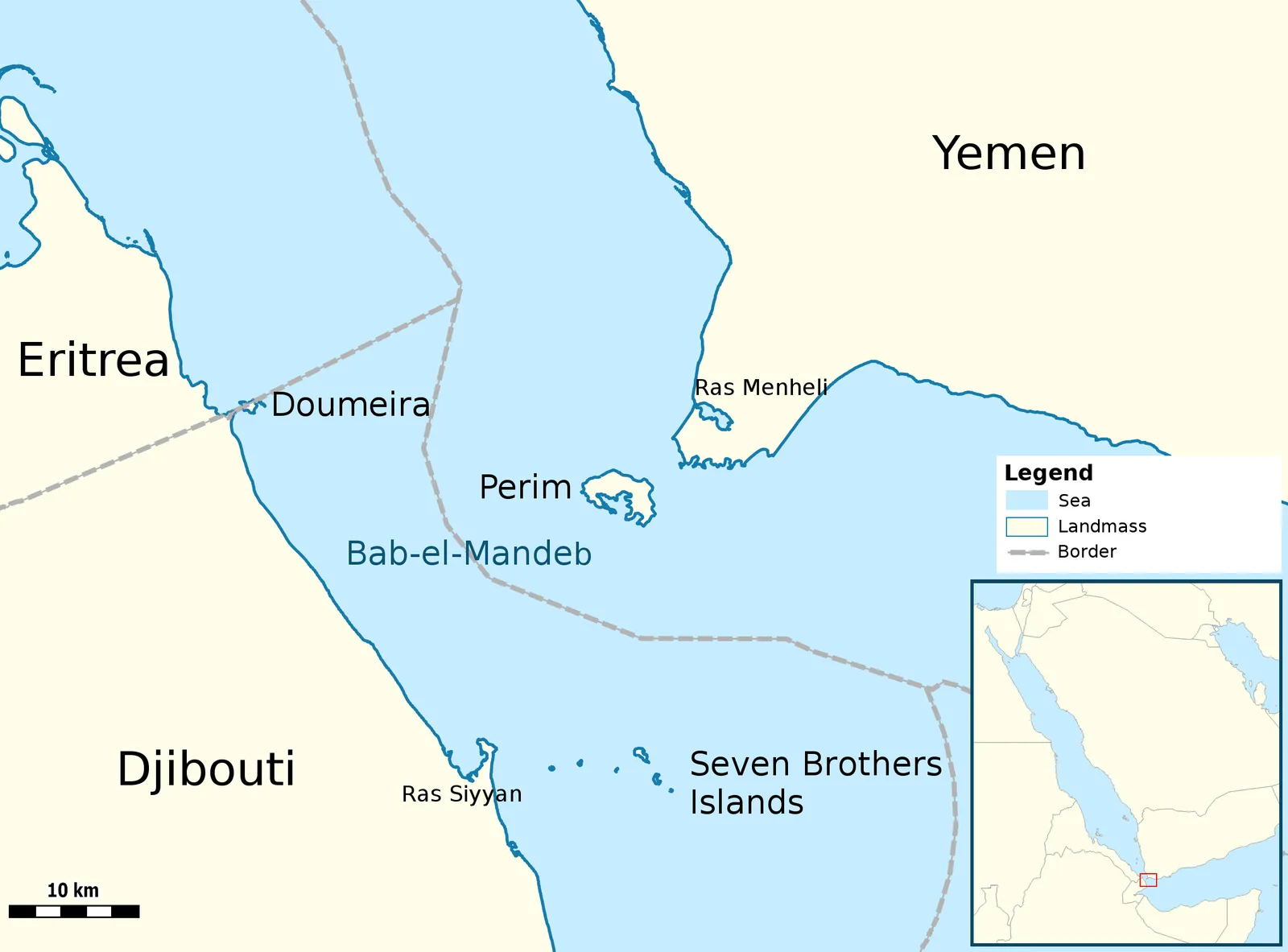
Map of the Bab el-Mandeb strait between Yemen, Djibouti, and Eritrea (reference map; it does not depict any events described in this article).
ExplainerMiddle East

The Bab al-Mandeb — the narrow 'Gate of Tears' between Yemen and the Horn of Africa — links the Red Sea to the Indian Ocean and the Suez Canal. With Houthi forces seizing control of its shores and Gulf states counterattacking, here is why this strait matters to the world economy.

By War Info Hub Research Desk · October 8, 2026 · 4 min read

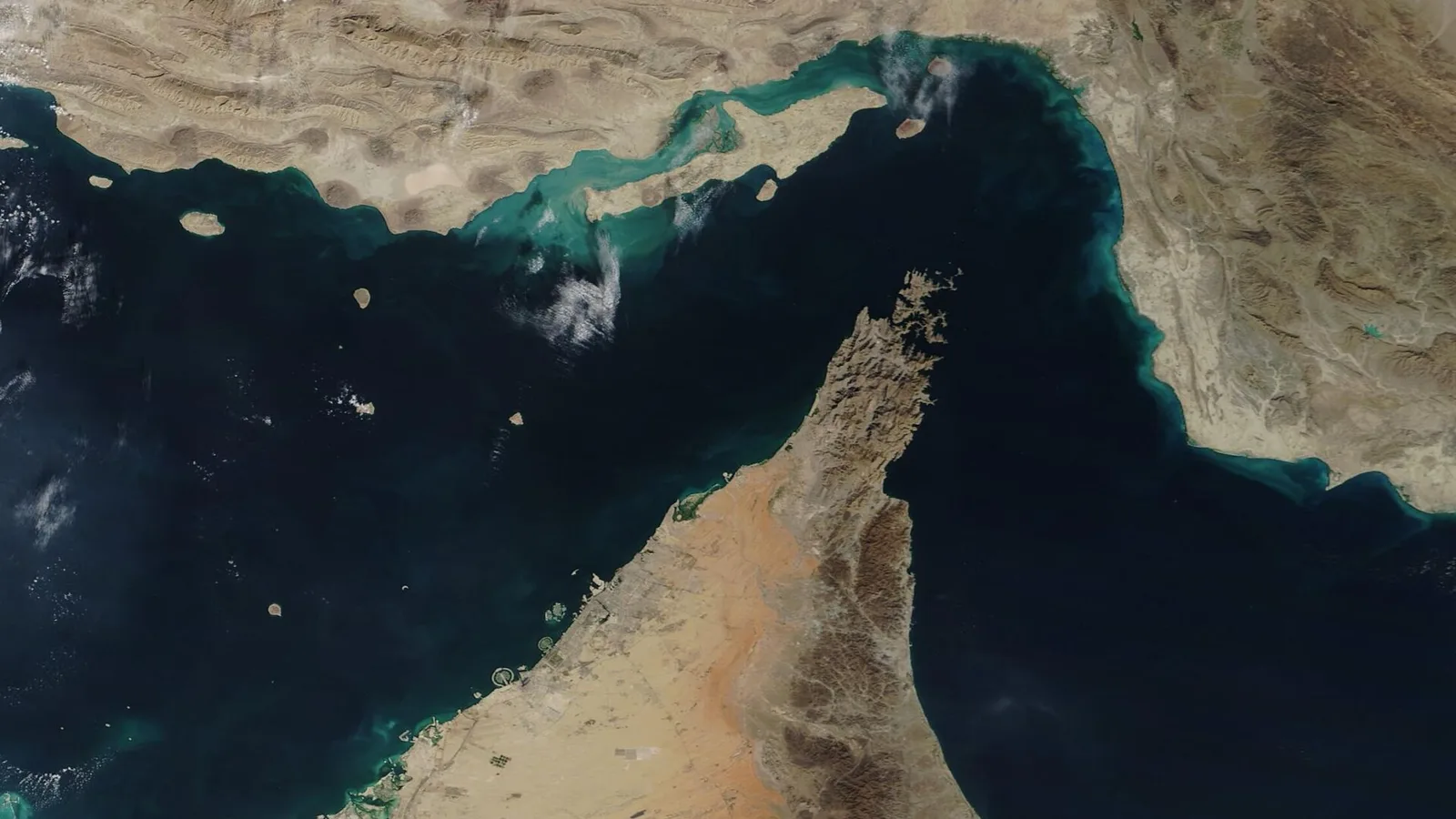
Satellite view of the Strait of Hormuz region (NASA MODIS, 2020). File image — it does not depict the current conflict described in this article.
ExplainerMiddle East

The Strait of Hormuz is the world's most important energy chokepoint — roughly a fifth of global petroleum liquids moved through it before the 2026 conflict, per EIA data. This explainer covers where it is, why it matters, what happens when it is disrupted, and how the current Iran conflict has reshaped flows.

By War Info Hub Research Desk · October 7, 2026 · Updated November 10, 2026 · 5 min read

Addis Ababa, Ethiopia, photographed in September 2022. Archive photo — it does not depict the 2026 fighting described in this article.
ExplainerAfrica

Fighting has returned to Ethiopia's Tigray region in 2026 after the 2022 Pretoria peace deal broke down: a seven-group rebel alliance attacked on September 23, Ethiopian forces retook the capital Mekelle on October 4, and Addis Ababa has severed ties with Eritrea. Analysts warn the conflict could spread across the Horn of Africa.

By War Info Hub Research Desk · October 5, 2026 · 6 min read

Residential neighborhoods of Juba, South Sudan, beneath a rocky mountain. Generic file photo — it does not depict the conflict described in this article.
ExplainerAfrica

South Sudan conflict explained: the world's youngest country is sliding back toward civil war as President Salva Kiir prepares December 22 elections — the first since independence — while his rival Riek Machar sits under house arrest on trial for treason. A guide to the Kiir–Machar rivalry, the collapsed 2018 peace deal, and where the crisis stands.

By War Info Hub Research Desk · October 2, 2026 · 5 min read
Bukavu, South Kivu, Democratic Republic of the Congo, at sunrise. Generic photo; it does not depict the events described in this article.
ExplainerAfrica

More than 120 armed groups operate in eastern Democratic Republic of the Congo. The M23 rebellion — 30,000 to 40,000 fighters strong, widely reported to be backed by Rwanda — is the most powerful of them. Peace deals signed in late 2025 have not stopped the fighting. Here is the conflict, explained.

By War Info Hub Research Desk · October 1, 2026 · 6 min read

Terraced mountainsides in Yemen's Haraz Mountains.
ExplainerMiddle East

Yemen's war has killed an estimated 377,000 people, left 19.5 million needing aid — and in September 2026 it exploded back onto the world stage as the Houthis seized the Red Sea coast and threatened the Bab el-Mandeb strait. Here is how the forgotten front works.

By War Info Hub Research Desk · September 29, 2026 · 7 min read

Damascus at sunset. This photo does not depict current military activity.
ExplainerMiddle East

Nearly two years after Bashar al-Assad's fall, Syria's interim government controls most of the country — including Damascus and Aleppo — after a January 2026 deal integrated Kurdish forces. But the transition is disputed, violence continues, and the Islamic State remains active. Here is who holds what, and why it matters.

By War Info Hub Research Desk · September 29, 2026 · 5 min read

Taiwan's east coast: green cliffs beside turquoise water.
ExplainerAsia-Pacific

China's gray-zone pressure on Taiwan mixes live-fire drills, daily military incursions, cyberattacks and even sand dredgers to exhaust the island without starting a war. Here is how the coercion campaign works — and what it is meant to achieve.

By War Info Hub Research Desk · September 29, 2026 · 6 min read

Pyongyang's skyline across the Taedong River.
ExplainerAsia-Pacific

North Korea's missile program has moved from pariah-state posturing to a live combat laboratory: Pyongyang is testing AI-guided missiles at home while supplying Russia with ballistic missiles for Ukraine. Here is how the arsenal works — and what Moscow gets in return.

By War Info Hub Research Desk · September 29, 2026 · 6 min read

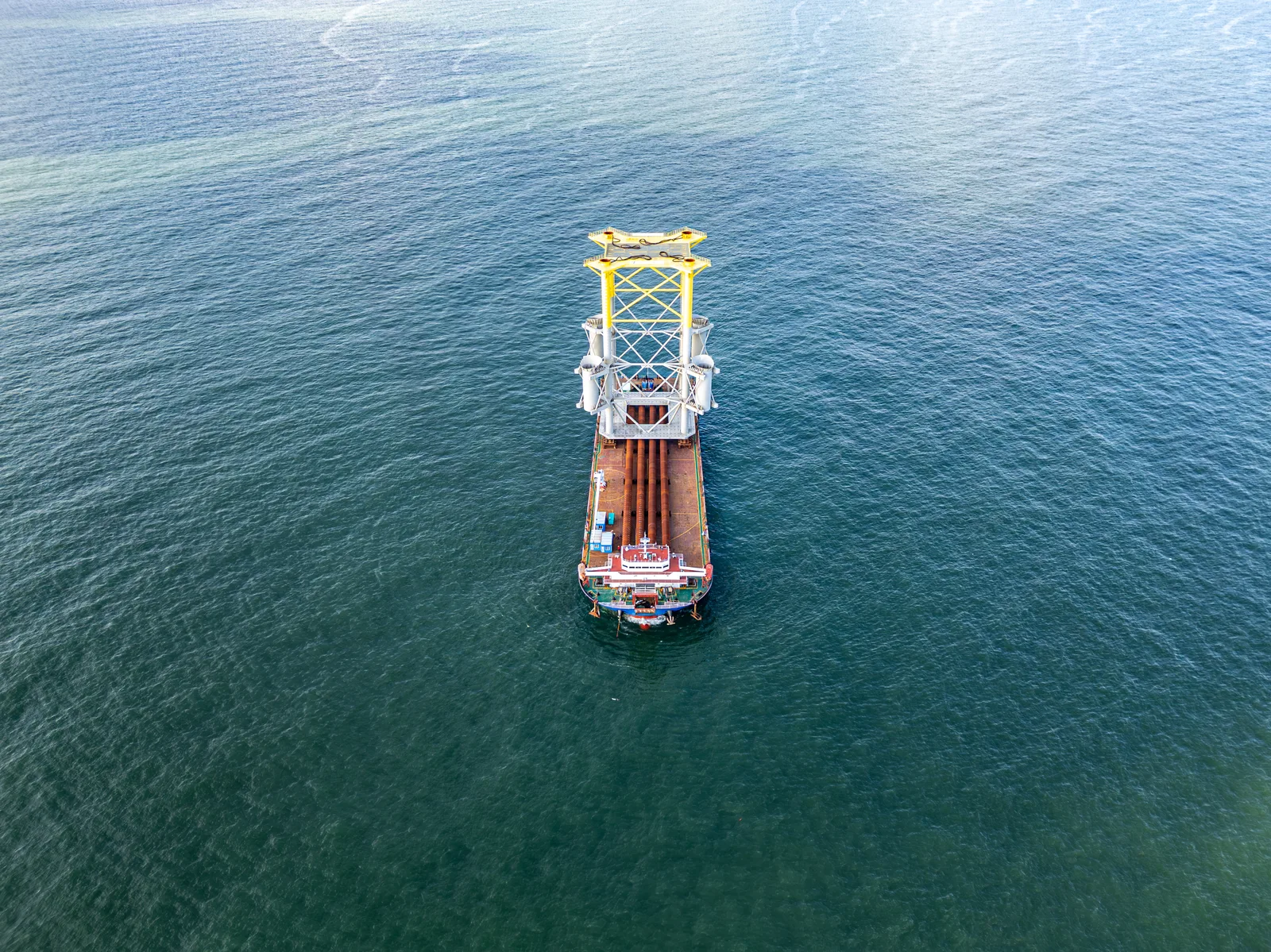
An offshore installation vessel on the South China Sea, seen from above.
ExplainerAsia-Pacific

The nine-dash line is the U-shaped mark on Chinese maps claiming most of the South China Sea — a claim an international tribunal ruled has no legal basis in 2016. Here is where the line came from, what the law says, and why the dispute keeps escalating.

By War Info Hub Research Desk · September 29, 2026 · Updated November 19, 2026 · 7 min read

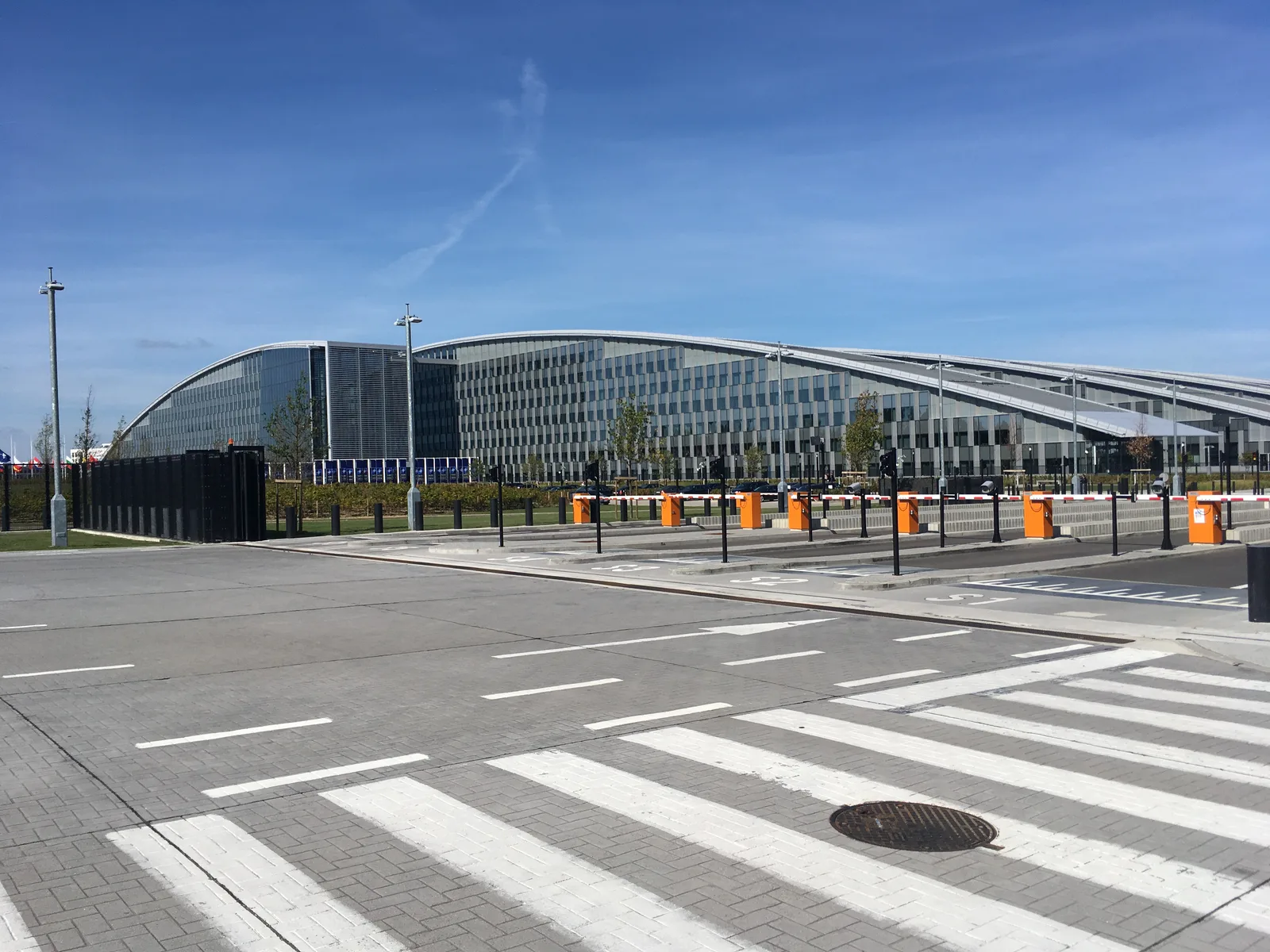
NATO headquarters in Brussels.
ExplainerEurope

Nine multinational battlegroups, a new German brigade in Lithuania, a German-Dutch corps taking command in the Baltics — NATO's eastern flank has become the alliance's biggest reinforcement in a generation. Here is how the buildup works.

By War Info Hub Research Desk · September 29, 2026 · Updated November 21, 2026 · 7 min read

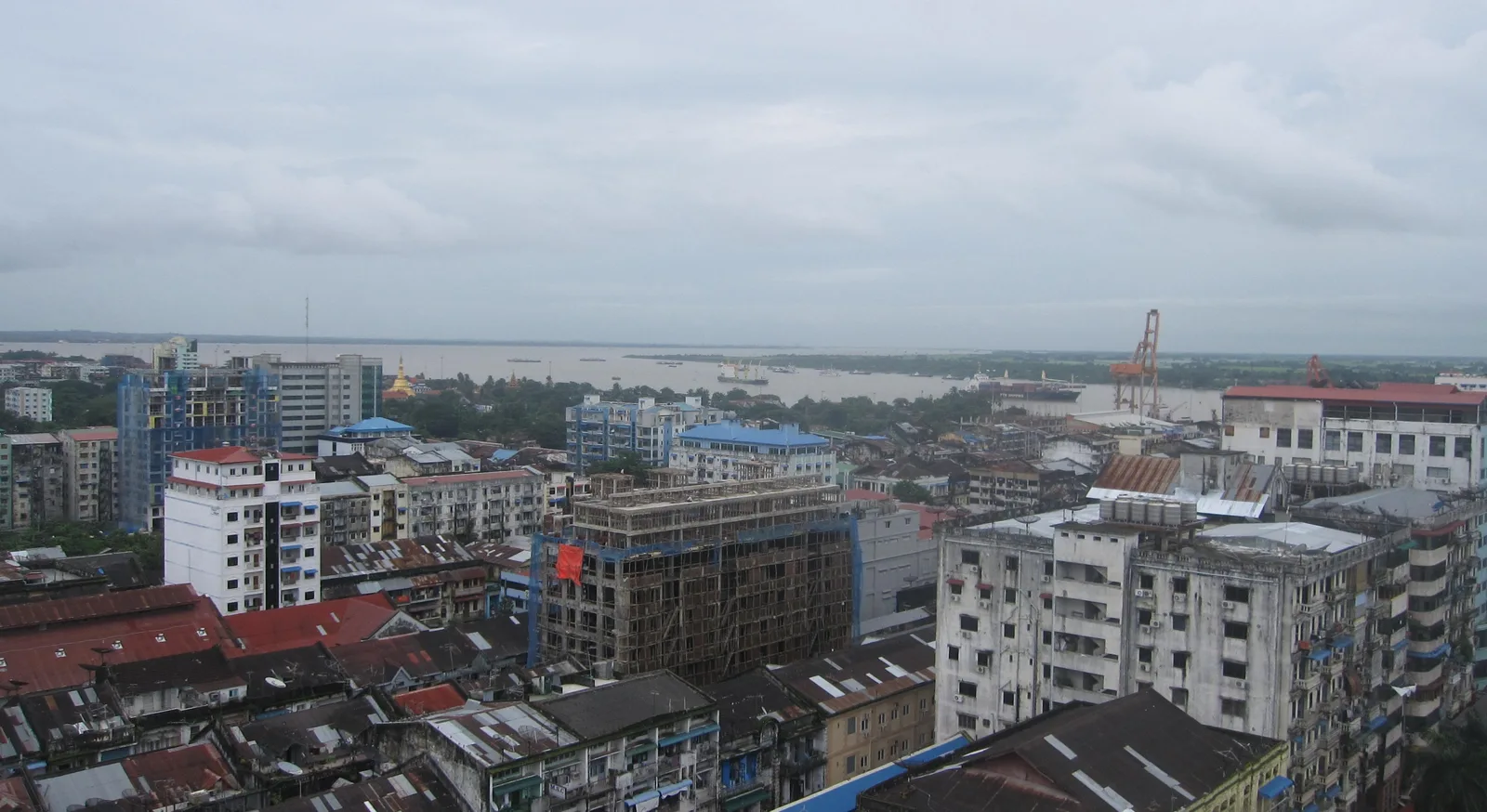
Yangon's skyline, with the river and port beyond.
ExplainerAsia-Pacific

Myanmar's civil war has killed more than 100,000 people since the 2021 coup — and a September 2026 airstrike on a Rakhine market that killed at least 33 shows how the junta's air campaign now punishes civilians far from any front line. Here is who is fighting, and why.

By War Info Hub Research Desk · September 29, 2026 · 6 min read

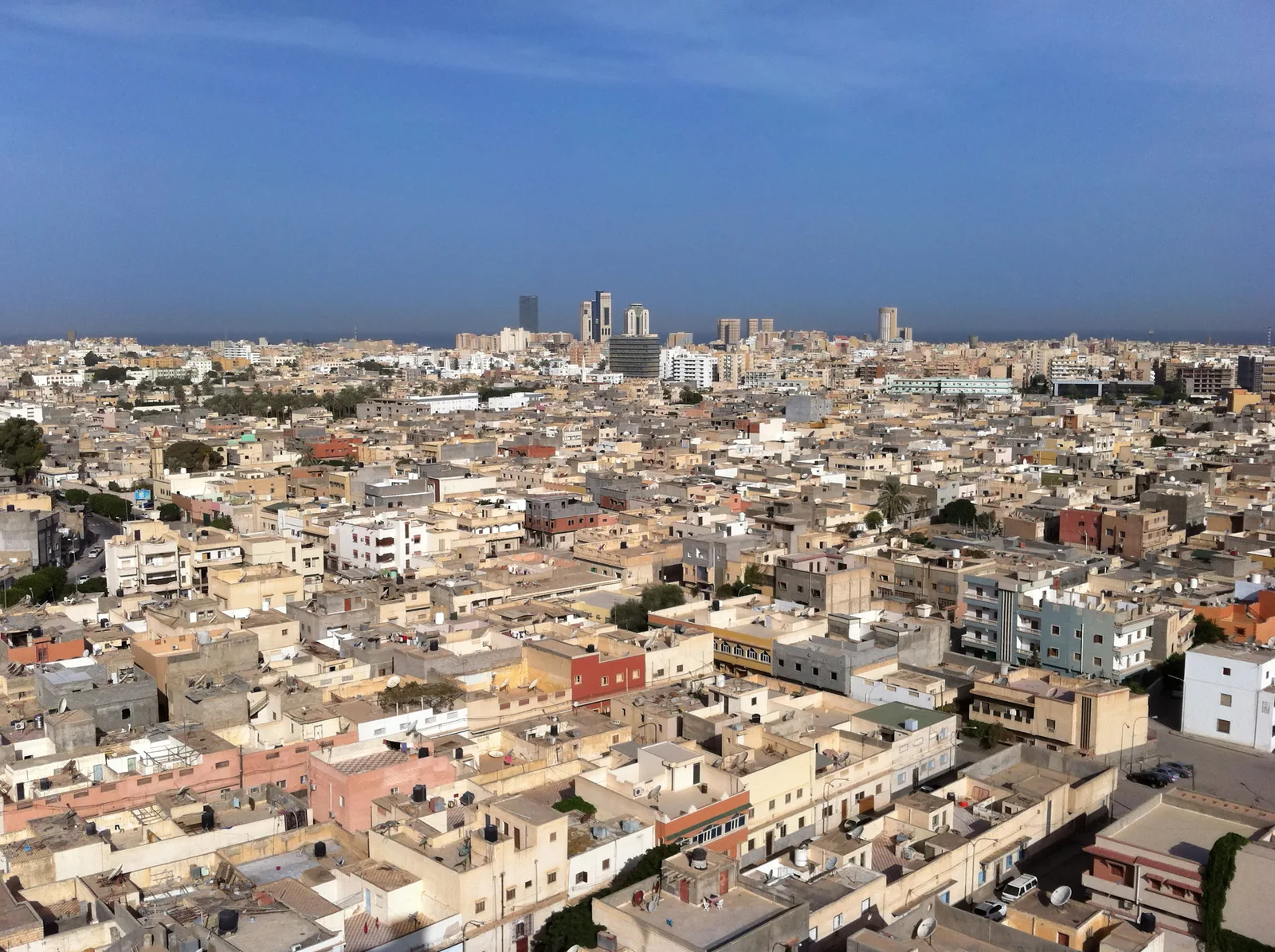
Tripoli's city center skyline.
ExplainerAfrica

Fifteen years after Gaddafi's fall, Libya remains split between rival governments in Tripoli and the east — and its oil wealth keeps the war frozen rather than finished. Here is how the Libya frozen conflict works.

By War Info Hub Research Desk · September 29, 2026 · 7 min read

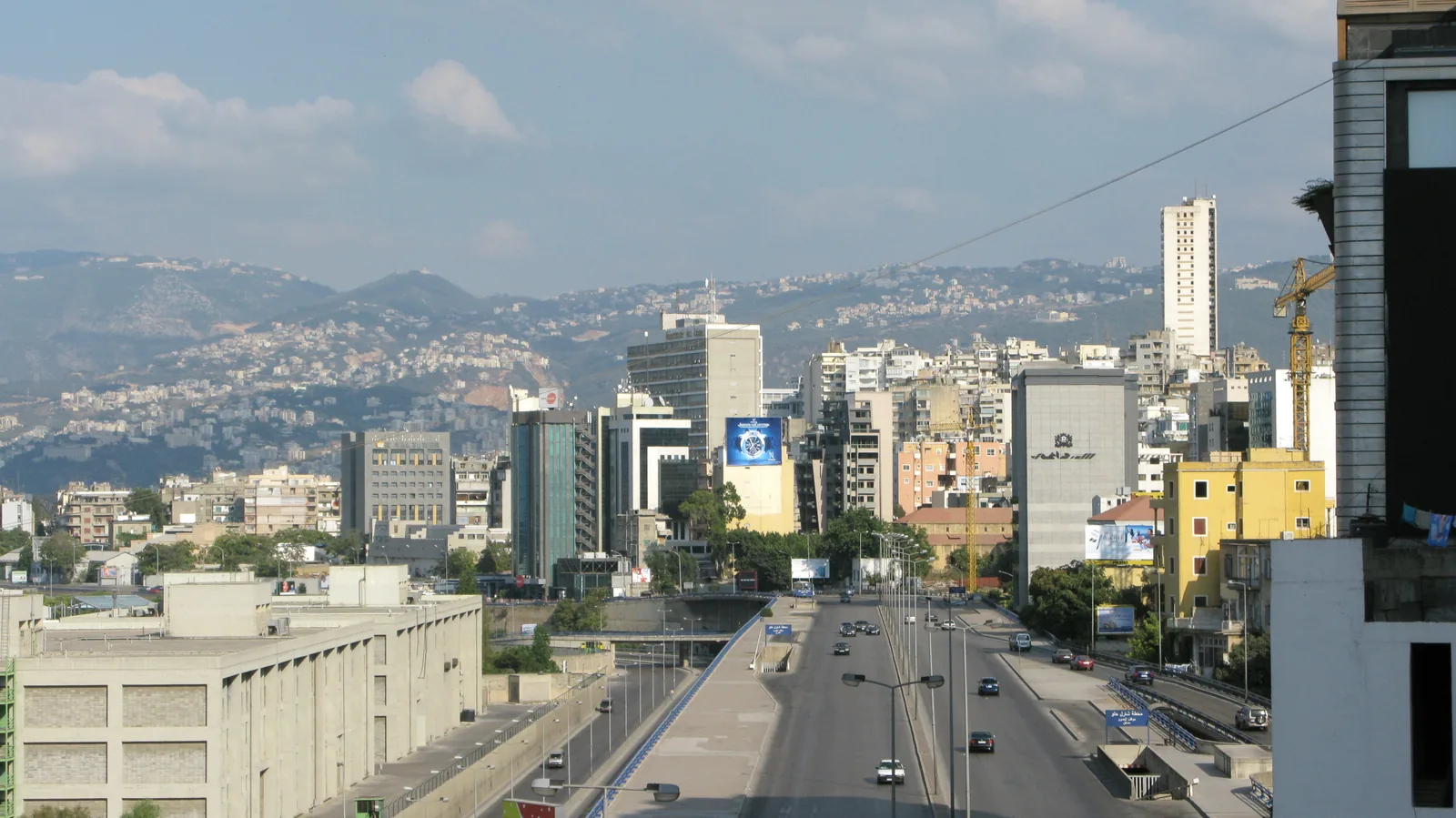
Beirut's skyline, with hills behind the city.
ExplainerMiddle East

The Lebanon ceasefire has collapsed and been renegotiated twice: a 2024 truce that never held, and a June 2026 framework tying Israeli withdrawal to Hezbollah's disarmament. With UN peacekeepers leaving by year's end, here is what holds the border together.

By War Info Hub Research Desk · September 29, 2026 · 7 min read

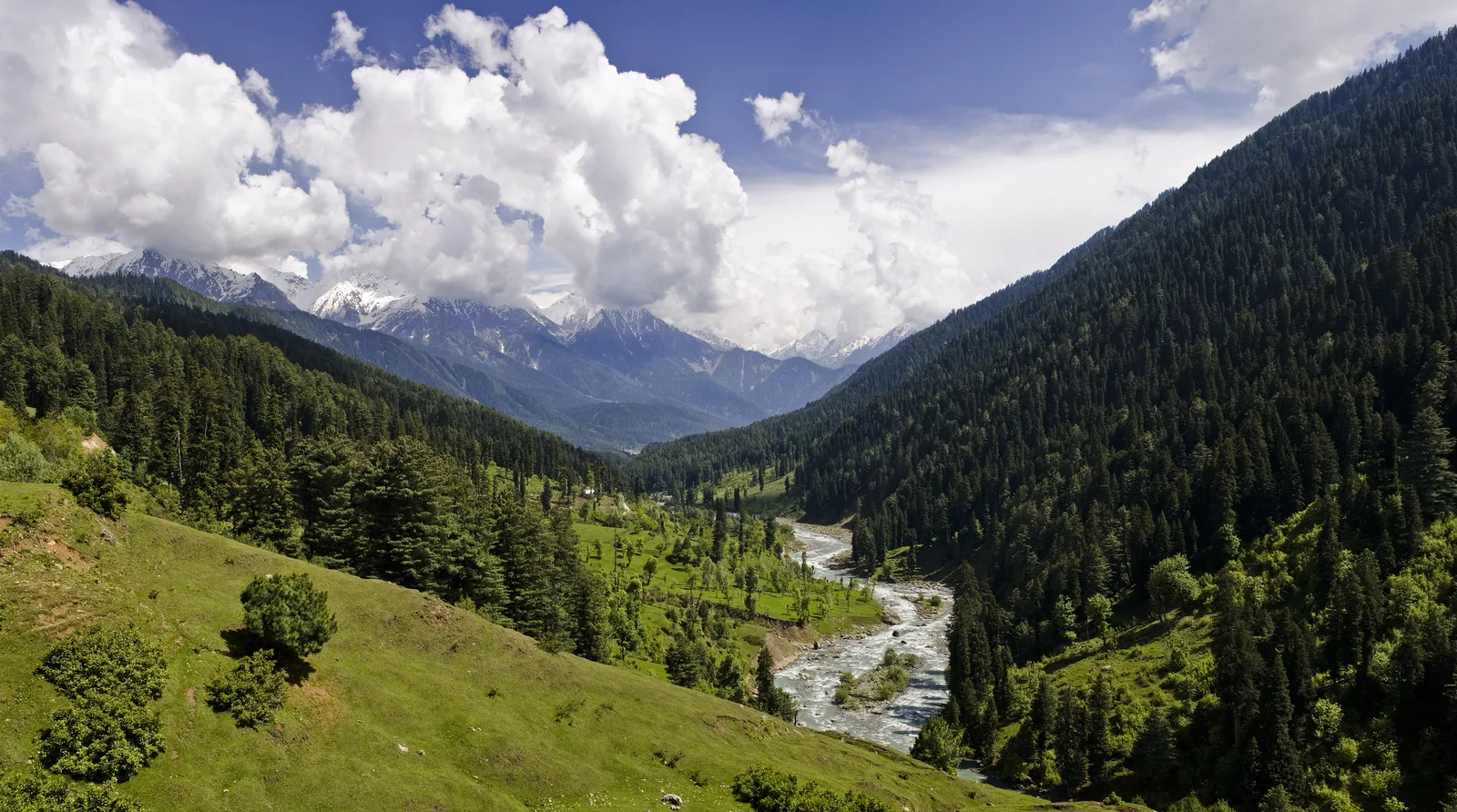
The Pahalgam valley, a river winding beneath snow-capped peaks.
ExplainerAsia-Pacific

The Kashmir flashpoint put two nuclear-armed rivals through four days of missile, drone and fighter-jet combat in May 2025 — the worst fighting since 1999. Here is why Kashmir keeps pulling India and Pakistan back to the brink.

By War Info Hub Research Desk · September 29, 2026 · Updated November 28, 2026 · 6 min read

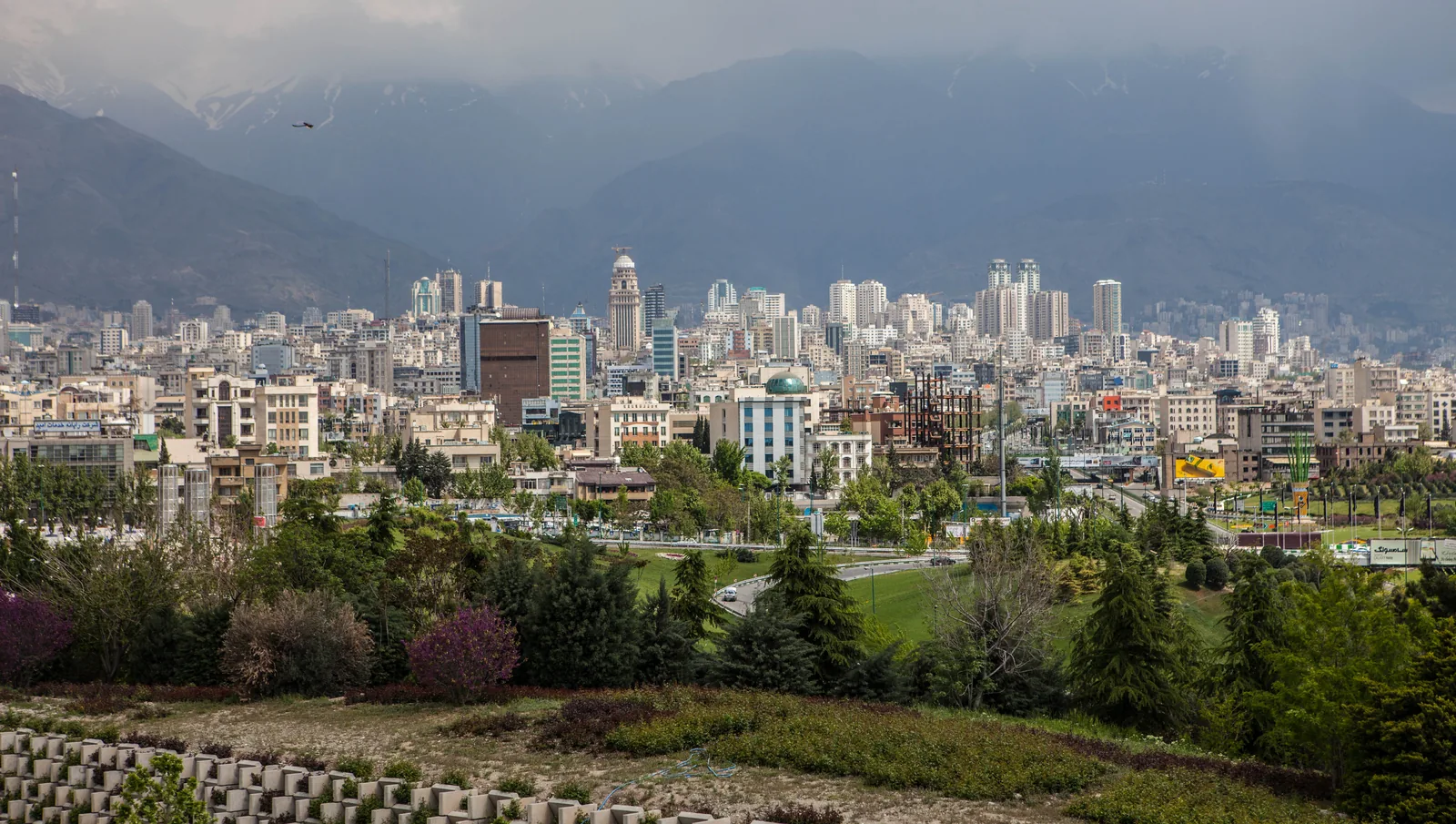
Tehran's skyline with the Alborz mountains behind.
ExplainerMiddle East

Iran's nuclear program is now the world's most closely watched blind spot: the IAEA says it has been 'completely blind' for over a year, 440 kg of 60%-enriched uranium is unaccounted for, and the Security Council has the file for the first time in 20 years.

By War Info Hub Research Desk · September 29, 2026 · Updated November 23, 2026 · 9 min read

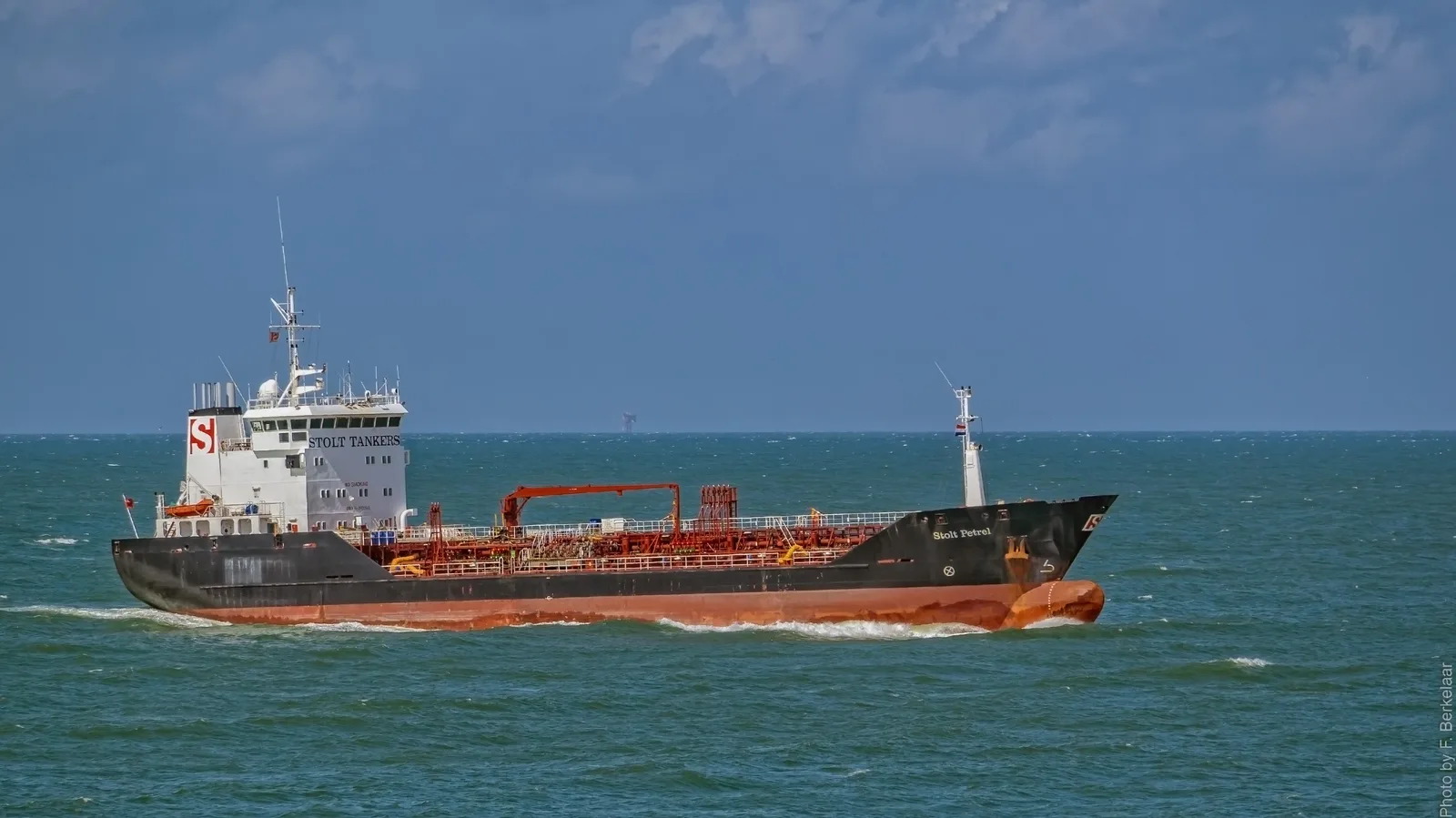
An oil tanker underway at sea.
ExplainerEurope

Wartime sanctions on Russia hinge on a $44.10 oil price cap, a shadow fleet of aging tankers, and a cat-and-mouse game of evasion. How the sanctions machine works — and why enforcement keeps lagging behind.

By War Info Hub Research Desk · September 29, 2026 · Updated November 27, 2026 · 7 min read

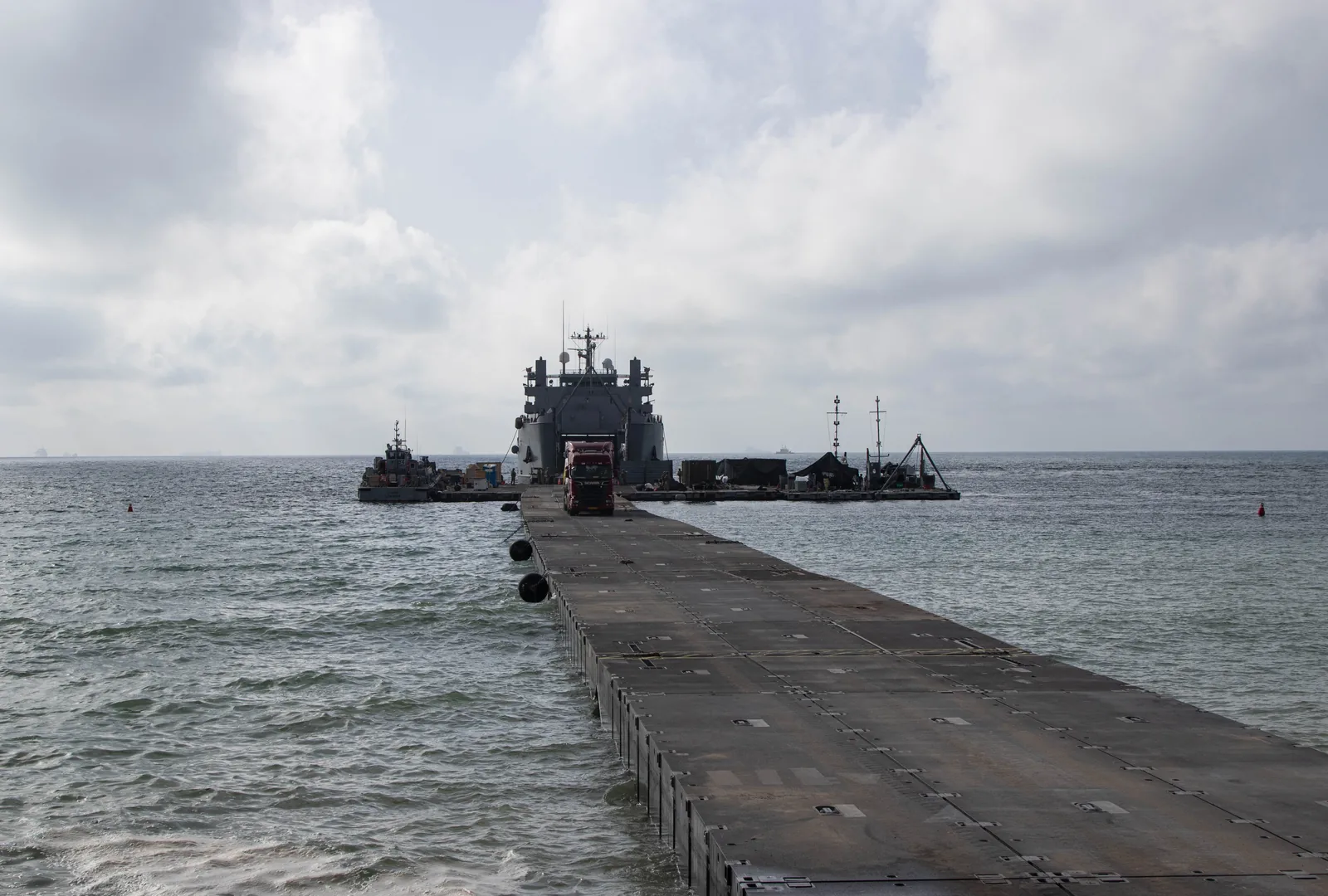
The Trident Pier humanitarian pier off the Gaza coast.
ExplainerMiddle East

Gaza reconstruction will need $71.5 billion, the UN says — but almost a year after the ceasefire, Israel occupies 60% of the strip, Hamas has not disarmed, and not a single reconstruction project has begun. Here is what the plans say, and what is blocking them.

By War Info Hub Research Desk · September 29, 2026 · Updated November 25, 2026 · 8 min read

The Simien Mountains in the Ethiopian highlands.
ExplainerAfrica

The Fano insurgency began in April 2023 when a militia that fought beside Ethiopia's army turned its guns on the government. Now Fano has allied with its old enemy the TPLF, and the Amhara conflict is pushing the country toward renewed civil war. Here is what is happening and why.

By War Info Hub Research Desk · September 29, 2026 · Updated November 24, 2026 · 7 min read

A landscape in Balochistan, Pakistan. This photo does not depict current military activity.
ExplainerAsia-Pacific

Pakistan's military said this weekend it killed more than 71 militants in operations across Balochistan — the latest chapter in a 20-year separatist insurgency that escalated sharply this year. Here is who is fighting, what they want, and why it is getting worse.

By War Info Hub Research Desk · September 29, 2026 · Updated November 22, 2026 · 5 min read
The Taipei skyline at night, with Taipei 101 illuminated.
ExplainerAsia-Pacific

A 130-kilometre-wide waterway, the world's most important chip factories, an informal median line that no longer holds, and a US policy of deliberate ambiguity — the Strait is where geography, economics, and great-power politics collide.

By War Info Hub Research Desk · September 27, 2026 · Updated November 19, 2026 · 3 min read

A high-altitude aircraft leaving a contrail across a clear sky.
ExplainerEurope

A no-fly zone is not a line on a map. It is a military operation: fighters on patrol, enemy air defences destroyed first, and a legal mandate behind it all. Here is how they work, where they have been tried, and why leaders hesitate.

By War Info Hub Research Desk · September 27, 2026 · Updated November 23, 2026 · 4 min read

A container ship underway near a coastline.
ExplainerMiddle East

Since November 2023, Houthi attacks on commercial shipping have turned the Bab el-Mandeb strait — a chokepoint carrying a tenth of seaborne oil — into one of the world's most dangerous waterways.

By War Info Hub Research Desk · September 27, 2026 · Updated November 28, 2026 · 5 min read
Earth at night, with city lights visible across Asia and the Pacific, in NASA's "Black Marble" imagery.
ExplainerEurope

Before analysts trust a video from a war zone, they check four things: where it was filmed, when it was filmed, whether the file is authentic, and whether it already existed online. Here are the methods.

By War Info Hub Research Desk · September 27, 2026 · Updated November 16, 2026 · 3 min read
Seen something we should cover?

Send a tip to the research desk.

A development we missed, a document worth reading, or an error in our reporting — email is the fastest channel. Anonymity honored on request.

Email us