The geography
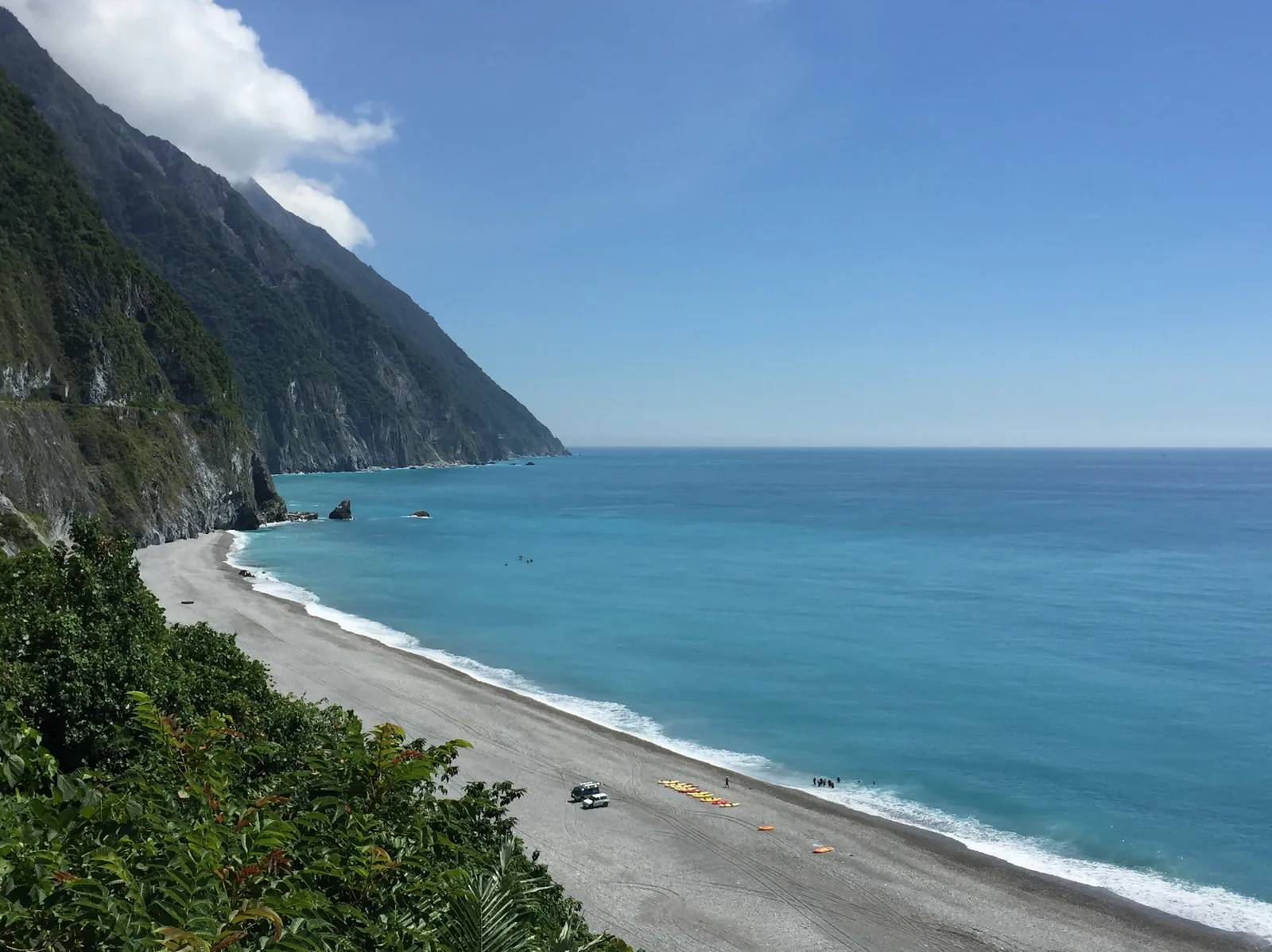
The Taiwan Strait separates mainland China from the island of Taiwan. It is roughly 70 nautical miles wide at its narrowest — about 130 kilometres — and about 220 nautical miles at its widest, according to the Congressional Research Service.
Running down its middle is the median line: an informal, north–south line bisecting the strait. It is not a recognized border — neither side formally accepts it as one — but for decades it functioned as an unofficial boundary that Chinese military aircraft rarely crossed. That changed after 2022. The strait is now subject to near-daily Chinese gray-zone air operations and naval patrols — some within 24 nautical miles of Taiwan's main island — along with drone flights and pressure around the Kinmen islands, the CRS reports.
The strategic setting
The strait sits at the midpoint of the First Island Chain — the string of territories under America's regional allies running from the Japanese islands in the north through Taiwan and the Philippines to Borneo in the south. As Reuters has reported, the chain forms a natural barrier enclosing China's coastal seas and containing its rapidly expanding navy; Taiwan is its key central link.
China claims Taiwan as its territory, though as the CRS notes, Beijing "has never controlled" it. US policy prioritizes peace and stability across the strait and supports Taiwan's ability to deter the use of force by China.
"Strategic ambiguity"
American policy toward a potential conflict is deliberately unclear — a posture known as strategic ambiguity. The 1979 Taiwan Relations Act obligates the United States to supply Taiwan with defense articles for its self-defence and to maintain America's own capacity to resist force or coercion against Taiwan — but it does not require the United States to defend Taiwan. Supporters argue the ambiguity encourages restraint on both sides; critics advocate "strategic clarity," arguing only an explicit commitment can deter an increasingly capable China.
Washington has maintained unofficial defense ties with Taipei since 1980 (after the 1954 mutual defense treaty was terminated in 1979), and Taiwan remains consistently among the largest purchasers of US foreign military sales, with arms transfers, dialogues, and training continuing.
On the question of timing: Biden-era US officials described a Chinese invasion as "neither imminent nor inevitable," and CIA Director William Burns said China's leader Xi Jinping had instructed the People's Liberation Army to be ready by 2027 — an instruction to be prepared, not a decision to invade.
The economic stakes
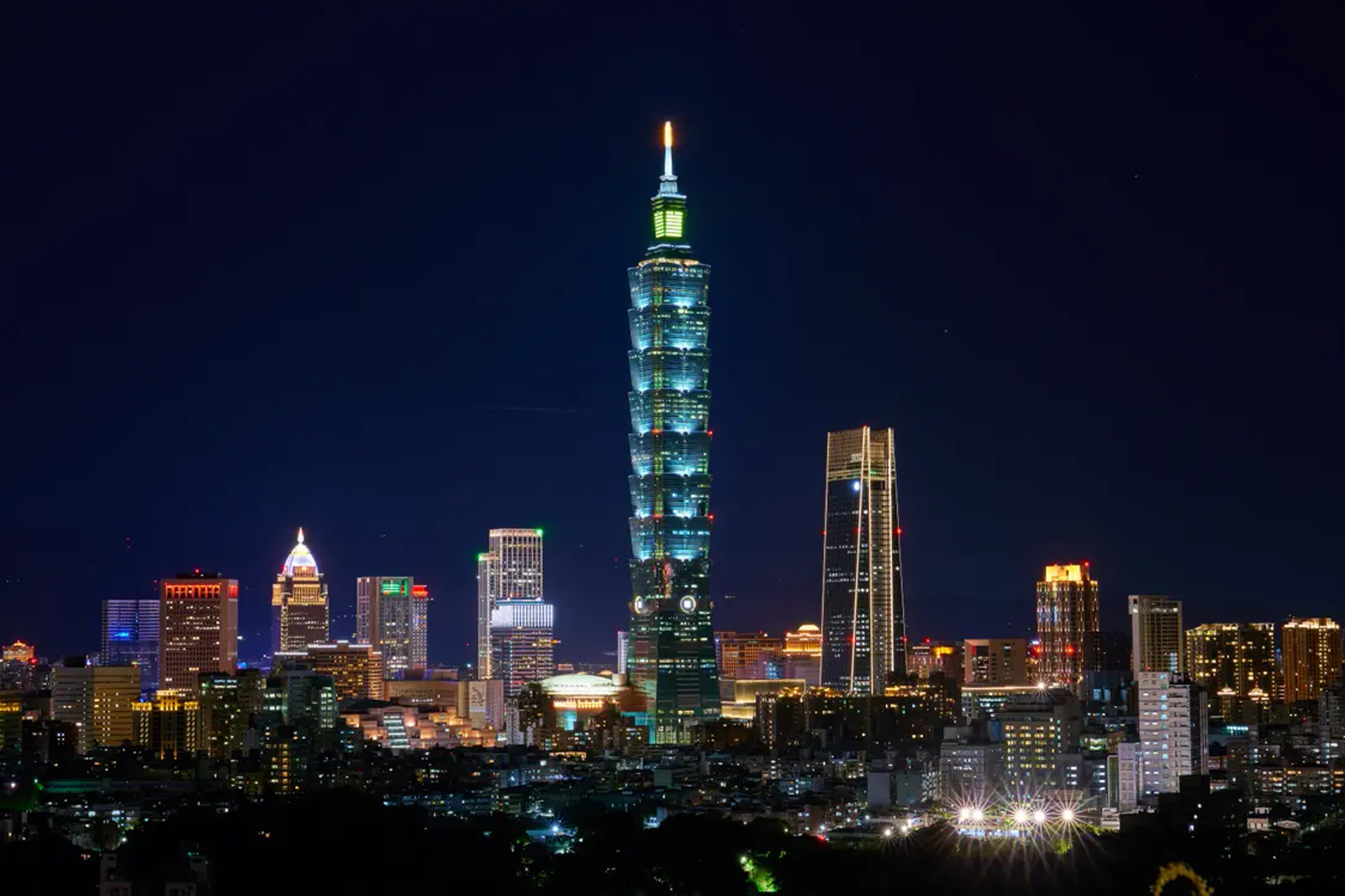
The strait also matters because of what sits on one side of it. Taiwan's TSMC manufactures roughly two-thirds of all chips made by foundries by revenue, holds over 90% of the most advanced segment, and makes almost all of the world's AI accelerators — the chips on which Nvidia, AMD, Apple, Amazon, and Microsoft depend, according to The Economist. A conflict in the strait would therefore threaten not just regional security but the physical foundation of the global technology industry. Some analysts call this Taiwan's "silicon shield": the argument that the world's dependence on its chips is itself a deterrent.