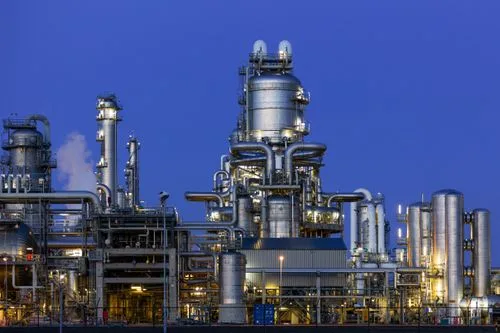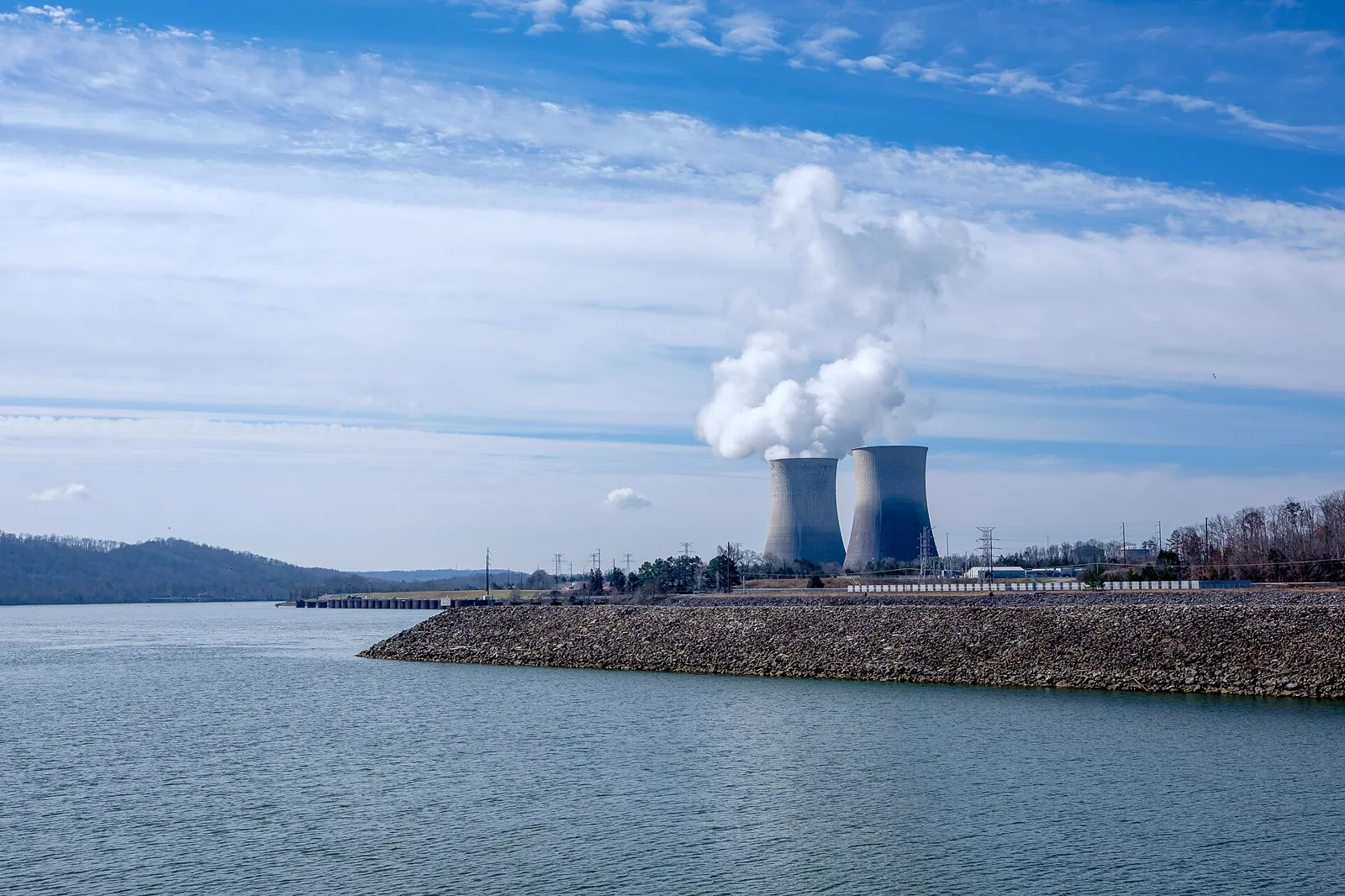
An energy ceasefire is a limited agreement to stop attacks on energy infrastructure — power stations, electricity networks, oil refineries and fuel storage — while the rest of the war continues. It is the kind of arrangement US President Donald Trump announced on October 11, 2026, saying Russia and Ukraine had agreed to one with immediate effect. Within a day, Ukraine had accused Russia of violating it, Russia had not confirmed it, and the Kremlin had rejected a related ceasefire proposal — a sequence that shows why these narrow truces are hard to define and harder to enforce.
What does an energy ceasefire actually cover?
Its scope depends entirely on the terms the parties accept, and that is the first problem. Energy infrastructure can mean electricity generation and heating plants, transmission grids and substations on one side, and oil refineries, fuel depots and export facilities on the other. In the Ukraine war the two sides' campaigns are asymmetric: Russia has repeatedly struck Ukraine's power and heating system, while Ukraine has struck Russian oil refineries with long-range drones. An arrangement that covers both categories asks each side to give up a different campaign.
Ukraine's stated position, as its president set it out after the October announcement, is reciprocal: Kyiv will suspend attacks on Russian refineries if Russia stops hitting Ukraine's energy system and critical infrastructure. If an announcement covers only one category — for example, only refineries — the two sides are not making the same concession.
How is it different from a full ceasefire?
A full ceasefire halts fighting generally; an energy ceasefire halts one class of strikes only. Ground operations, front-line artillery and attacks on non-energy targets can all continue under an energy-only arrangement. That narrowness is what makes such deals easier to announce than a general truce — and also what limits their humanitarian effect. EU foreign policy chief Kaja Kallas made that point on October 12, saying she would prefer a ceasefire that also meant people not being killed, according to Reuters.
What happened with the October 2026 announcement?
Trump announced the arrangement on social media on Sunday, October 11, saying it took effect immediately and that both parties had agreed. Ukraine's president said he had learned of it from the media, welcomed it in principle, and was waiting for the detailed terms agreed between Washington and Moscow. The Associated Press reported that Kyiv said Russian attacks on energy sites continued after the announcement, including a strike on a Kharkiv power plant on Sunday evening. On Monday, Zelenskiy accused Russia of violations, and Kremlin spokesman Dmitry Peskov rejected Zelenskiy's separate offer of a 60-day total ceasefire to allow elections, saying Moscow wants a long-term peace settlement rather than a temporary ceasefire, Reuters reported.
Russia's position is therefore the unresolved element: in the reporting opened for this explainer, Moscow neither confirmed the energy arrangement nor accepted the broader ceasefire idea.
Why do these announcements keep unravelling?
Three recurring problems explain the pattern. First, confirmation: Trump had announced a similar energy ceasefire in mid-September 2026 that neither side ever confirmed, Reuters reported, and strikes continued. Second, definitions: without an agreed list of protected facilities, each side can claim the other's strikes fall outside the deal. Third, verification: none of the announcements described in the reporting included a monitoring mechanism, so violation claims rest on each side's own accounts. Until an arrangement is confirmed by both parties, with defined scope and some way of checking compliance, an announced energy ceasefire remains an announcement rather than an operating truce.
This explainer is drawn from the Reuters and Associated Press reporting cited above, all opened and read for this article. Claims about strikes and violations are the respective parties' accounts as reported by those outlets.