How wartime sanctions work is best understood not as a wall but as a machine — interlocking levers designed to drain a war economy while avoiding blowback on the sanctioning countries. The most elaborate such machine ever built targets Russia: an oil price cap, a ban on seaborne crude imports, hundreds of sanctioned tankers, asset freezes on banks, and export controls on weapons components. Arrayed against it is one of the most inventive evasion systems in history — the so-called shadow fleet. This explainer walks through the machine, the evasion, and the enforcement race.
Key takeaways
- In December 2022 the EU banned seaborne imports of Russian crude, and the G7/EU introduced a price cap on Russian oil sold to third countries — currently $44.10 per barrel — barring Western firms from shipping, insuring or financing cargoes sold above the cap.
- The cap was a deliberate trade-off: keep Russian oil flowing to world markets while squeezing Moscow's revenues, avoiding a global price spike.
- Russia answered with a "shadow fleet" of aging, opaquely owned tankers; sanctioned shadow tankers carried 52% of Russia's seaborne oil in August 2026, with most crude going to India and China.
- Enforcement is shifting from listing individual ships to "ecosystem sanctions" — targeting owners, insurers, traders and banks — while Moscow adapts by re-flagging tankers under the Russian flag.
Contents
- The sanctions machine
- The oil price cap, explained
- The shadow fleet: evasion at sea
- Enforcement and adaptation
- Why the race keeps going
The sanctions machine
Western sanctions on Russia operate on three levels. Trade and energy restrictions: the EU banned seaborne imports of Russian crude in December 2022, followed by refined products in February 2023. Financial sanctions: asset freezes and transaction bans on Russian banks — the EU's 21st package froze assets and prohibited transactions involving 94 Russian banks. Export controls: bans on selling Russia dual-use goods and technologies — electronics, machine tools, drone components — with 51 more entities, including companies in China, India, Türkiye and the UAE, added to restricted lists.
The 21st EU package, adopted in 2026, shows how broad the machine has become. According to gCaptain's reporting, it added 218 new listings covering 48 individuals and 170 entities — "the highest number of listings in four years," EU foreign policy chief Kaja Kallas said. "We're hitting over a hundred banks and crypto operators, 40+ vessels in Russia's shadow fleet, and several oil refineries in Russia and Belarus."
The oil price cap, explained
The centerpiece is the oil price cap. Introduced by the G7 and EU in December 2022, it did not try to stop Russian oil reaching the market. Instead, it barred Western companies from shipping, insuring or financing Russian oil cargoes sold above a set price — while buyers such as India and China could keep receiving barrels.
"Lower Russian revenues without a global price spike." — Maria Shagina, sanctions expert at the International Institute for Strategic Studies
That was the deliberate trade-off, as Shagina described it: squeeze Moscow's war revenues without removing millions of barrels a day from the world market. The cap only applies where Western services are used — and Western shipping, insurance and finance dominate global maritime trade — so a tanker carrying Russian crude sold below the cap could still sail with Western insurance; one sold above it could not use Western services at all.
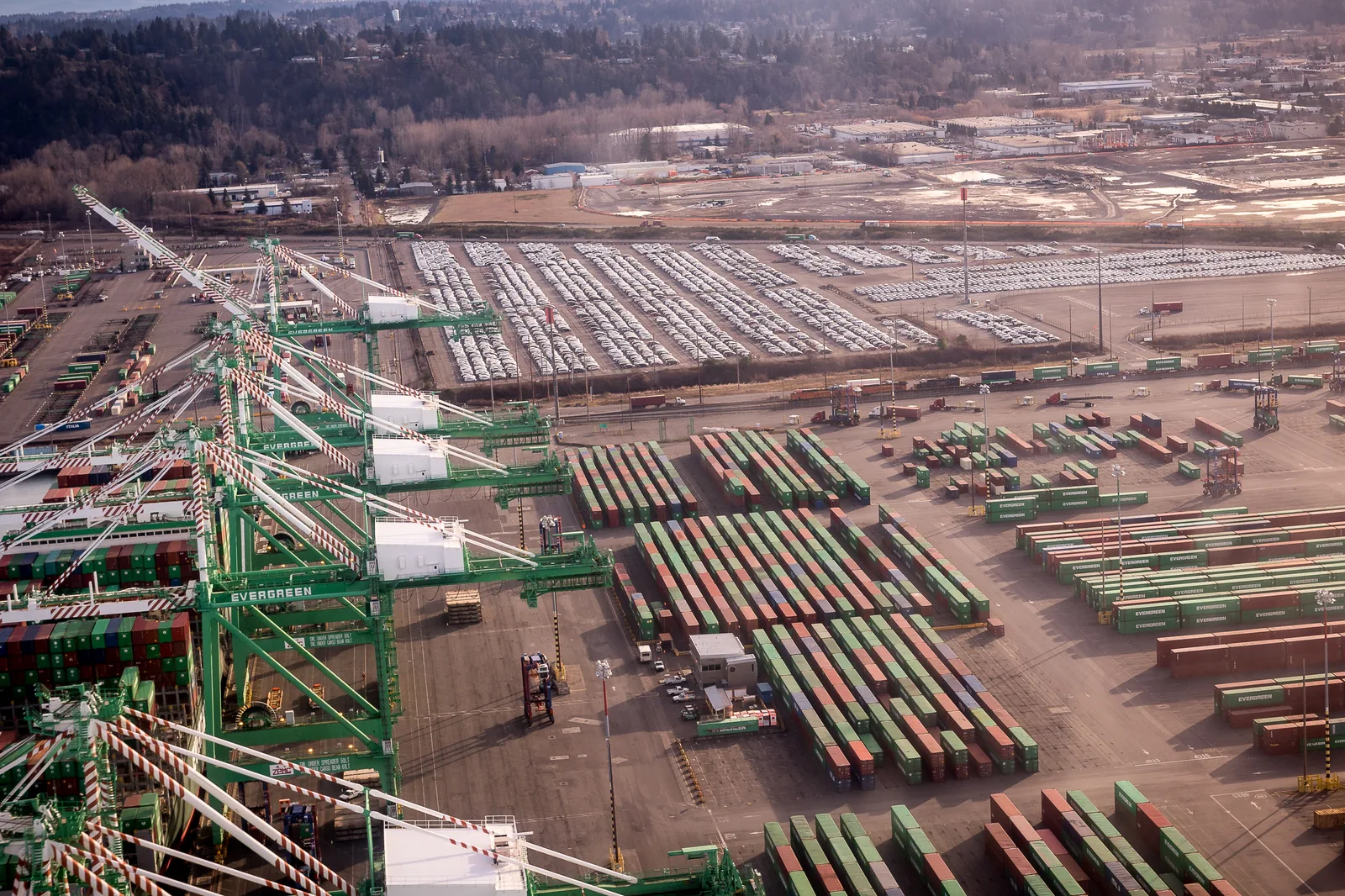
The cap level has been ratcheted down: it began at $60 per barrel, was reduced to $47.60 in the EU's 18th package in July 2025, and stood at $44.10 as of February 1, 2026. The latest EU package suspended the cap's automatic adjustment until July 15, 2027, citing market disruption from the closure of the Strait of Hormuz.
The shadow fleet: evasion at sea
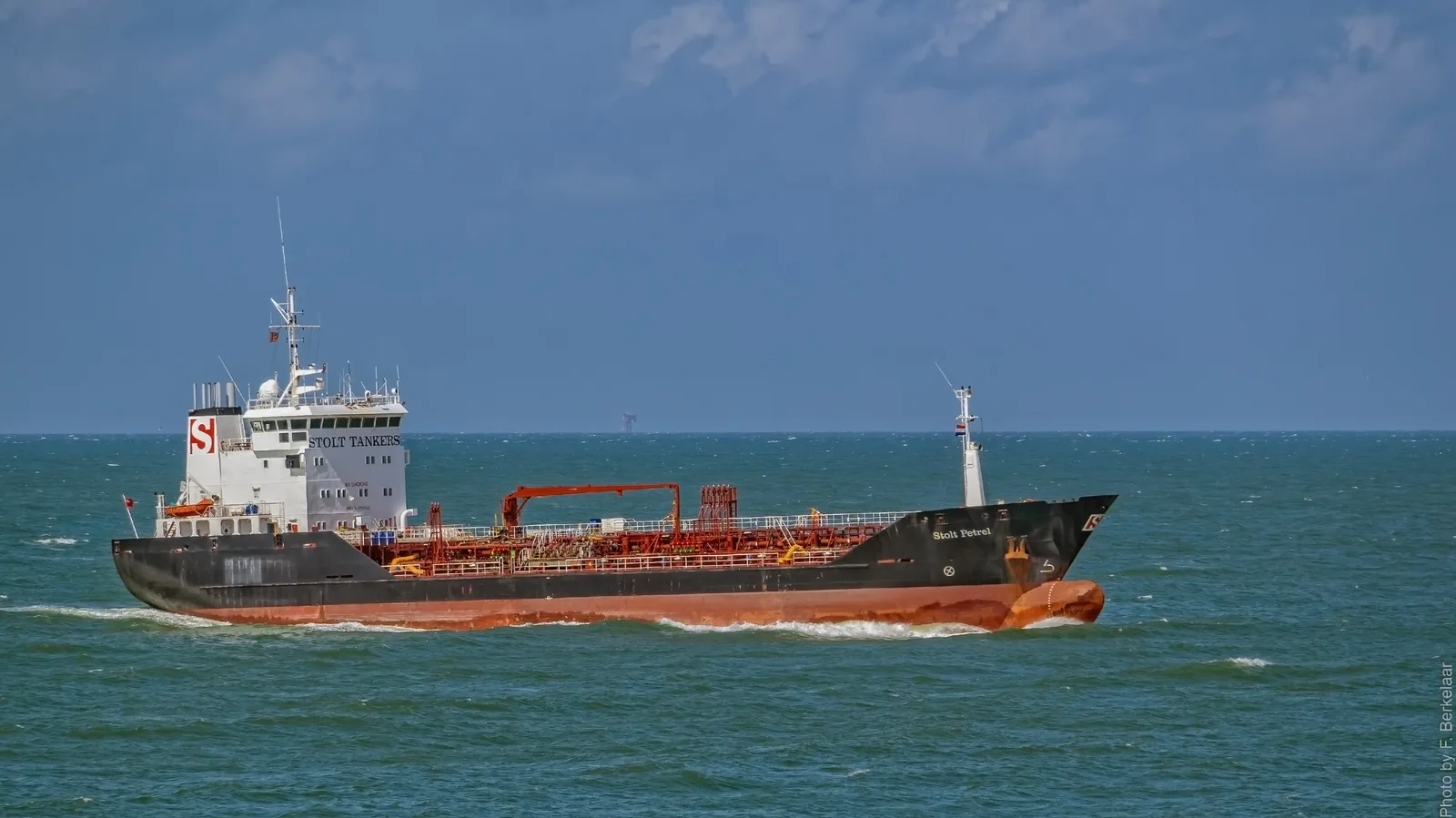
Because it only bites where Western services are used, the cap incentivized a parallel shipping system that does not depend on them: the "shadow fleet." The term is not a legal category but a working label for tankers that move oil from sanctioned producers outside Western shipping, insurance and financial systems. Similar networks long served Iran and Venezuela; the Russian version dates from December 2022.
The tankers involved are typically 15 years old or more, often bought second-hand as the cap came into force, with ownership sitting in single-ship companies registered in places such as the UAE, Hong Kong or the Marshall Islands. The vessels frequently change flags and registries and carry insurance of uncertain quality; most lack cover from the International Group of P&I Clubs, the mutual insurers that cover the bulk of the world's ocean-going fleet.
The fleet's scale is disputed — the EU has sanctioned about 600 ships, while an internal EU document cited in October 2025 put the wider network at up to 1,400 tankers — but the trade share is measurable: the Centre for Research on Energy and Clean Air (CREA) found sanctioned "shadow" tankers carried 52% of Russia's seaborne oil in August 2026. Most crude goes east: India took 37% and China 27% of Russia's seaborne crude exports in July, according to the Kyiv School of Economics Institute.
Enforcement and adaptation
Enforcement has escalated from paperwork to physical action. On June 14, 2026, Royal Marines and the UK's National Crime Agency seized the tanker Smyrtos in the English Channel after British authorities determined it lacked a legitimate flag; its captain was subsequently charged with violating British sanctions. Without valid registration, authorities had substantially broader legal grounds for boarding than a properly flagged merchant vessel would have offered.
Moscow adapted. The Kyiv School of Economics Institute found the Russian flag's share of oil volumes transported by the shadow fleet rose from 3% in May 2025 to 23% in April 2026, and Moscow is building its own insurance infrastructure — KSE identified at least 30 shadow tankers covered by three Russian insurers: AlfaStrakhovanie, Sogaz and Balance Insurance.
The legal position is contested. Under the UN Convention on the Law of the Sea, vessels on the high seas are generally subject to their flag state's jurisdiction, and warships may board foreign vessels only on limited grounds. A Russian-flagged tanker is not inviolable, but boarding it turns enforcement into a jurisdictional confrontation with Russia — which is precisely the point. As the Lansing Institute puts it, the real value of the Russian flag is not legal immunity but "deterrence through escalation risk."
The EU's reply has several layers: successive packages list vessels by name, barring them from EU ports and services (673 vessels after the 21st package added 41 more); the bloc presses flag states to withdraw registration — Kallas has said hundreds of ships have been deflagged; and the EU naval mission Operation Irini now boards suspect tankers to verify vessels whose nationality is in doubt.
Why the race keeps going
Enforcement keeps lagging behind adaptation. CREA's figures show the sanctioned fleet's share of Russian seaborne oil broadly stable at 53% in July and 52% in August 2026. High oil prices supercharge the evasion economy: with Urals crude around $110 and ESPO above $120 per barrel in mid-September 2026, a tanker carrying 700,000 barrels captures more than $45 million in additional cargo value above the $44.10 cap — enough to make re-registration, opaque corporate structures and alternative insurance economically viable.
The emerging expert consensus is that the target should shift from ships to the ecosystem around them: simultaneous pressure on beneficial owners, commercial managers, insurers, traders and banks. As the Lansing Institute concludes, the objective should not be to stop every tanker, but to make transporting Russian oil above the price cap sufficiently expensive, legally hazardous and commercially unattractive to shrink the margin Moscow earns from evasion.