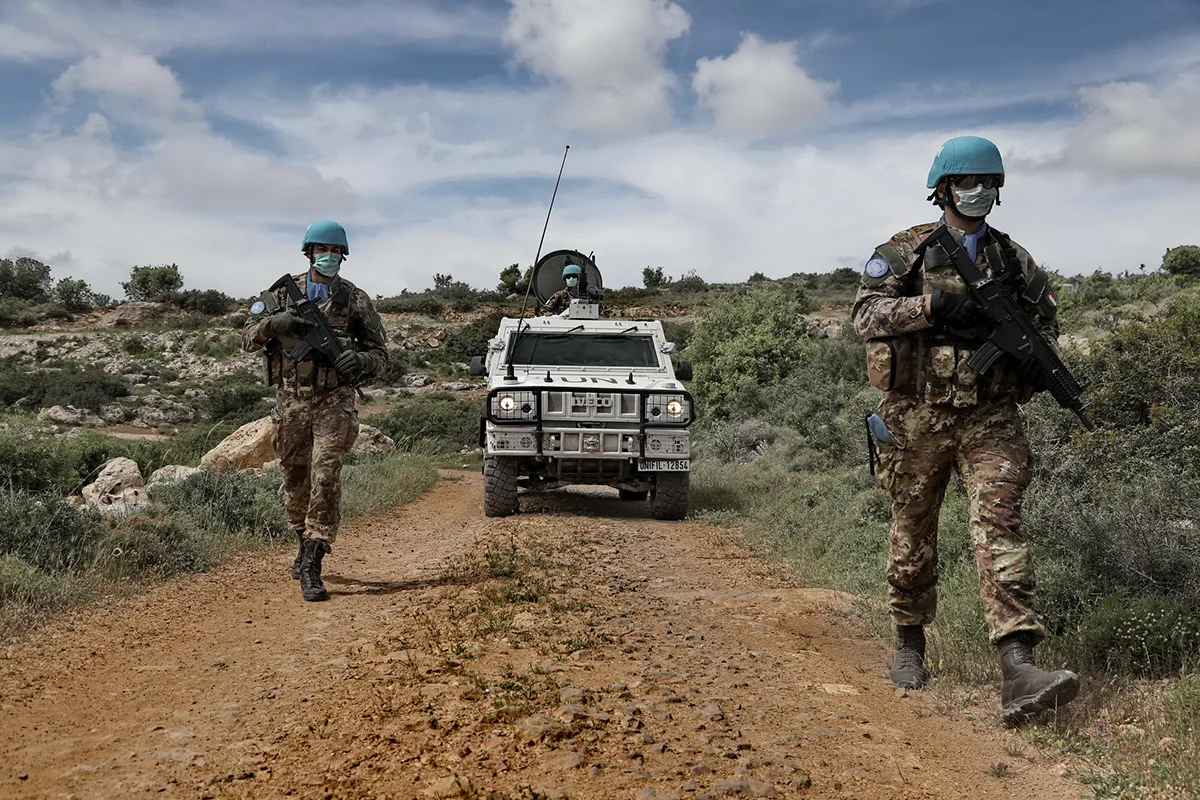
The UNIFIL Lebanon mandate extension question is now open at the Security Council: the UN peacekeeping chief, Jean-Pierre Lacroix, urged the council on Wednesday to begin negotiations soon on the future of the peacekeepers in southern Lebanon, whose mandate expires at the end of this year, Reuters reported. Lebanon is campaigning for the mandate to be extended, the secretary-general's proposals for a continued uniformed UN presence have sat unacted on for months, and diplomats say the United States does not support an extension — while the European Union agreed on Monday to build a separate support mission of its own.
What is UNIFIL, and when does its mandate end?
UNIFIL is the UN peacekeeping force that has been deployed in southern Lebanon since 1978, Reuters reported. Its current mandate is set to expire at the end of 2026: the Security Council last year ordered the mission to begin withdrawing at that point, and the force is then expected to carry out a year-long drawdown and withdrawal, according to Reuters reporting on Monday. About 7,500 UNIFIL peacekeepers are still deployed at roughly 50 positions in southern Lebanon. If no new UN force is agreed, those positions would be expected to be handed over to Lebanese army troops — but most of the posts lie in territory now occupied by the Israeli military, so how Lebanese soldiers could deploy to take them over remains unclear, Reuters reported.
Why is Lebanon asking for an extension?
Lebanon wants the mandate extended because a new war erupted in March between Israel and the Iran-backed Lebanese armed group Hezbollah, and Beirut points to the force's work monitoring hostilities and facilitating aid deliveries to villages in Israeli-occupied zones, Reuters reported. Beyond those tasks, UNIFIL operates a hotline between the Lebanese and Israeli militaries to ease tensions. Lacroix told Reuters that this deconfliction role is particularly important while Israeli troops hold a self-declared security zone deep inside Lebanese territory, because troops from the two armies operating in the same area carry a risk of incidents escalating out of control, and a third party is needed to de-escalate. He also said an early decision would let UNIFIL plan properly and avoid leaving its positions prematurely before it is known what comes next.
What is blocking a decision?
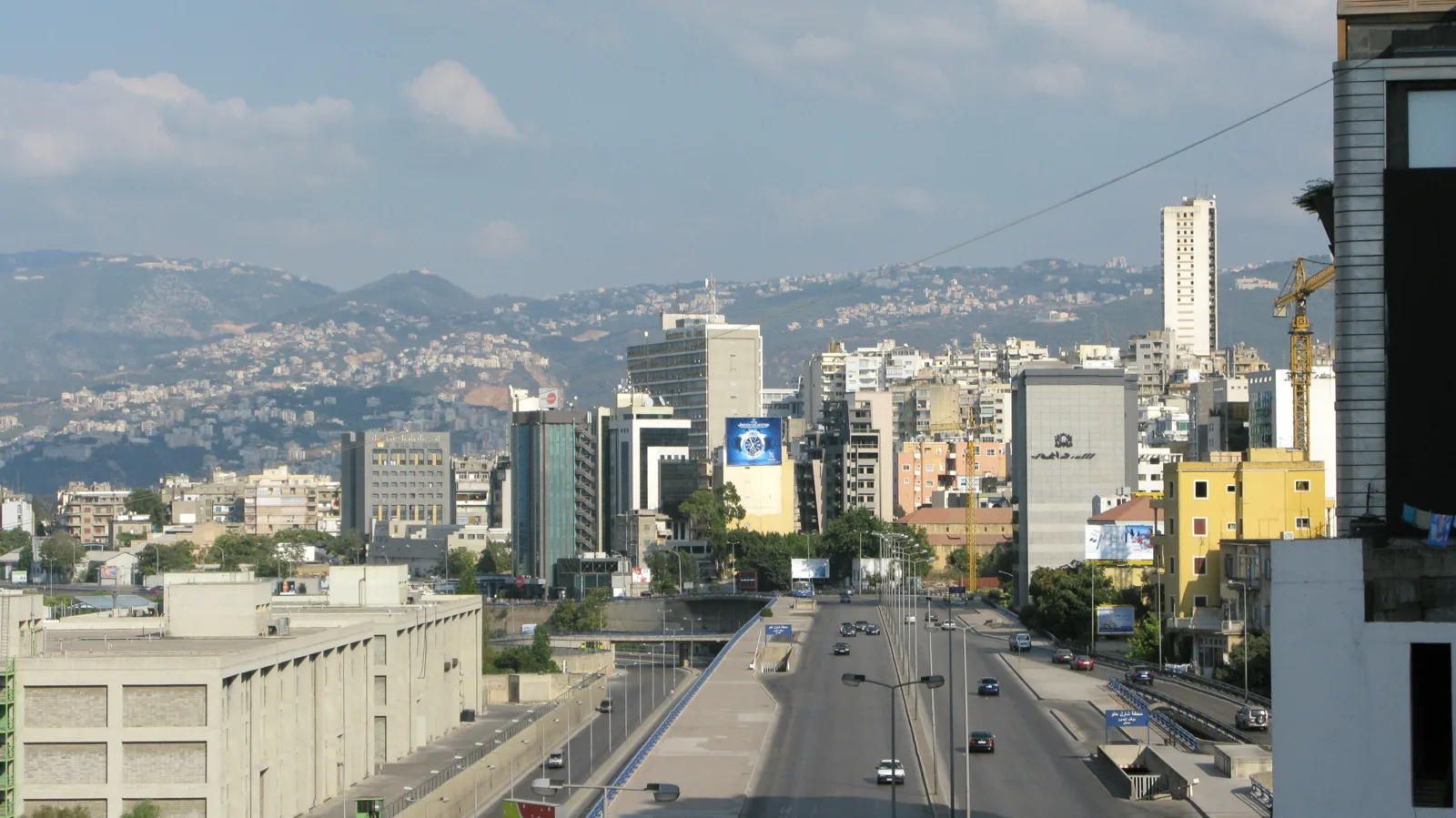
The block, so far, is inaction rather than a settled refusal. Secretary-General Antonio Guterres presented proposals earlier this year for a continued uniformed UN presence in Lebanon, but no action has been taken on them, Lacroix told Reuters in Beirut. He said the proposals remain on the Security Council's table and that he believed negotiations would begin in earnest shortly. Diplomats say the United States is not supportive of an extended UNIFIL mandate, Reuters reported; Lacroix said it was important to focus on Lebanon's own request and that council negotiations could still produce a constructive outcome. No timetable for a vote has been announced in the reporting opened for this article.
What is the EU doing instead?
The EU is building a parallel track rather than waiting on the UN decision. Foreign ministers agreed on Monday to establish a new support mission for Lebanon with an initial mandate of three years, made up of a civilian pillar and a military pillar, Reuters reported. The mission will advise and assist the Lebanese Armed Forces and the Internal Security Forces on territorial control, border security and internal security, EU foreign policy chief Kaja Kallas said in a statement. The military pillar will provide advisory support and training for the armed forces, including for border and maritime security, while the civilian pillar will train the internal security forces in areas such as cybercrime and anti-smuggling, the Council of the EU said. Kallas said last month that more than 10 EU member states were willing to contribute people and resources. Further operational planning is still to come before the bloc formally launches the mission, and an EU official said on Monday that the bloc hoped to deploy personnel in the coming months. Reuters reported that the mission grows out of EU work on strengthening Lebanese forces so the Lebanese army can focus on disarming Hezbollah.
What happens next?
What happens next is a Security Council negotiation that has not yet started, against a fixed deadline. If the council agrees a successor presence — whether an extended UNIFIL or a new force built on the secretary-general's proposals — the roughly 50 positions in the south can be handed over in an orderly way. If it does not, the drawdown ordered last year begins at the end of 2026, the positions pass in principle to a Lebanese army that cannot currently reach most of them, and the EU's training mission becomes the main international security presence being built for Lebanon. Lacroix's point, as Reuters reported it, was about timing: the sooner the council decides, the clearer the horizon for the force that is still on the ground.
This explainer is drawn from Reuters reporting opened and read for this article: the October 14 interview with Jean-Pierre Lacroix in Beirut and the October 12 report on the EU Council decision. Positions attributed to diplomats, the Lebanese government and EU officials are reported as those sources stated them. The FAQ answers are drawn only from the article's own text.