Skip to content

Region

Americas

Conflict history and security developments across North and South America.

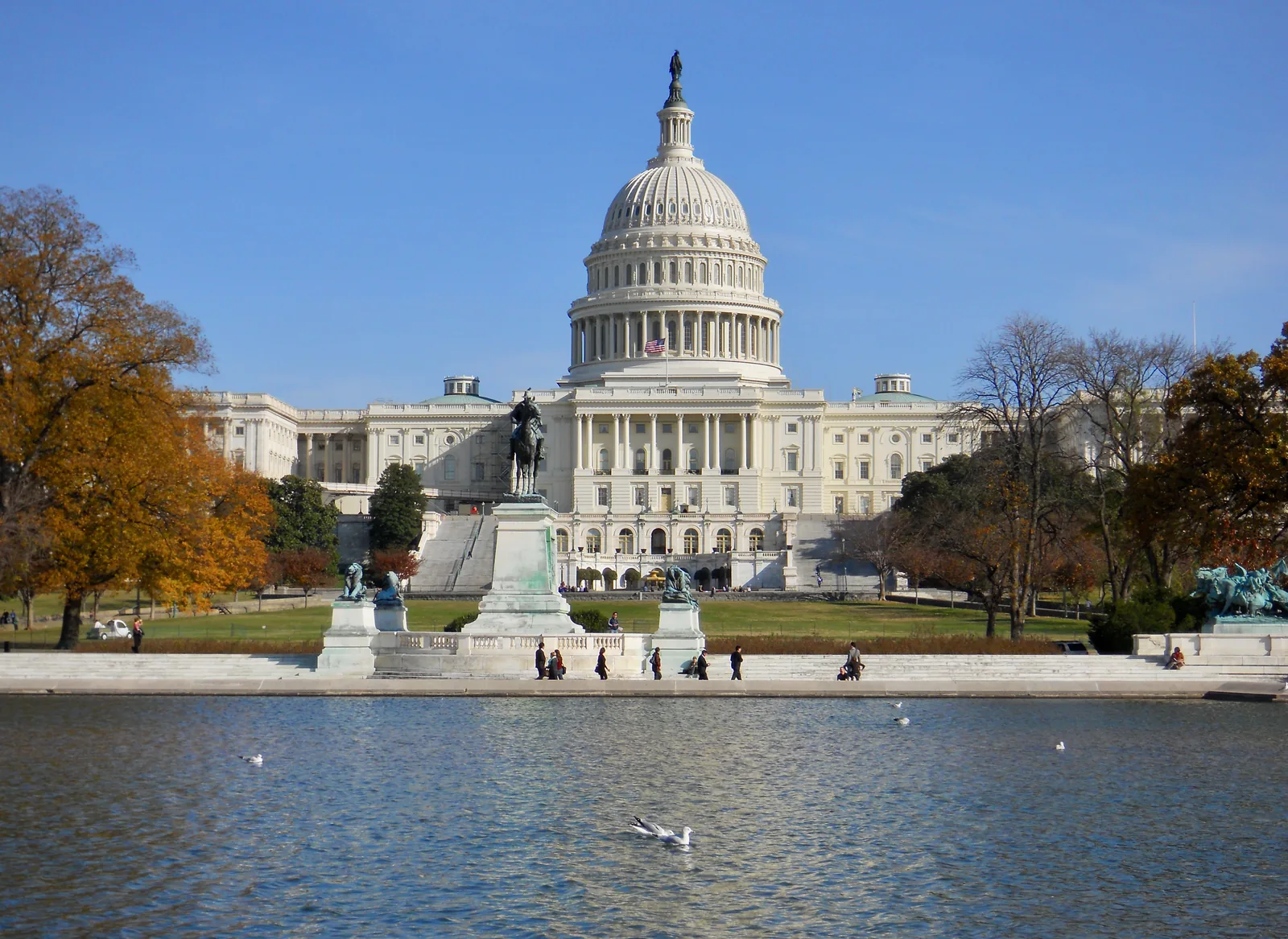
The U.S. Capitol dome in Washington, D.C. Photo: Inester726 / Wikimedia Commons (CC BY-SA 4.0)
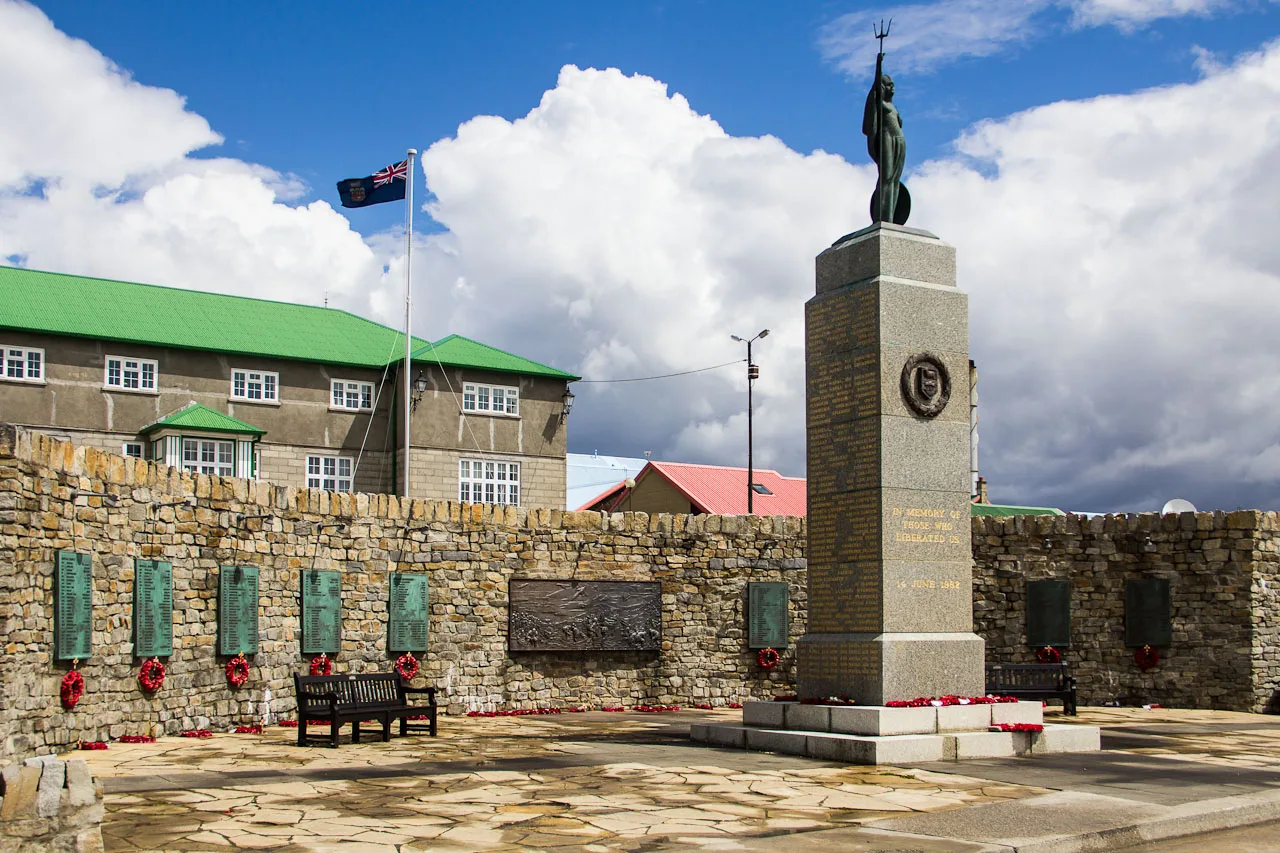
The 1982 Liberation Memorial in Stanley, capital of the Falkland Islands, photographed in 2012. The memorial commemorates the British personnel who died in the 1982 war. It does not depict the fighting.
HistoryAmericas

The Falklands War explained: from 2 April to 14 June 1982, Argentina and the United Kingdom fought a 74-day undeclared war over the Falkland Islands (Islas Malvinas), South Georgia and the South Sandwich Islands. Argentina invaded; a British task force sailed 8,000 miles to retake them. 907 people died, Argentina's junta fell, and the sovereignty dispute remains unresolved.

By War Info Hub Research Desk · October 13, 2026 · 11 min read
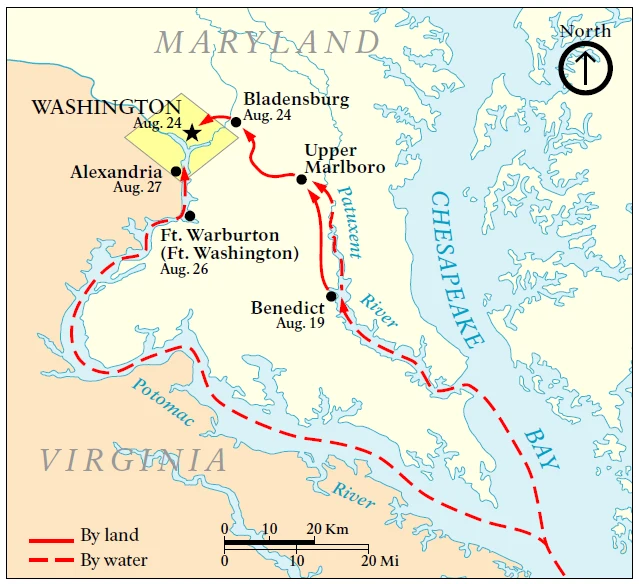
National Park Service map of the British land and sea advance on Washington, D.C., August 1814 — Bladensburg (Aug. 24) to Washington (Aug. 24) and Alexandria (Aug. 27). An archival reference map, not a depiction of combat.
HistoryAmericas

The War of 1812 (1812–1815) began with British seizures of American ships and sailors and ended in a draw the treaty barely mentioned. Fought mainly over neutral trading rights, it failed to conquer Canada, burned Washington, killed some 37,000 people across three nations — and left the United States, Canada, and Britain's relationship permanently changed.

By War Info Hub Research Desk · October 8, 2026 · 9 min read

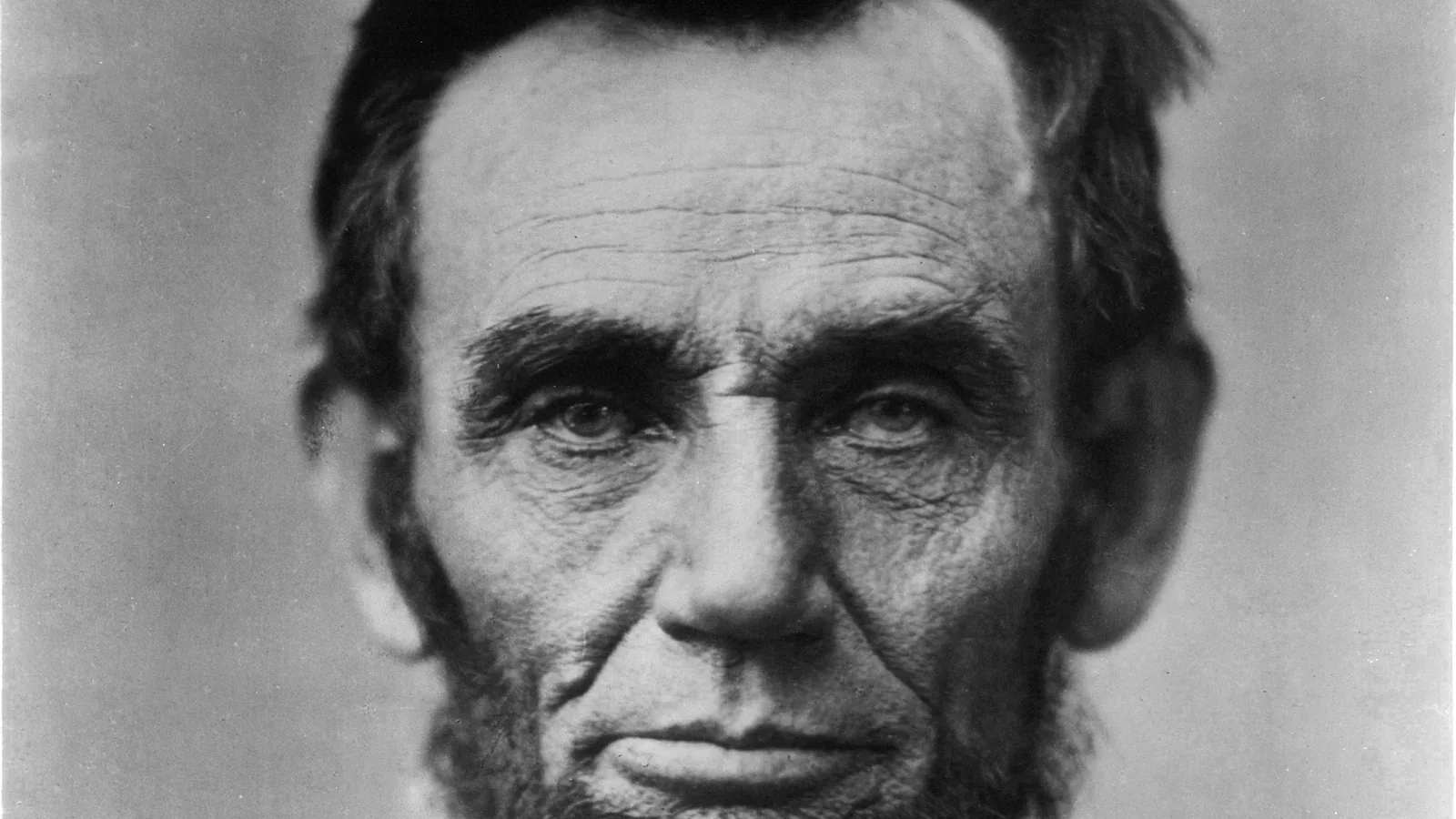
Abraham Lincoln in Alexander Gardner's November 1863 portrait, taken weeks before the Gettysburg Address.
HistoryAmericas

The American Civil War (1861–1865) killed between 620,000 and 850,000 soldiers, ended slavery, and redefined the United States. Here is what caused the war, what it cost, and how it reshaped America.

By War Info Hub Research Desk · September 29, 2026 · 8 min read

Seen something we should cover?

Send a tip to the research desk.

A development we missed, a document worth reading, or an error in our reporting — email is the fastest channel. Anonymity honored on request.

Email us