The Fano insurgency — the armed conflict in Ethiopia's Amhara region — began in April 2023, when a nationalist militia that had fought alongside the federal army against Tigray turned its weapons on that same government. More than three years on, the fighting has not stopped and millions of civilians have been exposed to the violence. In September 2026, Fano allied with its old battlefield enemy, the TPLF, in a seven-group anti-government pact. Days later, northern Ethiopia plunged back into open war. This explainer sets out how the Amhara conflict started, who is fighting, and why it threatens the Horn of Africa.
Key takeaways
- The Fano insurgency began in April 2023, after the federal government moved to dissolve the Amhara region's special forces. Fano fighters — who had fought alongside the army during the 2020–2022 Tigray war — took up arms against it instead.
- ACLED data, reported by the Ethiopia Observer, show that between February and August 2026 alone, over 8 million people in Amhara were exposed to conflict, with the heaviest fighting in West Gojjam, North Wollo and North Shewa.
- On September 20–21, 2026, seven armed groups — including the TPLF and the Amhara Fano National Movement — announced the Ethiopian Peoples' Forces Alliance for Survival, vowing to overthrow Prime Minister Abiy Ahmed's government (Reuters). The alliance statement was read out by Fano leader Zemene Kassie.
- Fighting resumed in northern Ethiopia days later across Tigray, Afar and Amhara, amid warnings of a humanitarian catastrophe compounded by an expected super El Niño drought.
Contents
- The roots of the Amhara conflict
- The Fano insurgency: from allies to rebels
- Seven armed groups, one target
- Why the Amhara conflict matters — and what to watch
The roots of the Amhara conflict
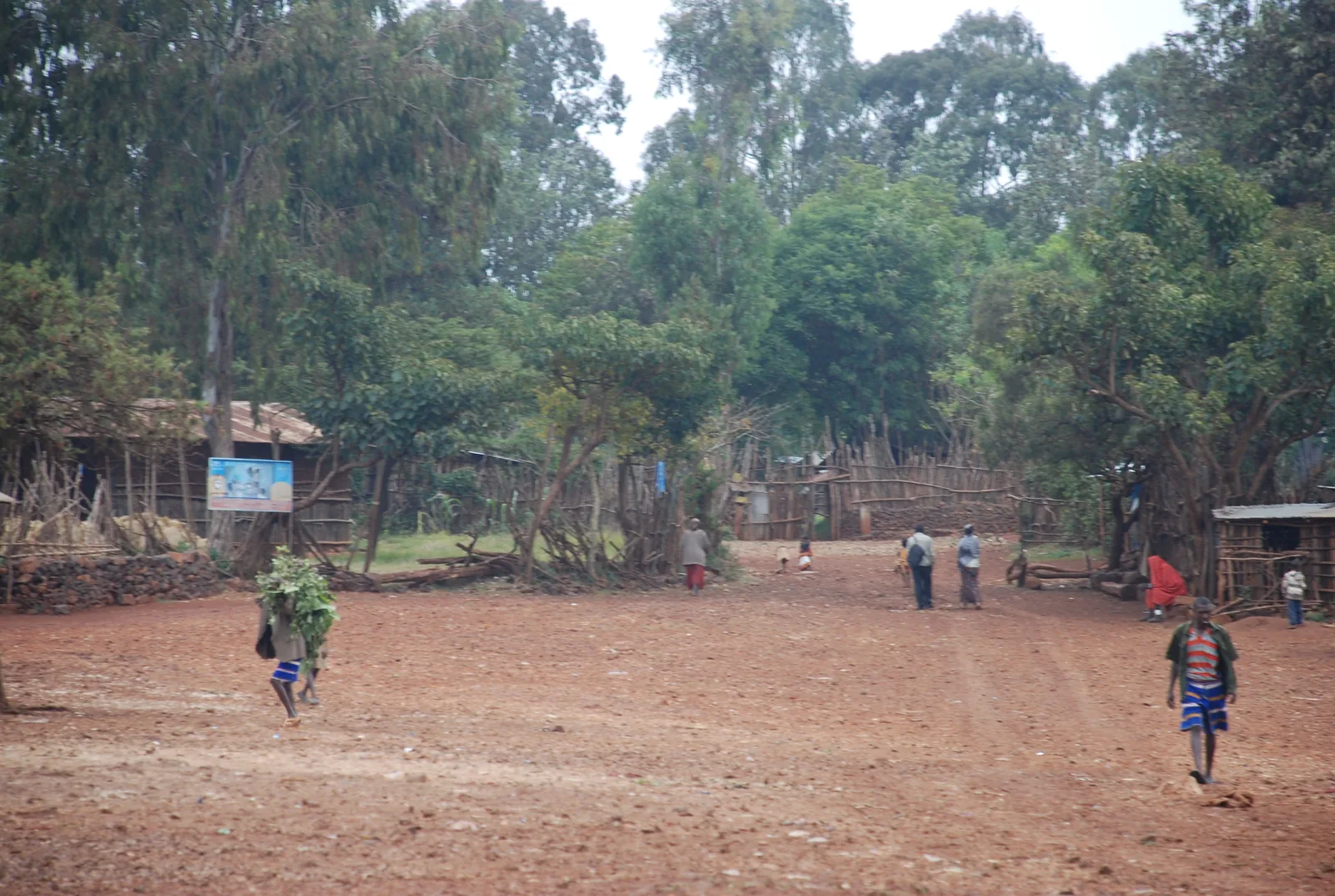
The Amhara region — Ethiopia's second-most-populous, with around 23 million people — has a long militia history. The Amharic word fano recalls civilians who took up arms against the Italian occupation in the late 1930s, and today's movement draws on that heritage. For years its members accused the federal government of marginalising the Amhara population.
During the Tigray war (2020–2022), Fano militiamen fought alongside the Ethiopian National Defense Force against the TPLF. Le Monde reports they administered captured western Tigray territory — Wolqayt, which they want incorporated into Amhara — where NGOs including Human Rights Watch documented war crimes and ethnic cleansing.
When the Pretoria peace agreement ended the Tigray war in November 2022 — a war the African Union says claimed more than 600,000 lives — Fano felt cut out. The breaking point came in 2023, when Addis Ababa moved to dissolve the Amhara region's special forces into the federal security apparatus: large numbers defected to Fano instead, swelling a militia Le Monde estimates at 15,000–20,000 fighters. Since April 2023, they have been in open conflict with the federal army, which has answered with escalating drone strikes.
A state of emergency was declared in August 2023 — extended by parliament in early 2024, with civil-rights restrictions still in place as of August 2026 (Ethiopia Observer). Fano has been pushed out of cities at points, but the war continues in smaller towns and rural areas — mostly, as ACLED's Jalale Getachew Birru told the Ethiopia Observer, in the villages where people live:
"The clashes are not confined to battlefields but often take place in villages where people live, making the human toll particularly heavy."
The Fano insurgency: from allies to rebels
Now in its fourth year, the Fano insurgency imposes its heaviest price on civilians: ACLED's figures, cited by the Ethiopia Observer, show Fano–government fighting accounts for about 80 percent of the region's conflict events over three years — and while both sides stand accused of abuses, government forces draw the majority of reported violations.
The violence follows a pattern: attacks on civilians frequently follow clashes, and residents have been killed by heavy weapons that missed their targets. There has also been a campaign of targeted killings against local officials — Fano more than doubled such attacks over the past year, per ACLED's 2026 figures. AFP reported two district heads (Efrata Gidim and Kewet) killed by "extremist entities" — the government's term for Fano — as the emergency's mandate lapsed, prompting the Ethiopian Human Rights Commission to call for restoring ordinary law enforcement and releasing emergency-era detainees.
AFP also reported that refugees arriving from Sudan and Eritrea have added to tensions in the region.
Fano is a decentralised coalition rather than a single command structure — which has shaped both its resilience and its politics. That fragmentation began to change in early 2026, when Reuters identified the Amhara Fano National Movement as its political face; its leader, Zemene Kassie, would within months read out a statement aimed at toppling the Ethiopian state.
Seven armed groups, one target
On September 20–21, 2026, seven armed groups — including longstanding enemies from opposite sides of the 2020–2022 civil war — announced an alliance aimed at overthrowing Abiy Ahmed's government, Reuters reported. The Ethiopian Peoples' Forces Alliance for Survival united the TPLF and the Amhara Fano National Movement with groups from Oromia, Afar and Benishangul-Gumuz.
The statement — read out by Fano leader Zemene Kassie on Tigrayan television — accused Abiy's government of centralising power and marginalising the regions:
"We, the peoples' forces concerned with the survival of Ethiopia's peoples, bear the historic responsibility of overthrowing this regime."
The alliance is striking because of who it unites: from 2020 to 2022, Fano backed the federal army against the TPLF; since 2023 it has been at war with that same army — and Reuters, citing security sources, reports members of the two movements now fight together (Le Monde). The partnership is fragile: the western Tigray dispute is unresolved, and the Oromo Liberation Army has itself clashed with Fano along the regions' border. Their common ground is opposition to Abiy's drive to centralise federal power.
Addis Ababa dismisses the coalition: an adviser said it could wreak havoc but not overthrow the government. Ethiopia accuses Eritrea of backing the insurgents — a charge Eritrea denies — and Abiy's spokesperson told Reuters the members had been collaborating with Eritrean financial backing.
Days after the announcement, the war began: since September 22, fighting has engulfed the north — a "total" war, in the TPLF's words (Le Monde). Axadle Times reported clashes spreading through Afar and Amhara — around Abala, Soqota and Raya Alamata — with the army chief saying the army met "provocations from the Tigray front" with "wisdom and restraint." Internet access was reportedly severed across northern Ethiopia, a day after the UN voiced alarm over reported drone use against civilians.
Why the Amhara conflict matters — and what to watch
The Amhara conflict matters for three reasons. First, the human cost: more than 8 million people exposed to conflict in six months of 2026, in a war fought in villages rather than on battlefields. Second, it is the spark for a wider war: the September fighting spans Tigray, Afar and Amhara, threatens the 2022 Pretoria agreement, and is pulling in Eritrea — an unofficial TPLF backer, Le Monde says, even as Addis Ababa accuses it of arming rebels. Third, it feeds a regional crisis system: Sudan's civil war next door (see our [Sudan civil war explainer](/articles/2026-09-27-sudan-civil-war-explained)) and the same attritional warfare documented in our [Sahel conflict](/articles/2026-09-28-sahel-conflict-explained) are destabilising the Horn of Africa from several directions at once.
What to watch: whether Fano and the TPLF can fight together without their territorial dispute breaking the coalition; whether Abiy's national-dialogue offer gains traction or the drone campaign escalates; the humanitarian fall — Le Monde warns an expected "super El Niño" could bring extreme drought to East Africa; and whether accusations of Eritrean backing widen the conflict.