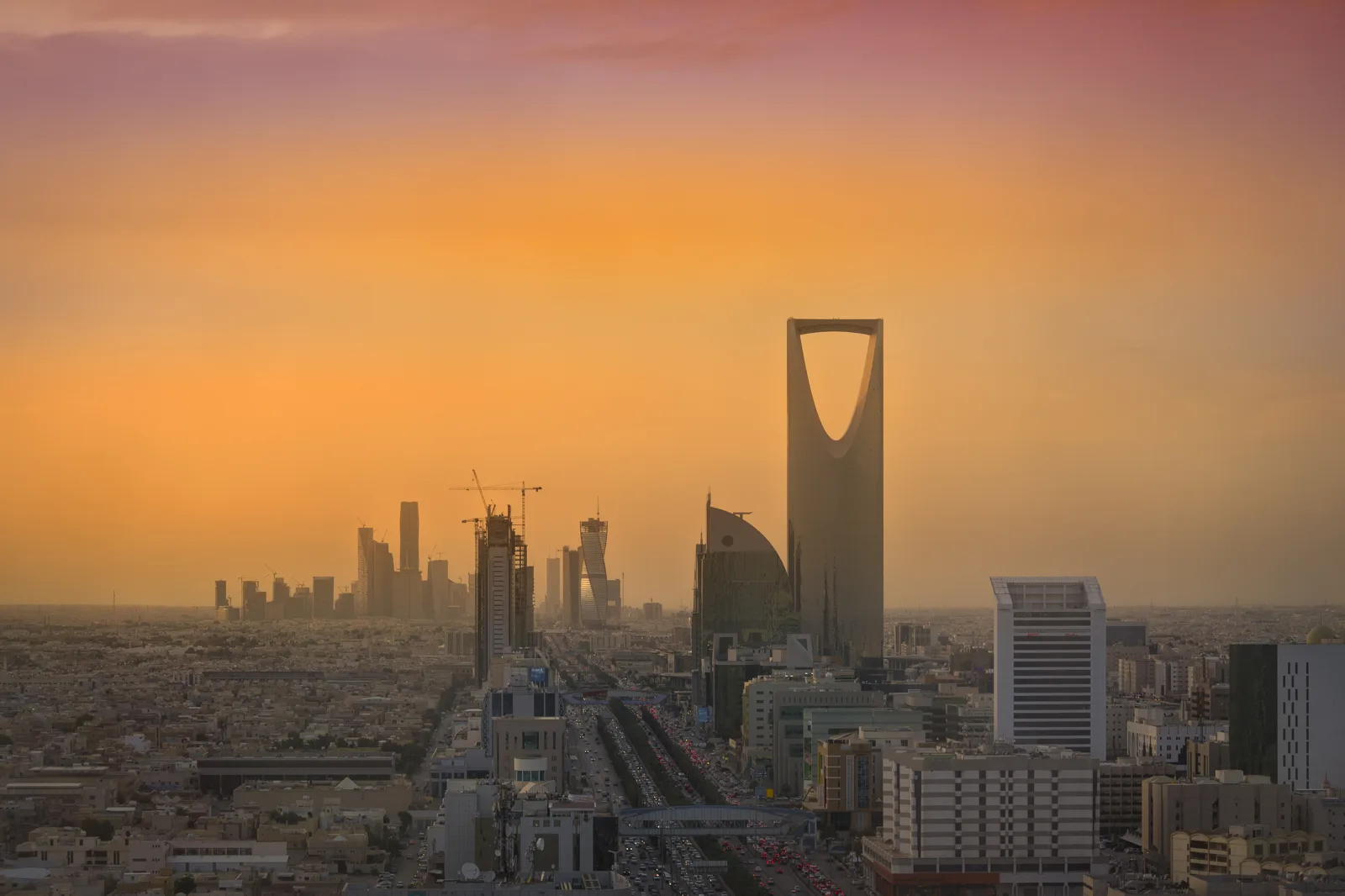
The Houthis are attacking Saudi Arabia so effectively because Iran spent more than a decade helping them reach near self-sufficiency in producing and deploying advanced weapons, while the region's air defences have been stretched by a year of war, weapons and regional experts told Reuters. In the past week the movement that controls northwestern Yemen has attacked Riyadh's international airport and hit the headquarters of Saudi Aramco, the world's largest oil company — strikes that have exposed the kingdom's vulnerability to its neighbour and disrupted the investment-hub image Riyadh has been building.
How did the Houthis learn to build advanced weapons?
They were taught, over years, by Iran and its allies. Iran has given the Houthis — formally Ansar Allah — weapons, money and training for more than a decade, although Tehran has officially denied arming them in violation of a UN arms embargo, Reuters reported. Iran's Revolutionary Guards and members of Lebanese Hezbollah initially transferred knowledge of missile systems and their operation, said Andreas Krieg, a senior lecturer in security studies at King's College London. Former Yemeni military engineers and a growing generation of locally trained specialists then institutionalised the capability. The strategy, a former adviser to the Revolutionary Guards told Reuters, included teaching the Houthis to assemble dual-use parts into drones and even ballistic missiles, so that the capability would survive even if direct supply routes from Iran were cut or shipments seized. The Houthis themselves have previously denied being an Iranian proxy and say they develop their own weapons.
Do the Houthis rely only on Iran for parts and technology?
No — diversification is part of the explanation. The Conflict Armament Research organisation said in a report this week that the Houthis were attempting to make advanced medium-range ballistic missiles using parts shipped from China, after Yemen's internationally recognised government seized one such shipment. China has emerged as a particularly important commercial source, Krieg said, while Iran continues to provide the specialised military technology and components that are difficult to obtain commercially. The Houthis have also experimented with artificial intelligence to improve their weapons: Anthropic said last month that a cell of threat actors based in northern Yemen had used its Claude AI assistant to help develop software for a guided rocket, a planned ballistic missile with a range of more than 2,000 km, and a missile variant incorporating a hypersonic glide vehicle, Reuters reported. The Saudi-led coalition, for its part, says the Houthis acquired advanced technology with the help of regional actors, and says it has destroyed 127 Houthi weapons storage facilities and launch platforms.
Why have Saudi defences not kept them out?
Part of the answer is arithmetic. The United States has used large amounts of the missile interceptors it deploys in the region to protect its bases and allies since the war that began when the US and Israel attacked Iran in late February, leaving some partners vulnerable — Saudi Arabia in particular, experts told Reuters. Geography compounds the problem: Saudi Arabia's sheer size makes defence against air attacks harder than defending Israel or a single US base, said Farzan Sabet, a Middle East expert at the Geneva Graduate Institute, and the kingdom's integrated air defence network is not yet at the level of Israel's or Ukraine's. Against that, the Houthis have accumulated a decade of war experience — fighting Saudi-backed forces from 2014, then, after 2023, firing at Israel and at Red Sea shipping — and used the intervals to diversify supply chains and make their weapons more sophisticated.
What is the campaign meant to achieve?
The attacks are about more than Yemen, according to Saudi, Iranian and regional sources cited by Reuters. By targeting infrastructure and the investment events at the centre of Saudi Arabia's economic ambitions, the Houthis and Iran aim to pressure Crown Prince Mohammed bin Salman both to meet Houthi demands in Yemen and to persuade Washington to ease the US blockade constraining Iran's economy. The Houthis' own demands, those sources said, include an end to Saudi operations and restrictions on Yemeni ports and airports, restored salary payments and war compensation. Saudi leaders, sources familiar with their thinking said, now see military pressure as the only viable option, while the United States has shown little appetite for another sustained campaign against the Houthis. That leaves a contest of endurance in which, as one former US negotiator put it to Reuters, the asymmetry favours the side with less valuable infrastructure to lose.
This explainer is drawn from two Reuters analyses opened and read for this article, both published October 15: the weapons-capability analysis and the pressure-point analysis. Expert assessments are attributed to the named experts as Reuters reported them; the Houthis' denial of proxy status, Iran's denial of arming them, and the coalition's claims are reported as those parties stated them. The market snapshot figures are snapshots checked at publish time, not live prices. This article is not financial advice. The FAQ answers are drawn only from the article's own text.