Ukraine will keep attacking Russia's oil refineries despite Donald Trump's deal with Vladimir Putin to release Russian diesel onto world markets, a senior Ukrainian official told the Financial Times: "We will burn [Russian] refineries." The vow, reported by the FT, sets Kyiv on a direct collision course with Washington, where Trump has repeatedly demanded the refinery campaign stop — and on Saturday suggested Ukraine should "get a new leader."
What is the Trump-Putin diesel deal?
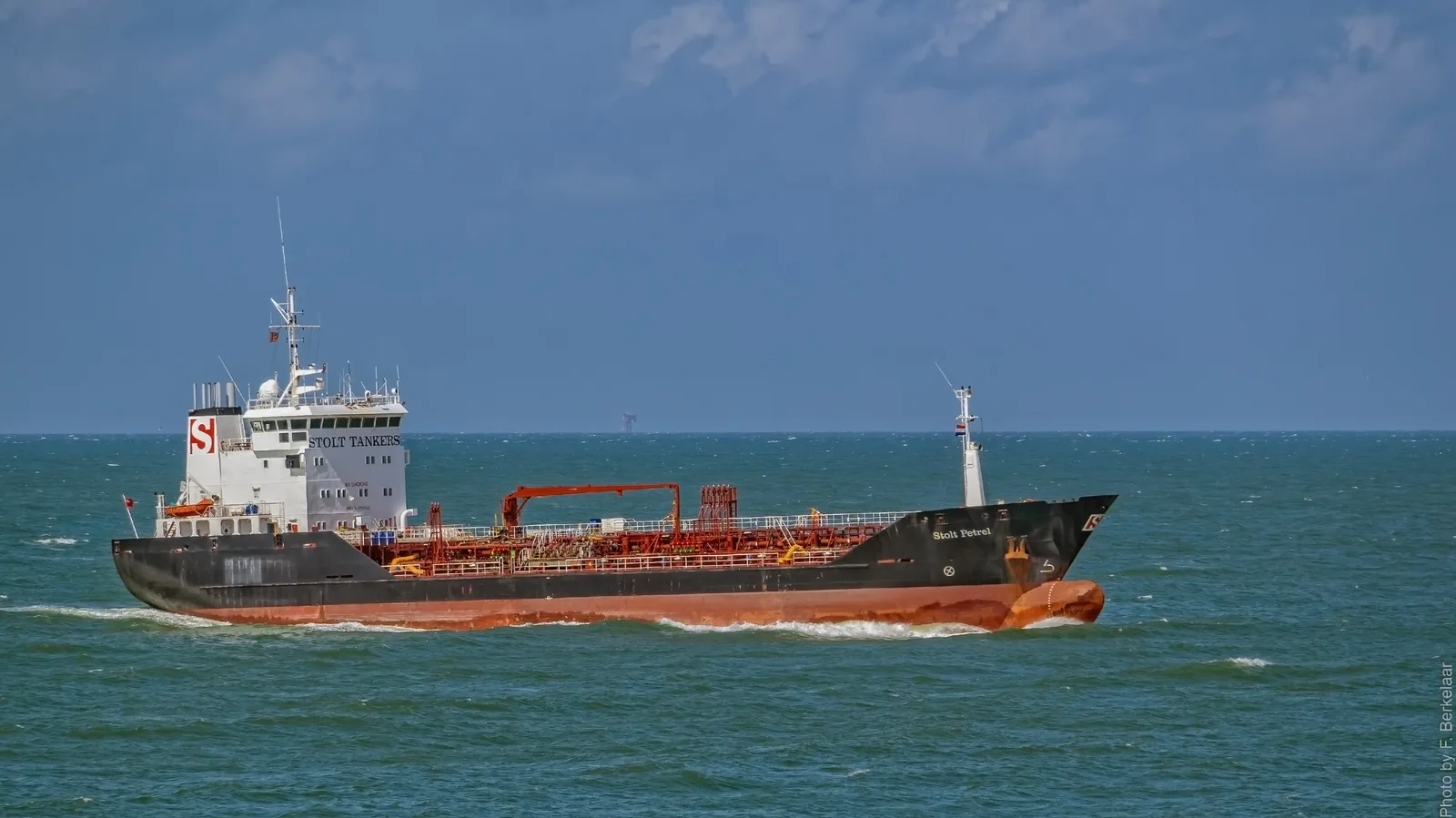
Trump announced on Friday, after a phone call with Putin, that Moscow had agreed to "immediately supply" more than 300,000 tons of diesel to global energy markets, with another 500,000 tons promised in November and further volumes after that. The Times reported Trump claimed the total could reach up to 4.8 million tonnes. CNN reported the first two tranches equal about 6 million barrels — roughly a day and a half of US demand, according to the US Energy Information Administration.
The US Treasury then issued a general license authorizing transactions involving Russian diesel through April 7, 2027, the FT reported — an exemption granted only weeks after Trump signed the Lindsey O. Graham Sanctioning Russia and Iran Act of 2026 on September 18, aimed at expanding penalties across Russia's energy, banking and defence sectors. Russia's government said on Saturday it had partially lifted its ban on diesel exports with immediate effect, the AAP reported.
Trump framed the deal as relief for fuel prices ahead of November's midterm elections: "Between our TOTAL CONTROL of the Strait of Hormuz, and this great announcement on Russian Energy, Diesel Prices for Americans and, indeed, the World, will be COMING DOWN, IN RECORD NUMBERS, AND FAST!"
Why is Ukraine striking Russian refineries?
Kyiv treats Russia's petroleum industry as a major source of war revenue and therefore a legitimate military target. Ukrainian officials have long argued that oil and gas money funds Russia's missiles and drones — CNN reported that Kyiv has pressed for tougher sanctions on Russian energy exports on exactly that ground. Ukraine has said it will stop hitting refineries only if Russia stops destroying Ukraine's own energy infrastructure, a reciprocal halt Moscow has not accepted, according to the AAP.
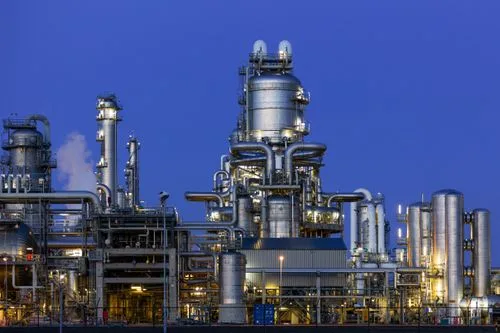
The campaign has bitten. Russia banned diesel exports in early July after Ukrainian drone strikes triggered domestic fuel shortages, CNN reported — cutting roughly 800,000 barrels per day from the global market at a time when supplies were already tight because of the US war against Iran. The FT reported Russian refineries are now running at about 60 percent of installed capacity because of operational halts, emergency repairs and equipment deficits caused by Ukrainian strikes. Maritime diesel shipments, which averaged 2.6 million metric tons a month before 2025 according to Kpler records, have effectively ceased outside rare exceptional consignments.
CNN reported that Kyiv has claimed strikes on five refineries this week alone. Hours after Trump's announcement, Ukraine's armed forces confirmed they had hit the Samara LPDS oil hub near the village of Prosvet on Saturday morning — the second strike on the same facility in days, The Times reported.
Can Russia actually deliver the diesel?
Analysts and traders doubt it. "The biggest question for me is: where are they going to get the diesel from?" Michelle Brouhard, head of policy and geopolitical risk at the energy intelligence firm Kpler, told the FT. "Russia does not have an export problem. It has a refining problem."
Dan Pickering of Pickering Energy Partners estimated the deal represented "perhaps a 5%-6% increase in supply between now and year end" — "helpful but not a needle mover for global diesel markets," CNN reported. Gregory Brew of the Eurasia Group called it "a Band-Aid, nothing more," and said he suspected Putin expected Ukraine to stop the refinery attacks in exchange. Former US officials told CNN it is unclear Putin even has the volumes Trump cited to sell. Diesel futures fell about 4% on Friday after the announcement, CNN reported — a market reaction, not evidence of lasting relief.
How did Zelensky respond?
Zelensky condemned the deal in some of his sharpest criticism yet of the White House. "This only fuels Putin and enables him to wage more war," he said Friday, The Times reported. He called it "a weak decision of strong partners" and said "gifts to Putin will not bring peace or any benefit to the civilised world," warning that "every additional billion dollars Russia can earn from exports will be spent on nothing but sourcing and importing critical components and equipment to manufacture weapons."
He also accused Washington of negotiating in bad faith: the deal was announced while a Ukrainian delegation was in Miami for talks with US envoy Steve Witkoff and Jared Kushner aimed at ending the war. "I believe our team is simply being used as a cover," Zelensky said. "It is certainly not how partners should treat one another."
European allies pushed back too. EU foreign-policy chief Kaja Kallas said lifting sanctions "provides Moscow with more revenues to wage war," adding: "This is not the time to ease pressure on Russia, and Europe won't." The UK said it would maintain its sanctions, and Germany said it would keep pushing for new ones, The Times reported.
Why is Trump angry at Zelensky?
A US official told CNN that Trump had been "fuming" at Zelensky over the refinery attacks before striking the deal — the US repeatedly asked Ukraine to halt them, to no avail, and the continued attacks were part of what led Trump to cut the deal directly with Moscow. "You know what I suggest? I suggest they get a new leader who can make a deal because he could have made many deals and for some reason, he never does," Trump told reporters Saturday. He also said he had told Zelensky: "Do what you want. Don't hit refineries. There's plenty of targets. Don't hit refineries. And he went out and he hit," the AAP reported. "He better damn well stop."
CNN reported that in the Miami meetings on Friday, Witkoff and Kushner told Ukrainian officials that Trump wanted the refinery attacks to stop and that he was preparing to allow Russia to sell its diesel, according to the US official.
What happens next?
The two sides are now openly working at cross purposes: Washington is treating Russian diesel as additional supply for a tight market, while Kyiv keeps degrading the refineries meant to produce it. Ukraine struck the Samara hub on Saturday morning, after the deal was announced — and the FT's reporting suggests more strikes are coming. Analysts quoted by CNN and the FT agree the diesel volumes are unlikely to move prices much; the political damage — to US-Ukraine trust, and to the sanctions regime the US itself tightened weeks ago — may prove the larger consequence.
The "we will burn" vow is reported by the Financial Times, citing a senior Ukrainian official; the FT's original is paywalled and was read via the Kyiv Post version. Casualty and damage claims about specific strikes are the Ukrainian armed forces' accounts unless otherwise noted. Diesel futures' Friday move is reported as market reaction by CNN, not as evidence of the deal's lasting effect. This article carries no financial content and makes no investment recommendations.