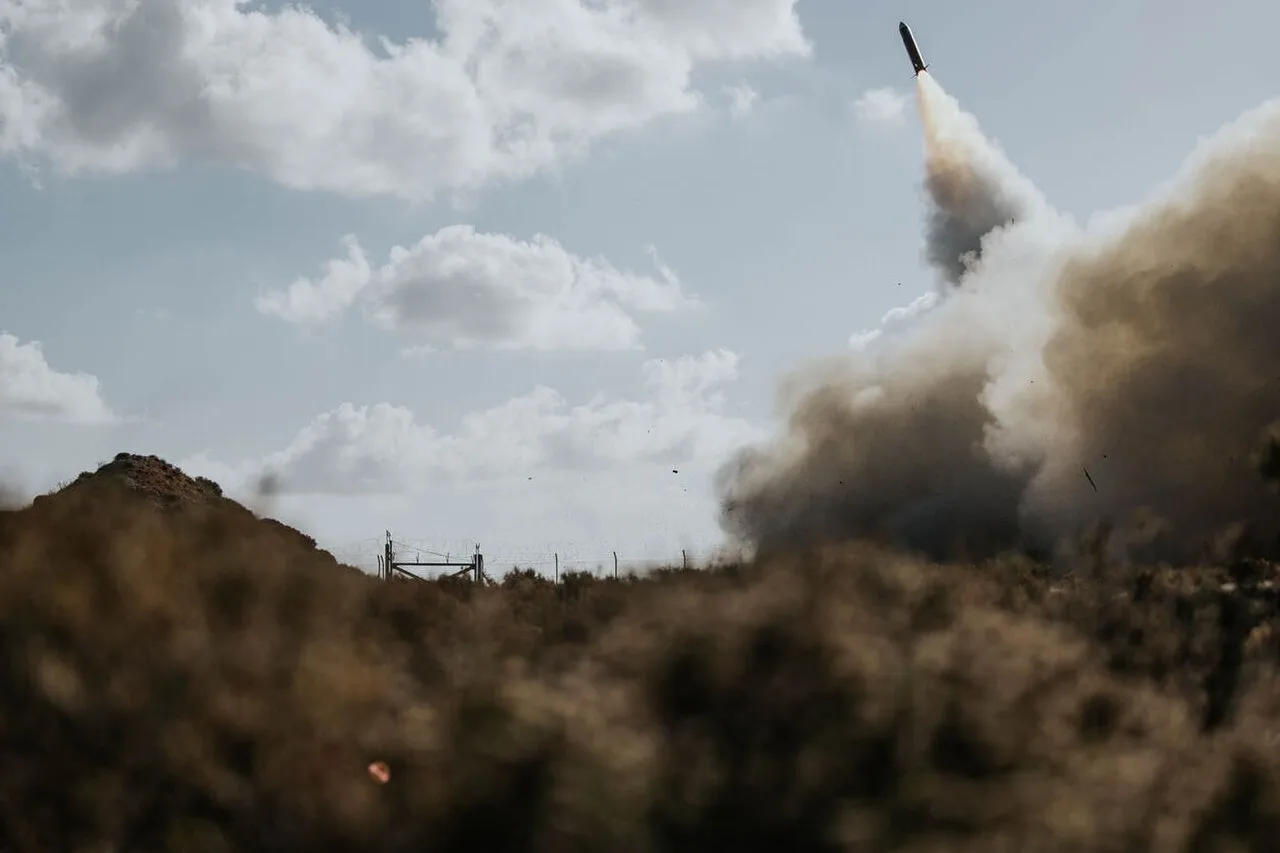
The Patriot missile system, explained in one line: it is the West's principal shield against ballistic missiles — and in 2026 two wars at once have fired it close to empty. Ukraine is waiting on a US sign-off for resupply while Russia strikes its power stations; Gulf states burned through most of their interceptors in the Iran war's first weeks; and the production line that refills everyone's magazines is the same one. This explainer sets out what a Patriot battery actually is, what its two interceptor families do differently, what they cost, and why the arithmetic of $4 million shots against nightly barrages has become one of the central material facts of both wars — all drawn from Reuters' factbox reporting and the Congressional Research Service's assessment of the system.
What is a Patriot battery made of?
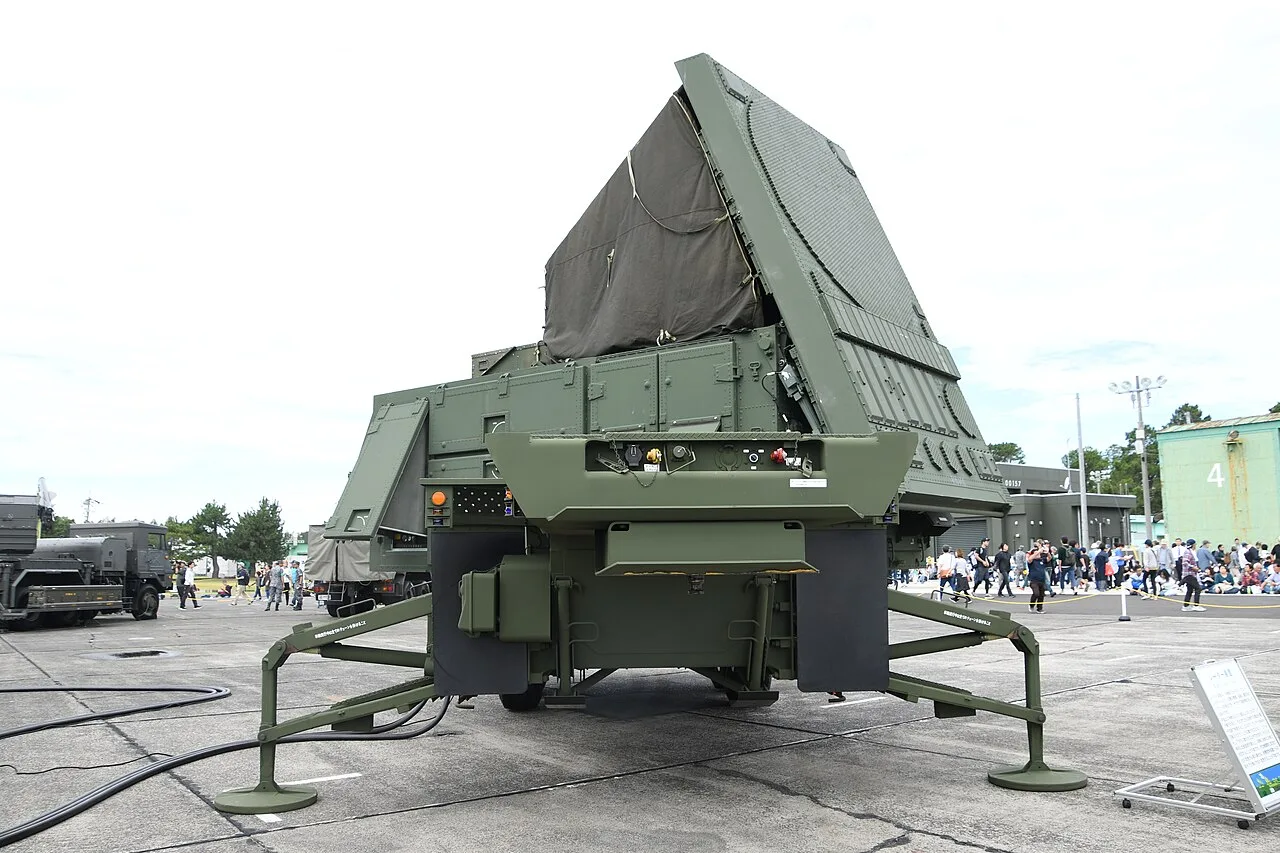
A battery is a small convoy, not a single launcher. Patriot — short for Phased Array Tracking Radar for Intercept on Target — is a mobile surface-to-air missile defence system built by US weapons maker Raytheon Technologies that can be used in all kinds of weather and at long range, Reuters reported. Developed in the 1980s, modernised over the decades since, and slated to remain in service through 2048, a typical battery includes radar and control systems, a power unit, launchers and support vehicles; the Congressional Research Service adds that development began in the 1960s, the first battalion was activated in May 1982, and each vehicle-transported launcher can accommodate 4 to 16 interceptors depending on the missile variant, ready to fire in less than 9 seconds. The system can intercept aircraft, tactical ballistic missiles and cruise missiles, depending on the interceptor used. Its combat debut set the template for everything since: in January 1991, the Army recounts, Patriot intercepted and destroyed an Iraqi Scud missile fired at Saudi Arabia — the first time an air defence system had destroyed a hostile tactical ballistic missile.
How does it kill a ballistic missile?
Two different ways, depending on which interceptor is in the tube. The earlier PAC-2 interceptor uses a blast-fragmentation warhead that detonates in the vicinity of a target — close is good enough. The PAC-3 family uses more accurate "hit-to-kill" technology to physically collide with the target, which is what a warhead arriving at ballistic speed demands. Raytheon makes the PAC-2 GEM-T interceptor, which can defeat smaller, short-range ballistic missiles, cruise missiles or enemy aircraft; Lockheed Martin, the world's largest arms maker, builds the more advanced PAC-3 Missile Segment Enhancement (MSE), which can hit longer-range ballistic missiles, cruise missiles, aircraft and also hypersonics, Reuters reported. In July, Lockheed introduced a new interceptor, the PAC-3 Adapted Capability Effector (ACE), which it says will cost half as much while still targeting short-range ballistic missiles, aircraft and cruise missiles. The battery's radar has a range of over 150 km (93 miles) and can simultaneously track up to 100 potential targets, NATO said in 2015. Although not originally designed to intercept hypersonic weapons, in May 2023 the US confirmed Ukraine had used Patriot to shoot down a Russian Kinzhal missile, which Moscow claims is hypersonic. Countries closely guard their kill counts, although Ukraine said in January it had destroyed 250 targets, including 140 ballistic missiles, and Patriot has also destroyed dozens of Iranian ballistic missiles in the Gulf, Reuters reported.
What does it cost — per battery, and per shot?
More than $1 billion to field, and millions every time it fires. A newly produced single Patriot battery costs over $1 billion, including $400 million for the system and $690 million for the missiles in a battery, according to the Center for Strategic and International Studies (CSIS). Patriot PAC-3 interceptors are estimated at around $4 million to $5 million per missile, Reuters reported. That unit economics is the system's strategic weakness as much as its strength: the interceptor is a precision instrument built to kill the most dangerous targets in the sky, and there is no cheap way to fire it. Nineteen countries now operate Patriot, according to Raytheon — including the US, Germany, Poland, Ukraine, Japan, Qatar, Saudi Arabia and Egypt — Raytheon has built and delivered over 240 fire units, sixteen operators hold the newest PAC-3 MSE, and six to eight countries have requested additional missiles to replenish depleted stocks. Every one of those requests competes for the same production.
Why are the magazines empty?
Because 2026 fired them faster than any plan assumed. First used in the 1991 Gulf War, the system has seen demand spike sharply this year, with supplies of interceptor missiles depleted by Ukraine's war against the Russian invasion and the widening war in the Middle East, Reuters reported; Ukraine is urgently seeking more interceptors against a nightly barrage of Russian ballistic missile strikes, the Iran war has drained arsenals in the US and the Gulf, and some European countries are holding onto missiles they may need for their own defence. Specific inventory numbers are classified, but CSIS estimates that about 65 percent of US Patriot interceptors were expended between February and July, with less than 850 left on hand, down from 2,330 before the Iran war began. Saudi Arabia used about 86 percent of its 2,800 PAC-3 interceptors in the first 38 days of combat, leaving it with 400 missiles in April, and other Gulf nations used up similar amounts, CSIS said. The replenishment machine is now moving at wartime scale: the US has approved the sale of 5,250 interceptors to Bahrain, Kuwait, Qatar and the UAE; the US is pressing ahead with talks on allowing Ukraine to make Patriot interceptor missiles, including an option to build some components for final assembly elsewhere in Europe; and the US Army has awarded Lockheed Martin a contract worth up to $58.6 billion to produce Patriot interceptor missiles, Reuters reported. Until those lines deliver, the shield is rationed — which is why a signature in Washington, a production slot in Arkansas, and a power station in Kharkiv are, in 2026, the same story told at three different speeds.
This explainer is drawn from Reuters' August 7, 2026 factbox on the Patriot system, opened and read in full via a verbatim carrier, and the Congressional Research Service's August 27, 2026 assessment of the US Army's Patriot system, read via EveryCRSReport. Inventory figures are CSIS estimates as reported by Reuters — the underlying numbers are classified — and are published as estimates. Cost figures are the CSIS estimates Reuters reported. No claim in this article rests on a single manufacturer's marketing material; where a maker's claim is used (the PAC-3 ACE's halved cost, Raytheon's delivery and operator counts) it is attributed to its maker or to Raytheon via Reuters.