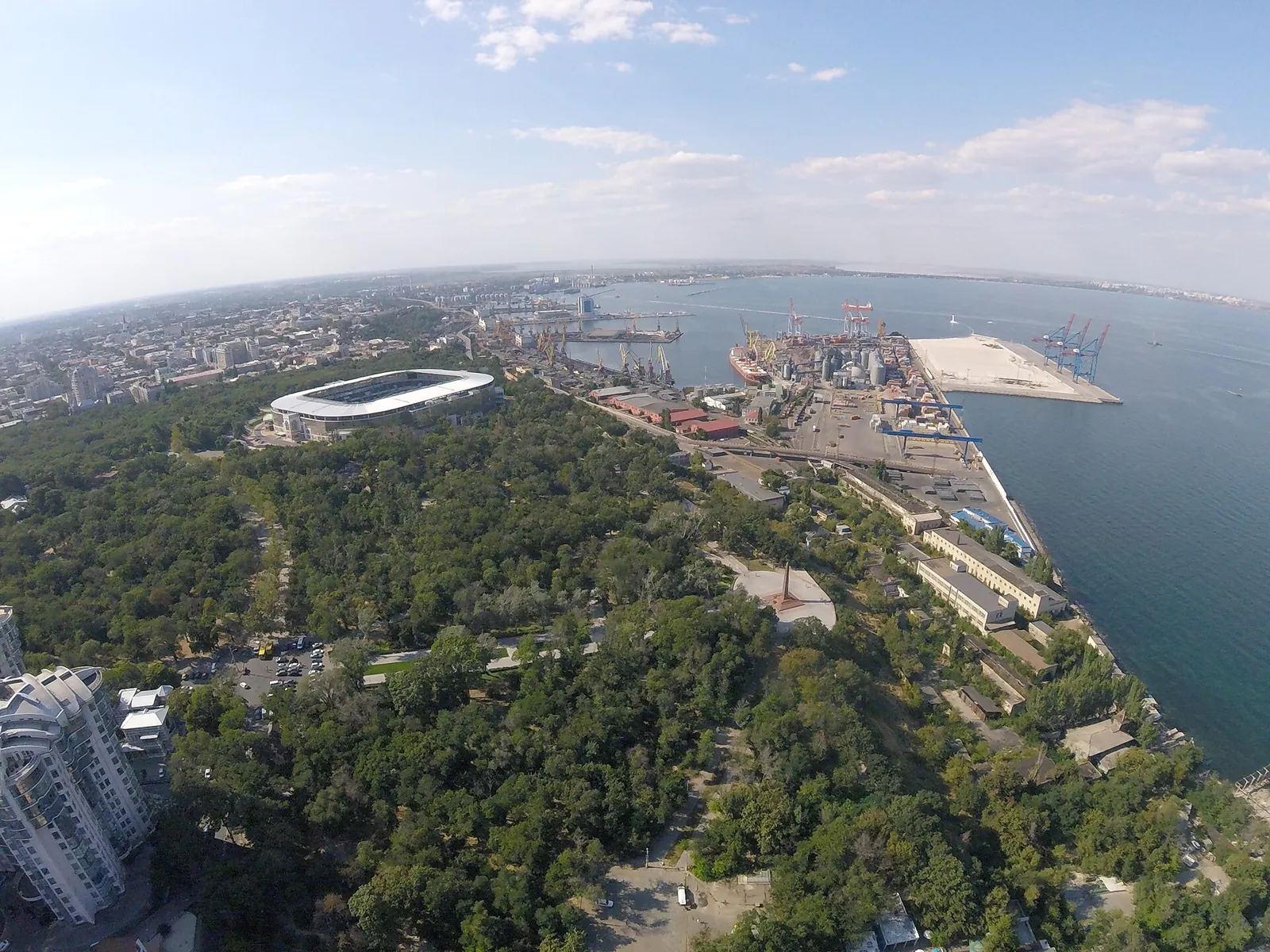
Ukraine says Russia hit two grain ships near Odesa: Russia attacked two foreign cargo ships carrying more than 100,000 metric tons of grain overnight near Ukraine's Black Sea port of Odesa, Ukrainian Prime Minister Sergiy Koretskyi said on Thursday, Reuters reported. The claim is tracked on this site's Ukraine hub and set against the background of our Ukraine war explainer. Koretskyi did not say where the grain originated nor where the vessels had loaded their cargo, the ships were not named in the dispatch, and Russia says it does not attack civilian targets — the strike attribution is Ukraine's, stated here with that limitation, because no independent confirmation was in the reporting opened.
What did Ukraine say happened?
The two vessels were foreign cargo ships carrying more than 100,000 metric tons of grain between them, attacked overnight near Odesa, on the prime minister's account. That is the whole of the incident detail Reuters carried: no vessel names, no flags, no damage assessment and no casualty report were in the dispatch. What the dispatch did carry is the context that makes two loaded grain ships near Odesa notable at all — on Kyiv's own account, there were not supposed to be many.
Ukraine has said grain shipments from its key Black Sea ports around Odesa have all but stopped since late July after Russia sharply intensified attacks on grain terminals and merchant vessels. Before the escalation, the three ports in the Odesa hub handled about 90% of Ukraine's agricultural and metallurgical exports. Kyiv has not formally banned port operations, but shipowners have avoided the ports because of security risks, while soaring insurance costs have deterred traders. President Volodymyr Zelenskiy said earlier this year that shipments from Odesa ports were taking place only intermittently, while Agriculture Minister Taras Vysotskiy has said no exports were moving through them. This site has tracked the same pattern at sea, including the loss of the grain ship Royad Mammadov in the Black Sea in October.
Why were grain ships near Odesa at all?
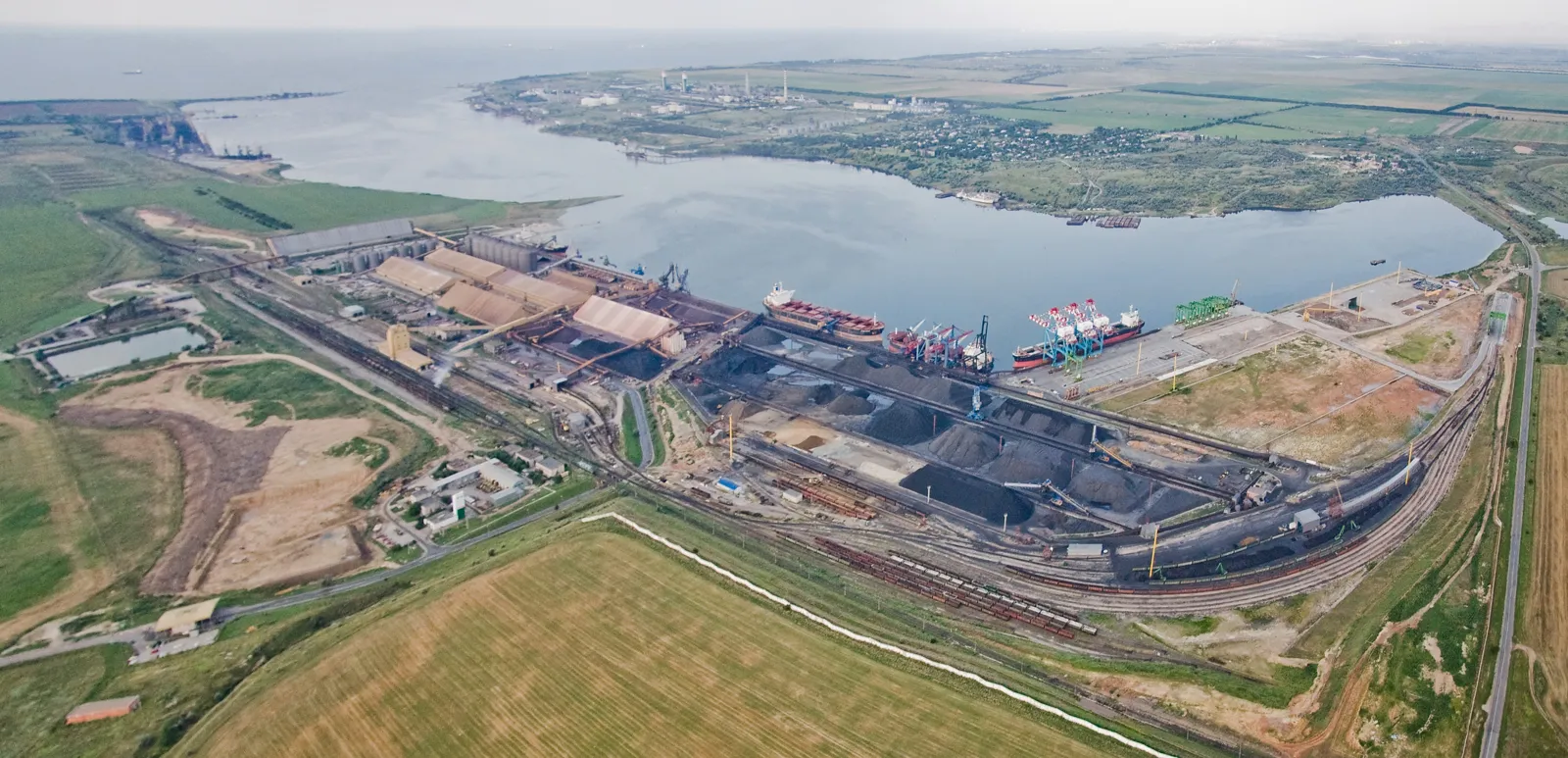
Because the grain is still moving toward the coast, even if the ships largely are not. Analysts' data show that Ukraine's state railway continues to transport grain towards Black Sea ports, and consultancy APK-Inform reported this week that 429 grain wagons were dispatched towards Odesa between November 12 and November 18, four times the level recorded a week earlier, Reuters reported. Ukraine does not publish official data on shipments from its Black Sea ports, saying agricultural exports have instead been redirected to Danube River ports or moved by rail across land borders with eastern European countries.
The season totals show the cost of the rerouting. Official data showed Ukraine had exported 7.6 million tons of grain so far in the 2026/27 July-June season, down from 11.5 million tons in the same period a year earlier — a shortfall of about a third, on the figures Reuters carried. Against that background, two foreign ships loaded with over 100,000 tons between them represent exactly the traffic Kyiv says has all but stopped: rare enough that their reported presence near Odesa, and the reported attack on them, is the news.
What is unverified
The attack itself rests on a single chain: the Ukrainian prime minister's statement, carried by Reuters, with no vessel names, no damage report and no independent confirmation in the dispatch opened. Russia's standing position — that it does not attack civilian targets — is recorded above, and the dispatch carried no Russian statement about these two ships specifically. This article therefore reports the claim as Ukraine's claim. The export figures, the late-July stoppage account and the rail-wagon data are reported as Reuters carried them, attributed to the officials and consultancy named. The wheat figure in the box above is Wednesday's CME settlement, checked at publish time; the exchange was closed on Thursday for the US Thanksgiving holiday, and nothing here is financial advice.
Sources: Reuters (Tier 1, 26 November 2026, Odesa grain-ships dispatch read in full on reuters.com) for Koretskyi's statement and its limits, Russia's position, the late-July stoppage account, the 90% pre-escalation share of the Odesa hub, the Zelenskiy and Vysotskiy statements, the APK-Inform wagon figures and the 7.6 million vs 11.5 million ton season totals. Chicago wheat settlement (Wednesday, November 25) via the CME settlement data carried in market reporting opened in this run; the CME was closed Thursday, November 26 for US Thanksgiving.