Key takeaways
- Iran's nuclear program is now the world's most opaque proliferation risk: IAEA chief Rafael Grossi said on September 7, 2026, that his agency has been "completely blind" to it for more than a year.
- The last verified inventory recorded about 440 kg of uranium enriched to 60% — a short technical step from weapons-grade 90% — and the agency cannot confirm whether that stockpile has grown, shrunk or been moved.
- In June 2025, Israel and then the United States struck Fordow, Natanz and Isfahan; Iran responded by suspending IAEA cooperation in law, and inspectors have been barred from key sites since.
- On September 9, 2026, the IAEA Board of Governors reported Iran's safeguards non-compliance to the UN Security Council — the first such referral in 20 years. Russia, China and Niger voted against.
Contents
- What Iran's nuclear program looks like in 2026
- Breakout time: what the phrase actually means
- How the inspectors lost sight
- The September 2026 referral and what comes next
- What to watch
Iran's nuclear program has been a point of international concern since 2003, but it has never been this hard to see. After military strikes, a parliamentary law suspending cooperation, and more than a year without inspectors, the world's nuclear watchdog cannot verify what Iran holds, where it holds it, or what it is doing with it.
What Iran's nuclear program looks like in 2026
Three sites dominate the picture. Fordow, buried under a mountain near Qom, was built to withstand air attack. Natanz, Iran's primary enrichment complex, housed the bulk of its centrifuges. Isfahan's nuclear technology center handled uranium conversion and related research — and its tunnel complex, where uranium enriched to 20% and 60% had been stored, became a particular focus of IAEA concern, with satellite imagery showing regular vehicle activity around tunnels the agency could not access.
What the IAEA could verify, before access ended, was this: Iran was enriching uranium up to 60% U-235 and held more than 400 kg of it — the agency's last detailed accounting, dated June 13, 2025, recorded 440.9 kg at 60% and a total enriched-uranium stockpile of 9,874.9 kg across all levels. Iran is a signatory of the Nuclear Non-Proliferation Treaty, which prohibits it from developing nuclear weapons, and it has consistently denied any intention to build them. The IAEA, for its part, documented enrichment levels and stockpile sizes but did not declare that a nuclear weapons program existed — instead emphasizing that higher enrichment and larger stockpiles shorten the technical time needed to produce weapons-grade material, and that missing access prevents independent accounting.
Breakout time: what the phrase actually means
"Breakout time" is the most quoted and most misunderstood term in the standoff. It means one specific thing: the time Iran would need to produce enough weapons-grade uranium — typically defined as 90% U-235 or above — for a single nuclear device. It does not mean the time to a working bomb, let alone a deliverable warhead, which would require additional months to years of weaponization work.
The reason 60% enrichment matters so much is physics, not politics: most of the effort in enrichment goes into the early stages, so uranium already at 60% requires comparatively little additional work to reach 90%. External analysts, such as the Institute for Science and International Security (ISIS), have translated the IAEA's measured enrichment data into potential weapons-grade equivalents — but that translation is an analytical assessment built on the agency's figures, not an IAEA finding of a weapons program.
After the strikes, honest estimates come with wide uncertainty bands: the stockpile's status is unverified, centrifuge capacity is damaged to an unknown degree, and no inspector has been inside the key sites for over a year. Anyone quoting a precise breakout number today is guessing past an information gap the IAEA itself cannot close.
How the inspectors lost sight
The blindness has a clear chronology. In June 2025, Israel launched strikes on Iranian nuclear targets, and on June 21–22 the United States followed with Operation Midnight Hammer: B-2 Spirit stealth bombers dropped GBU-57 Massive Ordnance Penetrator bunker-buster bombs — twelve on Fordow, two on Natanz — while a submarine launched around 30 Tomahawk cruise missiles at Isfahan. The sites were chosen precisely because they were previously inaccessible to Israeli forces: U.S. intelligence assessed that key components were buried deep underground, requiring specialized munitions.
Iran's response was to shut the inspectors out — and then to lock the door in law. Parliament approved a law suspending IAEA cooperation in June 2025, fully ratified the following month, converting a diplomatic posture into a binding legal framework that Iranian officials cannot reverse unilaterally. Since then, inspectors have been denied access to Fordow, Natanz and Isfahan. Iran also terminated the Cairo Agreement framework, a partial workaround that had provided limited monitoring during earlier periods of tension. Foreign Minister Abbas Araghchi and Atomic Energy Organization head Mohammad Eslami have said publicly that cooperation will only resume once specific protocols are established for sites damaged in military strikes — and once political negotiations, specifically around sanctions relief, yield concrete results.
The result is what Grossi calls the loss of "continuity of knowledge": once inspectors lose track of a nuclear inventory for this long, reconstructing an accurate baseline becomes genuinely difficult. As of September 2026, the agency could not confirm whether the 440 kg stockpile had grown, shrunk, been further enriched, or been moved.
"Completely blind." — IAEA director general Rafael Grossi, describing on September 7, 2026 how long his agency has been without visibility into Iran's nuclear program
The September 2026 referral and what comes next
On September 9, 2026, the IAEA's 35-member Board of Governors voted to formally report Iran's safeguards non-compliance to the UN Security Council — the first such referral in two decades. At least 23 countries voted in favor; Russia, China and Niger opposed it. The resolution cited Iran's failure to provide material accounting, its refusal to grant access to nuclear sites, and its disruption of monitoring systems, including disabled cameras. The board had already found Iran in non-compliance in June 2025 and adopted further resolutions in November 2025 and June 2026; each gave Tehran more time, and none produced movement.
The referral is a statutory reporting step under the IAEA's founding rules — it does not itself impose sanctions, and any punitive follow-through at the Security Council faces the near-certain vetoes of Russia and China, who voted against the referral at the board. Its significance is diplomatic: Iran's nuclear file now formally sits with the Security Council again, and the board's patience — deferred repeatedly since June 2025 — is officially exhausted.
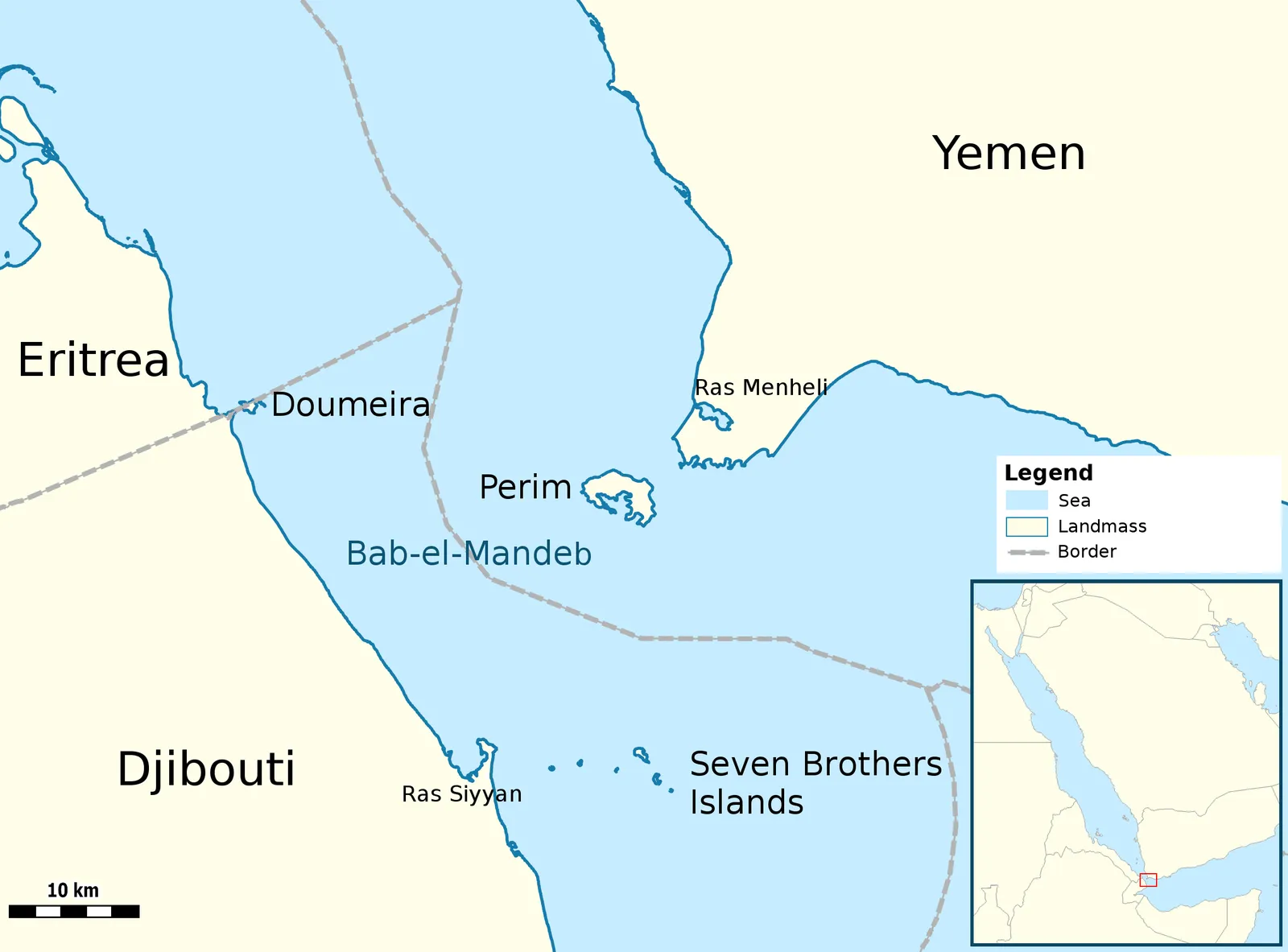
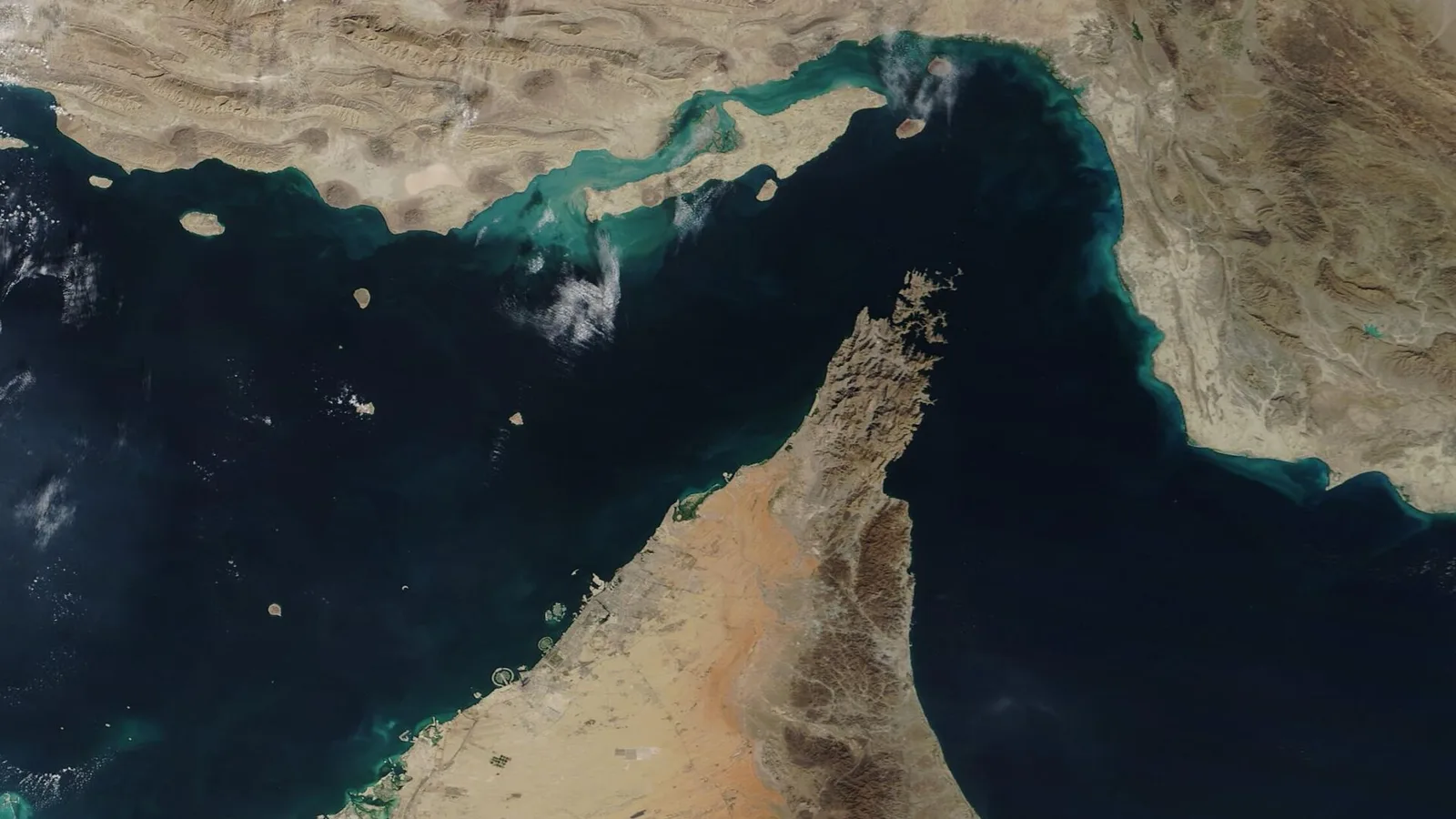
The standoff is also entangled with the region's wider conflicts. Iran's enrichment program, its missile arsenal, its backing of the Houthis in Yemen and Hezbollah in Lebanon, and the contested Strait of Hormuz form a single escalation web. That linkage is precisely why the inspection blackout matters beyond Vienna — without verification, every party is planning against worst cases.
What to watch
Three developments would signal movement. Access: any IAEA return to Fordow, Natanz or Isfahan — even under negotiated protocols — would begin restoring continuity of knowledge; Iran conditions this on sanctions progress. The stockpile: satellite imagery of the Isfahan tunnels and enrichment sites is now the only window into the program, and analysts will be watching for construction or vehicle activity suggesting reconstitution. The Council: whether the Security Council referral produces new sanctions, a negotiating framework, or simply another vetoed stalemate will show whether the international system still has leverage — or whether the world's most watched nuclear program will stay unwatched.