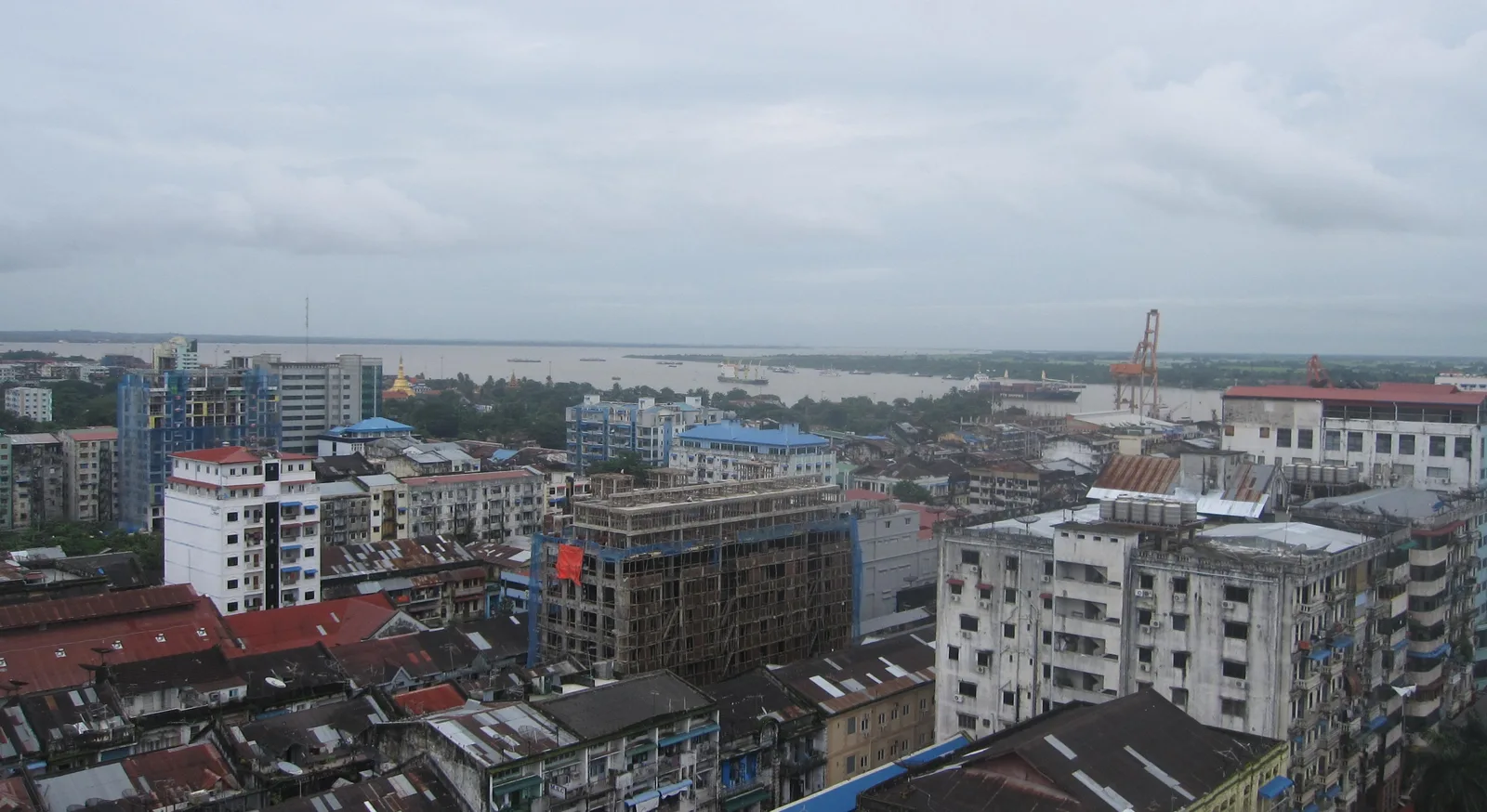
Myanmar's civil war is one of the deadliest conflicts in the world — and one of the least covered. Since the military seized power in a February 2021 coup, ousting the elected government led by Aung San Suu Kyi, a nationwide resistance movement has hardened into a multi-front civil war between the military government and an array of armed ethnic and pro-democracy groups. More than 100,000 people have been killed, according to the Armed Conflict Location and Event Data (ACLED) project.
On September 28, 2026, the war's brutal logic was on display again: a military airstrike near a market in the town of Kyauktaw, in western Rakhine state, killed at least 33 people and wounded 36, according to the rebel group that controls the area and a local aid worker. The strike landed far from active fighting — a pattern that defines how Myanmar's civil war is now fought.
Key takeaways
- The September 28 airstrike on Kyauktaw's market killed at least 33 and wounded 36, according to the Arakan Army and aid worker Wai Hun Aung. Reuters could not independently verify the details.
- Myanmar's civil war pits the military junta against a fragmented resistance: ethnic armed groups like the Arakan Army plus pro-democracy People's Defence Forces aligned with the shadow National Unity Government.
- The junta is losing ground and leaning on air power. The Arakan Army has captured 14 of Rakhine state's 17 townships since its November 2023 offensive; airstrikes are the military's answer to territorial losses it cannot reverse on the ground.
- The human cost keeps rising: nearly half a million displaced in Rakhine alone, per UN data, and a UN assessment in August that Myanmar's human rights situation had sunk "to a new low."
Contents
- The junta, the resistance — and the neighbors
- The Myanmar civil war's air campaign
- Why airstrikes keep hitting markets
- The human cost, and what to watch
The junta, the resistance — and the neighbors
The junta. Myanmar's military, the Tatmadaw, took power in the 2021 coup and has ruled by force ever since. Its chief, Min Aung Hlaing, was elected president by a military-backed parliament in April 2026, formalising his grip on power after five years of army rule. The military has previously said it strikes only legitimate military targets, accused resistance groups of "terrorism," and — in response to the Kyauktaw strike — told Reuters through past statements that it "exercises maximum restraint to avoid civilian harm." A government spokesperson did not immediately respond to Reuters' request for comment on the September 28 attack.
The resistance. It has two broad wings. The ethnic armed organizations — long-established armies representing Myanmar's minority peoples — include the Arakan Army (AA), which seeks autonomy for Rakhine's ethnic Rakhine minority and is described as well-trained and well-armed. The second wing is the pro-democracy resistance: People's Defence Forces (PDFs) formed after the coup, loosely aligned with the shadow National Unity Government (NUG) of ousted elected lawmakers.
The neighbors. The war does not stop at Myanmar's borders. Rakhine state borders Bangladesh, and the UN has cited "brutal abuse" against the Rohingya minority — hundreds of thousands of whom fled to Bangladesh in earlier waves of violence. China and Thailand, which border Myanmar's other conflict zones, have been drawn into the crisis through refugee flows and cross-border trade disruptions. Regional diplomacy, led fitfully by ASEAN, has produced ceasefire plans the fighting has repeatedly outrun.
The Myanmar civil war's air campaign
The Kyauktaw strike is the latest and among the deadliest examples of the junta's reliance on air power. According to the Arakan Army, a fighter jet dropped two bombs near the town's local market at noon local time (0530 GMT), killing 33 people — vendors, shoppers and pedestrians — with the toll expected to rise. Wai Hun Aung, a senior rescue official in Rakhine, confirmed the details to the Associated Press, describing the market as the region's main wholesale center, drawing traders and shoppers from across the state.
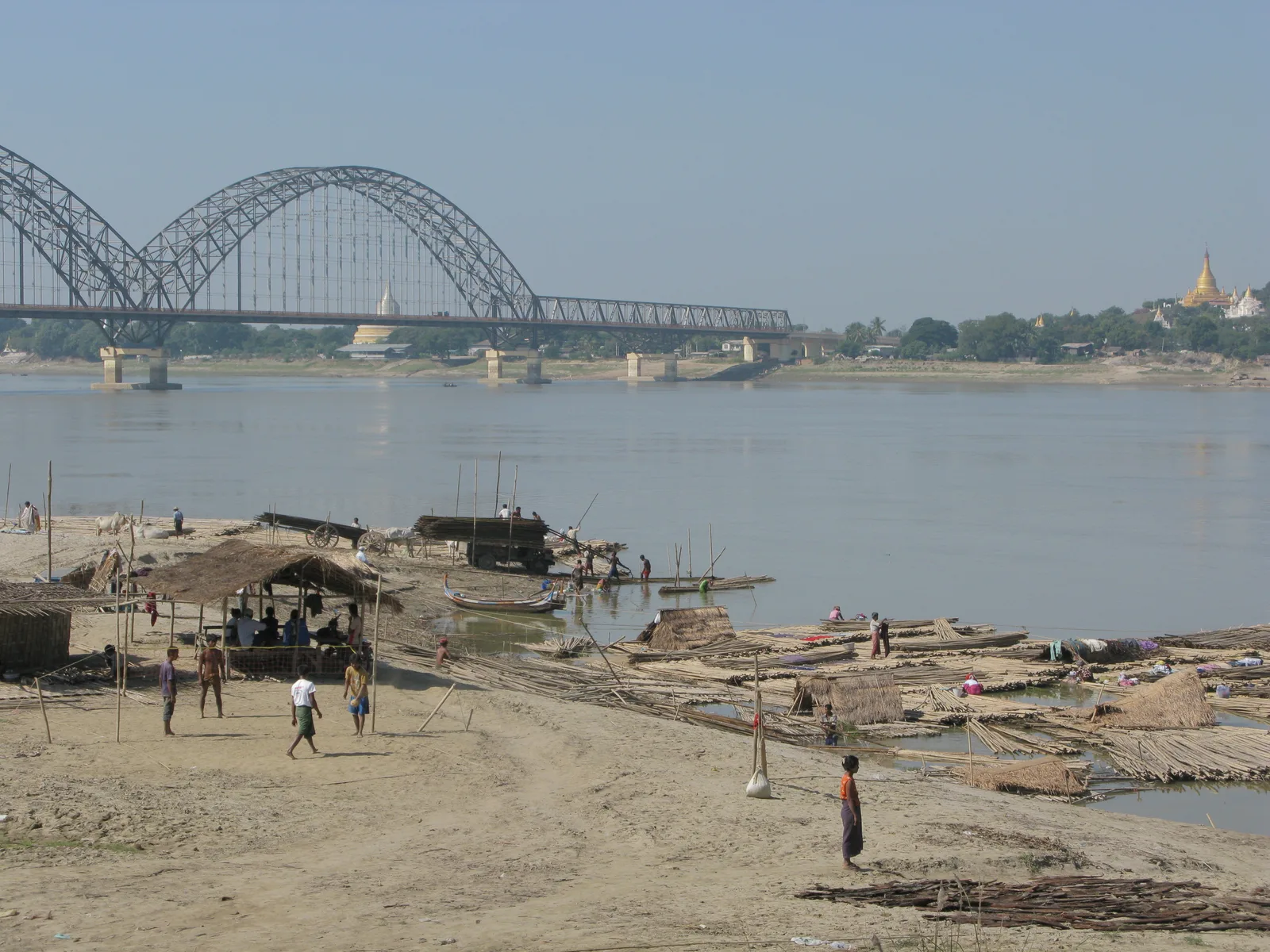
"This location is quite far from the fighting and has nothing to do with the conflict," Wai Hun Aung told Reuters, referring to Kyauktaw, a riverside town in northern Rakhine. "This is one of the most severe airstrikes in Rakhine," he told the AP — with social media footage showing buildings on fire, damaged vehicles and parts of a nearby bridge destroyed.
It was not an isolated incident. The Arakan Army and Wai Hun Aung said the Kyauktaw strike was among the deadliest such incidents in Rakhine since an aerial attack on a hospital in Mrauk U township last December — which killed at least 33 people and wounded 70 others, according to the AP. Reuters, which could not independently verify the details of the Kyauktaw incident, noted the pattern: airstrikes landing on civilian concentrations in territory the military no longer controls.
The military's public line has not changed. It did not immediately comment on Kyauktaw, but has previously said it strikes only legitimate military targets. Independent verification is nearly impossible: journalists and international observers have almost no access to conflict zones, and casualty claims come from the warring parties and local responders.
Why airstrikes keep hitting markets
The air campaign is a symptom of the junta's ground problem. The Arakan Army launched its offensive in November 2023 and has since captured strategically important military headquarters and 14 of Rakhine state's 17 townships. The military has imposed severe restrictions on trade routes into Rakhine since the fighting intensified, worsening food shortages — a siege tactic aimed at a population living under rebel control.
Unable to retake towns it has lost, the junta uses its one uncontested advantage: the sky. Airstrikes punish rebel-held areas, disrupt markets and supply hubs, and signal that no part of AA-controlled territory is safe — even towns far from active front lines, like Kyauktaw. Both sides are now also using drones in the protracted conflict, adding a new layer of low-cost strike capability to a war that was already being fought from the air against civilians.
This is the structural logic of Myanmar's civil war in 2026: a military that cannot win on the ground, a resistance that cannot be bombed into submission, and a civilian population caught between them.
The human cost, and what to watch
The numbers describe a catastrophe. Nearly half a million people are displaced in Rakhine as a result of the conflict, according to United Nations data. Across Myanmar, ACLED's count of more than 100,000 dead makes this one of the world's bloodiest ongoing wars. In August, the UN said the human rights situation in Myanmar had plummeted "to a new low," citing the "brutal abuse" of the Rohingya minority and the devastation of illicit economic activity, including illegal mining for rare earth minerals.
Three things to watch:
- The air campaign's tempo. Whether Kyauktaw marks an escalation or the new normal will show in the strike rate over the coming weeks — and in whether markets and other civilian hubs keep being hit.
- Rakhine's siege. The junta's trade restrictions are strangling food supply into AA-held territory. Famine conditions would compound the displacement crisis on Bangladesh's border.
- The junta's political calendar. Min Aung Hlaing's formal elevation to the presidency in April was meant to project control. The war's trajectory — territorial losses, mass-casualty airstrikes, international condemnation — keeps telling a different story.