Key takeaways
- Yemen's war began in 2014 when the Houthi movement seized the capital Sanaa; a Saudi-led coalition intervened in March 2015. The UN estimated in 2021 that 377,000 people had died as a result of the conflict — nearly 60% from non-military causes like hunger and lack of health care.
- A 2022 truce froze the front lines but never produced a settlement. In September 2026, the Houthis broke out of that stalemate, seizing the Red Sea port of Mokha and driving toward the Bab el-Mandeb strait.
- The new offensive has displaced more than 130,000 people since early September, killed nearly 700 according to the UN, and pushed oil prices from around $70 to $90 a barrel.
- 19.5 million Yemenis — more than half the population — need humanitarian assistance, while the UN's aid appeal is a fraction funded and the Houthis occupy UN offices and hold detained UN staff.
Contents
- The roots of Yemen's war: Sanaa 2014 and the Saudi intervention
- The forgotten front: a humanitarian catastrophe
- The September 2026 escalation: Mokha and the strait
- Blockade, counter-blockade and the WFP warning
- What to watch
Yemen's war is the conflict the world stopped watching — until it forced its way back. For a decade it ground on as a stalemated civil war and a humanitarian catastrophe; then, in September 2026, the Houthis stormed down the Red Sea coast, seized a strategic port, and put one of the world's most important shipping chokepoints under direct threat.
The roots of Yemen's war: Sanaa 2014 and the Saudi intervention
Yemen was formed in 1990 by the merger of North and South Yemen, and north-south tensions never fully healed. After Arab Spring protests forced the president's resignation in 2012, a UN-mediated transition broke down. The Houthi movement — formally Ansar Allah, a Zaydi Shia network rooted in northern Yemen — opposed the transition's outcome, resumed its insurgency, and in 2014 seized the capital, Sanaa, advancing on Aden. Yemen's internationally recognized government leaders fled and requested intervention.
In March 2015, a coalition led by Saudi Arabia began a military campaign against the Houthis, whose cross-border attacks grew in complexity with deepening support from Iran. The United States provided logistical, intelligence and advisory support to the coalition, though it later ended aerial refueling and some arms sales over civilian casualties. The war fractured further: in 2019, Saudi-backed government forces and the UAE-backed separatist Southern Transitional Council fought each other openly; since 2022, an eight-person Presidential Leadership Council has led the internationally recognized government.
A UN-mediated truce in April 2022 halted most fighting and froze the lines of control — some mirroring Yemen's pre-1990 borders — but it expired without producing a settlement. The Houthis' attacks on Red Sea shipping, begun in late 2023 in declared solidarity with Gaza, internationalized the war: the U.S. ran an expanded strike campaign from March to May 2025, then struck an Oman-mediated truce covering U.S. vessels. But as the Congressional Research Service notes, "Yemen's underlying conflict remains unresolved, and the Houthis pose enduring threats to shipping and to U.S. partners."
The forgotten front: a humanitarian catastrophe
Long before the 2026 escalation, Yemen was already what UN agencies called one of the largest humanitarian crises in the world. In 2021, the UN estimated that 377,000 people had died as a result of the conflict — and nearly 60% of those deaths were from non-military causes: lack of food, water and health care. Foreign observers have denounced human rights violations attributed to all parties.
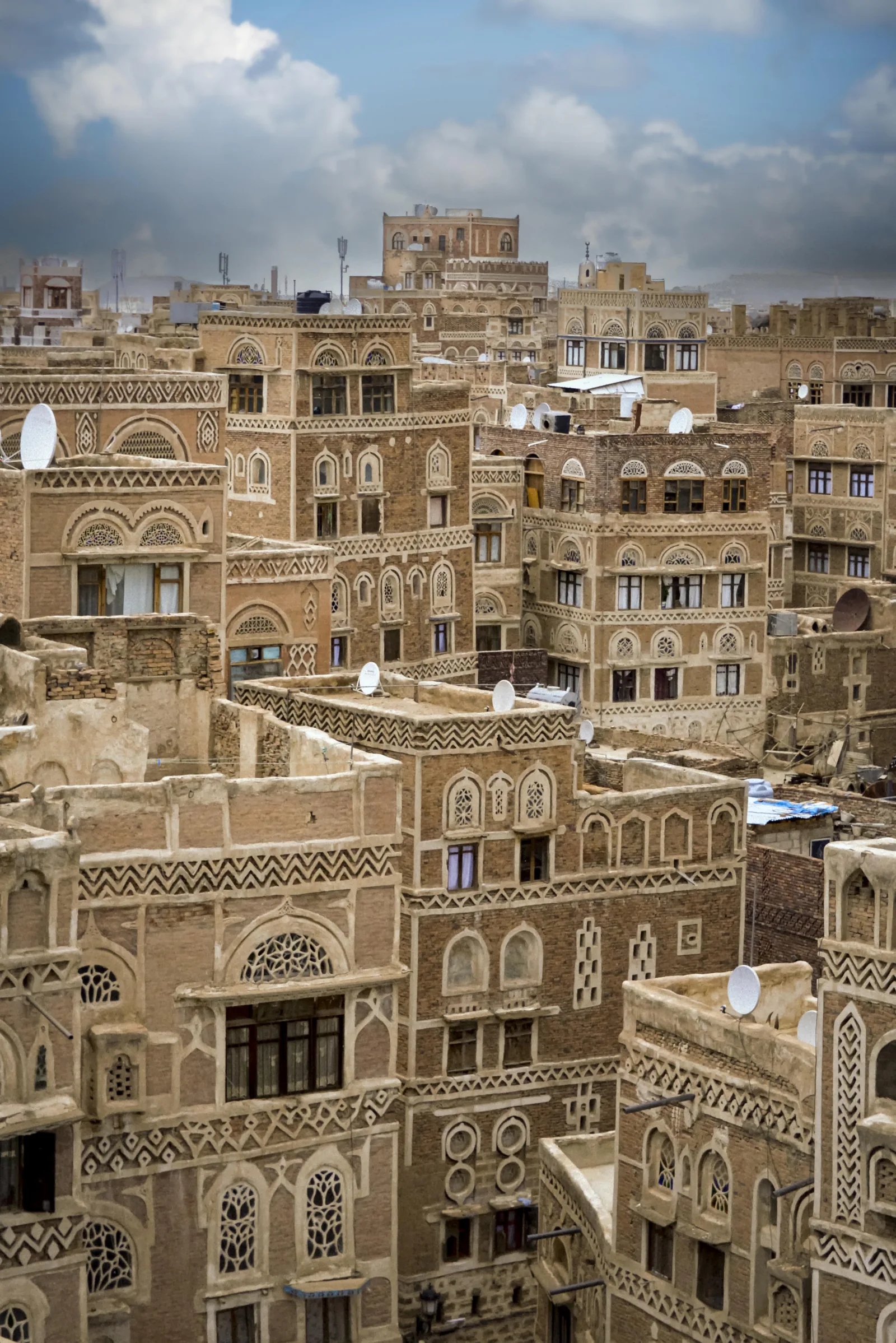
The numbers today are bleaker still. The UN reports that 19.5 million Yemenis — more than half the population — need humanitarian assistance and protection. In 2025, UN agencies warned that without reversing "drastic cuts" to funding, needs "will worsen... and will likely cause an increase in morbidity and mortality." As of mid-2025, the annual UN humanitarian appeal for Yemen sought $2.47 billion and was barely 13% funded. Limits on movement and bureaucracy constrain aid delivery, above all in Houthi-controlled areas, where the group has detained UN and aid workers.
The September 2026 escalation: Mokha and the strait
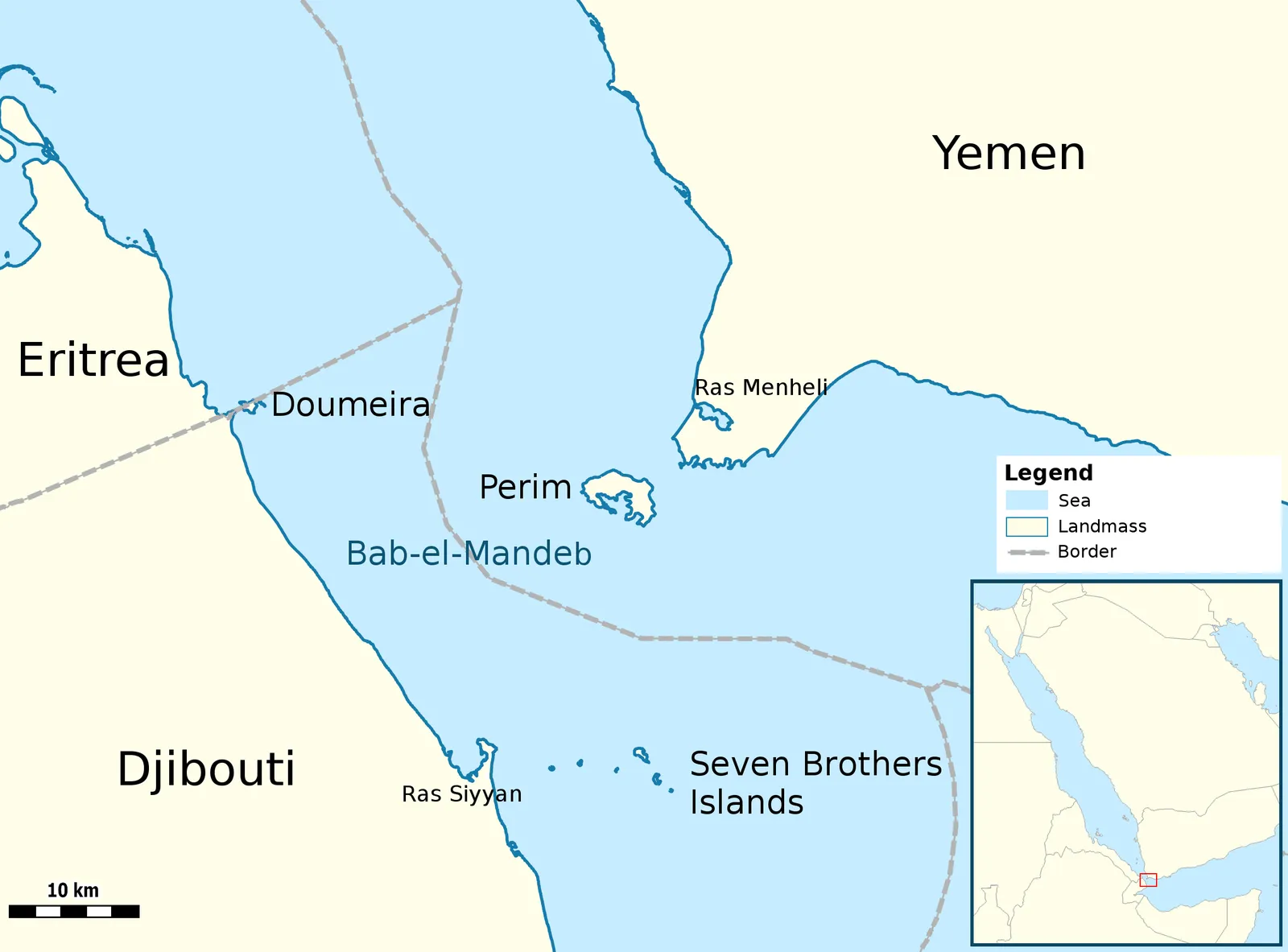
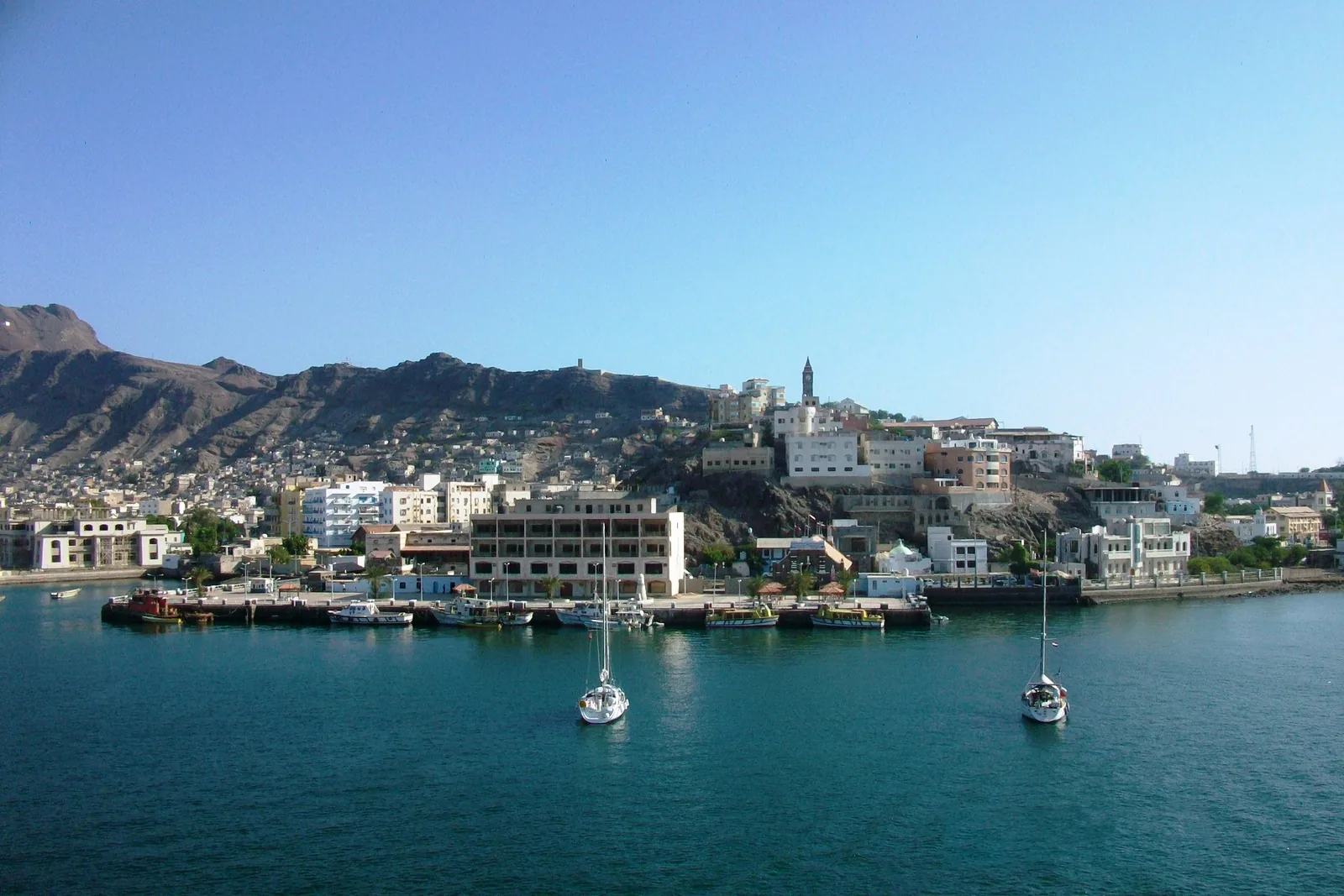
The September 2026 offensive shattered the frozen front. The Houthis swept down Yemen's western coast, seizing the strategic port city of Mokha as well as the town of Dhubab and several Red Sea islands, pushing toward the Kahboub mountains overlooking the Bab el-Mandeb strait. A key aim, researchers say, is control of the strait itself — the chokepoint through which around 15% of global seaborne trade passes annually, worth more than $1 trillion.
The human cost is immediate. The Houthi advance has driven more than 130,000 people from their homes since the beginning of September — deepening the crisis in what was already the Arab world's poorest country. The UN reports nearly 700 people killed and thousands injured in the fighting. The city of Taiz, under government control, faces the prospect of renewed siege, with residents describing rising prices as merchants stop entering the city.
The shipping impact is equally stark. The Houthis had already knocked roughly 60% of traffic off the strait since late 2023; data from the IMF and Oxford University's PortWatch platform showed only 22 vessels transiting the Bab el-Mandeb on September 20, 2026, against around 70 per day before the attacks began.
Blockade, counter-blockade and the WFP warning
Yemen's war has always been a war of blockades. The Saudi-led coalition restricted ports and airports for years; the Houthis, in July 2026, announced their own maritime blockade and began targeting Saudi-linked shipping — the move that prompted Riyadh to assemble its [new Red Sea naval coalition](/articles/2026-09-29-red-sea-naval-coalition-explained). For a country that imports 90% of its food, every port closure is a hunger weapon, whoever imposes it.
"Ninety percent of the food in Yemen is imported. So when ports are not working or when airports are not working, that's having an impact on food security in Yemen." — Carl Skau, acting executive director of the World Food Programme, September 2026
Skau, speaking to Reuters on the sidelines of the UN General Assembly, said the agency was ramping up its response as the escalation unfolds: more than 18 million people — roughly half the population — face acute food insecurity, and some 2.2 million children under five are acutely malnourished. "We are stepping up. We have supported around 60,000 people with hot meals and food commodities and we are building up our pipeline to respond to hundreds of thousands more," he said. But displacement camps are "already overstretched and our operations there are underfunded": "People are not eating enough, there is no healthcare, and these are the places where you now see tens of thousands of newly arrived people with nothing."
Compounding the crisis, Skau warned that the agency cannot operate in Houthi-controlled areas: "Our offices in the north are occupied by the Houthi de facto authorities, and our assets are still confiscated" — with dozens of UN staff detained — "so under such circumstances it's very difficult for us to operate."
What to watch
The strait: whether the Houthis consolidate control around Bab el-Mandeb or are pushed back will determine if the Red Sea becomes a long-term chokepoint crisis — see our coverage of [the naval coalition response](/articles/2026-09-29-red-sea-naval-coalition-explained) and the earlier [shipping crisis](/articles/2026-09-27-red-sea-shipping-crisis-explained). Funding: with the appeal a fraction funded and WFP warning of rising mortality, the next donor cycle is a life-or-death variable. Diplomacy: UN envoy Hans Grundberg warned in 2025 that "for some — on both sides of the conflict — the appetite for a military escalation remains." September 2026 proved him right.