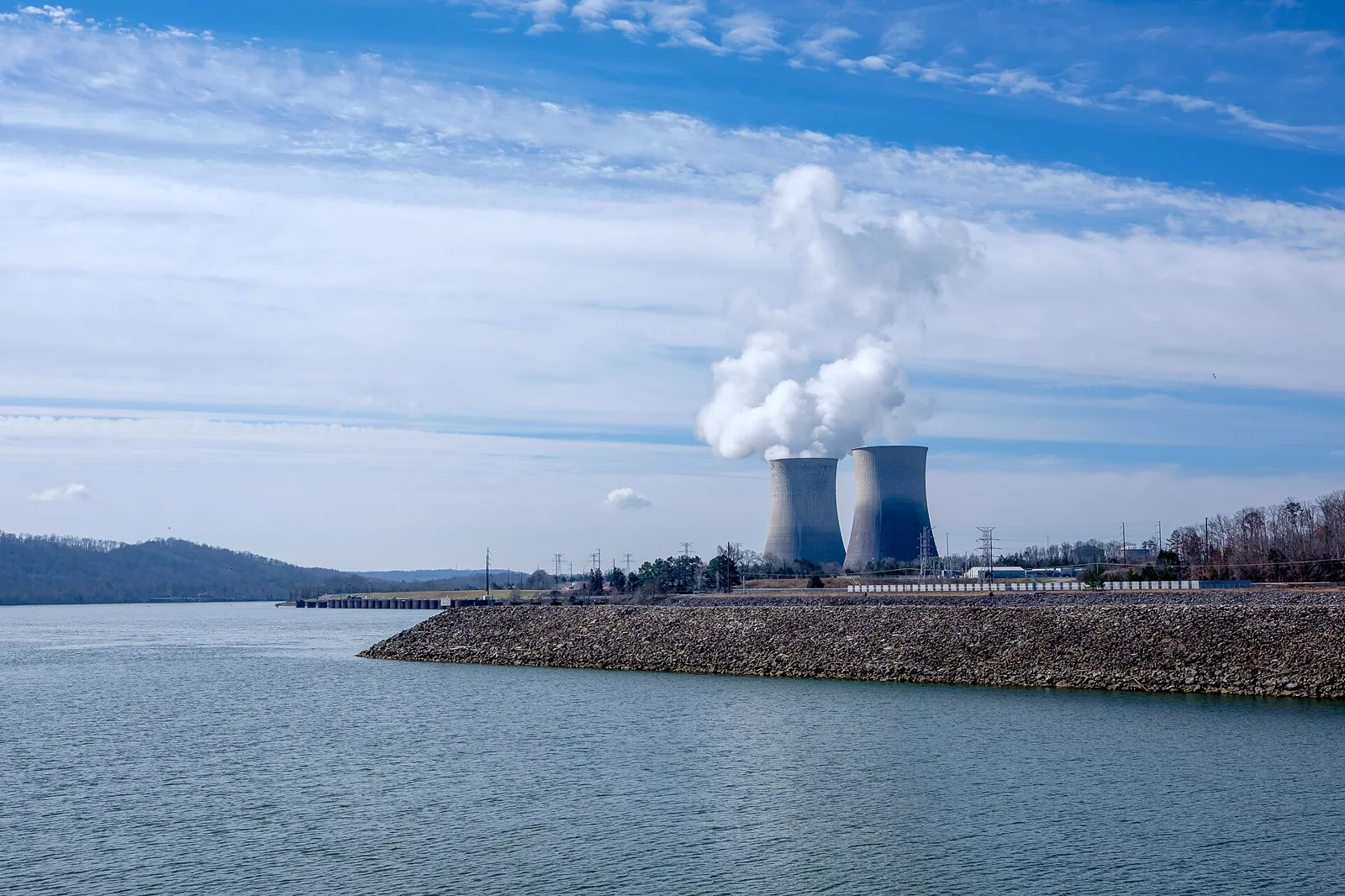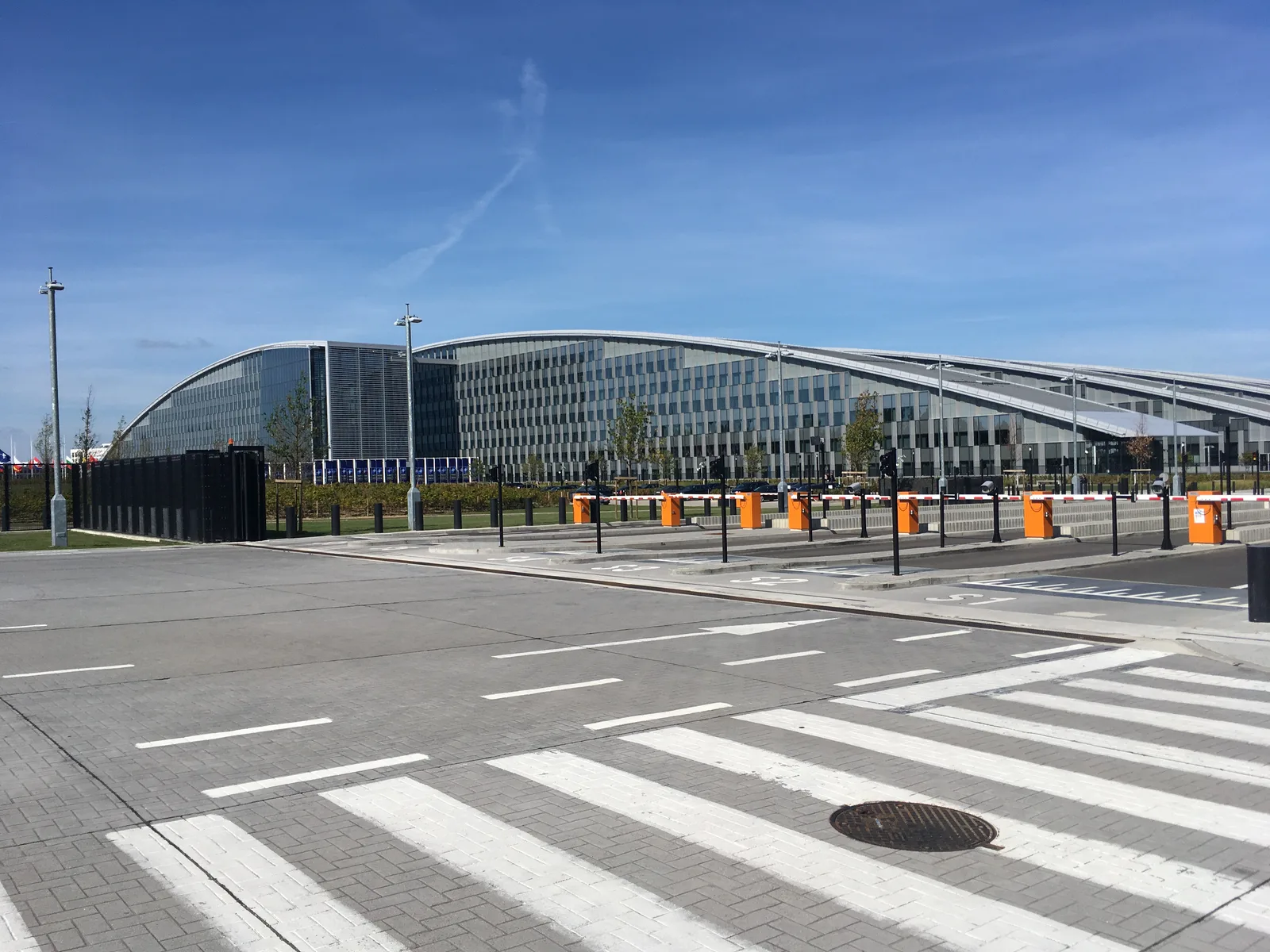
NATO's eastern flank stretches from the Baltic Sea in the north to the Black Sea in the south — the line of allied territory that faces Russia and Belarus. Since 2014, and at accelerating speed since Russia's full-scale invasion of Ukraine in 2022, the alliance has built it into what SHAPE (Supreme Headquarters Allied Powers Europe) calls the biggest reinforcement of NATO's collective defence in a generation. Nine multinational battlegroups, permanent brigades, new command structures and naval vigilance missions now cover the flank. This explainer breaks down what the buildup actually consists of, where it stands in late 2026, and why it matters.
Key takeaways
- NATO's Forward Land Forces now stand at nine multinational battlegroups — from Finland to Bulgaria — after a ninth, Sweden-led battlegroup was established in Finland in June 2026.
- A German-led brigade in Lithuania, inaugurated in May 2025, will be fully operational with up to 5,000 troops by 2027; Latvia already fields a Canadian-led multinational brigade.
- Reuters reported in May 2026 that the 1 German-Netherlands Corps will become NATO's tactical headquarters for land forces in Estonia and Latvia by mid-2026, replacing a single headquarters in Poland that previously covered the whole Baltic region.
- Airspace violations — including likely Russian drone incursions in September 2025 and again near Romania this month — triggered NATO's Eastern Sentry vigilance mission along the flank.
Contents
- What the eastern flank is
- Nine battlegroups: the Forward Land Forces
- The new Baltic architecture: brigades, corps, and tanks
- Guarding the sea and the sky
- Why it matters
What the eastern flank is
NATO's eastern flank is the alliance's collective term for its member states bordering Russia, Belarus and the Black Sea — running from Finland and the Baltic states (Estonia, Latvia, Lithuania) through Poland, Slovakia, Hungary, Romania and Bulgaria. The allied presence there is what NATO calls its "forward presence": forces stationed on allied territory to demonstrate solidarity and to provide, in NATO's own phrase, the ability to act immediately in response to aggression.
The buildup unfolded in stages. At the 2016 Warsaw summit, NATO agreed to deploy four multinational battlegroups to the Baltic states and Poland — Estonia, Latvia, Lithuania and Poland, led by framework nations the United Kingdom, Canada, Germany and the United States. After Russia's full-scale invasion of Ukraine in 2022, the Madrid summit added four more battlegroups — in Slovakia, Hungary, Romania and Bulgaria — and agreed to scale the battlegroups up from battalion size to brigade size where required, under a new NATO Force Model putting more troops at high readiness. At the 2023 Vilnius summit, allies approved a new generation of regional defence plans tying national and NATO planning together. NATO's own account presents every measure as defensive, proportionate and transparent.
Nine battlegroups: the Forward Land Forces
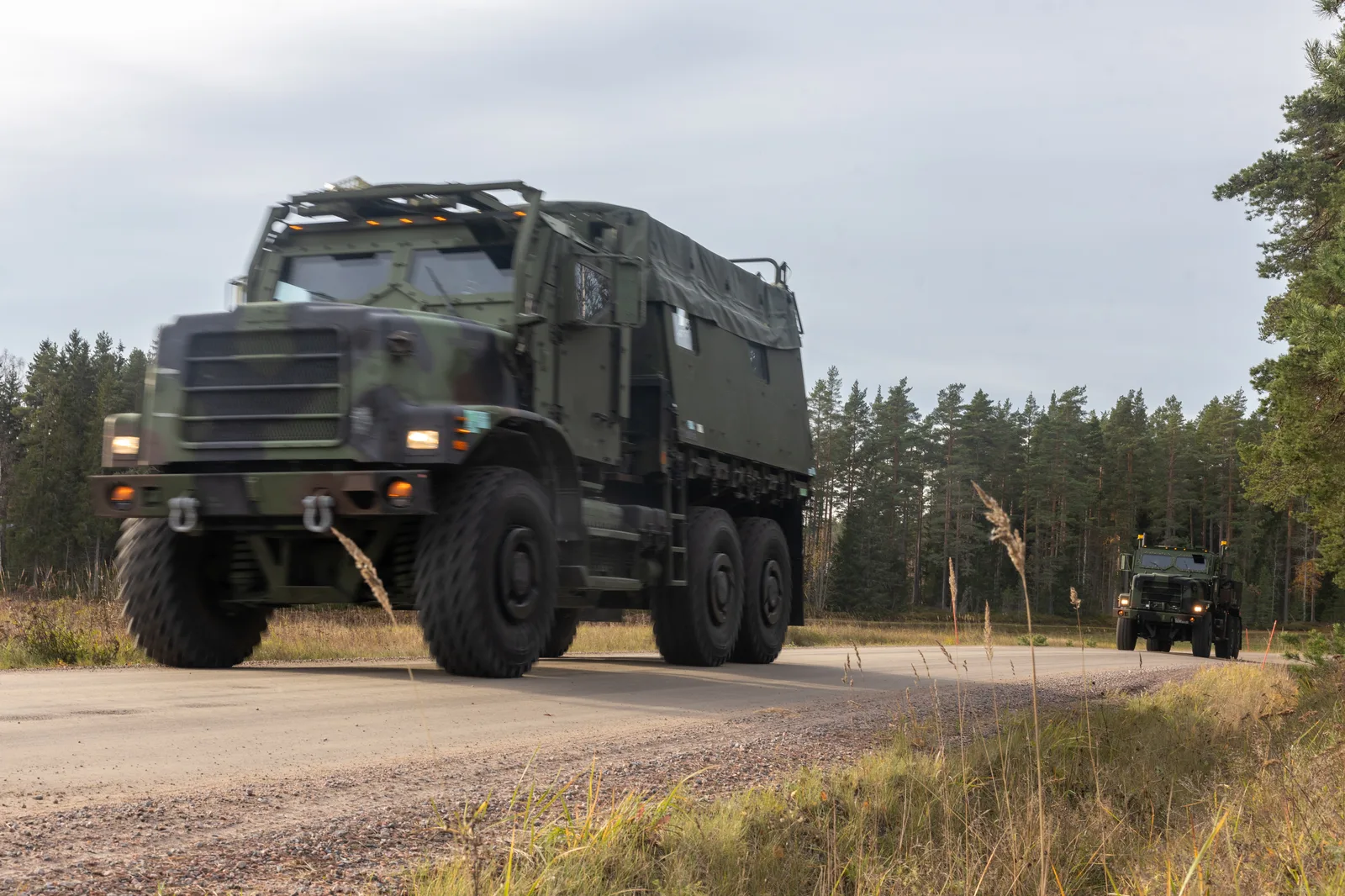
Today, NATO's Forward Land Forces (FLF) are deployed in nine multinational battlegroups on NATO territory, according to SHAPE. Troops and personnel from all NATO allies serve, train and exercise together; forces rotate in and out of the battlegroups on a voluntary, sustainable basis, operating alongside the host nations' own home-defence forces and present in the host countries at all times.
The ninth battlegroup is the newest: in June 2026, NATO established Forward Land Forces Finland — a Sweden-led multinational battlegroup enhancing deterrence along NATO's northeastern flank. The battlegroups are not identical — their sizes and compositions are tailored to geography and threat — and since 2022 allies have been scaling them toward brigade size where military requirements demand it.
The flank's logic, in NATO's framing, is tripwire-plus-deterrence: an attack on forces drawn from across the alliance cannot be mistaken for a local incident, and the forces provide a framework for rapid reinforcement if a crisis comes.
"With the integration of the German-Netherlands Corps into NATO's defence plans, both nations are assuming further responsibility for the security of Europe." — German Defence Minister Boris Pistorius, May 2026
The new Baltic architecture: brigades, corps, and tanks
The Baltic states — Estonia, Latvia and Lithuania — sit at the flank's most exposed point, a region of limited strategic depth bracketed by Russia's Kaliningrad exclave and Belarus, connected to the rest of NATO by land only through the narrow Polish-Lithuanian border corridor near Suwałki. In 2026 the alliance has been rebuilding its command architecture there.
In May 2026, Germany and the Netherlands announced that the 1 German-Netherlands Corps (1GNC), based in Münster, will become NATO's tactical headquarters for land forces in Estonia and Latvia, a change expected to take effect by mid-2026. Until now, NATO forces in all three Baltic nations and northern Poland came under a single multinational headquarters in the Polish city of Szczecin. A military official told Reuters the change would let NATO bring in "mass at speed," addressing the region's limited strategic depth and vulnerability.
The brigade-scale buildup is proceeding in parallel. In April 2024, Germany began deploying additional troops to the battlegroup it leads in Lithuania, laying the groundwork for a permanent German brigade there; the German-led brigade was inaugurated in May 2025 and, according to SHAPE, will be fully operational with up to 5,000 troops by 2027. In July 2024, Latvia became the first country to scale its NATO forward presence to a brigade, standing up NATO Multinational Brigade Latvia with Canada as framework nation; Canada plans to complete the deployment of up to 2,200 Canadian troops in the brigade by 2026.
American heavy armor is returning too. On September 23, 2026, Lithuanian Defence Minister Robertas Kaunas confirmed — following talks in Washington, as reported by Lithuania's national broadcaster LRT — that two US Army battalions will begin arriving in Lithuania in late October: a heavy battalion equipped with Abrams tanks and an engineer battalion, on a nine-month rotation, restoring American armored presence after a months-long gap. Lithuania has also said it is prepared to host up to approximately 1,500 US troops.
Guarding the sea and the sky
The flank's airspace has become a pressure point. In January 2025, NATO launched the Baltic Sentry vigilance activity following incidents involving critical undersea infrastructure in the Baltic Sea. In September 2025, Russian drones and aircraft violated the airspace of several allies — including Estonia, Finland, Latvia, Lithuania, Norway, Poland and Romania — and NATO responded with Eastern Sentry, a vigilance activity bolstering deterrence along the flank.

The incidents have not stopped. In the last week of September 2026, a likely Russian drone entered Romanian airspace near Chilia Veche, prompting Spanish F-18s and a Romanian helicopter to scramble, according to ISW's September 27 assessment (see our [Ukraine frontline update](/articles/2026-09-29-ukraine-frontline-update)). These repeated violations explain why the alliance now treats airspace policing and rapid-response airpower as core to the flank's credibility — for background on what the airspace rules actually are, see our explainer [what a no-fly zone is](/articles/2026-09-27-what-is-a-no-fly-zone).
Why it matters
NATO's eastern-flank buildup is the largest permanent change to European security since the Cold War. It signals to Moscow that the alliance treats the territory from Finland to Bulgaria as one defended space — and it gives the Baltic states, whose geography leaves them little room to trade space for time, a tripwire of allied troops, a headquarters capable of directing reinforcements, and soon a German brigade and American armor on the ground.
The vulnerabilities are real too: reinforcement depends on rail, bridges and ports built for trade rather than tanks, and the flank's airspace is under continuous probing. The next tests are on the calendar — the 1 German-Netherlands Corps assuming its Baltic command role, the Lithuanian Abrams rotation arriving in late October, and the German brigade's march toward full operational capability by 2027.