Skip to content

Region

Sudan

Sudan's civil war, fought since April 2023 between the Sudanese Armed Forces and the Rapid Support Forces, has split the country between an army-held east and an RSF-held west, displaced some 14 million people and produced the world's largest hunger crisis. This hub is our standing reference on the war: its current status, the two armies and how they fight, a timeline, the humanitarian indicators we track, and every Sudan report we have published.

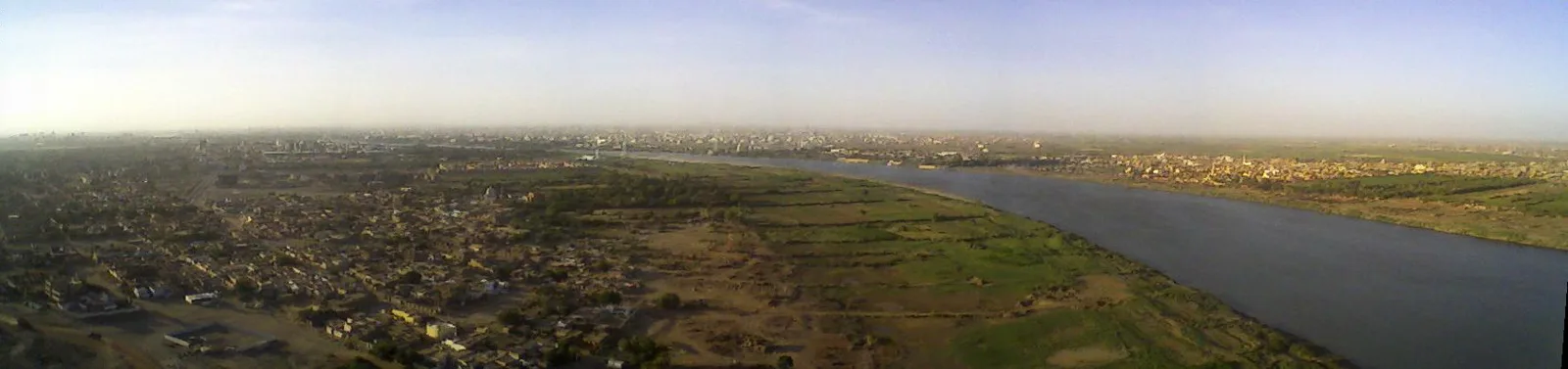
Khartoum, Sudan, photographed from the International Space Station (2020). Photo: NASA / Wikimedia Commons (public domain)

Current status

As of November 14, 2026

The war between the Sudanese Armed Forces (SAF) and the Rapid Support Forces (RSF) is in its fourth year. The army holds Khartoum and most of the north, east and centre; the RSF holds almost all of Darfur and parts of Kordofan, now the central battleground. The fighting has become a drone war: UNICEF told reporters on November 10 that armed drones accounted for about two-thirds of children killed or injured in Sudan between January and September 2026, and that up to 15 power stations were hit in October alone. Army chief Abdel Fattah al-Burhan has rejected negotiations, vowing to retake 'every inch' of territory. The humanitarian crisis is the world's largest: 19.5 million people face acute hunger, and on November 13 the World Food Programme said funding cuts had forced it to cut 900,000 people from food assistance.

The actors

Sudanese Armed Forces (SAF)

Sudan's regular army, led by General Abdel Fattah al-Burhan, who also heads the army-led government seated at Port Sudan. The army retook Khartoum in 2025 and holds the north, east and centre of the country.

Sudan's civil war explained →

Rapid Support Forces (RSF)

A paramilitary army led by Mohamed Hamdan Dagalo, known as Hemedti, formalised by the Sudanese state in 2013 out of Darfur's Janjaweed militias. Analysts estimated it at around 100,000 fighters before the war; it now holds the capitals of all five Darfur states and funds itself largely from gold.

What is the RSF? →

Who controls what

As published in our explainer (updated October 27, 2026): the army controls Khartoum and most of the country's north, east and centre, while the RSF controls almost all of Darfur and parts of Kordofan. South Kordofan remains contested, and the RSF-allied SPLM-N holds pockets of territory in the south. Front lines in Kordofan are fluid; this assessment is stated only as the reporting cited in the explainer describes it.

Timeline

  1. October 2021Burhan and Hemedti jointly seize power in a coup, derailing Sudan's planned transition to civilian rule.
  2. 15 April 2023Fighting erupts in Khartoum between the SAF and the RSF, after the two leaders fall out over plans to integrate the paramilitary into the regular army.
  3. February 2025The RSF and its allies sign a charter in Nairobi to form a parallel government, presenting the force as a state-in-waiting.
  4. 2025The army retakes Khartoum; the main front shifts west to Kordofan, where the two sides' areas of control meet.
  5. 26–27 October 2025El Fasher, the last army-held city in Darfur, falls to the RSF after an eighteen-month siege, cementing RSF control of Darfur.
  6. September 2026Burhan publicly rejects Washington's reported visa-linked 90-day ceasefire proposal and vows to 'eliminate this militia, no matter the cost'.
  7. 13 October 2026The IPC famine monitor warns that Darfur and Kordofan are nearing famine.
  8. 26 October 2026The UK sanctions 15 senior commanders from both the RSF and the SAF over suspected atrocities at El Fasher, a year after the city fell.
  9. 2 November 2026Sudan files complaints against Ethiopia with the UN Security Council and the African Union, alleging RSF drone attacks were launched from Ethiopian territory; Ethiopia denies it.
  10. 12 November 2026Our drone-war explainer: two in three child casualties in Sudan are now killed by drones, UNICEF says.
  11. 13 November 2026WFP cuts an estimated 900,000 people from food assistance as funding dries up, while 19.5 million face acute hunger.

Humanitarian indicators

The numbers we track on this war, each with what it measures and the source and date it was published — figures are stated as their sources state them, and separate appeals are never combined.

IndicatorLatest figureSource
Acute hungerPeople facing acute food insecurity (IPC Phase 3 or worse), including 5 million at emergency levels (Phase 4)19.5 millionWFP Sudan emergency page, as published November 13, 2026
DisplacedPeople forced from their homes by the war, in total; of these, 8.6 million are internally displaced (WFP)About 14 millionOur Sudan explainer (UN and international estimates, 13–14 million), updated October 27, 2026
Food aid reachPeople receiving WFP food assistance — down from more than 4 million in August 2026, with an estimated 900,000 cutJust over 3 millionUN News, November 12, 2026
RationsShare of minimum food needs met for most families still receiving WFP supportHalf rationsWFP Sudan emergency page, as published November 13, 2026
Famine riskRegions where the risk of famine persistsGreater Darfur and greater KordofanWFP; IPC alert, October 13, 2026
Child casualties from dronesShare of children killed or injured between January and September 2026 attributed to armed drones (an estimated 270 of 410)About two-thirdsUNICEF via UN News, November 10, 2026
Funding needsTwo separate appeals for two separate windows — stated separately, never combined$520M through April 2027 (UN News) · US$426M for October 2026–March 2027 (WFP)UN News, November 12, 2026; WFP Sudan emergency page

Last updated: November 14, 2026

Start here

New to this war? Start with the full explainer — who is fighting, why the two armies fell out, and how the country split — then the RSF itself, the humanitarian crisis the war has produced, and the drone war that now decides its battles.

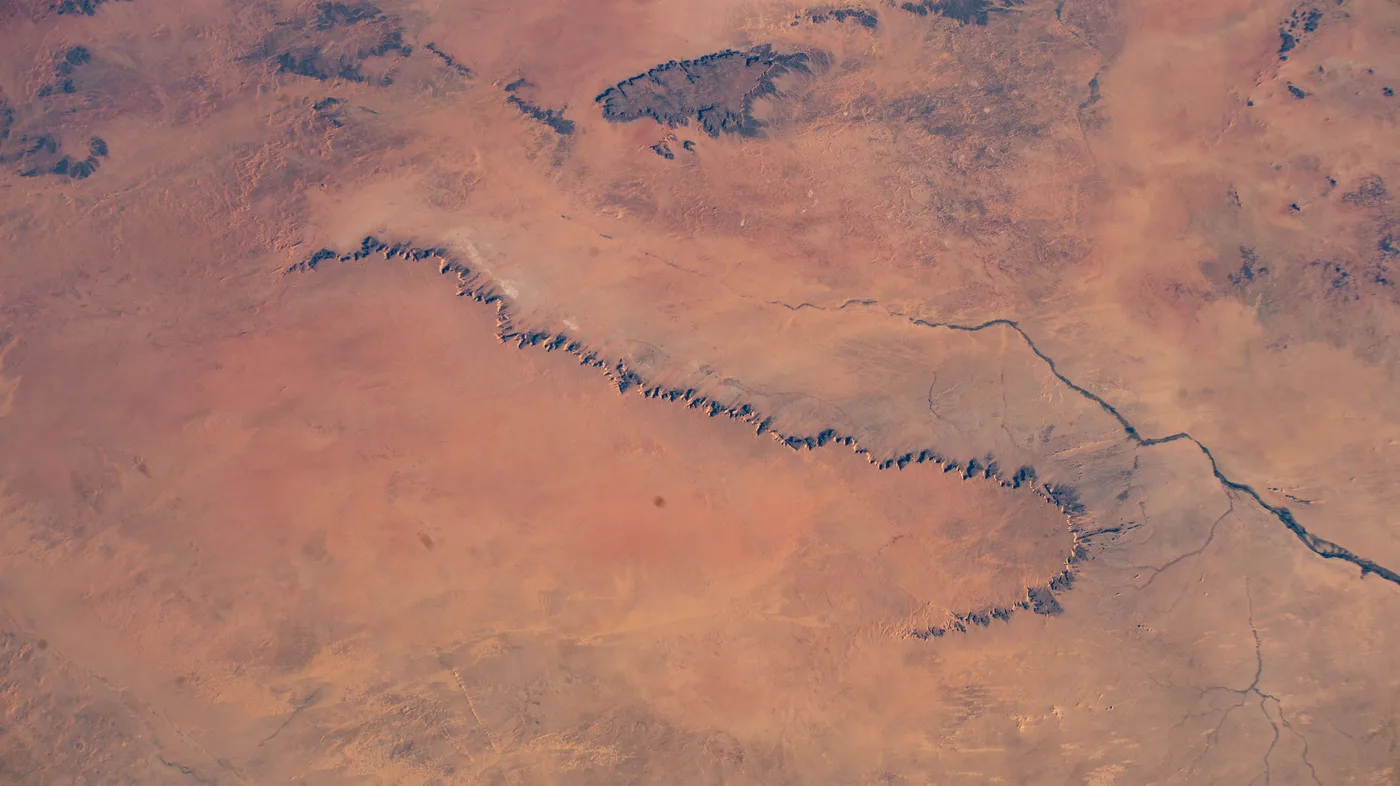
Desert in northern Sudan, photographed from the International Space Station in January 2025 (archive photo).
ExplainerAfrica

Sudan's civil war, which erupted in Khartoum in April 2023, pits the Sudanese Armed Forces against the Rapid Support Forces paramilitary. Three and a half years on, the war has displaced 14 million people, split the country east to west, and turned the Kordofan region into its central battleground — while the army chief vows to retake 'every inch' of territory.

By War Info Hub Research Desk · October 9, 2026 · Updated October 27, 2026 · 6 min read

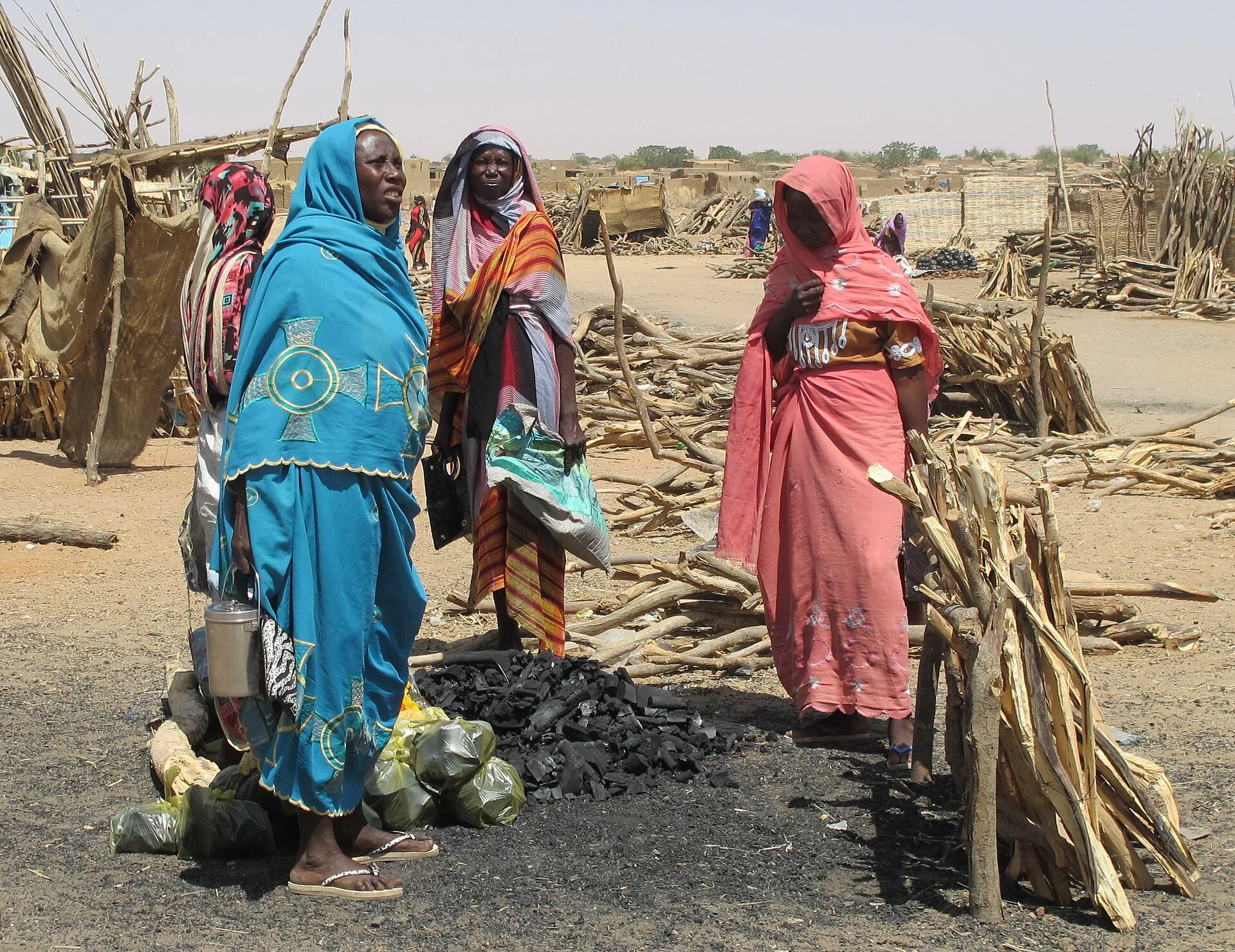
Women selling charcoal and firewood in El Fasher, North Darfur (file photo, 2015). El Fasher was the last Darfur capital outside RSF control until the force seized it in October 2025 after an eighteen-month siege. This photo does not depict any event reported in this article.
ExplainerAfrica

The RSF — Sudan's Rapid Support Forces — is a paramilitary army led by Mohamed Hamdan Dagalo, known as Hemedti, that grew out of Darfur's Janjaweed militias, was formalised by the Sudanese state in 2013, helped rule the country alongside the army after 2019, and has fought that army for control of Sudan since April 2023. Analysts estimated it at around 100,000 fighters before the war; it now holds the capitals of all five Darfur states and funds itself largely from gold.

By War Info Hub Research Desk · November 8, 2026 · 6 min read

Khartoum and the Blue Nile from the air (file photo). The capital's power and water systems run on the grid the drone campaign has been striking; this photograph does not depict any strike.
ExplainerAfrica

Two in three child casualties in Sudan this year were killed by armed drones, UNICEF told reporters in Geneva this week — an estimated 270 of 410 children killed or injured between January and September 2026, with more than 1,100 people killed in drone attacks in the first half of the year alone, according to AFP. The drones have changed character over twelve months, from the 'suicide' models of several years ago to accurate long-range weapons travelling up to 1,500 kilometres, and in the last week of October not a single day passed without a drone strike on a Sudanese power station. This explainer sets out what the UN has documented, how the power strikes cascade into water, food and disease, and why attribution is the war's open question.

By War Info Hub Research Desk · November 12, 2026 · 5 min read

The drone war

Drones now account for most civilian deaths in Sudan, the UN has told the Security Council: strikes have hit power, water and fuel networks across the country, aid trucks have been bombed, and UNICEF says drones caused about two-thirds of child casualties in the first nine months of 2026.

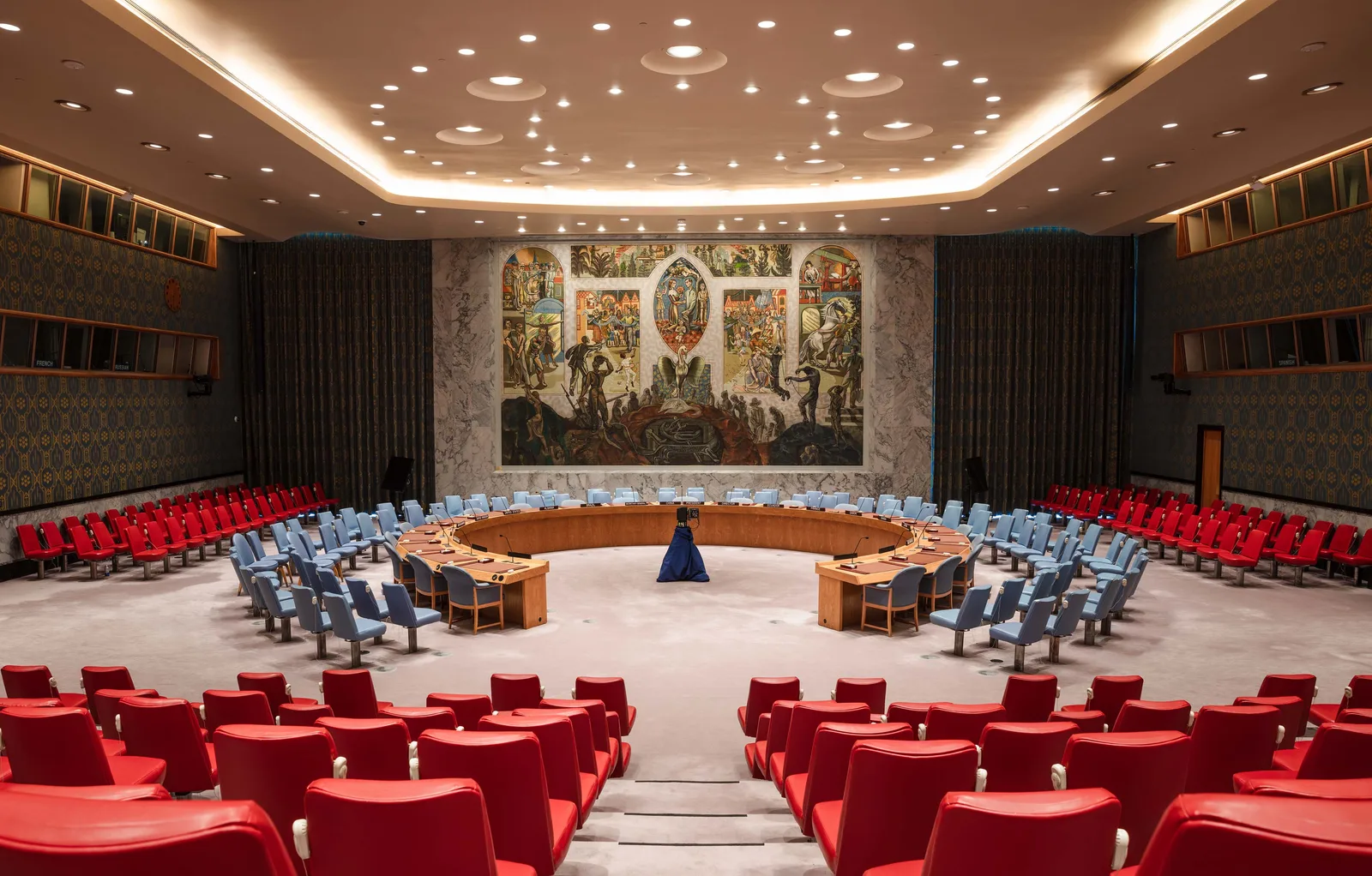
The UN Security Council chamber in New York (file photo). This photo does not depict the October 16, 2026 briefing reported in this article.
AnalysisAfrica

Drones caused roughly 1,100 of the 1,400 civilian deaths recorded in Sudan in the first half of 2026, UN figures presented to the Security Council showed, as the UN's political chief told ambassadors on Friday that neither the army nor the RSF is moving toward dialogue and both believe they can gain on the battlefield. Twenty million people face acute hunger, a drone strike near the Ethiopian border killed 41 displaced people on October 10, and the Council's arms embargo remains confined to Darfur.

By War Info Hub Research Desk · October 17, 2026 · 5 min read

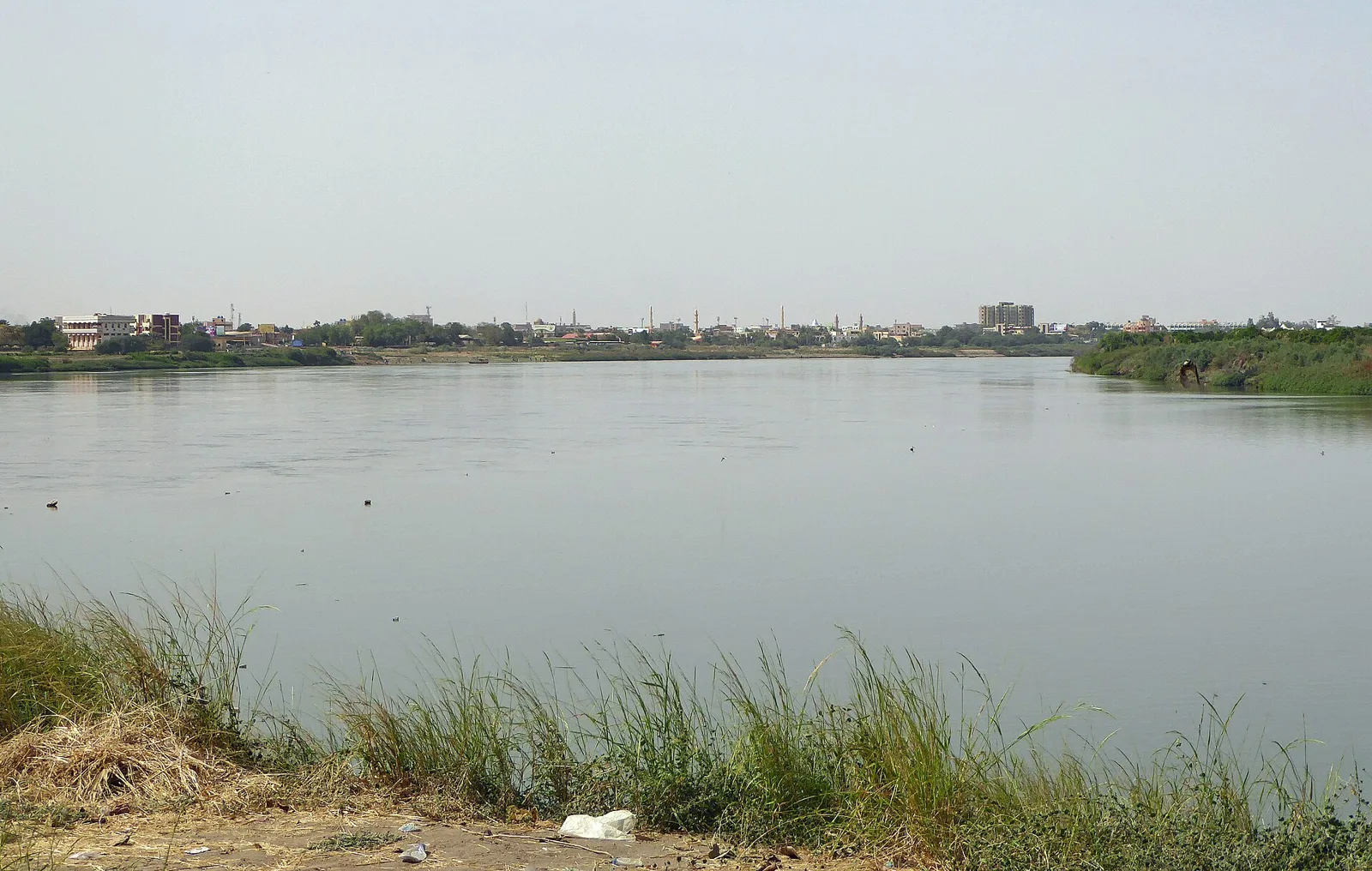
The Nile at Khartoum (file photo). Fuel queues in the capital stretch for kilometres as drone strikes disrupt Sudan's energy and fuel supplies, the UN's humanitarian coordinator said. This photo does not depict any event reported in this article.
Situation ReportAfrica

Sudan drone strikes on energy and fuel infrastructure have stranded hundreds of aid trucks, stopped dialysis treatment for 25 people at a hospital outside Khartoum and left fuel queues kilometres long in the capital, the UN Resident and Humanitarian Coordinator Denise Brown told UN News, describing an intense pattern of attacks over the past couple of weeks that appears to target civilian infrastructure systematically.

By War Info Hub Research Desk · November 4, 2026 · 6 min read

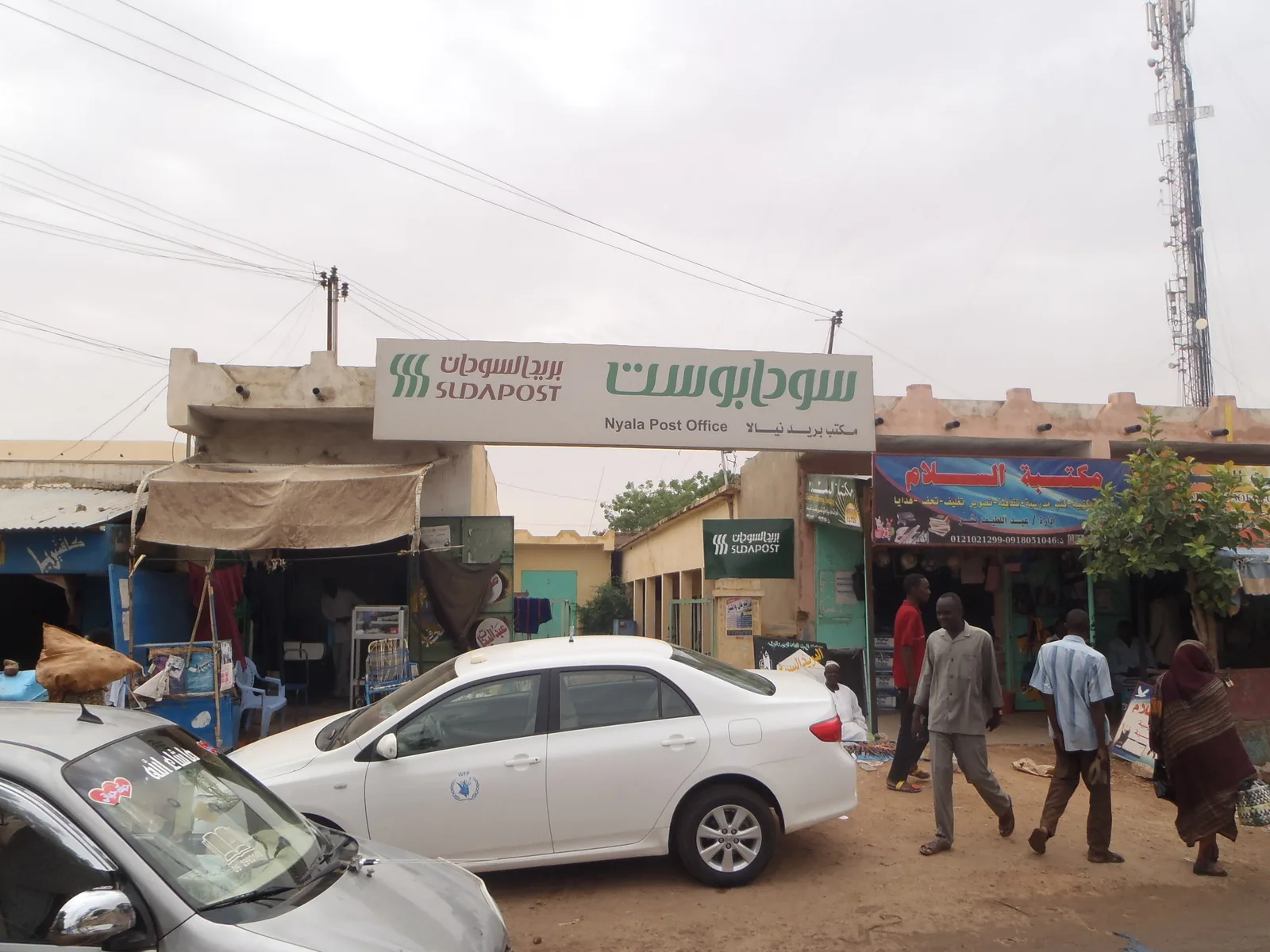
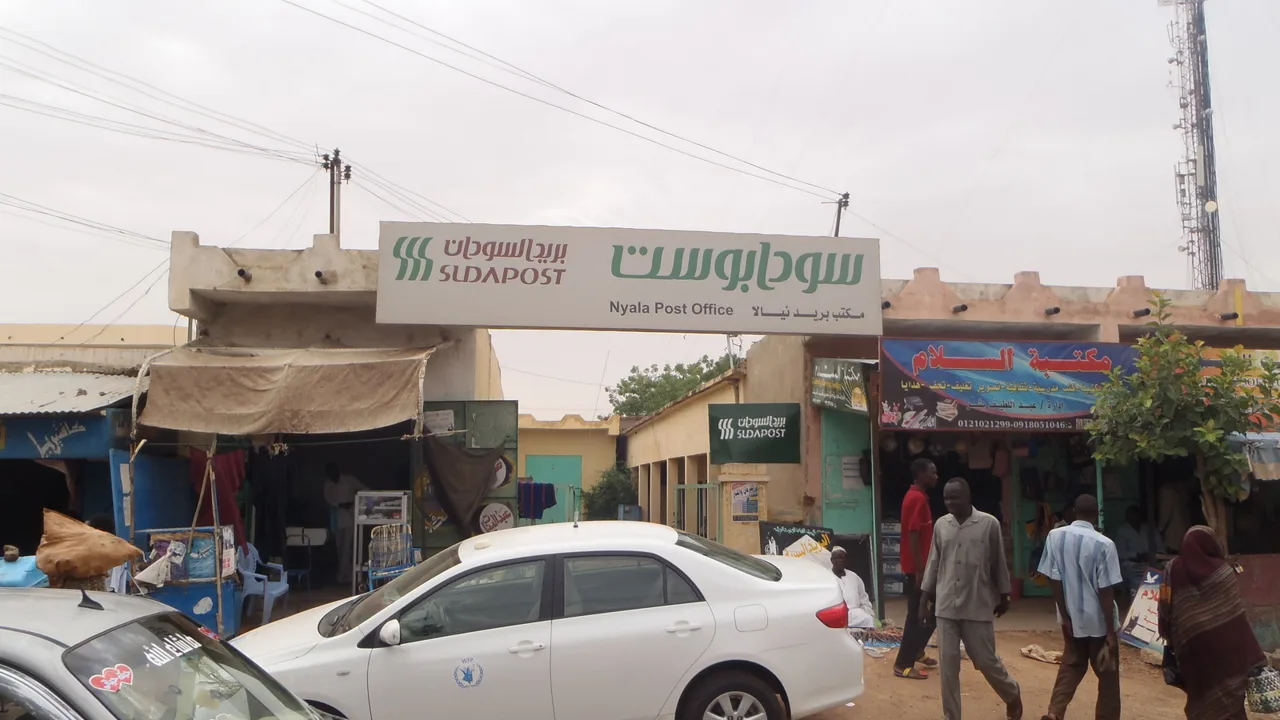
A market street in Nyala, the capital of South Darfur, Sudan (file photo, 2012). Nyala was among the places hit in the drone wave reported on Monday. This photo does not depict any event reported in this article.
Situation ReportAfrica

A wave of drone strikes across Sudan has killed more than 160 people since Friday, according to medics and rights groups reporting on Monday — 80 of them in a single Sunday-evening strike on a transport hub near a market in Al-Dibab, West Kordofan, and three children in a Monday strike on a house near Khartoum's airport. The United Nations condemned the attacks on Monday, saying drones are killing civilians, including children, and disrupting essential services.

By War Info Hub Research Desk · October 19, 2026 · 5 min read

Kordofan: the central battleground

With Darfur in RSF hands and Khartoum retaken by the army, the front has shifted to Kordofan — the corridor between the two halves of the country. The army's capture of al-Mazroub cut RSF supply lines west, while the RSF masses around El Obeid, the North Kordofan capital.

A television news crew at work beside a broadcast van.
AnalysisAfrica

The Rapid Support Forces have stepped up drone strikes on government-held towns in North Kordofan — including a courtroom and a college — as fears grow that El Obeid could face the fate of El Fasher.

By War Info Hub Research Desk · September 27, 2026 · 3 min read

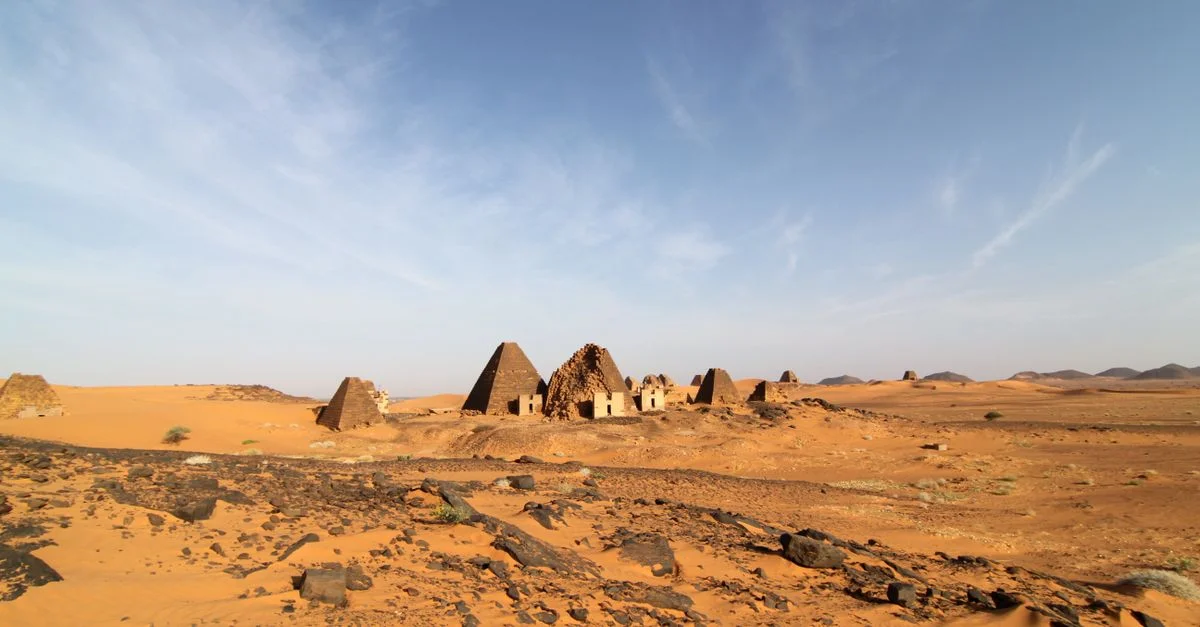
The Nubian pyramids of Meroe in Sudan's desert. Generic photo; it does not depict the events described in this article.
Situation ReportAfrica

The Sudanese Armed Forces announced on October 2 that they had taken al-Mazroub, the administrative capital of West Bara Locality, in their monthslong North Kordofan offensive. Geolocated video reviewed by the Sudan War Monitor confirms army and allied units inside the town; the RSF has not publicly responded.

By War Info Hub Research Desk · October 3, 2026 · 3 min read

A paved road disappearing under wind-blown sand dunes, seen from above.
AnalysisAfrica

Drone attacks attributed to the RSF have shut down hospitals, water stations and power in El Obeid — while military sources report an unprecedented buildup of fighters from Darfur and West Kordofan ahead of a possible ground offensive.

By War Info Hub Research Desk · September 28, 2026 · 4 min read

Darfur and El Fasher

El Fasher, the last Darfur capital outside RSF control, fell in October 2025 after an eighteen-month siege. A year on, detentions and hospital attacks continue, the UK has sanctioned 15 commanders from both sides, and market strikes in Nyala show the siege tactics spreading.

Satellite view of the terrain around El Fasher, North Darfur, Sudan (file image). This image does not depict any event reported in this article.
Situation ReportAfrica

One year after the Rapid Support Forces captured El Fasher, fewer than 70,000 people remain in a city whose pre-war population was more than one million, Amnesty International said in new testimony from 25 civilians interviewed in August and September 2026. A BBC investigation documented at least 43 attacks on hospitals and health sites between May 2024 and October 2025, and 55 medical workers killed.

By War Info Hub Research Desk · October 25, 2026 · 5 min read

Tawila, in Darfur, Sudan (file photo). Tawila hosts large numbers of people displaced from El Fasher. This photo does not depict any event reported in this article.
Situation ReportAfrica

The United Kingdom on Monday, October 26, 2026 sanctioned 15 senior commanders from both the Rapid Support Forces (RSF) and the Sudanese Armed Forces (SAF) for suspected atrocities, including conflict-related sexual violence, during and after the fall of El Fasher, and announced £5 million for survivors of sexual violence and £10 million in humanitarian funding. The announcement, made one year after El Fasher fell following an eighteen-month siege, follows UK-funded Centre for Information Resilience reporting that the siege tactics used there — systematic starvation, sexual violence, drone attacks on civilian infrastructure and obstruction of aid — are still being deployed across Sudan by both sides.

By War Info Hub Research Desk · October 26, 2026 · 5 min read

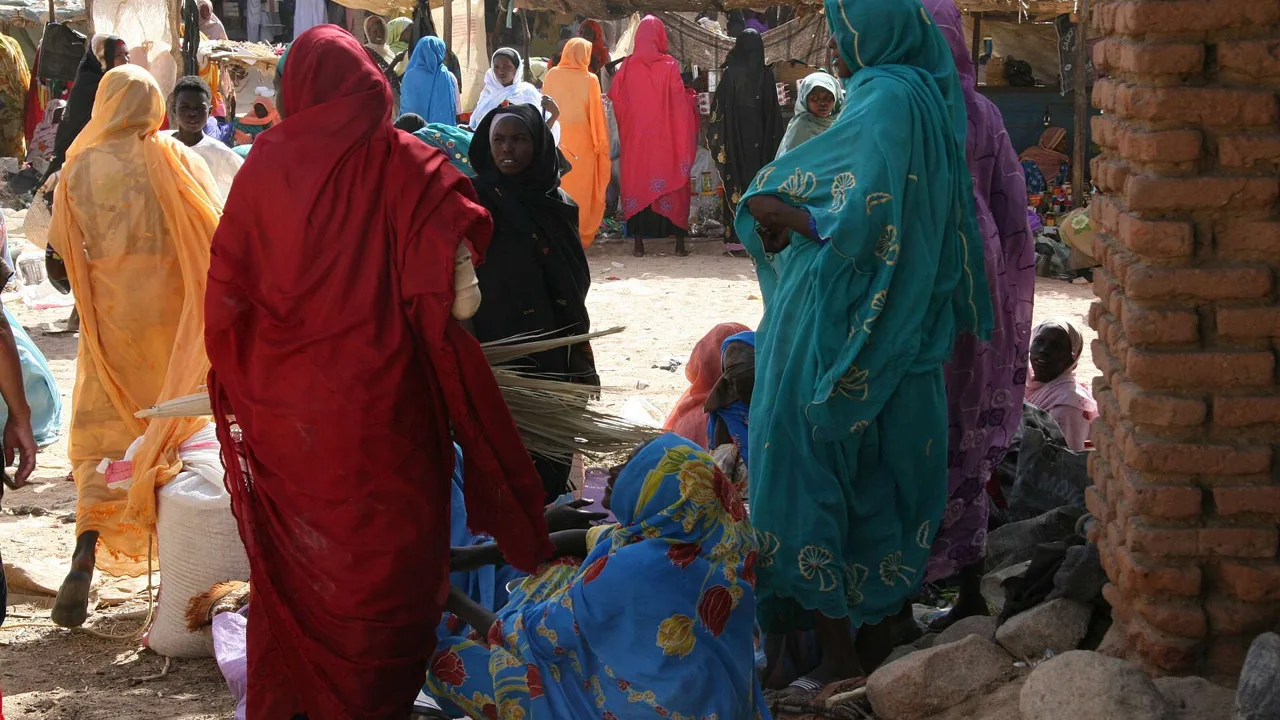
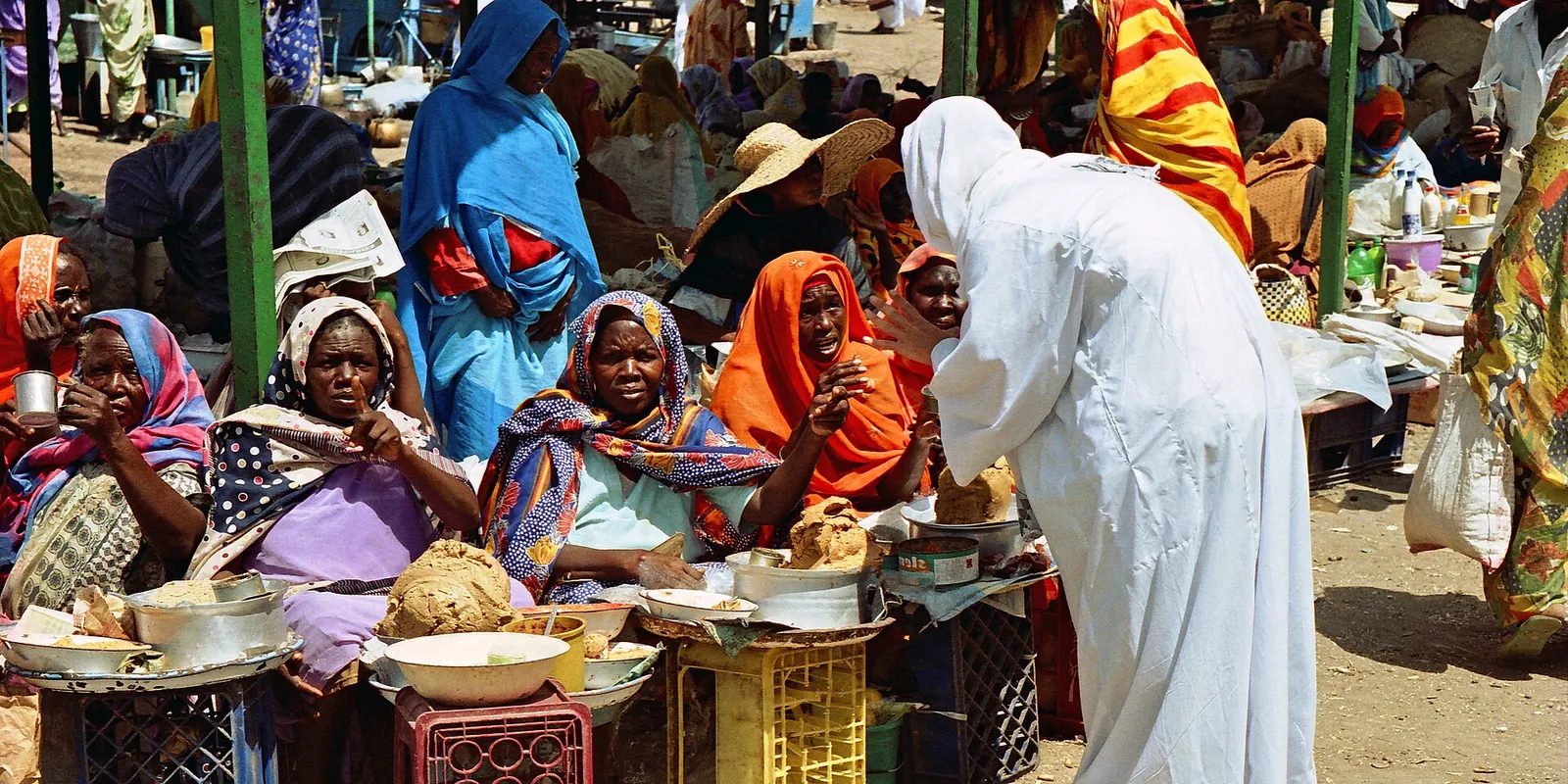
Women shoppers at a market in Darfur, Sudan (file photo, 2008). Monday's strike hit a busy market in Nyala, South Darfur. This photo does not depict any event reported in this article.
Situation ReportAfrica

A drone strike on a busy market in Nyala, the capital of Sudan's South Darfur, at about 8 p.m. on Monday killed more than 100 people and injured 113, Emergency Lawyers, a Sudanese rights group tracking violence in the war, said in a statement on Tuesday, blaming the Sudanese military. The toll is not reconciled: the MSF-supported Nyala Teaching Hospital received 36 bodies — 21 of them in civilian clothing — and saw more than 150 wounded, while a medic told AFP 21 people were killed and more than 40 injured. No Sudanese Armed Forces response appears in the reporting opened.

By War Info Hub Research Desk · October 28, 2026 · 4 min read

Diplomacy and the outside world

Army chief al-Burhan has rejected a US visa-linked ceasefire and vows to fight on; Khartoum has taken its case against alleged RSF drone launches from Ethiopia to the UN and the African Union; and an RSF commander's defection has exposed the family control at the paramilitary's core.

A daytime market in Khartoum, Sudan. Generic photo of ordinary market life; it does not depict the events described in this article.
Situation ReportAfrica

The Sudanese army chief refused Washington's reported condition — a 90-day ceasefire in exchange for a UN visa — and told a Khartoum rally his goal is to 'eliminate this militia, no matter the cost.'

By War Info Hub Research Desk · September 30, 2026 · 4 min read

United Nations headquarters in New York, seen from the East River (file photo). Sudan said it filed its complaint against Ethiopia with the UN Security Council late Sunday. This photo does not depict any event reported in this article.
Situation ReportAfrica

Sudan said late Sunday it had filed complaints against Ethiopia with the UN Security Council and the African Union's Peace and Security Council, after a Sudanese report alleged 70 RSF drone attacks launched from Ethiopian territory since February — attacks Khartoum says killed or wounded 484 civilians — an allegation Ethiopia has denied.

By War Info Hub Research Desk · November 2, 2026 · 5 min read

A market street in Nyala, South Darfur (file photo, 2012). Nyala, an RSF-controlled city, was struck on October 26 in attacks on a market and a residential area whose toll remains disputed. This photo does not depict any event reported in this article.
Situation ReportAfrica

Senior Rapid Support Forces commander Siddiq Ander has defected from Sudan's paramilitary group, Al Jazeera reported on Friday, accusing relatives of RSF leader Mohamed Hamdan Dagalo, known as Hemedti, of tightly controlling the group's finances, weapons, troop movements and military promotions. Ander's accusations are published here as his own claims, in his own words; his exit is the latest in a string of senior RSF defections this year, several of them made alongside hundreds of fighters.

By War Info Hub Research Desk · October 31, 2026 · 4 min read

All Sudan coverage

Every Sudan story we have published, newest first.

Khartoum and the Blue Nile from the air (file photo). The capital's power and water systems run on the grid the drone campaign has been striking; this photograph does not depict any strike.
ExplainerAfrica

Two in three child casualties in Sudan this year were killed by armed drones, UNICEF told reporters in Geneva this week — an estimated 270 of 410 children killed or injured between January and September 2026, with more than 1,100 people killed in drone attacks in the first half of the year alone, according to AFP. The drones have changed character over twelve months, from the 'suicide' models of several years ago to accurate long-range weapons travelling up to 1,500 kilometres, and in the last week of October not a single day passed without a drone strike on a Sudanese power station. This explainer sets out what the UN has documented, how the power strikes cascade into water, food and disease, and why attribution is the war's open question.

By War Info Hub Research Desk · November 12, 2026 · 5 min read

The Nile at Khartoum (file photo). Fuel queues in the capital stretch for kilometres as drone strikes disrupt Sudan's energy and fuel supplies, the UN's humanitarian coordinator said. This photo does not depict any event reported in this article.
Situation ReportAfrica

Sudan drone strikes on energy and fuel infrastructure have stranded hundreds of aid trucks, stopped dialysis treatment for 25 people at a hospital outside Khartoum and left fuel queues kilometres long in the capital, the UN Resident and Humanitarian Coordinator Denise Brown told UN News, describing an intense pattern of attacks over the past couple of weeks that appears to target civilian infrastructure systematically.

By War Info Hub Research Desk · November 4, 2026 · 6 min read

United Nations headquarters in New York, seen from the East River (file photo). Sudan said it filed its complaint against Ethiopia with the UN Security Council late Sunday. This photo does not depict any event reported in this article.
Situation ReportAfrica

Sudan said late Sunday it had filed complaints against Ethiopia with the UN Security Council and the African Union's Peace and Security Council, after a Sudanese report alleged 70 RSF drone attacks launched from Ethiopian territory since February — attacks Khartoum says killed or wounded 484 civilians — an allegation Ethiopia has denied.

By War Info Hub Research Desk · November 2, 2026 · 5 min read

A market street in Nyala, South Darfur (file photo, 2012). Nyala, an RSF-controlled city, was struck on October 26 in attacks on a market and a residential area whose toll remains disputed. This photo does not depict any event reported in this article.
Situation ReportAfrica

Senior Rapid Support Forces commander Siddiq Ander has defected from Sudan's paramilitary group, Al Jazeera reported on Friday, accusing relatives of RSF leader Mohamed Hamdan Dagalo, known as Hemedti, of tightly controlling the group's finances, weapons, troop movements and military promotions. Ander's accusations are published here as his own claims, in his own words; his exit is the latest in a string of senior RSF defections this year, several of them made alongside hundreds of fighters.

By War Info Hub Research Desk · October 31, 2026 · 4 min read

Women shoppers at a market in Darfur, Sudan (file photo, 2008). Monday's strike hit a busy market in Nyala, South Darfur. This photo does not depict any event reported in this article.
Situation ReportAfrica

A drone strike on a busy market in Nyala, the capital of Sudan's South Darfur, at about 8 p.m. on Monday killed more than 100 people and injured 113, Emergency Lawyers, a Sudanese rights group tracking violence in the war, said in a statement on Tuesday, blaming the Sudanese military. The toll is not reconciled: the MSF-supported Nyala Teaching Hospital received 36 bodies — 21 of them in civilian clothing — and saw more than 150 wounded, while a medic told AFP 21 people were killed and more than 40 injured. No Sudanese Armed Forces response appears in the reporting opened.

By War Info Hub Research Desk · October 28, 2026 · 4 min read

Tawila, in Darfur, Sudan (file photo). Tawila hosts large numbers of people displaced from El Fasher. This photo does not depict any event reported in this article.
Situation ReportAfrica

The United Kingdom on Monday, October 26, 2026 sanctioned 15 senior commanders from both the Rapid Support Forces (RSF) and the Sudanese Armed Forces (SAF) for suspected atrocities, including conflict-related sexual violence, during and after the fall of El Fasher, and announced £5 million for survivors of sexual violence and £10 million in humanitarian funding. The announcement, made one year after El Fasher fell following an eighteen-month siege, follows UK-funded Centre for Information Resilience reporting that the siege tactics used there — systematic starvation, sexual violence, drone attacks on civilian infrastructure and obstruction of aid — are still being deployed across Sudan by both sides.

By War Info Hub Research Desk · October 26, 2026 · 5 min read

Satellite view of the terrain around El Fasher, North Darfur, Sudan (file image). This image does not depict any event reported in this article.
Situation ReportAfrica

One year after the Rapid Support Forces captured El Fasher, fewer than 70,000 people remain in a city whose pre-war population was more than one million, Amnesty International said in new testimony from 25 civilians interviewed in August and September 2026. A BBC investigation documented at least 43 attacks on hospitals and health sites between May 2024 and October 2025, and 55 medical workers killed.

By War Info Hub Research Desk · October 25, 2026 · 5 min read

Sorghum growing in Sudan's White Nile State during the 2024 agricultural season (file photo). Sorghum is Sudan's staple grain; the 2026 rainy season was the driest in more than three decades. This photo does not depict any event reported in this article.
AnalysisAfrica

Sudan's famine risk is growing as an El Niño-driven drought — the driest peak rainy season in more than three decades — compounds more than three years of civil war, the UN-backed IPC hunger monitor warned on October 12. Rainfall from July to September was the lowest since 1984 in North Darfur, the IPC said 5.1 million people already faced severe hunger in June, and the World Food Programme forecasts 350,000 more people in severe hunger by the end of 2026 and 1.2 million more by August 2027, Reuters reported after interviewing farmers, traders and aid officials across the country.

By War Info Hub Research Desk · October 23, 2026 · 6 min read

A village in the Nuba Mountains of South Kordofan, Sudan (file photo). The BBC reported that the West Kordofan strikes were likely launched from army-held Kadugli, the South Kordofan capital. This photo does not depict any event reported in this article.
Situation ReportAfrica

Drone strikes in Sudan's West Kordofan state on Sunday evening killed 150 people — 145 of them when a truck carrying mourners to a funeral was hit at Al-Dabab — sources told the Sudan War Observatory, the BBC reported on Tuesday, a toll nearly double the count reported for the same town a day earlier. Together with the 73 killed at Abyei's Amiet market on Monday, the reported deaths pass 200. The BBC's figures conflict in both toll and detail with the AFP-based reporting published on Monday, and neither count has been independently verified.

By War Info Hub Research Desk · October 20, 2026 · 5 min read

A market street in Nyala, the capital of South Darfur, Sudan (file photo, 2012). Nyala was among the places hit in the drone wave reported on Monday. This photo does not depict any event reported in this article.
Situation ReportAfrica

A wave of drone strikes across Sudan has killed more than 160 people since Friday, according to medics and rights groups reporting on Monday — 80 of them in a single Sunday-evening strike on a transport hub near a market in Al-Dibab, West Kordofan, and three children in a Monday strike on a house near Khartoum's airport. The United Nations condemned the attacks on Monday, saying drones are killing civilians, including children, and disrupting essential services.

By War Info Hub Research Desk · October 19, 2026 · 5 min read

The UN Security Council chamber in New York (file photo). This photo does not depict the October 16, 2026 briefing reported in this article.
AnalysisAfrica

Drones caused roughly 1,100 of the 1,400 civilian deaths recorded in Sudan in the first half of 2026, UN figures presented to the Security Council showed, as the UN's political chief told ambassadors on Friday that neither the army nor the RSF is moving toward dialogue and both believe they can gain on the battlefield. Twenty million people face acute hunger, a drone strike near the Ethiopian border killed 41 displaced people on October 10, and the Council's arms embargo remains confined to Darfur.

By War Info Hub Research Desk · October 17, 2026 · 5 min read

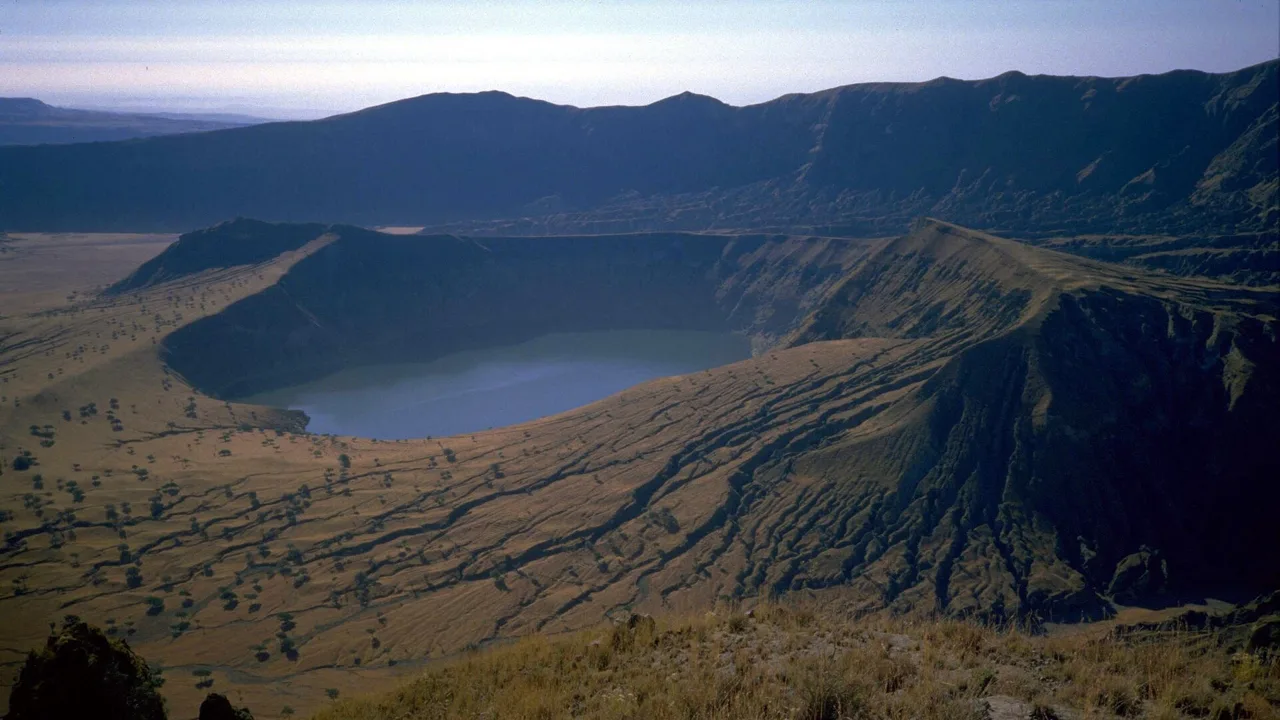
The Deriba crater lakes at Jebel Marra in Darfur, Sudan (file photo). The IPC alert covers Greater Darfur, including South Darfur's Eastern Jebel Marra. This photo does not depict any event reported in this article.
Situation ReportAfrica

The risk of famine is growing across Sudan's Greater Darfur and Greater Kordofan as war, displacement and an El Niño drought combine, the UN-backed IPC hunger monitor warned on Monday. Thirteen of 17 nutrition surveys in Greater Darfur since January found critical malnutrition, more than 300,000 people have fled Greater Kordofan since October 2025, and less than half of Sudan's humanitarian appeal was funded as of October 8.

By War Info Hub Research Desk · October 13, 2026 · 5 min read

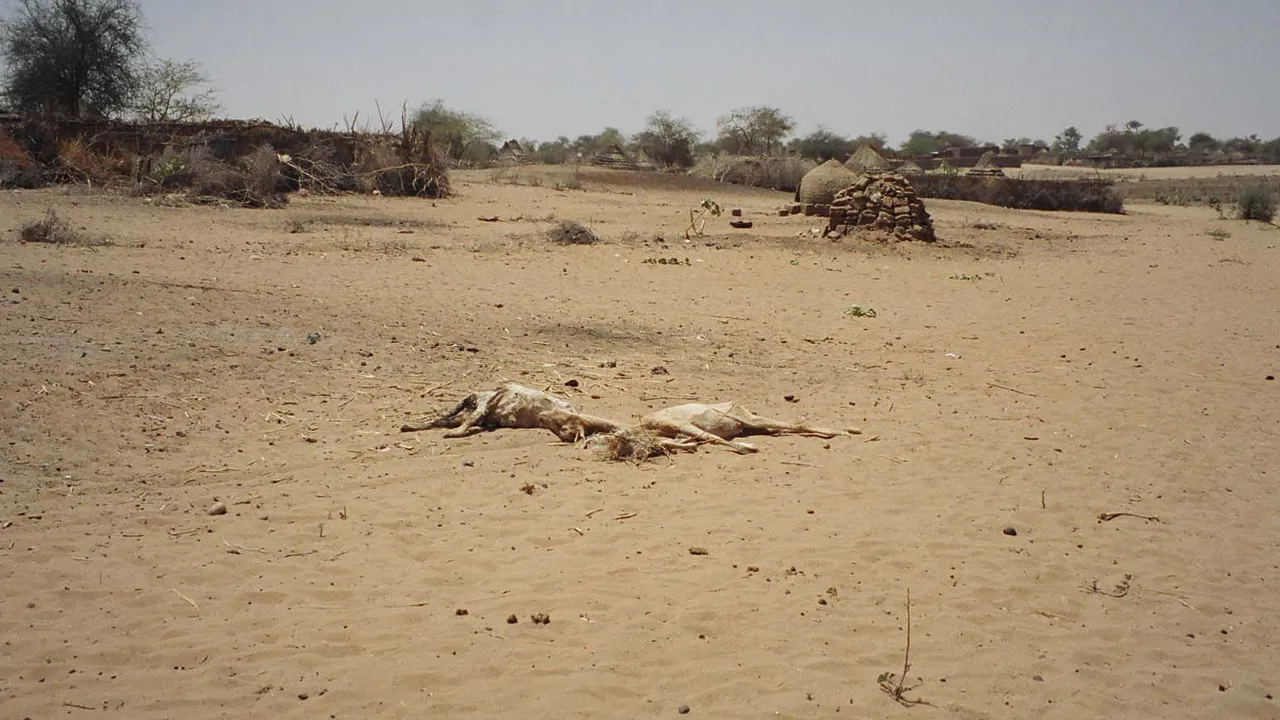
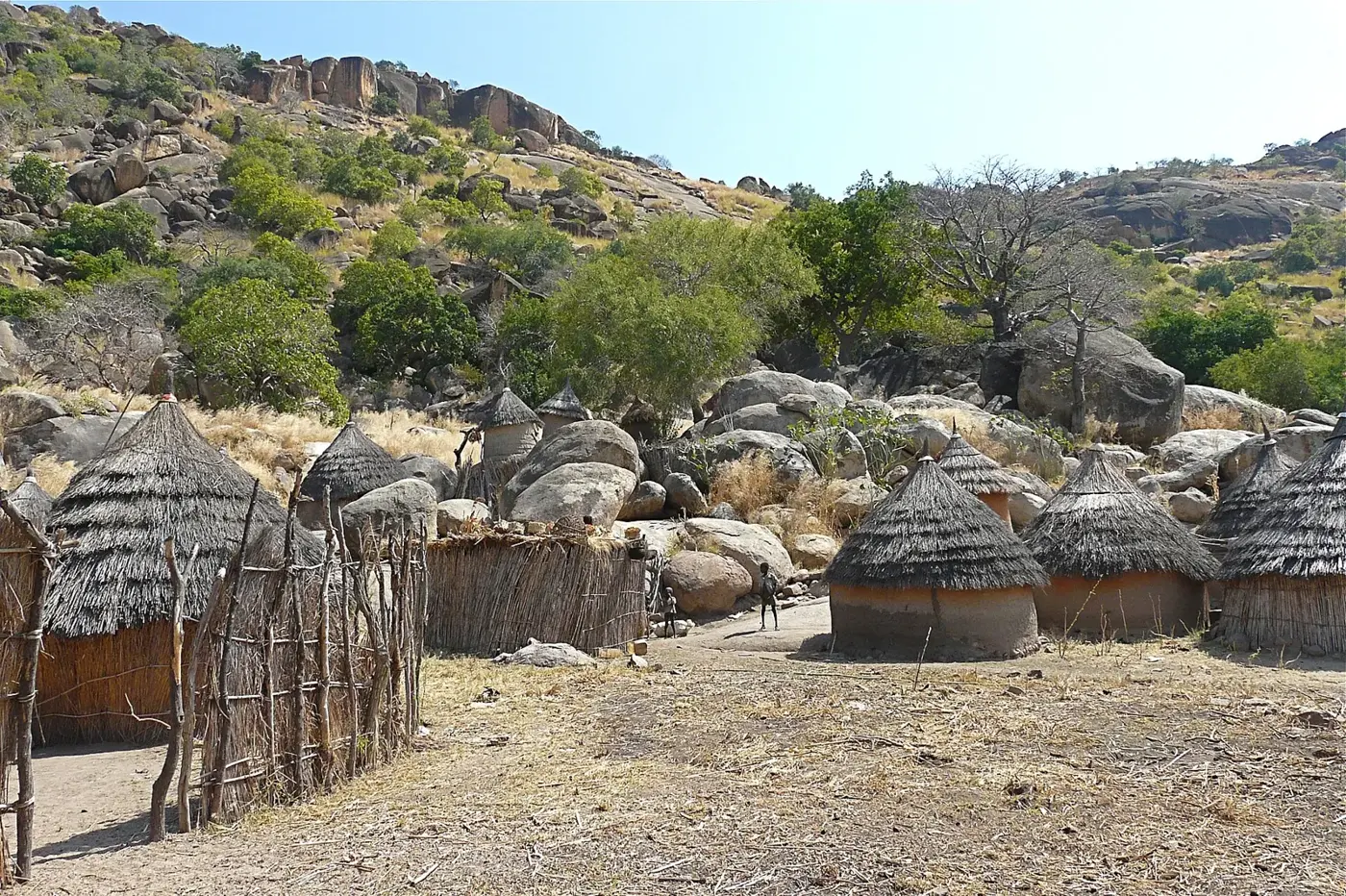
Traditional thatched huts in a rural village setting (file photo). This photo does not depict the reported strike.
Situation ReportAfrica

A drone strike on Friday in Sudan's southeastern Blue Nile state killed at least 30 displaced people — 26 women and four children — the provincial governor told Al Jazeera, blaming the paramilitary Rapid Support Forces. A rights group put the toll at 41, as the United Nations condemned the attack on a displacement camp near the Ethiopian border.

By War Info Hub Research Desk · October 10, 2026 · 2 min read

Desert in northern Sudan, photographed from the International Space Station in January 2025 (archive photo).
ExplainerAfrica

Sudan's civil war, which erupted in Khartoum in April 2023, pits the Sudanese Armed Forces against the Rapid Support Forces paramilitary. Three and a half years on, the war has displaced 14 million people, split the country east to west, and turned the Kordofan region into its central battleground — while the army chief vows to retake 'every inch' of territory.

By War Info Hub Research Desk · October 9, 2026 · Updated October 27, 2026 · 6 min read

Khartoum, Sudan, seen from orbit (ISS astronaut photo, 2020). File photo — it does not depict the current fighting described in this article.
Situation ReportAfrica

The UN World Food Programme condemned an aerial attack that killed a driver of two clearly marked aid trucks in Sudan's South Kordofan, calling for a prompt investigation. The incident lands as a senior U.S. envoy met Sudanese army chief Abdel Fattah al-Burhan in Egypt — while Burhan publicly vows to keep fighting the RSF.

By War Info Hub Research Desk · October 7, 2026 · 4 min read

Khartoum, Sudan, photographed from the International Space Station at night. Archive photo — it does not depict the fighting described in this article.
AnalysisAfrica

Sudan's army says it captured the strategic town of al-Mazroub in North Kordofan on Friday and dealt a 'knockout blow' to the RSF and SPLM-N in Blue Nile state on Saturday. The RSF still controls almost all of Darfur, and the humanitarian catastrophe — 19.5 million facing acute hunger — is deepening regardless of who holds the map.

By War Info Hub Research Desk · October 5, 2026 · 4 min read

An internally displaced persons camp in Darfur, Sudan, in a 2009 archive photo — it does not depict the North Kordofan strikes described in this article.
Situation ReportAfrica

The Sudan Doctors Network said a drone strike attributed to the RSF killed at least 24 people, including eight children, when a vehicle carrying displaced families was hit near Rahad in North Kordofan on Saturday — a day after a separate drone attack on a WFP aid convoy killed one and wounded several, according to the UN's humanitarian coordinator in Sudan.

By War Info Hub Research Desk · October 3, 2026 · 4 min read

The Nubian pyramids of Meroe in Sudan's desert. Generic photo; it does not depict the events described in this article.
Situation ReportAfrica

The Sudanese Armed Forces announced on October 2 that they had taken al-Mazroub, the administrative capital of West Bara Locality, in their monthslong North Kordofan offensive. Geolocated video reviewed by the Sudan War Monitor confirms army and allied units inside the town; the RSF has not publicly responded.

By War Info Hub Research Desk · October 3, 2026 · 3 min read

A daytime market in Khartoum, Sudan. Generic photo of ordinary market life; it does not depict the events described in this article.
Situation ReportAfrica

The Sudanese army chief refused Washington's reported condition — a 90-day ceasefire in exchange for a UN visa — and told a Khartoum rally his goal is to 'eliminate this militia, no matter the cost.'

By War Info Hub Research Desk · September 30, 2026 · 4 min read

A paved road disappearing under wind-blown sand dunes, seen from above.
AnalysisAfrica

Drone attacks attributed to the RSF have shut down hospitals, water stations and power in El Obeid — while military sources report an unprecedented buildup of fighters from Darfur and West Kordofan ahead of a possible ground offensive.

By War Info Hub Research Desk · September 28, 2026 · 4 min read

A television news crew at work beside a broadcast van.
AnalysisAfrica

The Rapid Support Forces have stepped up drone strikes on government-held towns in North Kordofan — including a courtroom and a college — as fears grow that El Obeid could face the fate of El Fasher.

By War Info Hub Research Desk · September 27, 2026 · 3 min read

Seen something we should cover?

Send a tip to the research desk.

A development we missed, a document worth reading, or an error in our reporting — email is the fastest channel. Anonymity honored on request.

Email us