The Bab al-Mandeb — Arabic for the "Gate of Tears" — is the narrow strait between Yemen and the Horn of Africa that connects the Red Sea to the Indian Ocean, and through the Suez Canal to the Mediterranean. It is one of the world's key energy chokepoints, and in 2026 it has become a front line of the Yemen war: the Houthis seized effective control of its shores last month, and Saudi-backed Yemeni forces are now fighting to retake the positions.
What is the Bab al-Mandeb?
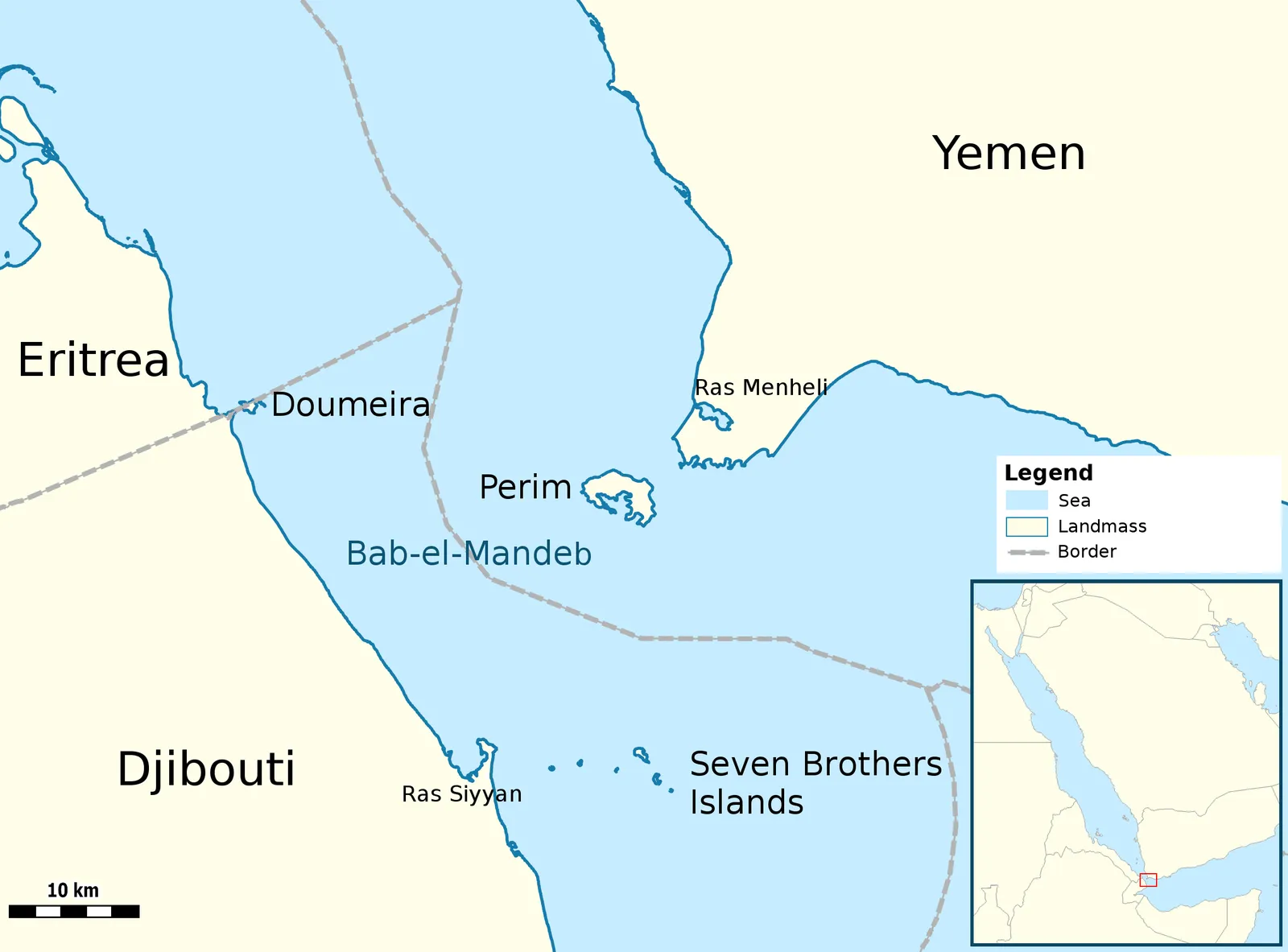
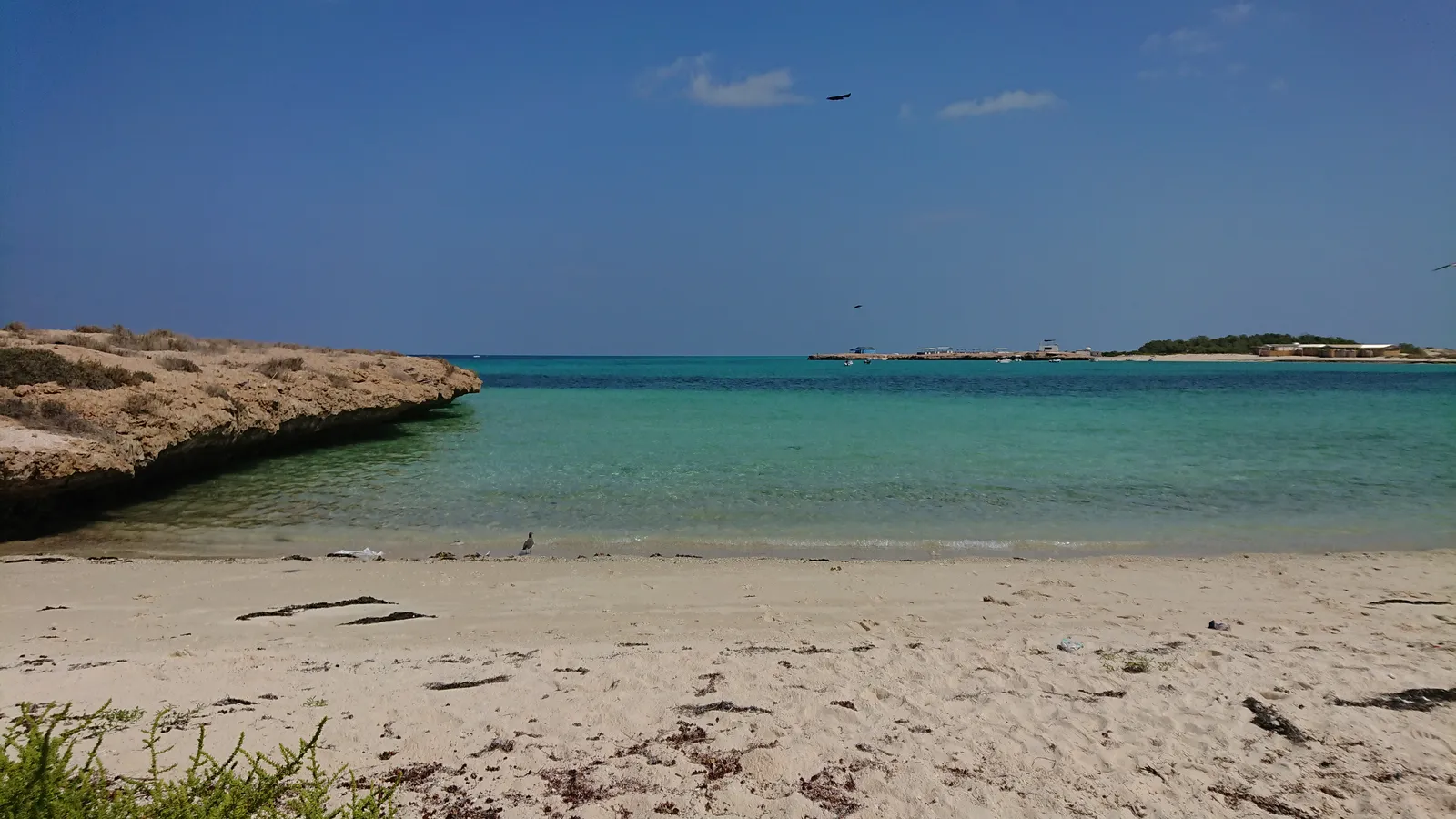
The strait lies between Yemen on the northeastern coast of the Arabian Peninsula and Djibouti and Eritrea on the Horn of Africa to the southwest. It connects the Red Sea with the Gulf of Aden and the Arabian Sea, making it the strategic link between the Mediterranean Sea and the Indian Ocean.
The name — "Gate of Tears" or "Gate of Grief" — refers to the strait's historically perilous navigation: strong currents, unpredictable winds, reefs and shoals wrecked ships for centuries. The strait is about 18 miles (30 km) wide at its narrowest point, which makes tanker traffic difficult and limits it to two channels. The island of Perim divides the strait: the eastern channel, Alexander's Strait (Bab Iskender), is just 2 miles (3.2 km) wide, while the western channel, Dact-el-Mayun, is 16 miles (25.6 km) wide.
Why does it matter to the world economy?
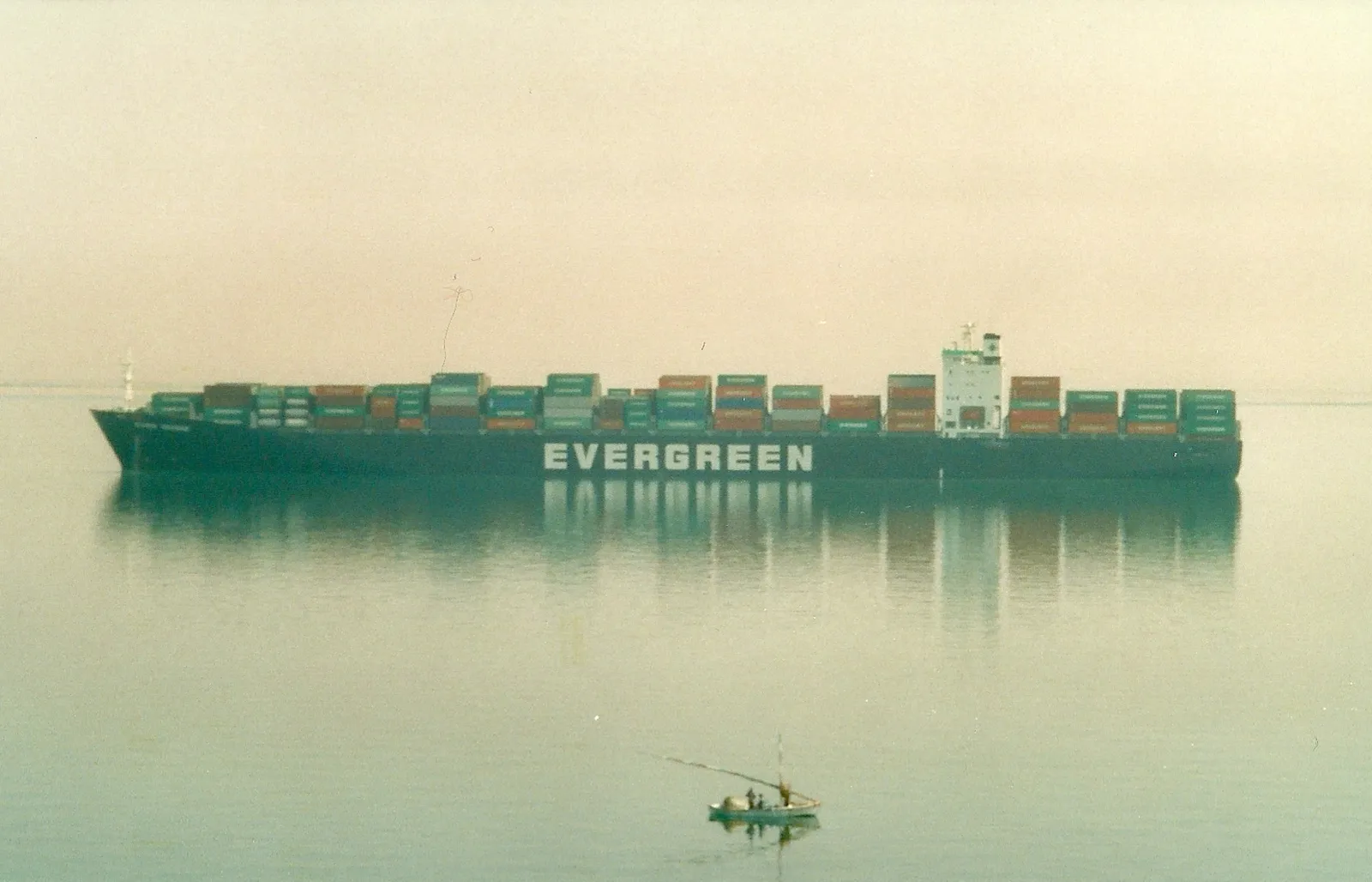
Exports from the Gulf and Asia to the West must pass through the Bab al-Mandeb before entering the Suez Canal. The US Energy Information Administration (EIA) reported that oil trade flows through the strait averaged 4.0 million barrels per day in 2024 through August, down from 8.7 million barrels per day in 2023 — the decline reflecting the disruption since Houthi attacks on shipping began. Under normal conditions, the strait carried roughly 12% of global oil shipments, according to EIA data reported by Mansfield Energy.
Closure would keep tankers from the Persian Gulf from reaching the Suez Canal or the SUMED pipeline, forcing them around the southern tip of Africa — adding weeks to journeys, engaging spare tanker capacity, and pushing up transit times and fuel costs. Unlike the Strait of Hormuz, which has no alternative outlet, the Bab al-Mandeb does not completely trap supply — ships can divert — but the economic penalty is immediate.
Why is it a war zone in 2026?
The strait was the site of Egypt's naval blockade of Israel in the 1973 Yom Kippur War, and its strategic importance has only grown. In the current war, the Houthis have treated control of the waterway as leverage: last month they seized effective control of the Bab al-Mandeb after claiming key Yemeni positions along the Red Sea coastline. In recent days, Yemeni government forces — backed by Saudi air support in Operation "Dawn of Yemen" — have claimed to have retaken some of those positions, CNN reported. The two sides' accounts differ, and the contest is inseparable from the wider fight: Houthi missile and drone attacks on Saudi airports in Riyadh and Abha, strikes on tankers in the Gulf, and the activation of the Mecca Joint Defence Agreement that is deploying Pakistani and Turkish forces to Saudi Arabia.
Why does the strait matter alongside Hormuz?
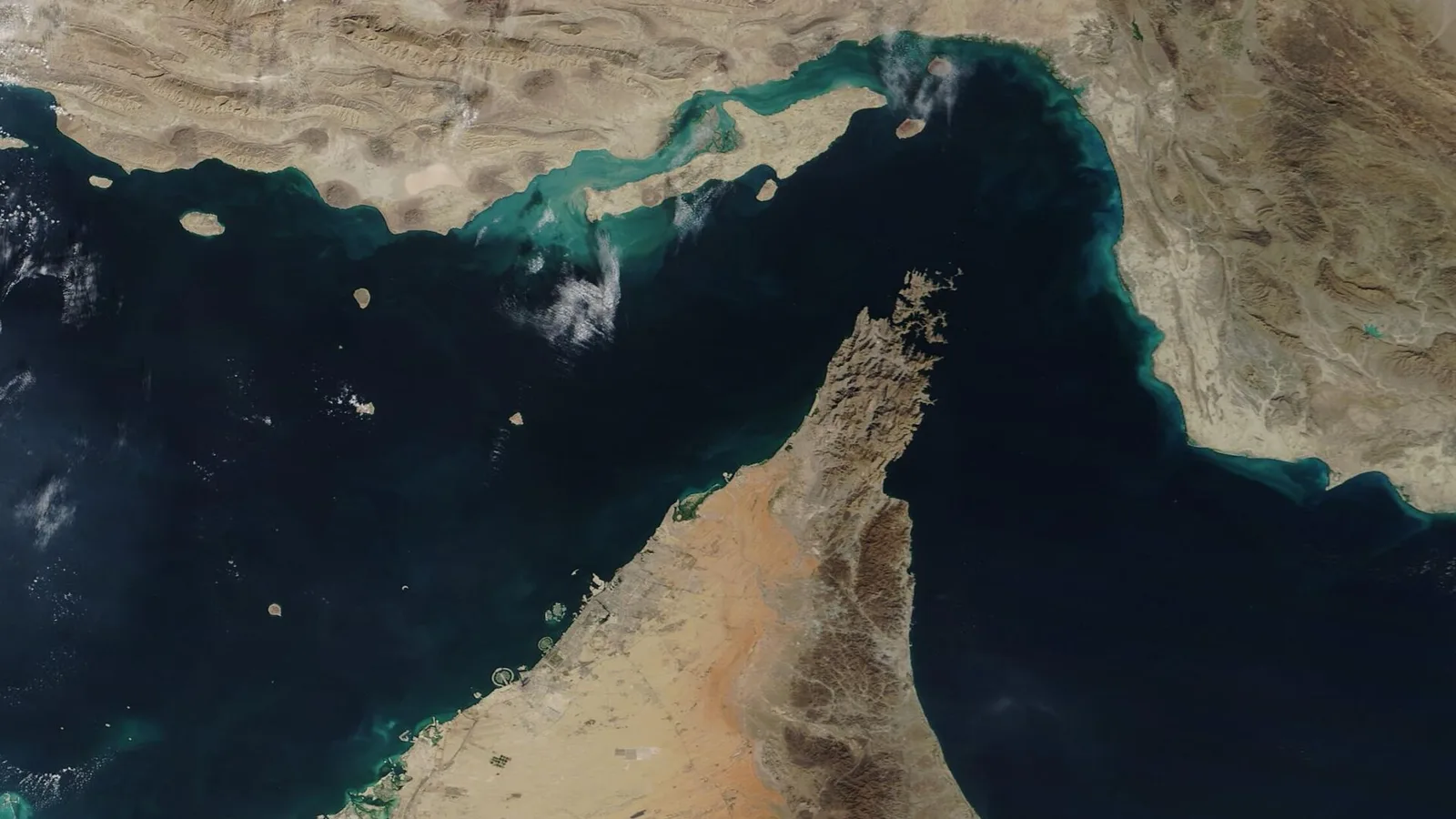
The Bab al-Mandeb and the Strait of Hormuz form a continuous maritime corridor for global energy trade. Under normal conditions Hormuz handles around 20 million barrels per day — roughly a fifth of global consumption — while Bab al-Mandeb carries smaller but still critical volumes toward Europe and North America. When Hormuz is disrupted, flows redirect toward the Red Sea, making the Bab al-Mandeb a second chokepoint in the same supply chain. In October 2026, both are under strain simultaneously: tanker attacks in Hormuz hit their highest levels of the war even as the fight for Bab al-Mandeb's shores intensifies.
---
Attribution notes: strait dimensions and channel names come from Reuters' factbox on the shipping lane. EIA flow figures (4.0 mb/d in 2024 vs 8.7 mb/d in 2023; ~12% of global oil shipments) are cited to the EIA as reported by Mansfield Energy. The 2026 control situation — Houthi seizure and Yemeni government counter-claims — is reported by CNN; each side's territorial claims are presented as their accounts. Historical detail (1973 blockade) is from Reuters.