The UN World Food Programme condemned an aerial attack that killed the driver of two clearly marked aid trucks in Sudan's South Kordofan state on October 3, 2026, and called for a prompt and impartial investigation. The attack — which WFP said it could not attribute to either side — came as Washington's top Sudan envoy met army chief Abdel Fattah al-Burhan in Egypt in a rare diplomatic encounter, even as Burhan publicly ruled out negotiations with the Rapid Support Forces (RSF).
What happened to the aid trucks?
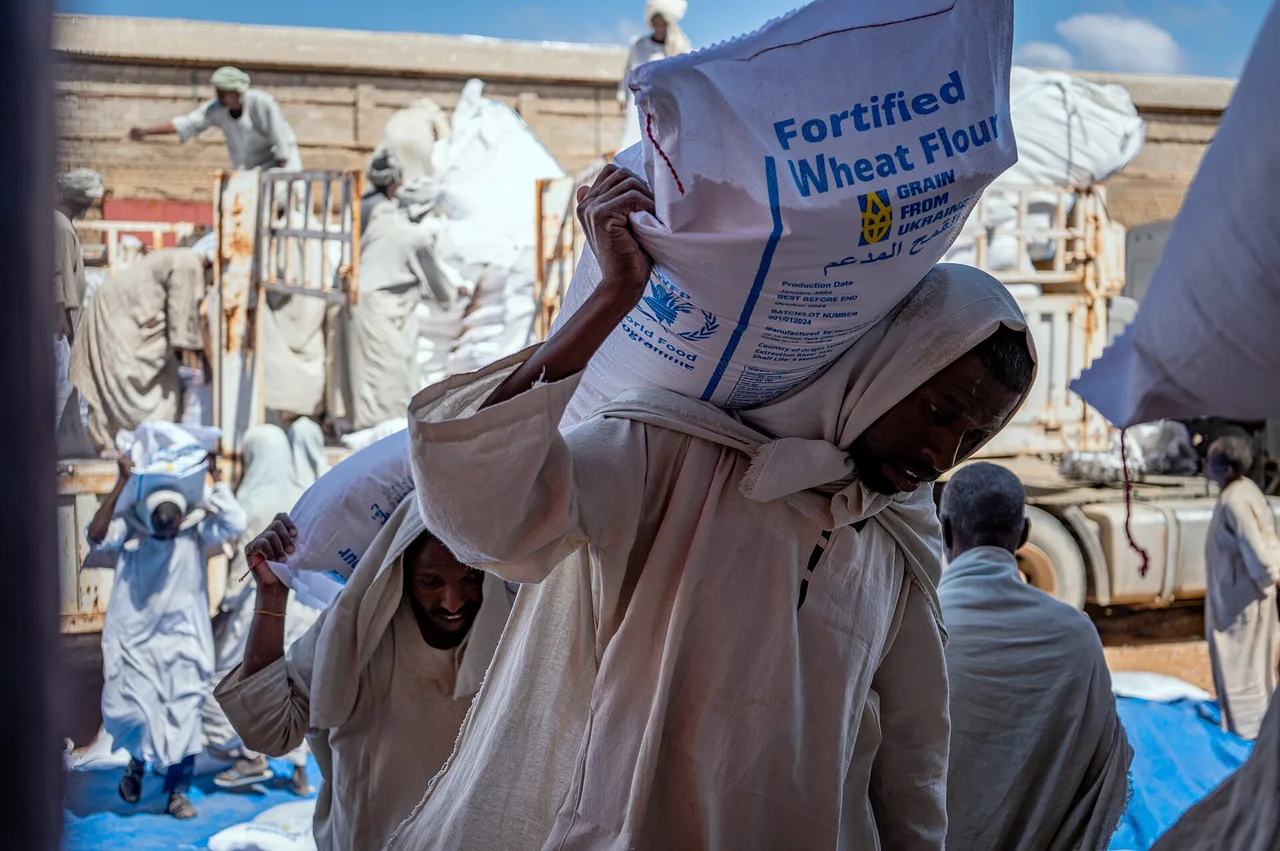
The aerial attack hit two contracted trucks carrying WFP food commodities in the early hours of Saturday, October 3, WFP said in a statement. The trucks were en route from Dilling to Kadugli and were clearly marked as humanitarian vehicles. One driver was killed. WFP said additional details regarding the circumstances of the incident, including the extent of the damage to the food cargo, were still being collected.
The attack came only one day after a WFP truck struck an explosive device in Dilling after delivering food assistance. "These incidents underscore the increasingly challenging security environment in Sudan and the risks that aid workers face when delivering life-saving assistance to communities in need," the agency said. WFP urged all those involved in the hostilities to respect their obligations under international humanitarian law and ensure safe and unimpeded access for humanitarian personnel and cargo.
South Kordofan is a contested front in the war between the Sudanese Armed Forces (SAF) and the RSF. UN aid coordination office OCHA said last year more than 30 million people needed humanitarian assistance in Sudan. WFP did not identify who carried out the aerial attack, and no independent attribution was available — this article does not attribute the strike to either side.
Who did the U.S. envoy meet?
U.S. Senior Advisor for Arab and African Affairs Massad Boulos said on X that he attended a lunch hosted by Egypt's President Abdel Fattah al-Sisi over the weekend alongside Burhan, Reuters reported on October 5. "We also reaffirm the United States' continued efforts, alongside our Egyptian partners and our other regional and international partners and allies, to advance a political solution to the crisis," Boulos said.
A senior official in Sudan's military-led government said Burhan had a "casual encounter" with Boulos, but the two did not hold any talks — a more modest characterization of the event than the envoy's account, Reuters noted.
The rare meeting came less than two weeks after Washington withheld a visa for Burhan ahead of a scheduled UN General Assembly appearance, in a move that Sudanese and other sources said was linked to a U.S.-backed ceasefire proposal that Khartoum has resisted. The U.S. State Department said last month that neither the SAF, the RSF, nor either of their respective leaders "represent legitimate, constitutional governance for Sudan." The war has displaced more than 14 million people, Reuters reported.
What is Burhan's position on talks?
Al Jazeera English reported on October 6 that Burhan rejected talks and vowed to retake all territory from the RSF, pledging the "military option" would continue until the paramilitary force was removed from Sudan. The report came as a local charity group accused the RSF of an attack in West Kordofan state that killed 10 civilians, according to the Dar Hamar Emergency Committee — a claim the RSF has not responded to publicly.
The fighting between the army and the RSF began in April 2023 after their leaders fell out over plans to integrate the paramilitary force into the army. Washington has accused the RSF of committing genocide and the army of carrying out war crimes; both have previously denied abuses, per Reuters.
Why does it matter?
The diplomatic track and the battlefield are moving in opposite directions: a rare meeting between the U.S. envoy and Burhan suggests renewed pressure for a humanitarian truce and civilian-led dialogue, but Burhan's public rejection of talks — combined with army advances in North Kordofan and RSF massing in West Kordofan — points to continued escalation. Meanwhile, the strike on clearly marked humanitarian trucks highlights the shrinking space for aid delivery in a war where, per UN figures, tens of millions depend on assistance.
Attribution notes: the airstrike on WFP trucks is attributed to no party — WFP did not identify those responsible and this article does not guess. The Boulos-Burhan meeting is reported by Reuters from the envoy's own post, with the Sudanese official's more limited characterization noted. Civilian casualty claims in West Kordofan come from a local emergency committee and are unverified. The Al Jazeera piece was opened and read via a documented verbatim Al Jazeera carrier.