A senior commander of Sudan's Rapid Support Forces, Siddiq Ander, says he has defected from the paramilitary group, accusing the relatives of its leader, Mohamed Hamdan Dagalo, of running the RSF as a family project — the latest in a string of senior RSF commander defections this year. The defection was reported by Al Jazeera on Friday, from exclusive video footage the outlet obtained. In the footage, Ander accuses Hemedti's relatives of tightly controlling the group's finances, weapons, troop movements and military promotions. His accusations are his own claims, published here in his own words; Al Jazeera's report carried no RSF response to them.
What did Ander accuse Hemedti's family of?
Of controlling every lever of the organisation he served. "It has become clear to us beyond any doubt that we were serving a purely family-based project controlled by Hemedti's relatives in every aspect, money, weapons, fighters' movements and the granting of ranks," Ander said. "Anyone who speaks out and tells the whole truth faces expulsion, imprisonment or a hidden death." Hemedti's brother, Abdul Rahim Hamdan Dagalo, serves as the RSF deputy commander — the one family role in the leadership that is a matter of the group's public structure rather than Ander's allegation. Beyond that structure, everything in Ander's charge — that relatives, rather than the chain of command, decide money, weapons, movements and promotions — is the defector's account, offered by a commander who has just left, and it is published as such.
How many senior RSF commanders have now left?
At least five this year, on Al Jazeera's count, several of them taking fighters with them. A wave of defections has seen several senior RSF commanders leave the group this year, including Lieutenant Colonel Mohammed Azraq al-Fanjari, who announced on October 8 that he was leaving, along with 300 officers and soldiers and 30 military vehicles, as Al Jazeera reported his announcement. Al-Fanjari also urged other fighters to abandon the RSF, expressing regret over the suffering caused by the war, Al Jazeera reported. His announcement came after the September 25 defection of Al-Tayeb al-Wahidu, who joined the enemy Sudanese Armed Forces (SAF) with 50 fighters in Omdurman, across the Nile from the capital, Khartoum, according to The Sudan Tribune. Al-Wahidu cited abuses within the RSF as his reason for leaving. Earlier, in May, Brigadier Ali Rizqallah, known as Savannah, announced his departure. And in April, Major General al-Nour Ahmed Adam, known as al-Qubba, joined the SAF and was publicly welcomed by Sudanese leader and military chief Abdel Fattah al-Burhan; al-Qubba's departure followed disagreements over military appointments within the RSF leadership, the Tribune reported.

What pattern do the defectors' stated reasons form?
Each man who gave a reason pointed inside the organisation, not at the battlefield — and Ander's charge is the most specific of them: that appointments, money and movements alike run through the leader's family. Al-Qubba left after disagreements over military appointments; al-Wahidu cited abuses within the RSF; and al-Fanjari expressed regret over the suffering caused by the war and urged others to abandon the group. Two of the five, al-Wahidu and al-Qubba, went over to the army the RSF is fighting. Whether the defections have cost the RSF fighting strength beyond the named parties — al-Fanjari's 300 officers and soldiers and 30 vehicles are the only substantial contingent in the reporting — is not established by the sources opened, and no figure for the RSF's total strength is given in them.
What is happening in the war the defectors are leaving?
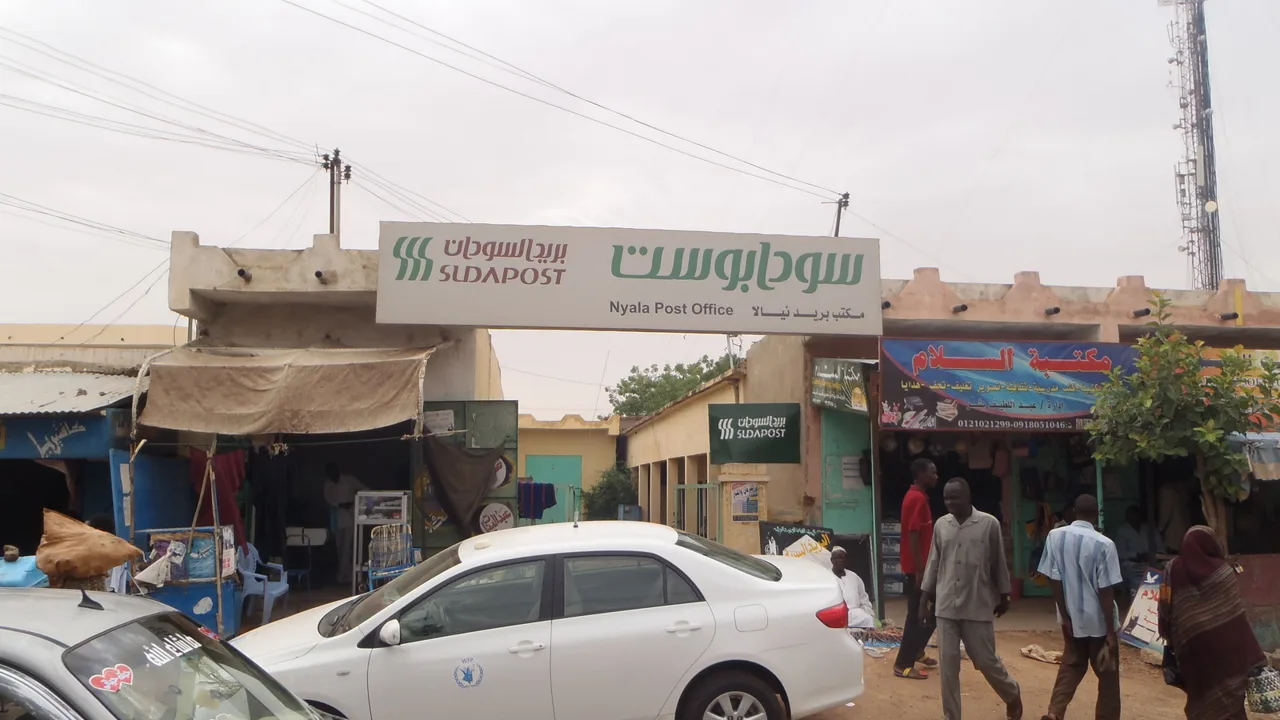
A drone war whose civilian toll is climbing, in a conflict now in its fourth year. Sudan's war erupted in April 2023 after a power struggle between the army and the RSF, including disagreements over plans to integrate the paramilitary group into the regular military. The conflict has since displaced about 13 million people and pushed parts of the country into famine. The latest defections come as both sides increasingly use drones in attacks that have caused mounting civilian casualties: the United Nations says drone strikes have become the leading cause of civilian deaths in Sudan's war. On October 26, strikes hit a market and residential area in Nyala, an RSF-controlled city in South Darfur. Emergency Lawyers, a Sudanese rights group, reported more than 100 deaths, although other medical organisations recorded lower figures — a toll published here as disputed, exactly as Al Jazeera reported it.
This report is drawn from Al Jazeera's October 30, 2026 report, opened and read in full via a verbatim carrier. Ander's nepotism accusations are published strictly as his own claims in his own words, with no RSF response carried in the report; the earlier defections are published as Al Jazeera reported them, including its attributions to The Sudan Tribune, and the Nyala toll is published as the disputed range Al Jazeera reported.