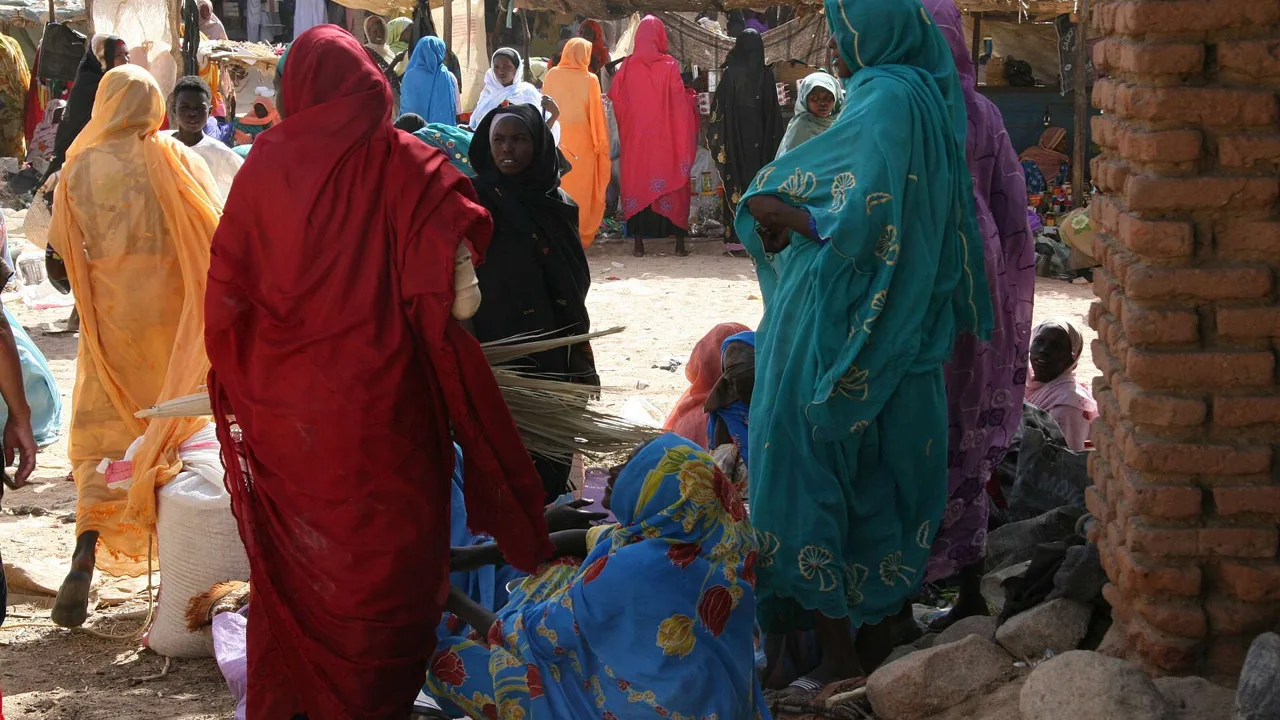
A drone strike on a busy market in Nyala, the capital of Sudan's South Darfur, at about 8 p.m. on Monday killed more than 100 people and injured 113, Emergency Lawyers, a Sudanese rights group tracking violence in the war, said in a statement on Tuesday — a toll the other counts from the city do not match. The Médecins Sans Frontières (MSF)-supported Nyala Teaching Hospital received the bodies of 36 people, 21 of them in civilian clothing, and its teams saw more than 150 wounded in the emergency room, MSF said. A medic at Nyala Hospital separately told AFP that 21 people were killed and more than 40 injured. Emergency Lawyers and MSF both attribute the strike to the Sudanese Armed Forces; no SAF response appears in the reporting opened, and none of the three tolls has been independently verified.
What are the three tolls, and why do they differ?
They come from three different vantage points on the same night, and they have not been reconciled. Emergency Lawyers, reporting for the city as a whole, said more than 100 people were killed and 113 injured, many of them women and children, condemned the strike as a massacre — "This massacre transformed a civilian marketplace into a scene of mass killing and injury" — and called for an independent investigation, AP reported. MSF counted only what reached one hospital: 36 bodies received, 21 of them wearing civilian clothing, and over 150 wounded patients seen in its emergency room. The AFP medic's count was lower and narrower still — 21 killed, more than 40 injured — and he was unable to identify how many of the casualties were fighters. MSF said a second strike also hit a civilian neighbourhood; AFP placed the market in the north of the city, MSF in the west. This article publishes all three accounts as each source stated them.
Who is accused of the strike?
The Sudanese Armed Forces, by the two organisations reporting from the ground — but the attribution is contested ground and is published here as attributed, not confirmed. Emergency Lawyers blamed the Sudanese military outright. MSF's statement also attributes the strike to the Sudanese Armed Forces. AFP's reporting established no attribution: one Nyala resident told AFP the market was frequented by young men, particularly RSF fighters, and no group had claimed responsibility as of Tuesday. Nyala is the RSF's de facto capital in Darfur, where the paramilitary has declared an administration rivalling the army-backed, internationally recognised government in Khartoum, and Sudan's military regularly strikes the city, AFP reported. Dale Koninckx, MSF's project coordinator in Nyala, described patients arriving "with shrapnel injuries, blood on their faces, and severe burns", carried in "on tuk-tuks and donkey carts", and asked: "Why are markets being targeted? The places where people need to access food, where a lot of civilians gather?" The strike follows an October 16 drone strike on Nyala's Al-Mawashi market that killed at least four people, MSF said.
Is this part of a wider drone escalation?
Yes — both wires describe a war now fought primarily by drones, striking deep into each side's territory. In the first three weeks of October alone, drone strikes killed over 300 people and injured hundreds more, according to a UN tally cited by AFP. AP reported that a massive escalation of drone strikes by both the RSF and the Sudanese army in recent weeks has killed hundreds, that explosive-laden drones have in multiple cases targeted civilian infrastructure including hospitals, dams, schools, markets and displacement camps, and that the UN calls drone strikes the deadliest threat to civilians in this conflict. The trading of strikes continued on Tuesday: a drone strike on the Al-Markhiyat transformer station in Omdurman left large parts of Khartoum without electricity for more than 12 hours, an electricity-company official told AP, blaming the RSF; AFP carried the same account from an electricity source. Sudan's war, begun in April 2023, has killed at least 59,000 people, according to the conflict monitor ACLED via AP, and created the world's largest humanitarian crisis, with about 34 million people — almost two in three Sudanese — needing assistance, according to the UN. Last week the Integrated Food Security Phase Classification warned that greater Darfur and Kordofan are at risk of famine, AP reported.
This report is drawn from AP's October 28, 2026 report, opened and read in full via a verbatim carrier, AFP's October 27, 2026 report, opened and read in full via a carrier, and MSF's October 27, 2026 statement, opened and read in full on msf.org. The casualty figures are published unreconciled, exactly as each source stated them — Emergency Lawyers' more than 100 killed and 113 injured, MSF's 36 bodies received and more than 150 wounded seen, and the AFP medic's 21 killed and more than 40 injured — and the attribution to the Sudanese Armed Forces is Emergency Lawyers' and MSF's, published as attributed; AFP established no attribution and no SAF response was available in the reporting opened.