The Sudan famine risk is rising across Greater Darfur and Greater Kordofan, where war, mass displacement and a severe El Niño drought are combining to push malnutrition past critical levels, the UN-backed Integrated Food Security Phase Classification (IPC) warned in an alert on Monday. The alert is a warning of growing risk — not a new famine declaration — and it rests on fresh survey evidence: most nutrition surveys taken in Greater Darfur this year found critical levels of acute malnutrition, while aid remains blocked by insecurity, restricted access and a funding shortfall.
What did the IPC actually find?
The IPC found malnutrition worsening in several hotspots, with the starkest figures in South Darfur. In Eastern Jebel Marra, surveys of two camps for displaced people measured acute malnutrition among children at 38 per cent and 30.8 per cent — both above the threshold associated with famine — alongside severe hunger and high death rates. Across Greater Darfur as a whole, 13 of the 17 nutrition surveys carried out since January found critical levels of acute malnutrition.
The trend lines point the same way. In Nyala, the share of children arriving for nutrition help who needed treatment for severe acute malnutrition more than doubled between January and August, from five to 11 per cent. Yet treatment is not keeping up: as of August, only 26 per cent of the children expected to need care for severe acute malnutrition with medical complications had received it, and the IPC warned that without treatment as many as two thirds of them could die. The IPC's Famine Review Committee was explicit about the limits of the evidence — there is not enough survey data for a full analysis — while concluding that what exists points to a rapidly worsening situation.
How is drought compounding the war?
Drought is compounding the war by destroying the harvest that war-displaced families would otherwise fall back on. The IPC said drought now covers more than half of Sudan, wiping out crops in some areas and leaving families without food or income. In North Darfur, 64 per cent of cropland is showing poor plant growth. Rain finally arrived in late September, but too late to save most cereal crops, and the alert said cereal prices are very likely to keep rising as a result.
The World Health Organization, which takes part in the IPC partnership alongside the World Food Programme and the Food and Agriculture Organization, described the knock-on effects in the same terms in its own Darfur assessment last week: scarce clean water and severely limited healthcare leave a poorly nourished population more exposed to disease and death. WHO's top official in Sudan, Dr Abdinasir Abubakar, said after a ten-day mission to health facilities across Darfur in September that he had witnessed an immense scale of health and humanitarian need, with malnutrition a major concern in the facilities he visited and stocks of medicines for HIV, tuberculosis and other diseases running dangerously low.
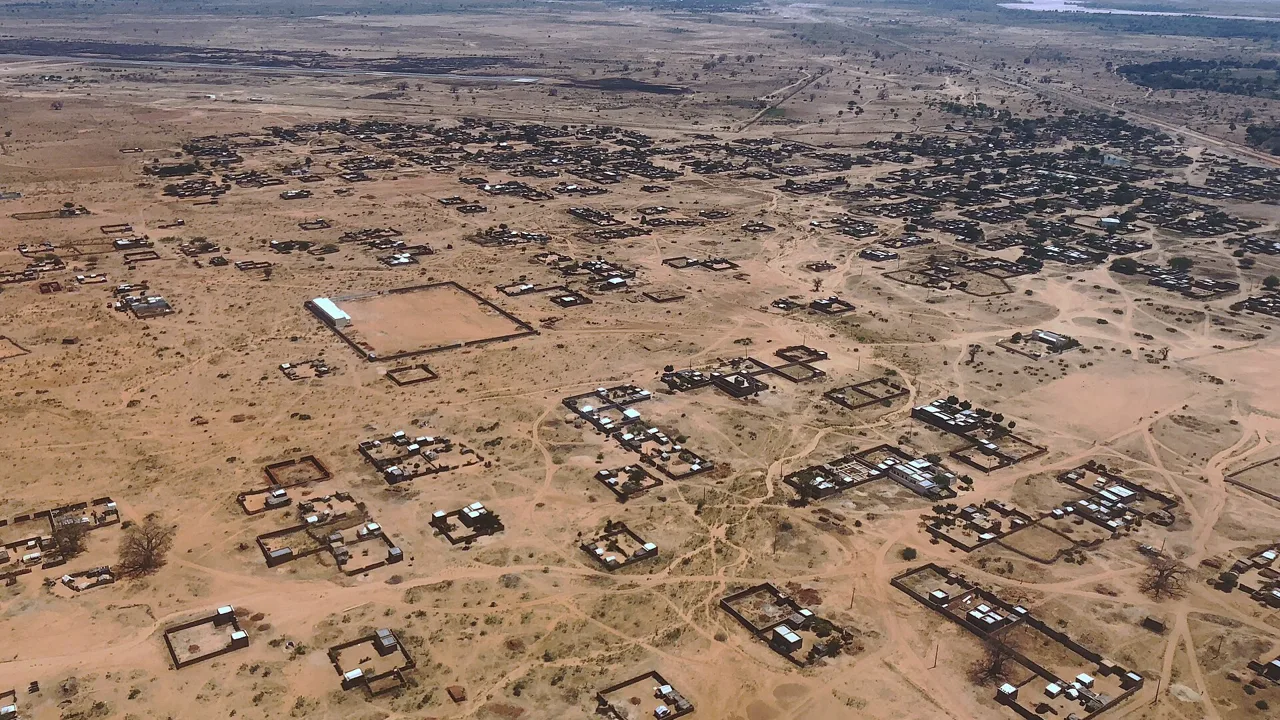
What is happening in Kordofan, the alert's other focus?
Greater Kordofan is the conflict's current epicentre, and its displacement figures are the alert's second pillar. More than 300,000 people have been forced from their homes there since October 2025. Markets — the mechanism by which displaced people who have lost their farms buy food — have been hit by more than 170 airstrikes, looting incidents or armed clashes this year, according to the alert. The fighting between the Sudanese army and the paramilitary Rapid Support Forces (RSF) continues to take a heavy toll on civilians and on the aid operation itself: two trucks contracted by the WFP came under fire on October 2 and 3, killing at least one person, a driver, in South Kordofan.
Darfur's own displacement load frames the scale. The region hosts 65 per cent of Sudan's 8.6 million displaced people, according to the International Organization for Migration figures cited by UN News, and more than 700,000 displaced people in Tawila alone face severe shortages of healthcare, food, water and protection, WHO warned last week. Against that need, the money is not there: as of October 8, less than half of the humanitarian appeal for Sudan had been funded, and only 23 per cent of WHO's own $97.7 million appeal for 2026.
What is the IPC asking for — and what happens next?
The alert called for an end to the fighting, safe and sustained access for aid agencies — especially in North and West Kordofan — and flexible funding on a large scale. Without a major increase in help, it warned, more lives will be at risk. The Famine Review Committee put the conclusion in plainer language, describing a humanitarian catastrophe already of historic proportions.
Diplomatically, nothing in the past week changes the war's trajectory. The UN Security Council last Thursday unanimously renewed its Sudan sanctions regime — targeted sanctions plus the Darfur arms embargo — for just two months, until December 11, after a US push to extend the embargo to the whole country failed to win consensus. A separate US-backed 90-day ceasefire proposal remains stuck, resisted by the army, according to UN News. The famine-risk alert therefore lands in a familiar gap: the monitors can measure the collapse in unusual detail, while the fighting, the access restrictions and the funding shortfall that drive it remain unresolved.
This article reports the IPC alert and UN agencies' own assessments as they published them. The alert warns of growing famine risk; it is not a famine declaration, and the Famine Review Committee's data caveat is stated in the text.