Sudan's army chief has publicly torn up Washington's leverage. Abdel Fattah al-Burhan, the de facto leader of Sudan's military government, vowed on Saturday to pursue his war against the Rapid Support Forces (RSF) to its end — dismissing U.S. pressure for a truce and the diplomatic storm over his withheld American visa in the same speech.
The United States had tied Burhan's visa for the UN General Assembly to a 90-day ceasefire proposal, according to sources cited by Reuters. Burhan's answer, delivered to a rally at Khartoum Stadium: "We do not want a visa to any country, nor do we want their permission, nor do we want anything." His goal, he said, is to "eliminate this militia, no matter the cost."
The visa that became a weapon
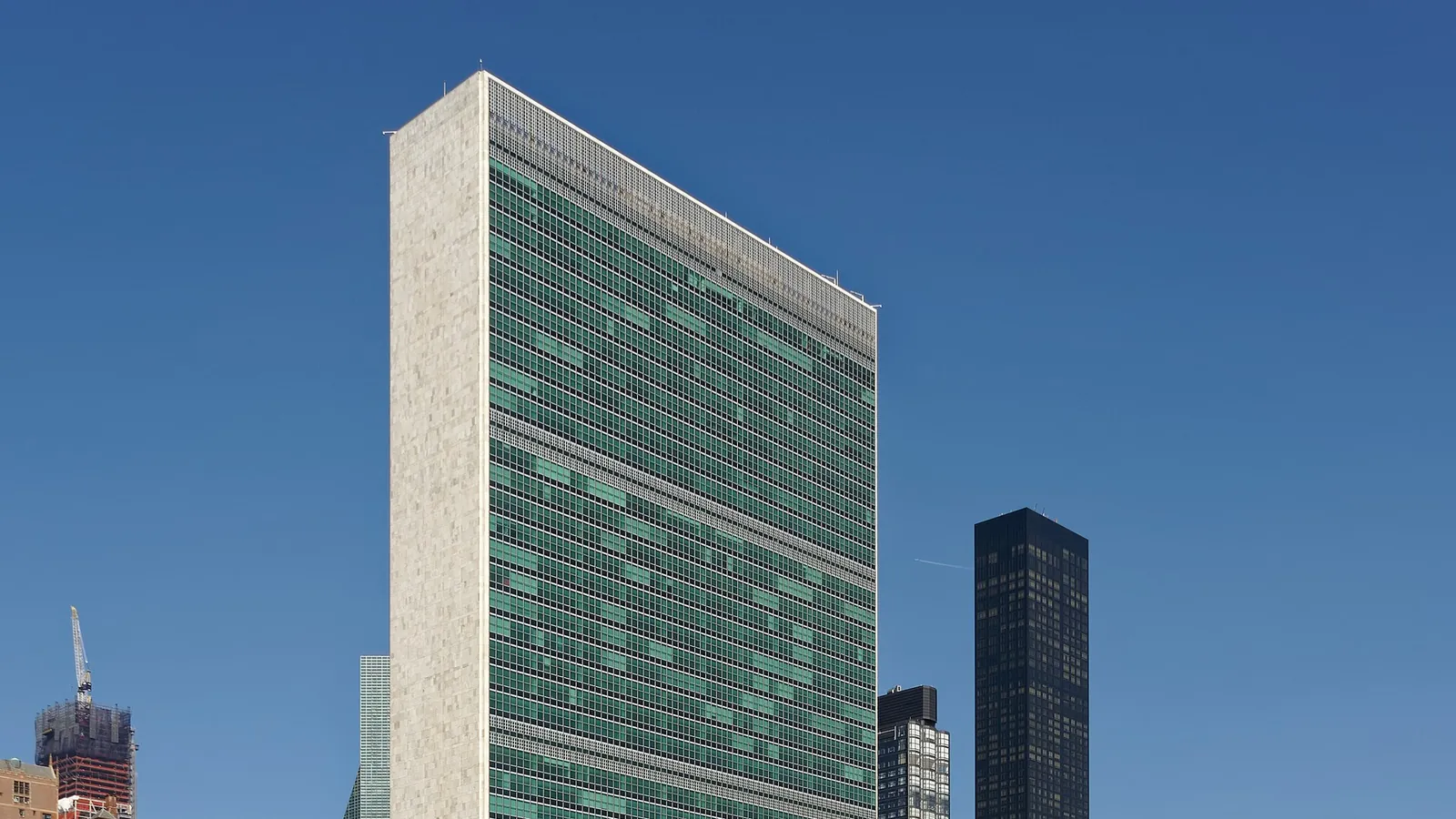
Reuters reported on September 22 that Washington was withholding Burhan's visa ahead of his scheduled UN appearance, in a move Sudanese and other sources linked to a U.S.-backed ceasefire proposal that Khartoum has resisted. A senior Sudanese source told Reuters that Burhan had postponed his trip to New York but had yet to receive official notice that the visa had been denied, calling the move "a violation of the UN Convention and international law."
U.S. officials made Burhan's attendance contingent on his agreeing to the 90-day ceasefire proposed by Massad Boulos, the U.S. senior adviser for Arab and African affairs, according to a Sudanese diplomatic source and a Western analyst close to American and Sudanese officials. Sudan's UN ambassador appealed to Secretary-General António Guterres to intervene, arguing in a September 21 letter that barring Burhan would violate the UN's obligations to member states. Guterres's spokesperson said the secretary-general was "deeply concerned" and was engaging with the U.S. on the issue.
The State Department declined to comment on the visa itself, but spokesman Tommy Pigott said neither the Sudanese Armed Forces, the RSF, nor their leaders "represent legitimate, constitutional governance for Sudan" — and that the U.S. would "seek to raise the cost of continued conflict on all belligerents and the networks which fuel the conflict."
Reuters described the impasse as the nadir in U.S.–Sudan relations since the war erupted in April 2023, in what the UN calls the world's largest humanitarian crisis. Sudan's army had already voiced reservations about the Boulos ceasefire in July, and a piece by Burhan in Foreign Policy said he would refuse external directives about the war, arguing previous pauses had only let the RSF and its backers regroup.
A general with momentum — and mounting allegations
Burhan is rejecting the deal from a position of battlefield strength. Responsible Statecraft reported, citing Al Jazeera, that the Sudanese Armed Forces captured the strategic North Kordofan town of Sodari days before his speech — the latest gain in a year in which the army has retaken the capital Khartoum and swathes of central territory, pushing toward Darfur, the RSF's stronghold.
That momentum is shadowed by deepening allegations against his forces. In May 2025, Washington determined that Sudan's government had used chemical weapons in 2024 — a finding that triggered U.S. sanctions, followed by a second round in June 2026. Sudan's UN envoy rejected the accusations, saying Washington supplied no proof, while U.S. officials maintained the determination and called for full cooperation with the Organisation for the Prohibition of Chemical Weapons. Separately, a UN-mandated fact-finding mission reported in September 2025 that both the army and the RSF deliberately targeted civilians in violations amounting to war crimes — including, it said, the army's killing of dozens of Kanabi community members in Gezira and sexualised torture in detention, alongside extensive RSF crimes, including crimes against humanity.
Burhan's message in Khartoum offered no shift toward a pause. The army chief instead reaffirmed a pursuit of outright military victory — and warned Washington, in effect, that it cannot buy his cooperation with a visa.
With U.S. diplomacy rebuffed, RSF leader Mohamed Hamdan Dagalo declaring it is "time for the rifles to speak," and Sudan's war deepening the world's largest displacement crisis, the space for any near-term ceasefire appears narrower than at any point in months.