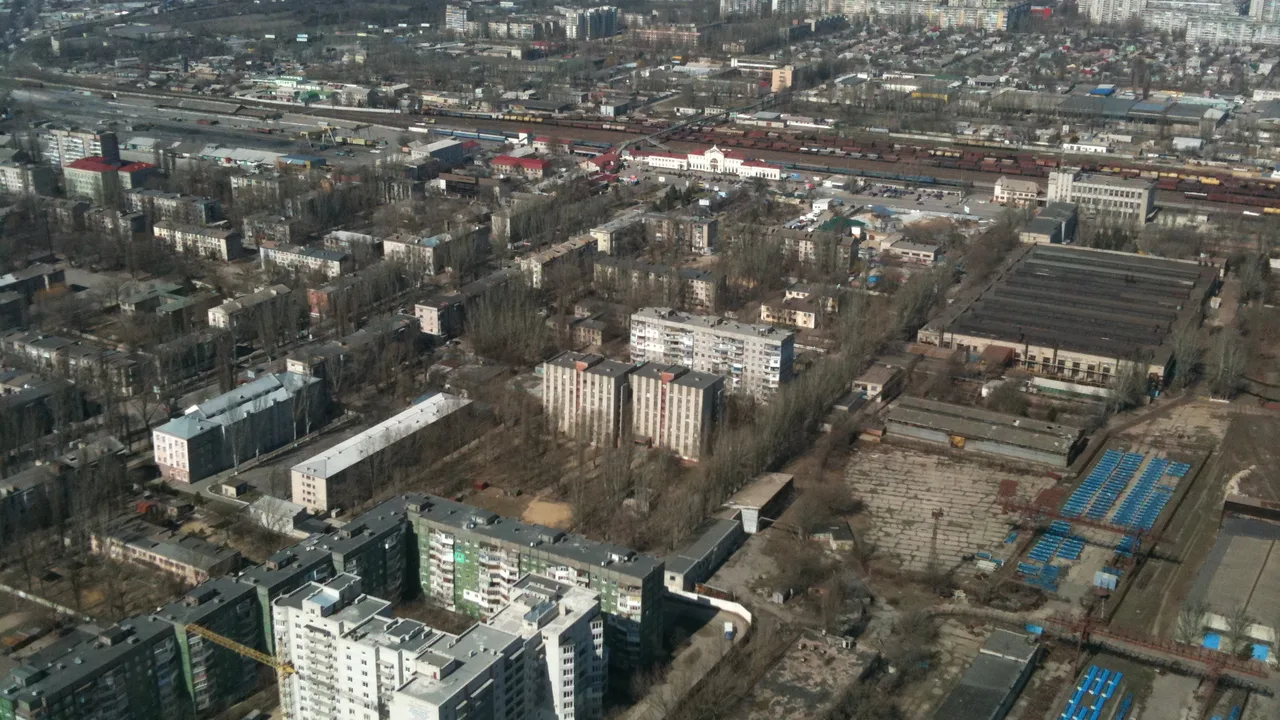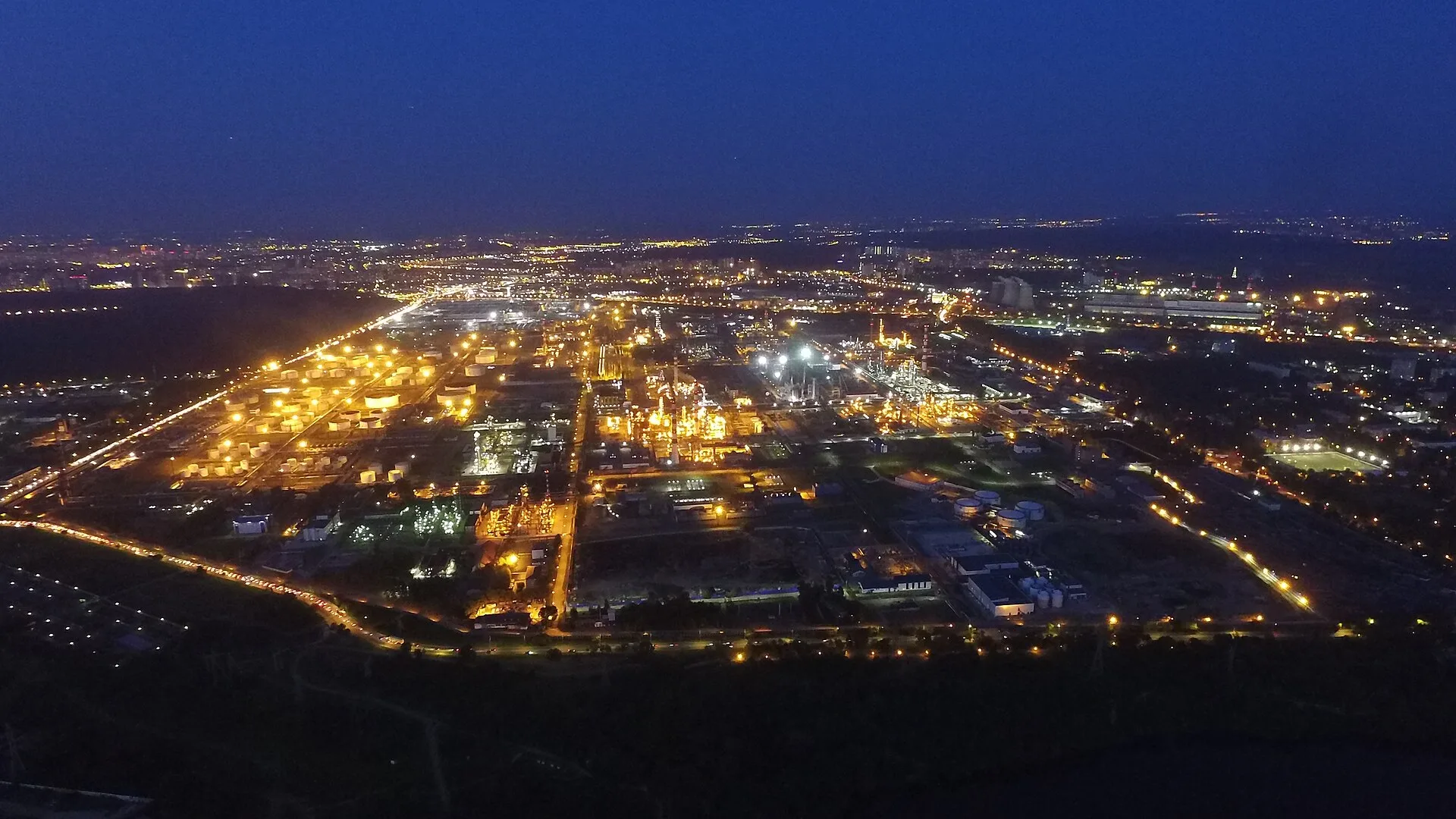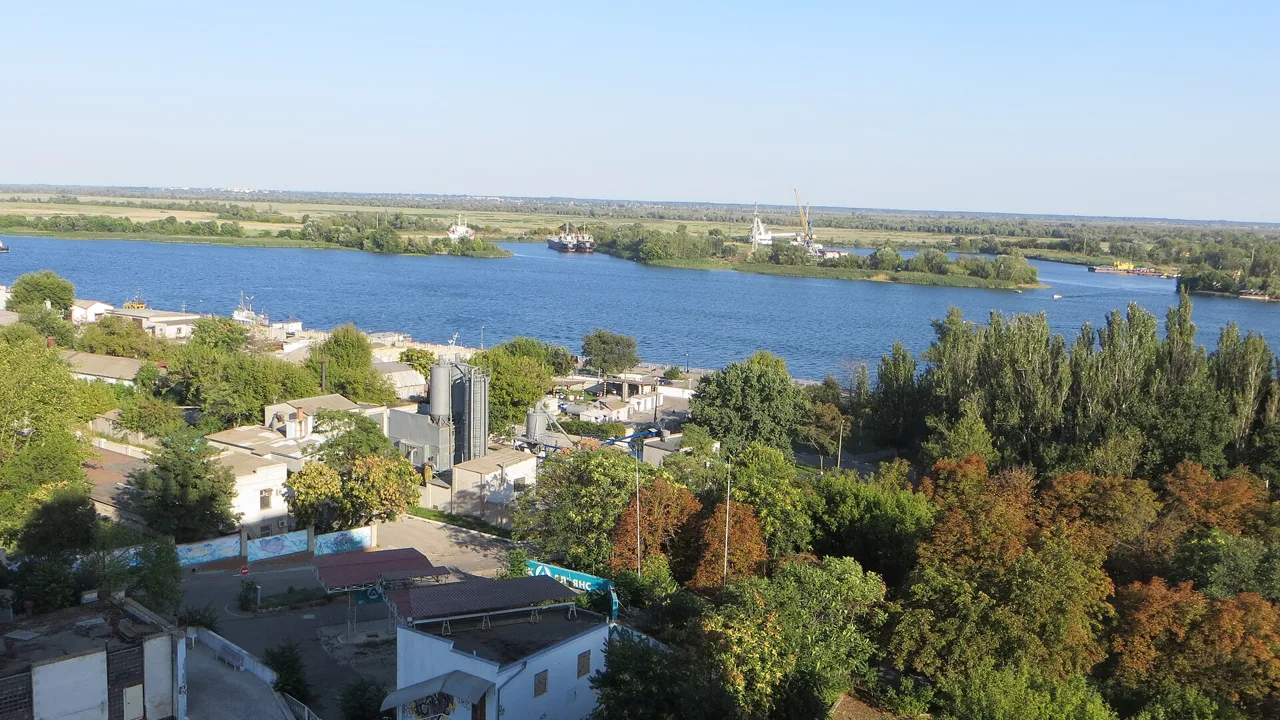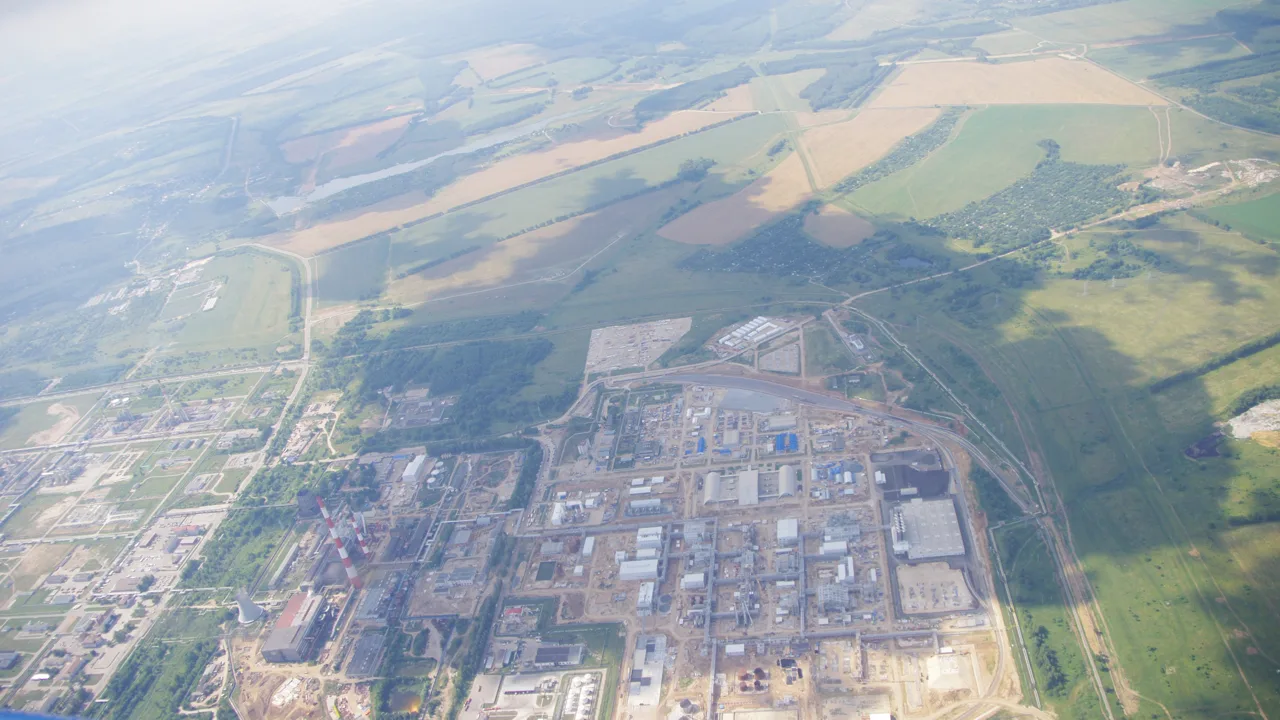
Ukraine power outages left hundreds of thousands of households without electricity on Sunday after Russia hit power infrastructure in four Ukrainian regions overnight, President Volodymyr Zelenskiy said — the second night in a row in which Zelenskiy reported mass power outages — while in Russia, a massive drone attack damaged an industrial facility in the Kstovo district of Nizhny Novgorod region, amid reports that a refinery thought to be one of the country's largest had been struck. The two attacks, reported within hours of each other, are the latest exchange in an energy war in which each side has repeatedly struck energy infrastructure the other depends on.
What did Russia hit in Ukraine overnight?
Power infrastructure in four Ukrainian regions, according to Zelenskiy, leaving hundreds of thousands of households without power on Sunday. "The intensity of the strikes is very high, and the Russians are seeking to maximally exploit the deficit of ballistic missile interceptors," Zelenskiy said on Telegram, Reuters reported. The Sunday figure follows a larger, itemised count from the night before. Zelenskiy said on Saturday that around 280,000 Ukrainian households had been left without power after Russian strikes on Ukraine on Friday night, Euronews reported. "Russian strikes have created a difficult situation with electricity supplies across our regions," Zelenskiy wrote in a post on X on Saturday, saying that around 200,000 households in Dnipro and the wider region were without electricity while a further 80,000 or more in the Kyiv region were also without power. The Ukrainian leader said Russian forces had hit, in those Friday-night strikes, a combined heat and power plant in Kyiv as well as four electrical substations in the eastern Dnipro region, among other targets.
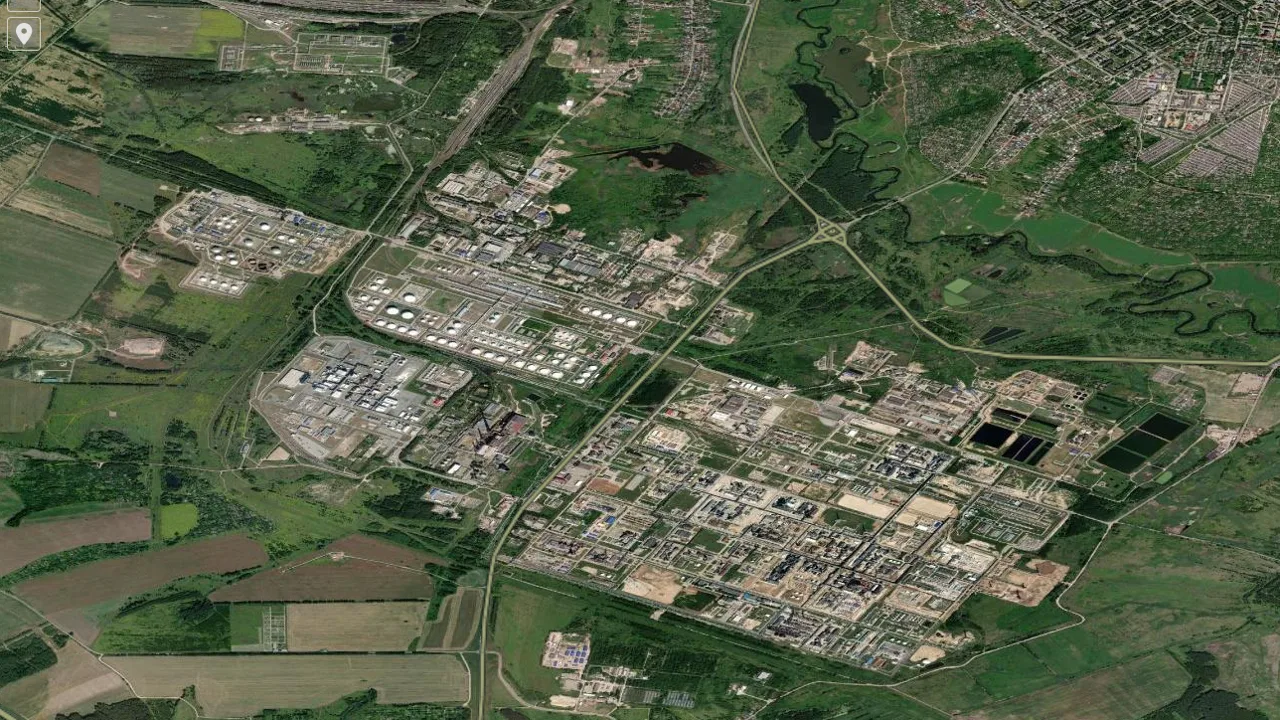
What was damaged in the Kstovo district?
An industrial facility sustained significant damage, the regional governor said, without naming it. In a post on Telegram, regional governor Gleb Nikitin said a "massive UAV attack" had resulted in "significant damage" to an industrial facility in the Kstovsky district. "More than 100 drones have been destroyed," he wrote, adding that early information suggested there had been no casualties and that emergency crews were working at the scene. Separately, Nikitin warned residents about local services during the restoration work: "Whilst restoration work is underway, there may be temporary power cuts, as well as reduced hot water and heating supplies in certain sections of the utility networks serving residential buildings," he said. Telegram war monitoring channels said an attack had targeted the Kstovo oil refinery — also known as the Lukoil-Nizhegorodnefteorgsintez refinery, thought to be one of Russia's largest such facilities. According to Lukoil, the site is involved in the production of diesel and aviation fuel, among other things. The refinery identification rests on the monitoring channels' reporting as carried by Euronews; the governor's statement, the only official account opened, does not name the facility, and the extent of any damage to the refinery itself has not been independently confirmed.
Why are both sides striking energy infrastructure?
Because each treats the other's energy system as a war-sustaining target. Earlier this week, a major fire reportedly broke out at another oil refinery in Russia's Samara region following a drone attack — the incident this site reported on Friday from the Novokuybyshevsk plant. That incident followed reports that Ukraine had paused strikes on Russian refineries amid pressure from Washington, which has blamed the attacks on rising global diesel prices as it has sought to shift blame from its war in Iran, Euronews reported. Ukraine had been ramping up attacks on Russian energy infrastructure this year, particularly targeting facilities such as oil refineries, terminals and depots, in a bid to hit a critical Russian economic driver and grind down the Kremlin's war machine. Russia's campaign runs the other way: its strikes have repeatedly hit combined heat and power plants and substations — the electricity and heating networks Ukrainian cities depend on in the coldest months — and Zelenskiy's comment about a deficit of ballistic missile interceptors points to the constraint on Ukraine's ability to stop the fastest weapons in that campaign.
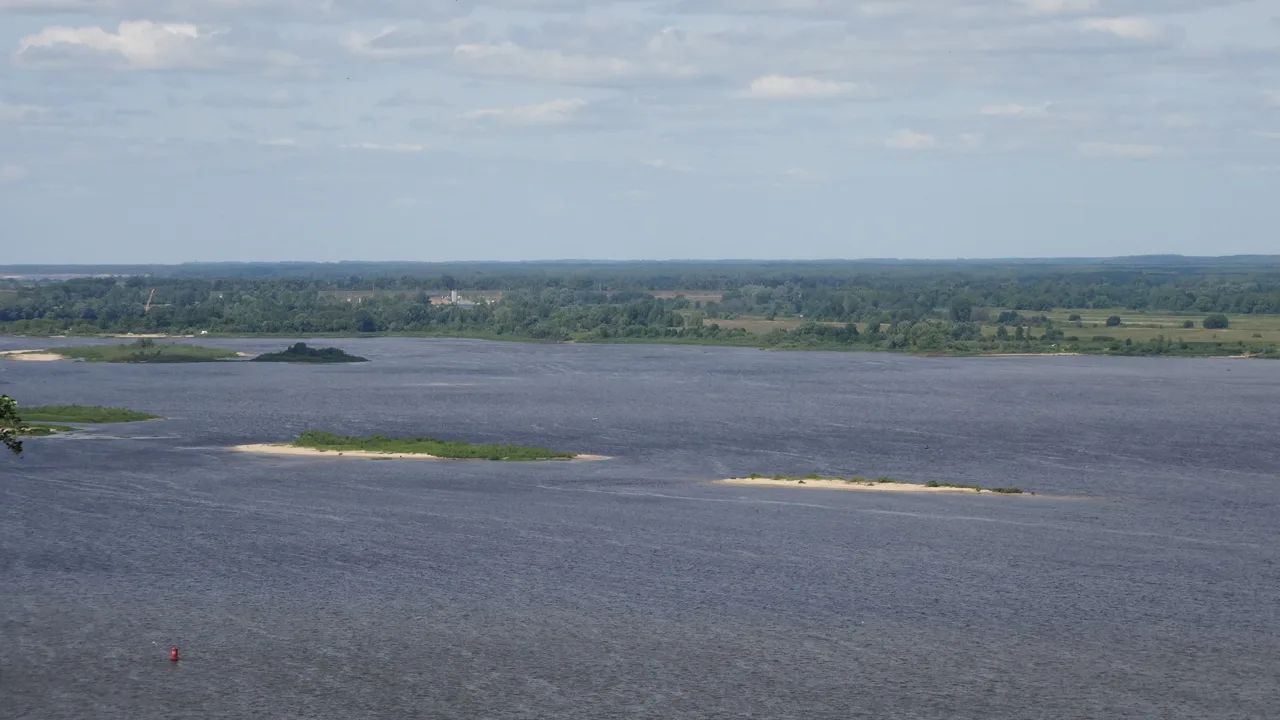
What is still unknown?
The full extent of the damage on both sides. Ukraine has not published a region-by-region breakdown of Sunday's outages beyond Zelenskiy's four-region account, and restoration timelines were not given in the reporting opened. In Russia, the governor's statement confirms significant damage to an unnamed industrial facility and warns of local power, hot-water and heating cuts during restoration, but neither the facility's identity nor the damage to it has been officially confirmed. Both claims are published here as the officials made them, with the refinery identification carried as a reported — not verified — identification.
This report is drawn from Reuters' November 1, 2026 report, opened via a syndicated carrier, and Euronews' November 1, 2026 report, opened and read in full via a verbatim carrier; market figures are from Kitco reporting opened November 1. The Kstovo refinery identification is published as reported by war monitoring channels, with the governor's non-naming of the facility and the absence of independent damage confirmation stated in the text, per the two-source rule.