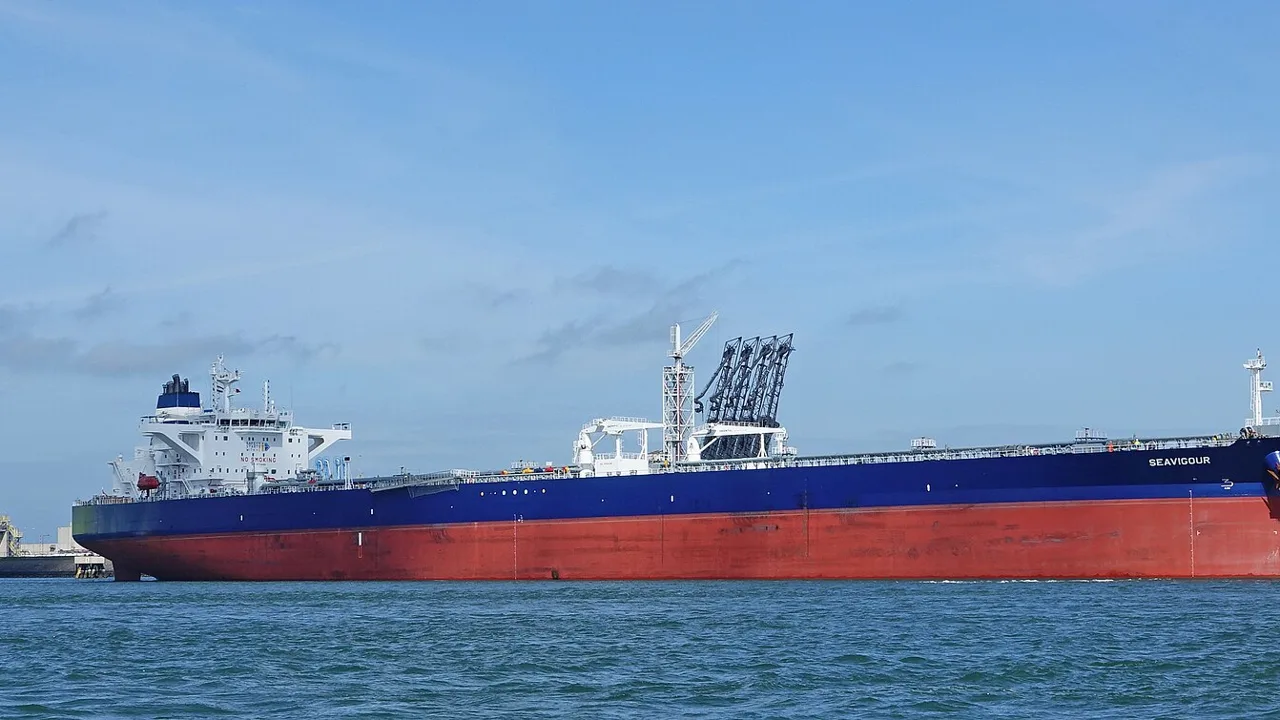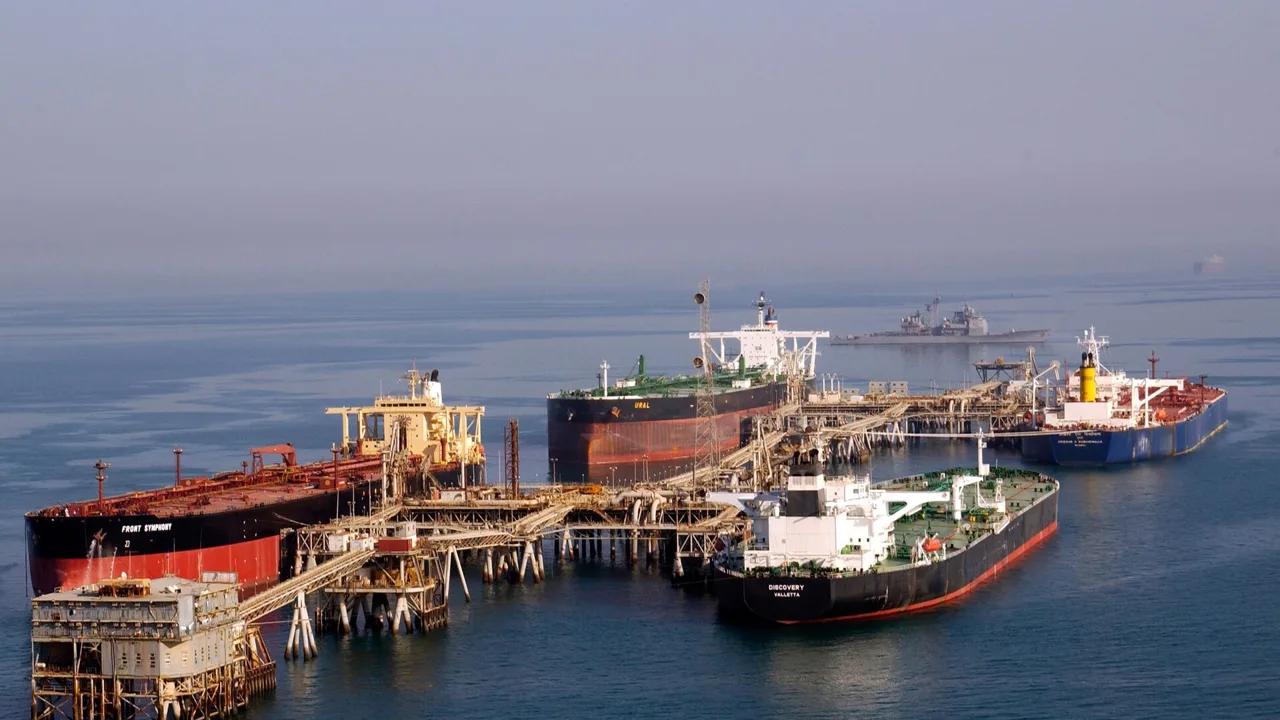
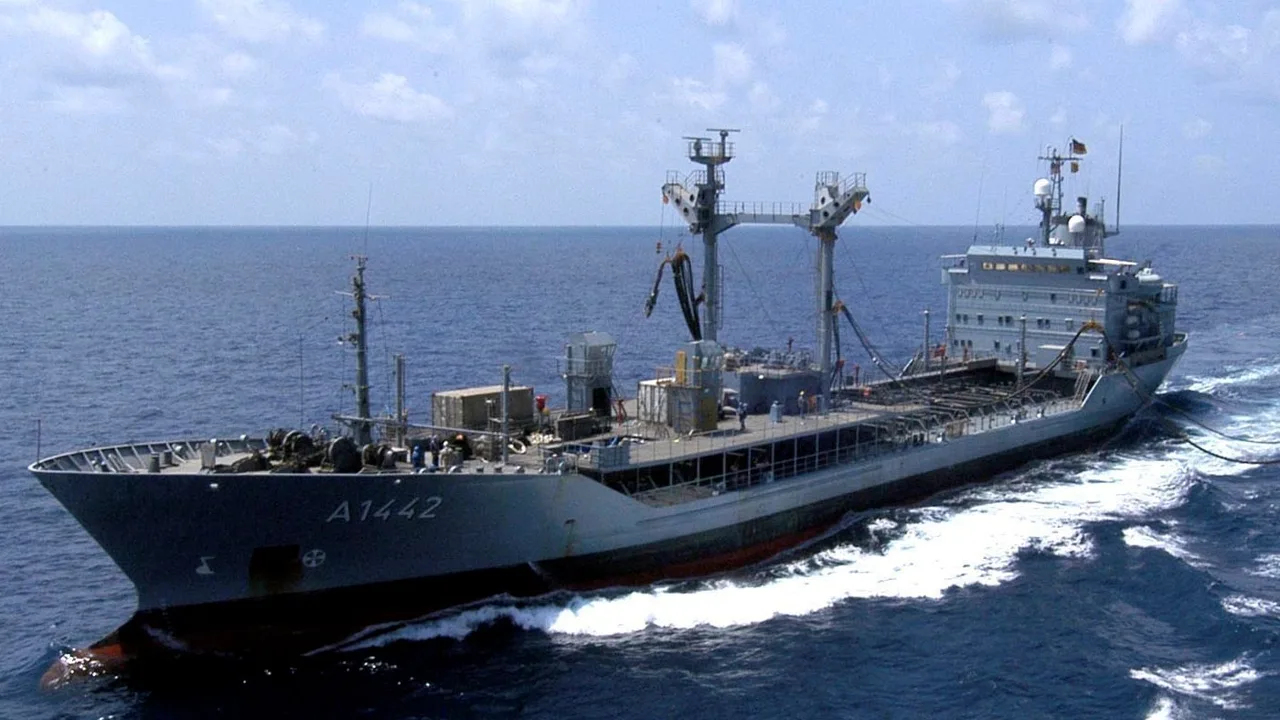
Oman's navy rescued all 25 crew members of the Panama-flagged crude tanker RITI after the ship was targeted and caught fire near the Strait of Hormuz on Friday — the latest Strait of Hormuz tanker attack in a week that also saw a verified hull bombing of another tanker on Thursday and a set of Iranian mine claims the United States publicly disputes. Oman's Maritime Security Centre said the navy "carried out an evacuation operation for 25 crew members of the merchant ship RITI, flying the Panamanian flag, after it was targeted, which led to a fire breaking out on board," AFP reported. The crew members were provided with medical care, the Omani statement said, without giving details. The ship-tracking website MarineTraffic described the RITI as a crude oil tanker.
What happened to the RITI?
The Omani statement establishes the rescue, the fire and the crew's evacuation — and little else. It did not say who targeted the ship, what weapon was used, or how badly the vessel was damaged, and it gave no details of the crew's condition beyond the medical care provided. The incident came a day after a separate, UKMTO-verified attack in the same waters, in which attackers in a small boat attached two explosive devices to an outbound tanker's hull 25 nautical miles northeast of Khasab, starting an engine-room fire; that ship's crew was unhurt and the vessel resumed its voyage, as this site reported on Friday from UKMTO's warning. Whether the RITI incident involved the same method has not been stated by any source opened for this report.
What does Iran say happened in the strait on Friday?
That three oil tankers were halted on a route Tehran does not authorise — an account whose connection to the RITI is explicitly unresolved. Iran's Revolutionary Guards said three oil tankers had been halted after encountering unspecified "incidents" or hitting mines. "Two offending oil tankers, one in the eastern part and the other in the western part of the Strait of Hormuz, which were attempting to pass through the unauthorised route, encountered incidents and were brought to a halt in the waters south of the strait," the IRGC said in a statement. The tankers had "switched off all their navigation and positioning systems and, with the support of the terrorist US military, were attempting to exit through the unauthorised route", the Guards' statement said, and Friday's incidents occurred after the vessels received several radio warnings but disregarded them. In a later statement, the IRGC said a supertanker carrying two million barrels of oil had stopped following an explosion "after striking a naval mine while navigating an unauthorised route through the Strait of Hormuz", adding: "This is the third oil tanker to have exploded and caught fire today as a result of attempting to pass through an unauthorised route." The Guards did not specify the nature of the first two tankers' "incidents", which came a day after Iran's armed forces said at least four tankers had stopped in the area after hitting mines. Al Jazeera reported that it is unclear whether one of the vessels in the Iranian account was the tanker whose crew Oman evacuated. Separately, to the east of the strait, Iran's navy said it struck and destroyed an unmanned enemy craft on Friday, Al Jazeera reported.
What do the United States and UKMTO say?
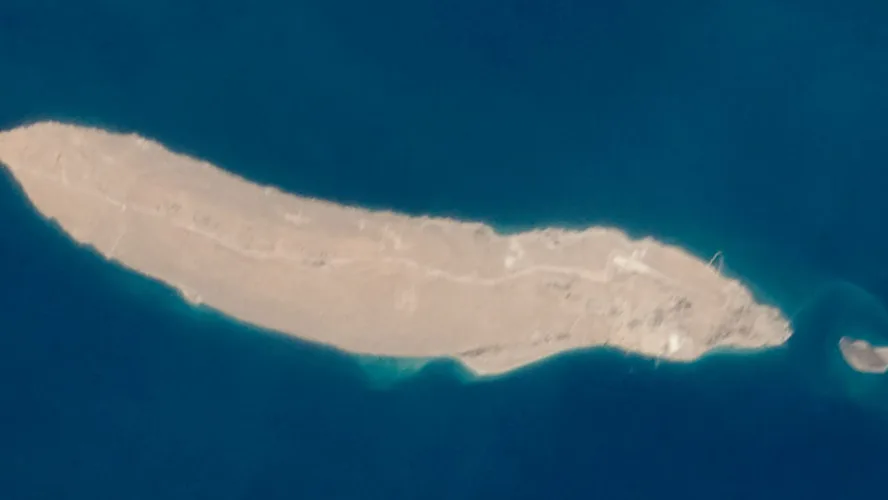
The two accounts contradict each other on mines. US Central Command chief Brad Cooper said in a video released on Friday that US forces had "successfully cleared the strait's internationally recognised primary transit routes of Iranian sea mines". US forces remain "present to ensure that all primary transit routes in the Strait of Hormuz remain free and clear", he added. Cooper said he had visited some of the more than 50,000 US service members in the region, repeating earlier statements that Washington has helped Gulf countries export more than 1.5 billion barrels of crude via the strait since summer. The United States has responded to Iran's blockade of the strait with a counterblockade of Iranian ports, further restricting Tehran's ability to export oil and conduct trade. The British maritime security agency UKMTO, meanwhile, reported a further incident of its own on Friday: a ship 40 nautical miles (74 kilometres) south of Lavan island in Iran was struck by an unknown projectile, which caused a fire onboard. "The crew of the vessel have been reported as safe and there is no reported environmental impact at this time," UKMTO said on X. UKMTO did not name that vessel in the reporting opened, and no source opened connects it to the RITI.
Why is the route itself the dispute?
Because Tehran claims the right to license passage through the waterway, and says the southern corridor is not licensed. Iran has demanded that vessels use a designated route through the strait and coordinate their passage with the country's armed forces, labelling a southern corridor closer to Oman's shores as unauthorised. Tehran has restricted maritime traffic through the strait since the Middle East war erupted on February 28 with US-Israeli strikes on the Islamic republic, and it has repeatedly warned vessels against passing without its permission: last month it said vessels attempting to pass through the strait without authorisation would face "destruction", Al Jazeera reported. The narrow waterway normally carries about a fifth of global oil, and ships have regularly come under Iranian fire since the war began. Friday's verified core is narrow — a crew of 25 brought off a burning tanker by Oman, and a UKMTO-reported projectile strike south of Lavan Island with its crew safe. Everything beyond that, including whether mines halted three further tankers, rests on Iranian statements that the US commander in the region contradicted the same day.
This report is drawn from AFP's October 31, 2026 dispatch, opened and read in full via a verbatim carrier, and Al Jazeera's October 30, 2026 report, opened and read in full via a verbatim carrier; market figures are from Reuters via CNBC as reported October 31, opened and read in full. The IRGC's mine and halted-tanker claims are published as Iranian statements, with the US commander's contradiction and the unresolved RITI connection stated in the text, per the two-source rule; no attacker for the RITI incident is named by any source opened.