The ceasefire that began around the Russian-occupied town of Oleshky early on Tuesday has been expanded across the whole of Ukraine's Kherson region and was holding with no breaches reported, officials on both sides said. US first lady Melania Trump announced that the ceasefire's geographic area had "expanded beyond Oleshky, within the Kherson Region, to provide safe passage for the humanitarian convoys", Reuters reported. The Office of the Ukrainian Ombudsman later confirmed the ceasefire was in effect throughout the Kherson region, CNN reported, and Kherson's deputy head Oleksandr Tolokonnikov said Russian shelling had stopped both in Ukrainian-held Kherson city and across the wider region, the BBC reported. This is an expansion of the localised pause this site reported as it began at 01:00 GMT on Tuesday — the truce now covers an entire front-line region until Sunday night.
How far does the truce reach, and how long does it run?
Region-wide, on the word of both capitals' intermediaries. Mrs Trump said the expanded area was "confirmed" by Russian official General Valery Vasilyevich (Gerasimov), and that the timing had been accelerated two days ahead of schedule "to protect the safety of civilians and to facilitate the delivery of critical humanitarian aid", CNN and Reuters reported. Dmytro Lubinets, Ukraine's parliament commissioner for human rights, said the ceasefire is "part of a humanitarian mission being carried out with the mediation and coordination of US First Lady Melania Trump, in cooperation with Yana Lantratova, Russia's Commissioner for Human Rights", and that the US side is monitoring how each party fulfils its commitments. The truce is due to continue until 22:59 Ukrainian time on Sunday, November 1, according to Ukrainian MP Davyd Arakhamia, a key peace negotiator, the BBC reported. Arakhamia called it "the most extensive ceasefire to date… along the largest section of the front line in southern Ukraine" and "the largest de-escalation effort since 2022", CNN reported. By late Tuesday afternoon, Lubinets confirmed both sides were "adhering" to the ceasefire in the designated areas, and Lantratova said no violations had been recorded on either side. Kremlin spokesman Dmitry Peskov said everything was proceeding "according to plan", and Ukrainian Foreign Minister Andrii Sybiha said a successful truce could "pave the way for other steps in the peace process", the BBC reported.
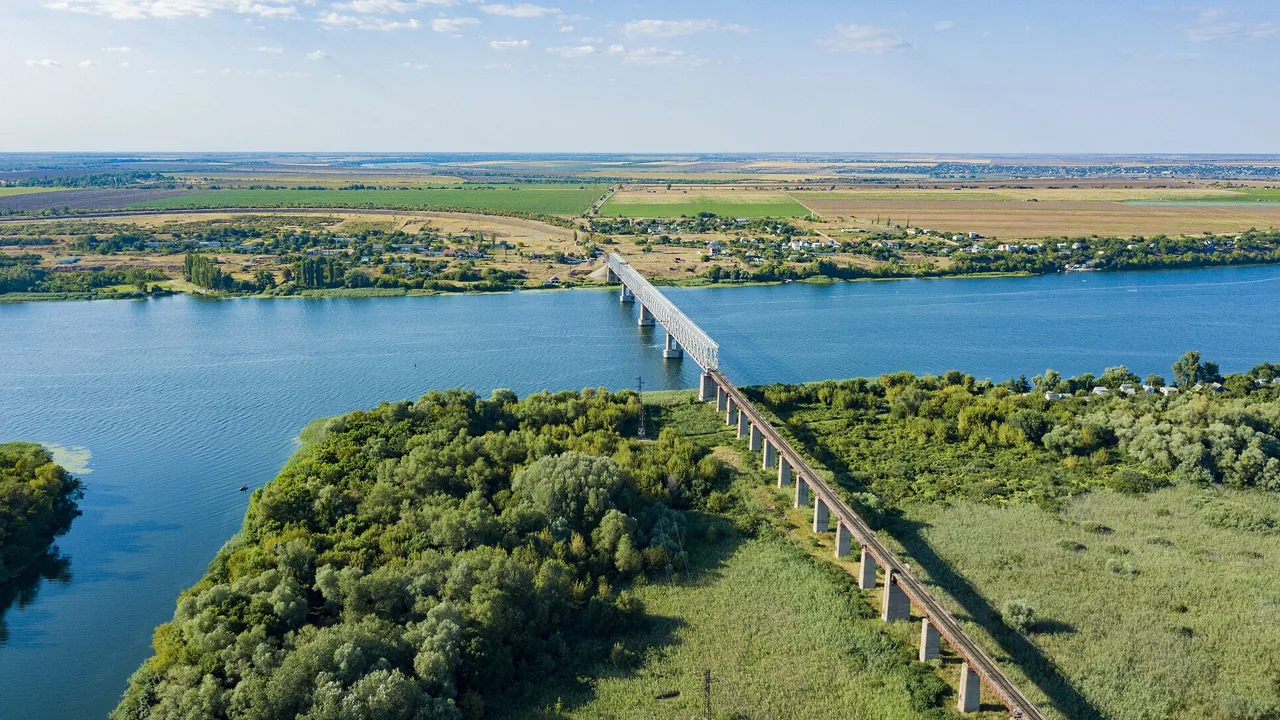
What happens next for Oleshky's residents?
Mine-clearing first, then food, then the chance to leave. Russia's defence ministry said units from its Dnepr group were carrying out "engineering reconnaissance" and clearing the main access roads into Oleshky of explosive and booby-trap devices, the BBC reported. Deliveries may enter on Thursday, while evacuations for residents who wish to leave are planned for Friday. A local volunteer told the BBC that about 500 people had expressed interest in leaving by Tuesday afternoon, though routes out remain mined and exposed to drone attack, and some residents are wary of sharing their names and addresses with officials arranging the evacuation. "As soon as the road is cleared and the cargo is delivered, representatives from all three countries will be there. Anyone who wants to travel to Ukraine will be able to do so," Lubinets said. An estimated 1,700 to 2,000 people remain in Oleshky, down from 24,000 before the war; the town has had no electricity, gas or water since the Kakhovka Dam was blown up in 2023, the BBC reported.
What does the calm look like across the river?
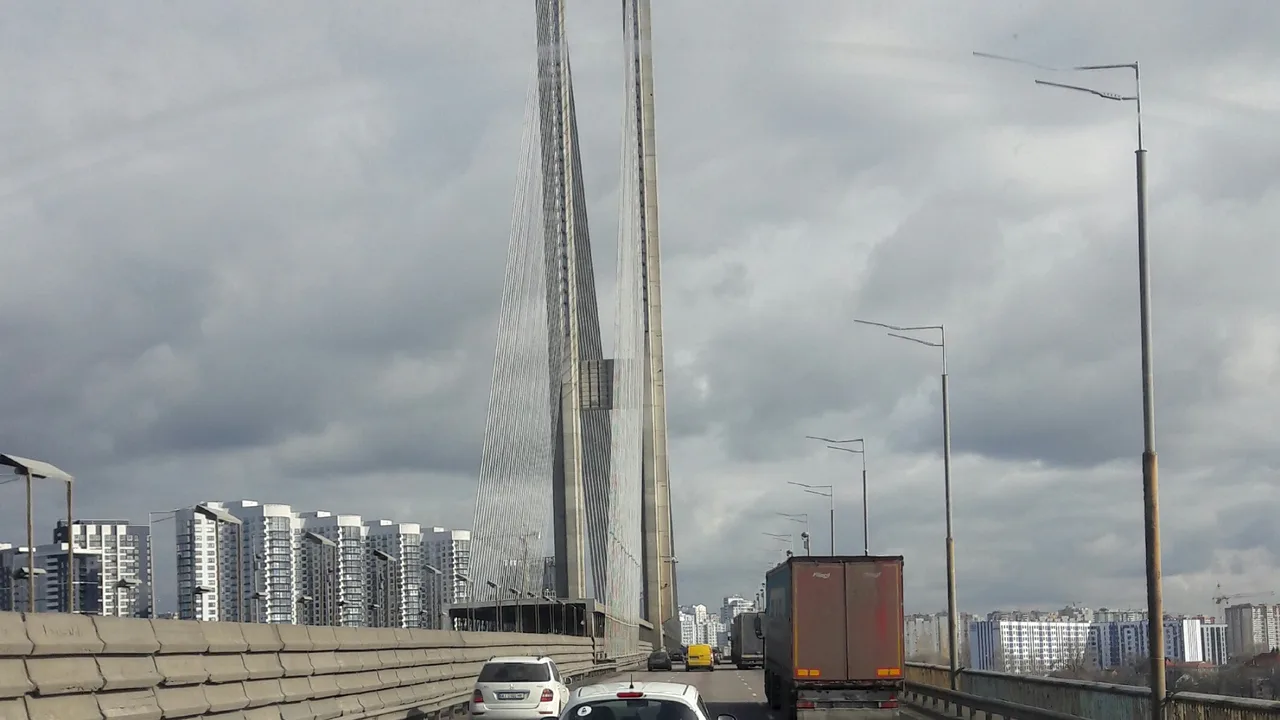
In Kherson city, quiet — for the first time since Ukrainian forces retook it in 2022, one resident said. "People are happy, but everyone's afraid that after this ceasefire, they'll give us such a beating that it'll be beyond belief," Zhanna Yakovleva, who lives in Kherson, told CNN on Tuesday. "That's the reality, unfortunately." Amid the calm, people took to the streets to check on houses and apartments they had been unable to reach because of relentless Russian drone strikes, she said. The pause follows a hard week even by the region's standards: two civilians have been killed in the Kherson region since October 20 and a further 38 injured, including six children, CNN reported. Elsewhere in Ukraine, fighting continued on Tuesday — including the Russian attack on Kyiv that this site reported in its Southern Bridge coverage — which is what makes the Kherson pause a localised de-escalation, not a general one.
This report is drawn from Reuters' October 27, 2026 report of the expansion announcement, opened and read on reuters.com, CNN's October 27, 2026 report, opened and read in full on cnn.com, and the BBC's October 27, 2026 report, opened and read in full via a carrier of its reporting. The expansion, the end time and the no-breaches position are stated by officials of both sides as those outlets reported them; the aid-delivery and evacuation timings are the plan as reported, not completed events.