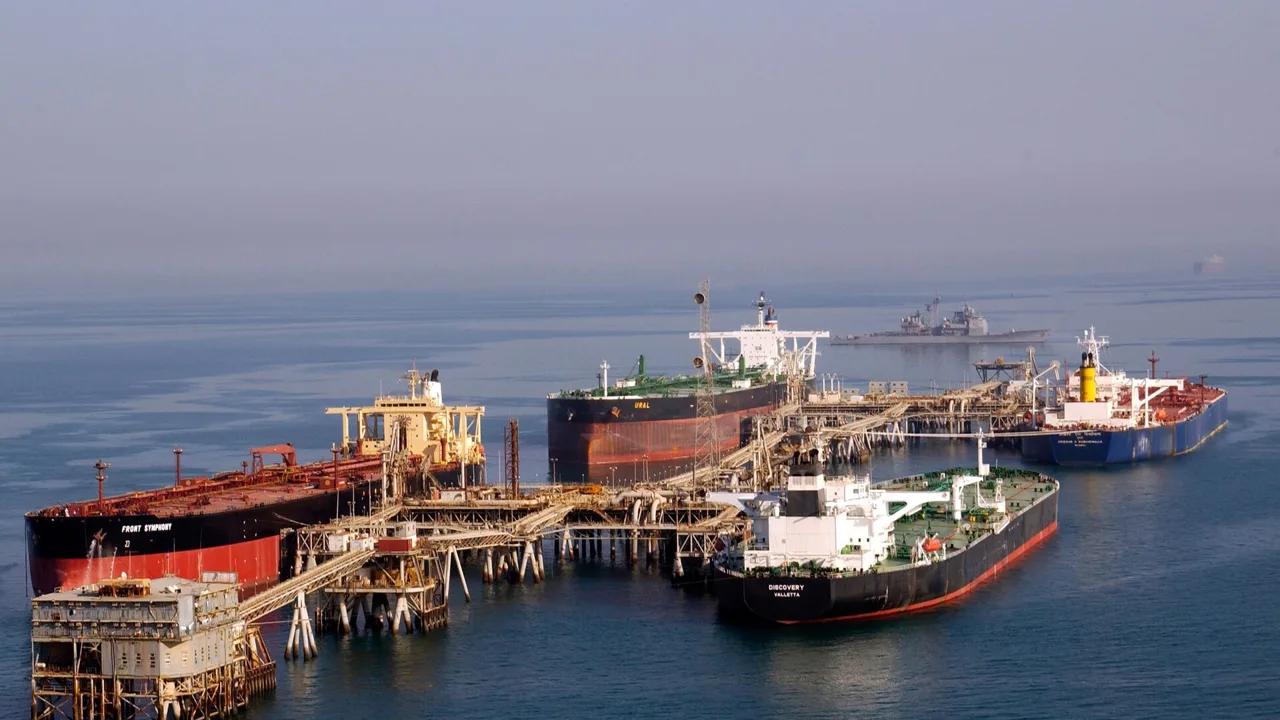
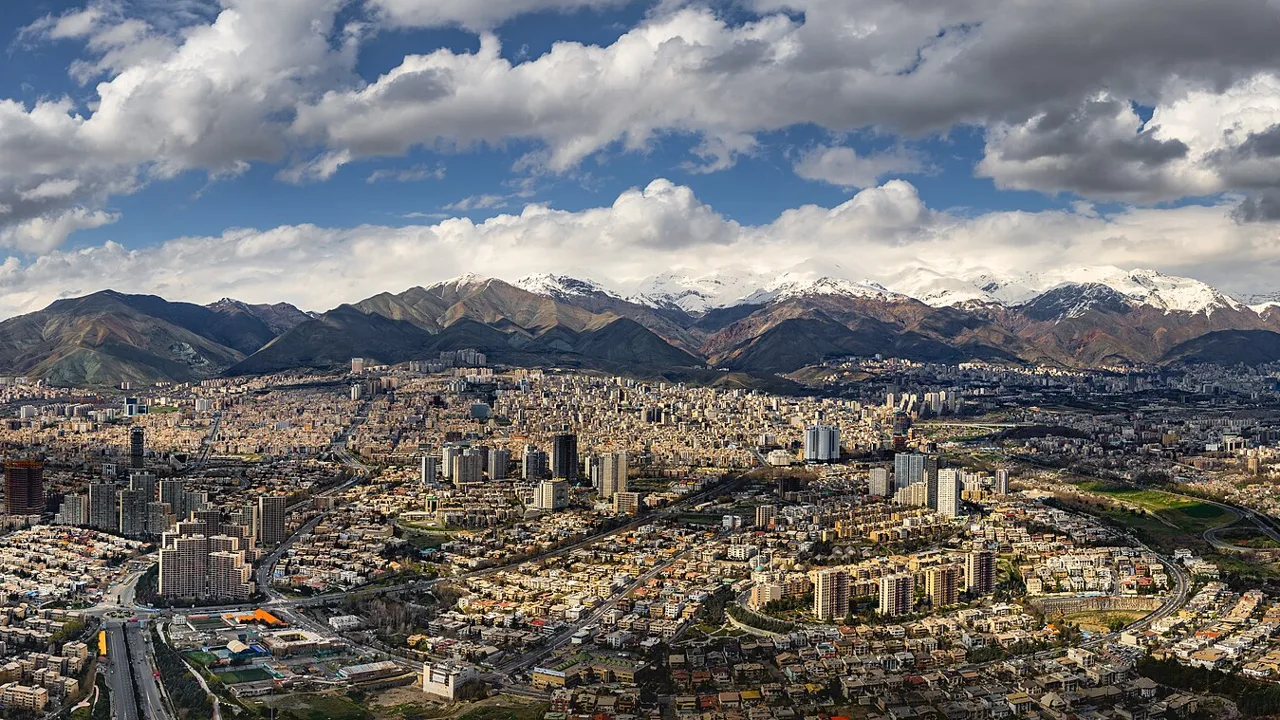
Qatari mediators held more than 12 hours of talks in Tehran on Friday, seeking reciprocal steps that could restart direct negotiations between the United States and Iran before the November 3 midterm elections — and a diplomatic source said there had been "positive progress", with the discussions expected to continue in Doha on Saturday. The marathon session is the follow-up to the draft peace plan Qatar presented in Tehran on Sunday, which a senior Iranian official dismissed as unacceptable, and it was coordinated with Washington: Reuters reported the mediators' Friday return, citing an official briefed on the talks, and Axios reported that Qatar was in regular contact with the White House throughout Friday's session. This article updates this site's October 28 report of the draft and its dismissal with Friday's session and what the mediators are now asking each side to do.
What are the mediators trying to secure?
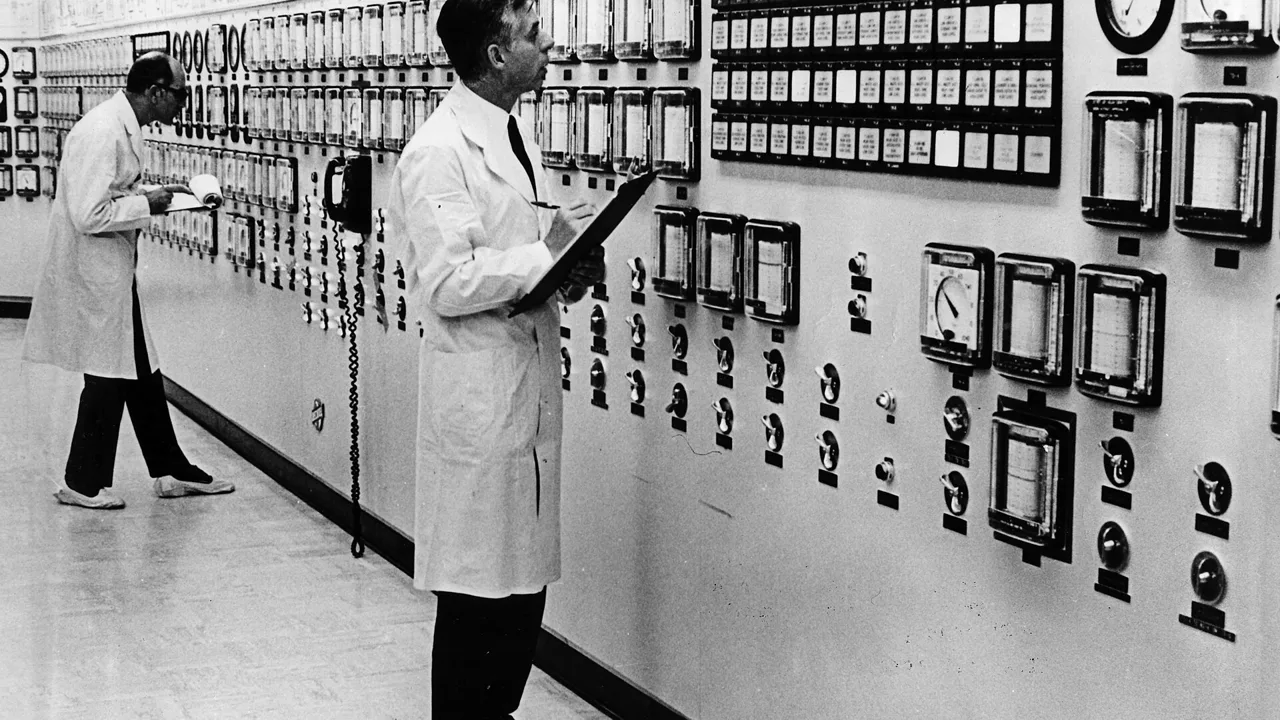
Reciprocal steps, implemented over the coming days, that bring the two sides back to direct talks on Iran's nuclear programme and other issues, the diplomatic source said. The obstacle is sequencing, and a US official stated both sides of it plainly: the Trump administration wants Iran to make nuclear concessions before talks resume, while Tehran has called for Washington to lift its naval blockade, release frozen funds and allow Iranian oil sales, the official said. Washington's version of the same dispute, as Reuters reported it, is that it wants nuclear issues included from the start of negotiations, while Tehran demands that the US first end its port blockade and lift oil export sanctions. Qatar's bridge proposal, on the US official's account, is a confidence-building exchange: Qatar is also urging Iran to permit United Nations inspectors to visit nuclear sites damaged in strikes, as a confidence-building measure that could be met with some sanctions relief, the official said.
Where does Sunday's rejected draft fit?
It is the document Friday's session is trying to rescue. Qatar presented a draft peace plan to Iran on Sunday, according to an official briefed on negotiations, but a senior Iranian official dismissed the proposals as unacceptable and said Tehran would maintain its nuclear position, Reuters reported. Iran's Foreign Minister Abbas Araqchi said on Wednesday that Tehran remained in close contact with intermediaries to review ideas that could ensure the implementation of its own seven-day proposal aimed at ending the war in the Middle East. On Thursday, President Donald Trump said Vice President JD Vance's outreach to Iran concerned medical supplies, following US media reports linking it to efforts to revive peace talks. On Friday, Trump told reporters that Iran wanted to talk, adding: "We have time, frankly. It's a war, but it is not a typical war."
Who is arguing what inside Washington?
On Axios's account, the administration is split over whether to pursue diplomacy or further military action. Defence Secretary Pete Hegseth and Secretary of State Marco Rubio are sceptical that an agreement can be reached with Iran's current leadership, while Vice President JD Vance and Trump envoys Steve Witkoff and Jared Kushner favour resuming negotiations, one official said. Treasury Secretary Scott Bessent, who is leading a US economic pressure campaign against Iran, has urged Trump to give the initiative time to work rather than rush back into combat, the official said. The electoral clock runs through the reporting: regional countries including Egypt, Turkey, Iraq, Pakistan and Saudi Arabia have also urged Tehran to resume negotiations before the US midterm elections, a regional source said; Saudi and Turkish leaders have urged Trump to allow more time for diplomacy, while Israeli Prime Minister Benjamin Netanyahu has lobbied for a joint operation against Iran after the election, according to the report. One US official said Trump might be more inclined to order a major military operation if Republicans suffer heavy losses in the elections; a White House official said the results would not affect the president's decision-making on Iran. Those competing expectations are published here as the officials in the report stated them, not as findings.
What would count as progress from here?
On the reporting opened, the test is narrow and near-term: whether the reciprocal steps the mediators are seeking are agreed in Doha, and whether direct US-Iran negotiations actually resume. No agreement, draft text or inspection visit is announced in either report. The diplomatic source's formulation is the state of play as the weekend begins: there had been "positive progress", but "talks are still ongoing in an effort to unlock a deal between the US and Iran". The war the talks are meant to end began with US-Israeli strikes on Iran on February 28. On the same Friday the mediators sat in Tehran, Oman evacuated the crew of a burning tanker near the strait, as this site reports separately today.
This report is drawn from Axios's account of Friday's Tehran session, opened and read in full via Europe Says, and Reuters' October 30, 2026 report of the mediators' return, opened and read in full via a verbatim carrier. The "positive progress" line, the inner-circle positions and the election-related expectations are published as the named categories of officials in the Axios report stated them; no deal or agreement is claimed by either source.