Ukraine struck Rosneft's Novokuibyshevsk oil refinery in Russia's Samara region early on Friday, the Wall Street Journal reported — the first strike on a Russian refinery in two weeks, ending a pause that had held under heavy pressure from the Trump administration to halt such operations. Photos and video footage posted on social media showed columns of smoke rising over the refinery, the Journal reported. Several fires broke out at the plant after a drone attack, according to residents, Ukrainian monitoring channels and the independent Russian outlet ASTRA; Samara's governor confirmed the region was under a major drone attack but did not name the refinery, and how much damage the plant took is not yet known.
What happened at Novokuibyshevsk?
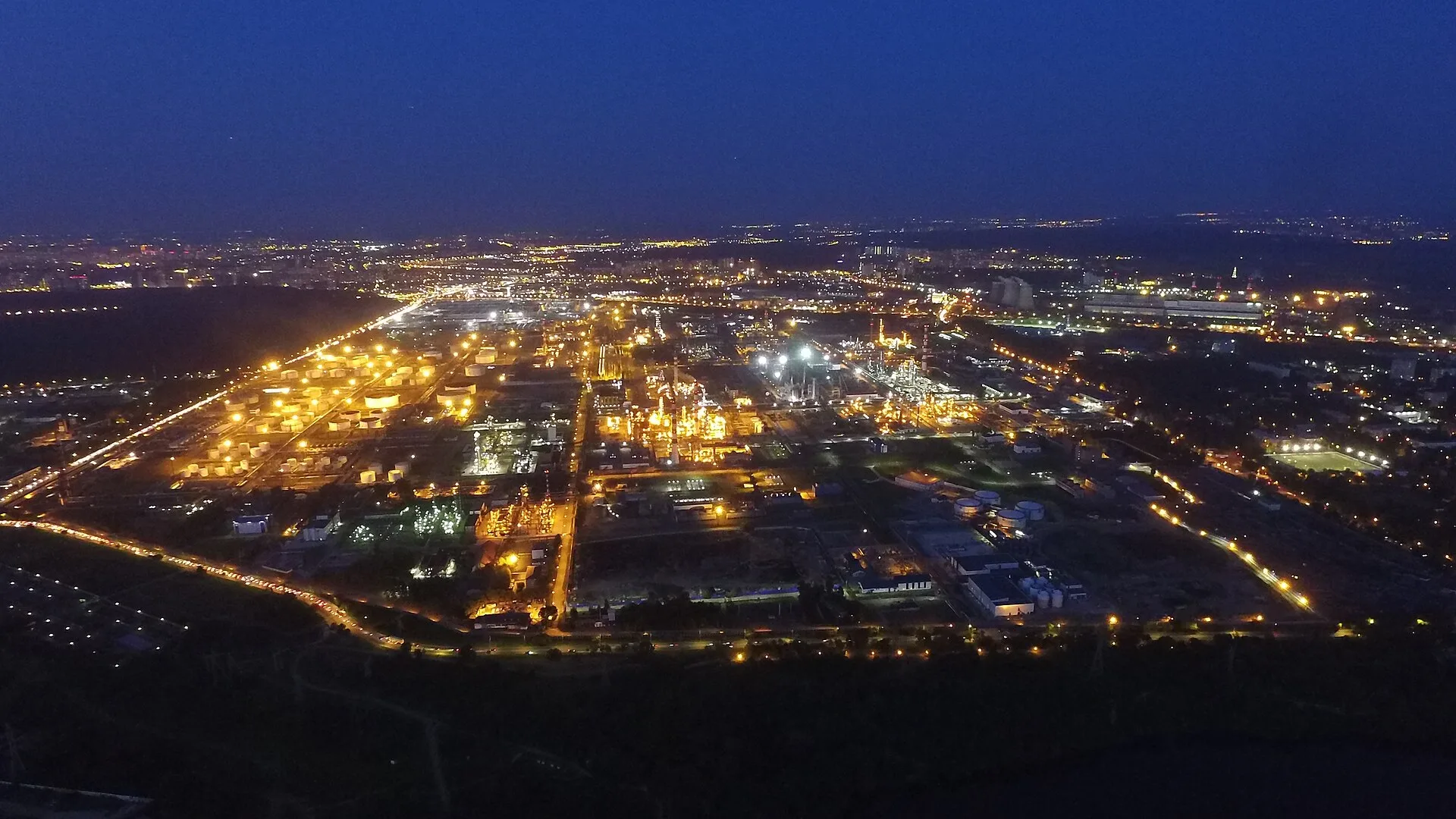
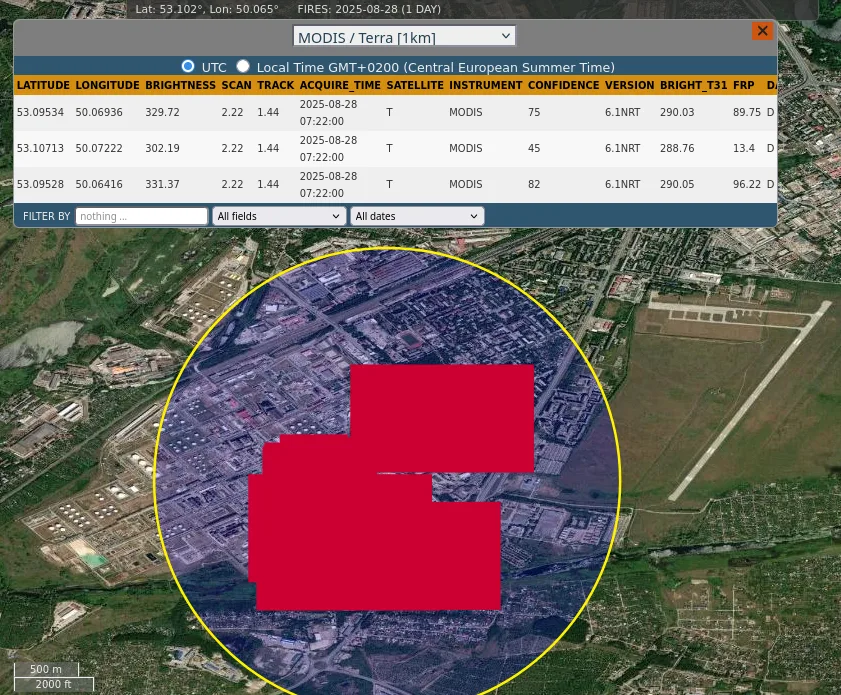
A drone attack in the early hours of Friday set fires burning inside one of Russia's larger refineries. An ASTRA analyst used photographs sent in by readers to place the fire inside the Novokuibyshevsk refinery, and the Ukrainian monitoring channel Exilenova+ and the OSINT account Status-6 published footage of thick black smoke over the plant, with Status-6 counting at least six separate columns of smoke, the Kyiv Independent reported. Samara's regional governor, Vyacheslav Fedorishchev, said the region was under drone attack and that "air defence systems and mobile fire groups are operating", but gave no details about damage; he also asked locals not to reveal what was struck, POLITICO Europe reported. Flights at Samara airport were restricted during the attack. The plant has belonged to Rosneft since 2007, can process about 8.8 million tonnes of crude oil a year, and makes more than 20 products, including jet fuel for Russia's Aerospace Forces. It has been attacked repeatedly, including a strike on August 22.
Has Ukraine claimed the strike, and how firm is the attribution?
Ukraine's General Staff had not claimed the strike at the time the Kyiv Independent wrote, Samara authorities had not confirmed that the refinery was hit, and the Kyiv Independent said it could not independently verify the footage or establish the extent of the damage. What is established comes from the convergence of separate accounts: the Wall Street Journal reported the strike as fact in its own reporting; POLITICO Europe independently reported a major drone attack on the refinery, with ASTRA's fire identification; and the Samara governor confirmed a large drone attack on his region the same morning. The Ukrainian drone maker Fire Point posted on Telegram on Friday morning: "Little drone, how did you end up there? The Novokuibyshevsk oil refinery welcomes guests from Ukraine." That is a manufacturer's taunt, not an official claim, and no damage assessment from any side has been independently verified.
Why does ending the pause matter?
Because the pause was a live test of how far Washington can steer Kyiv's war. Ukrainian forces last hit an oil refinery on October 15 and had not struck Russian oil infrastructure of any kind since October 20, the Journal reported, against a background of repeated demands by President Trump and other US officials to stop hitting refineries. The Kyiv Independent's timeline of the same lull put the last oil-sector attacks at the Ryazan refinery on October 15 and a facility in Surgut on October 16 — the two accounts differ on the tail of the pause, not on the two weeks of quiet that followed. Trump has publicly blamed Ukraine's strikes for high global fuel prices — which energy experts mostly attribute to the US-Iran war, the Journal noted — and earlier this month he also called for President Zelensky's removal. Ukraine's military had been exercising caution about refinery strikes because of the delicate diplomatic situation with the US, Defence Minister Evgeniy Khmara told Zelensky recently, according to a person familiar with the matter; Zelensky accepted that but said the military was free to change its stance, the person said. "Our guys tried to be a little more careful during these days. But they do not have an order" not to hit refineries, Zelensky told reporters in Kyiv on Tuesday. The decision to hit Novokuibyshevsk came despite advice from European allies for Kyiv to hold off until after the US midterm elections on November 3, to reduce tensions between Zelensky and Trump, the Journal reported. Zelensky has said Ukraine wants more protection for its own energy infrastructure — which Russia has been systematically destroying ahead of winter — in exchange for halting refinery strikes, and he was dismissive this week about an earlier 72-hour pause declared when Trump announced an energy ceasefire: "That didn't help. There was all kinds of rhetoric, and no one thanked us for those three days."
What happened the same night in Ukraine?
The strike came during another heavy overnight exchange. Russia attacked Ukraine with ballistic missiles and more than 100 drones overnight, killing one person in Kyiv and leaving 350,000 people without electricity in Dnipro, POLITICO Europe reported. Moscow's mayor, Sergei Sobyanin, said 862 Ukrainian drones had flown towards the Moscow region since the evening of October 29, most shot down far from the city and 170 on the approach to the capital — a Russian official's figure, reported by the Kyiv Independent, that has not been independently verified. Whether Friday's strike is a one-off or a full resumption is the question the next nights will answer: the Journal's Thursday reporting had the pause expected to last until after the midterms, and it has now been broken four days before them.
This report is drawn from the Wall Street Journal's October 30, 2026 report, opened and read in full on wsj.com; POLITICO Europe's October 30, 2026 report, opened and read in full via a verbatim carrier; the Kyiv Independent's October 30, 2026 report, opened and read in full via a verbatim carrier, including ASTRA's geolocation of the fire; and Reuters' October 30, 2026 oil report, opened and read in full via a verbatim carrier. The strike is attributed on the convergence of the Journal's and POLITICO's reporting with the Samara governor's confirmation of a major drone attack on the region; the extent of damage to the refinery is published as unknown, no official Ukrainian claim had been made in the reporting opened, and Mayor Sobyanin's drone count is published as his claim, unverified.