Ethiopia drone strikes killed at least 25 civilians in two days this week — repeated strikes on a camp for displaced people in the Amhara region on Thursday, and a strike in Rama, Tigray, on Friday morning on people collecting grain spilled from a lorry that had itself been hit the night before — according to witnesses and a medical source cited by AFP. The Ethiopian government has been fighting rebels in Amhara and Tigray over the past month and has used its large supply of drones to win a decisive advantage, AFP reported, but it has also been accused of indiscriminate attacks that have killed civilians. The Ethiopian army did not respond to AFP's requests for comment, and responsibility for the camp strikes has not been established.
What happened at the displacement camp in Amhara?
Four drone strikes were carried out one after another on Thursday on a camp for displaced people, a witness told AFP. "We have buried 14 people at the IDP centre. Two more died while receiving medical treatment," said Yasin, who requested anonymity, adding that children and pregnant women were among the victims. Two other residents of the camp, one of whom said he had buried bodies, reported 14 and 15 deaths respectively, including several children. The strikes at the camp, 400 kilometres (250 miles) northeast of the capital Addis Ababa, occurred "just as the students were coming home from school", recounted Ahmed, one of the two other witnesses. This site reported the camp — Jari 2, near Hayk, home to more than 1,700 people displaced from Oromia since 2022 — on Friday from Reuters and Addis Standard reporting. Addis Standard's own account, recapped in its Rama report, put the camp toll at at least 16 civilians killed and 22 injured, said the camp was struck at least five times at intervals of about 15 minutes while residents were inside their shelters, and listed three pregnant women, an eight-year-old girl and students returning from school among the victims. The AFP and Addis Standard tolls do not fully reconcile, and both are published here as reported.
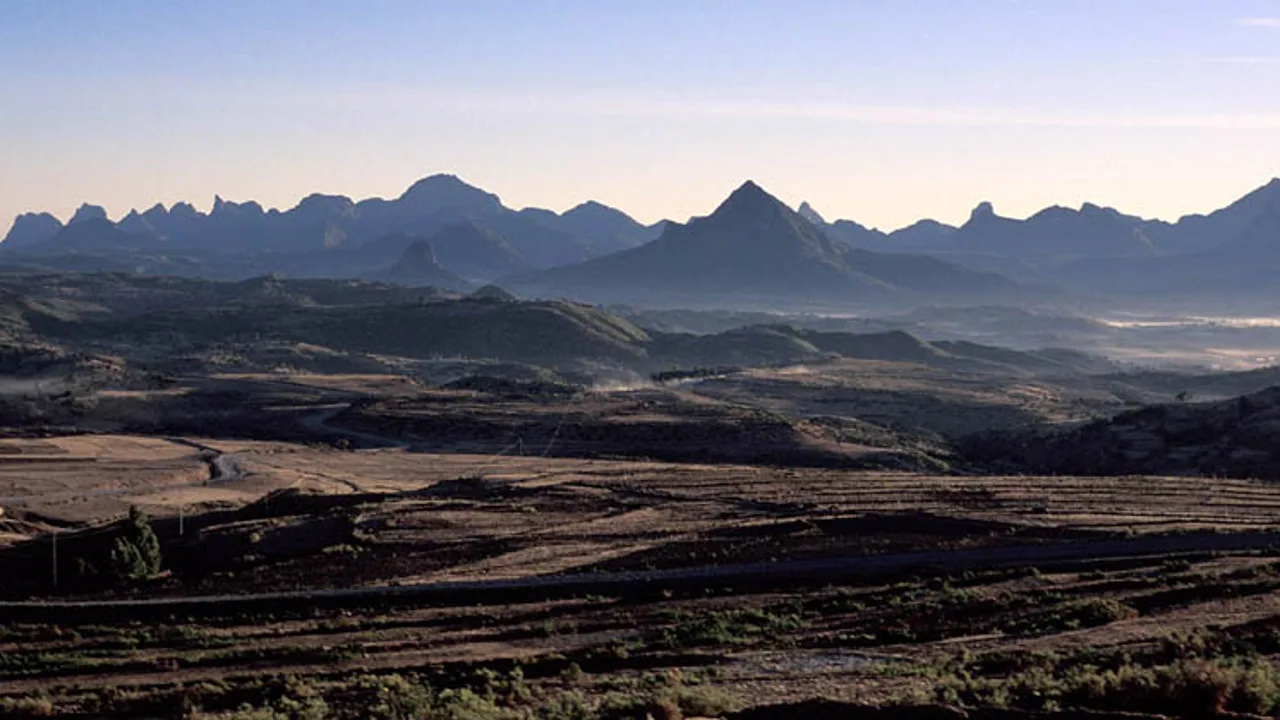
What happened in Rama, Tigray?
A grain lorry was hit on Thursday night, and the people who gathered around it on Friday morning were hit in turn. "Yesterday evening, around 9:00 pm, a drone strike hit a private vehicle carrying sorghum in the centre of Rama town," a resident told AFP by phone. "This morning, people were collecting the scattered grain when another strike hit them," he said. A medical source at a hospital confirmed to AFP that they had received 11 dead. The conflict monitor ACLED said the drone strike was "believed to have been carried out by the ENDF (Ethiopian National Defence Force)… killing 12 civilians and injuring an unspecified number of people". Addis Standard's own reporting, from a local source who contacted the newspaper by email, put the Rama toll at 12 civilians killed instantly, with several others injured, including serious cases; the source said some of the seriously injured had no available transport to hospital and appealed to humanitarian organisations to intervene. A separate resident told AFP that 13 people were killed. "It was very sad and shocking. There was another drone strike yesterday targeted armed fighters, and that did not surprise us. But today's attack was heartbreaking because it hit young civilians," another local told AFP.
Is this part of a wider pattern?
Yes, on the reporting opened — October brought repeated civilian deaths from drone strikes across three regions. Addis Standard reported that drone attacks in October killed civilians in several Tigray locations before Rama: strikes in Medebay Terer killed seven civilians, including an eight-year-old girl, and injured six others, among them a couple fleeing a local clinic and a father with his four children, and an earlier strike in Hintalo District caused multiple fatalities including a two-year-old child. In western Oromia, two local government employees were killed in a drone strike in Ababo Guduru Woreda on October 23, according to residents and a relative who spoke to Addis Standard. The successive attacks come amid an increased deployment of unmanned aerial vehicles by federal forces in Tigray, Amhara and Oromia, where armed confrontations have intensified over the past weeks, the newspaper reported.
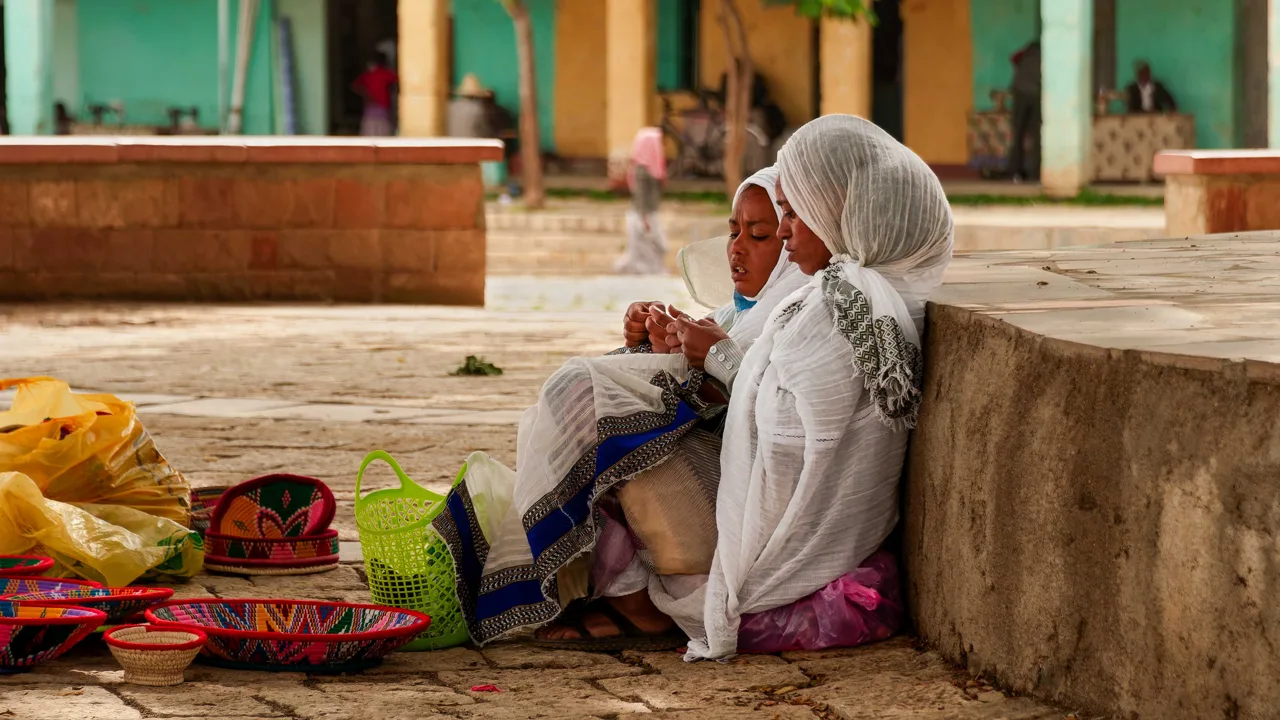
Why are federal forces fighting in the north?
Because the war that resumed in late September has widened into a multi-front conflict. The Ethiopian army has been fighting the Tigray People's Liberation Front (TPLF), which launched attacks against federal forces last month, AFP reported; the rebels were ultimately pushed back and forced to abandon control of their strongholds in the northern state. The TPLF has allied with other insurgent groups in other parts of the country, including the Fano movement in Amhara. The fighting has raised fears of an international conflict, AFP reported, as the Ethiopian army has advanced right up to the border with Eritrea, which has sent troops to support the TPLF. Against that background, the verified core of this week's toll is narrow and grim: at least 25 civilians dead in two days at two sites where, on the witnesses' accounts, no battle was being fought — a displacement camp at school-closing time, and a crowd gathered around spilled grain.
This report is drawn from AFP's October 30-31, 2026 dispatch, opened and read in full in two verbatim carriers, and Addis Standard's October 30, 2026 report, opened and read in full. Casualty figures are published unreconciled and attributed to the witnesses, medical source, ACLED and local sources who reported them; attribution for the Rama strike rests on ACLED's assessment as reported by AFP, and no attribution is published for the camp strikes, which no source opened establishes.