The Saudi-led coalition fighting Yemen's Houthi rebels said on Thursday that it had intercepted and destroyed a cruise missile over Saudi Arabia's Medina region, but it did not assign blame for the launch, the Associated Press and AFP reported. The Houthis' military spokesman, Yahya Saree, denied that the group had carried out any attack on Saudi territory on Thursday. Neither wire reported casualties or damage from the reported interception, and Saudi Arabia also said it had destroyed a drone over its Eastern Province earlier on Thursday, according to AP.
What did the coalition say happened?
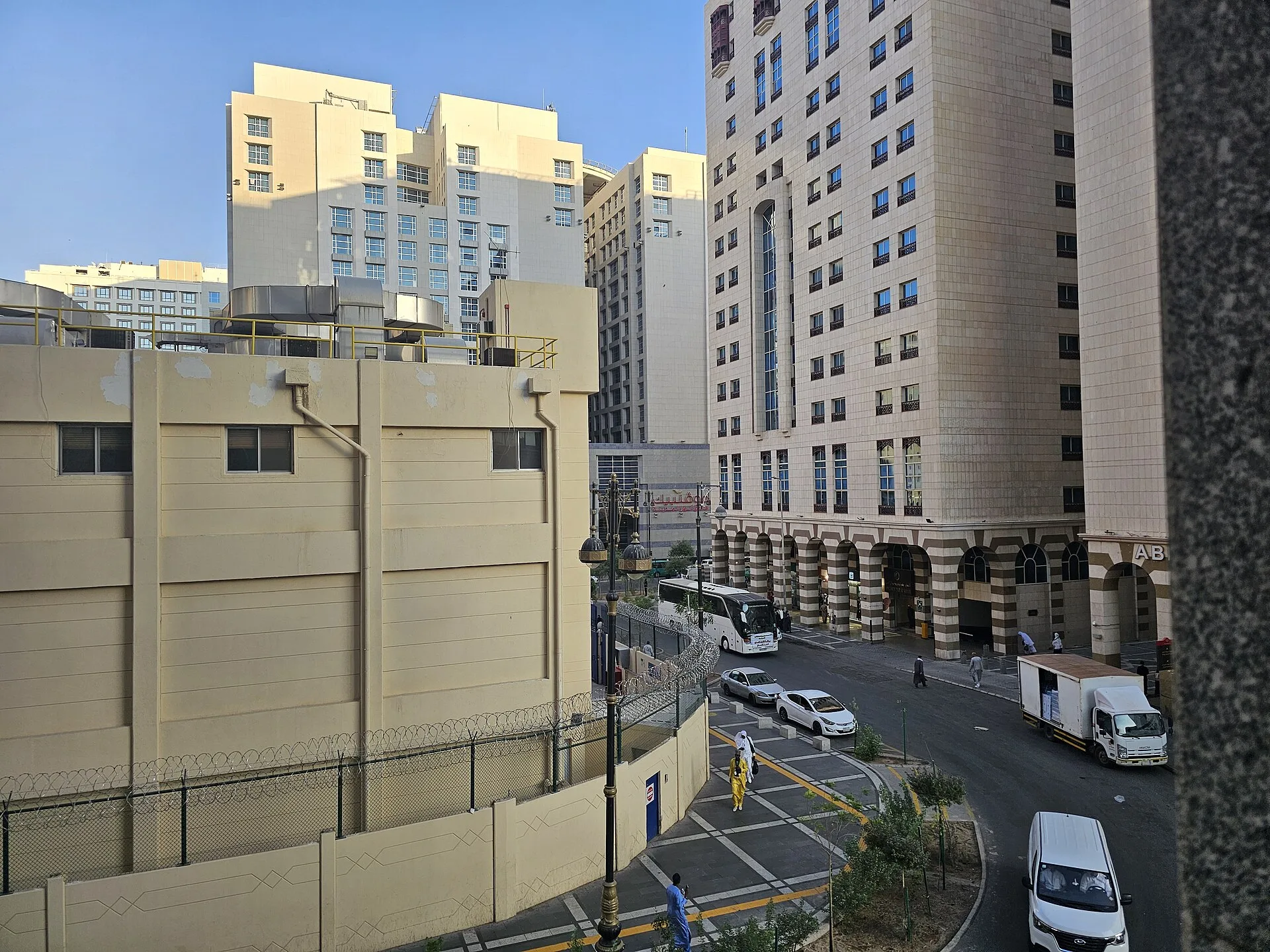
Coalition spokesman Turki Al-Malki wrote on X that a cruise missile had been intercepted and destroyed in the Medina region, in a statement also published by Saudi state media, AFP reported. AP likewise reported that the coalition confirmed the interception over the province of Medina and noted that it did not assign blame. Medina is home to the Prophet's Mosque and, alongside Mecca, is one of Islam's two holiest cities. Gulf Business, a regional outlet, reported the same coalition statement and said the coalition did not immediately identify the missile's origin or intended target and provided no details of casualties or damage. AP reported separately that Riyadh's international airport remains suspended because of Houthi attacks, and that dozens of flights were cancelled or delayed at Jeddah airport, citing the flight-tracking platform Flightradar24.
How did the Houthis respond?
They denied the reported attack outright. Saree said the Houthis had not carried out any operation targeting Saudi territory on Thursday and called the Saudi claim of an attack on Medina a lie, AFP reported. AP reported the same denial and noted that the group had previously pledged not to attack the holy cities of Mecca and Medina; AFP reported that the pledge was restated on Sunday, covering airports in the two cities and, in the group's account, the cities themselves. The denial and the coalition's statement cannot both be complete accounts of Thursday's events, and no source opened for this article independently established who launched the missile, or whether its target was in the Medina region.
Why does a reported missile over Medina matter?
Because of where it was reported, and because of what else happened on Thursday. A missile reported over the region of one of Islam's holiest cities carries a significance beyond its military effect, which is why the coalition's decision not to assign blame, and the Houthis' immediate denial, are central facts rather than details. The report came during a sustained wave of Houthi attacks on Saudi airports and infrastructure in recent days, including Wednesday's strike on a building in the area housing Saudi Aramco's operations centre in Dhahran, and Saudi strikes in return on the Houthi stronghold in Sanaa, AFP reported. AP reported that the latest round of fighting began last month after the Houthis seized key areas along the Bab el-Mandeb Strait, which the Saudi-led coalition, backing forces aligned with Yemen's internationally recognised government, has been trying to retake. The escalation also reached diplomacy on Thursday: AP reported that the European Union and the Gulf Cooperation Council had put their planned October 24 summit in Riyadh on hold, with no new date set, and that the GCC's secretary-general cited Houthi strikes and the safety of participating delegations. AP also reported that Turkey's defence ministry said deploying Turkish forces to help Saudi Arabia under the three-country Mecca Joint Defense Agreement would require parliamentary approval, and that no final decision had been made on the type of assistance Turkey might provide.
This is not financial advice. The interception is published as the coalition's account, carried independently by AP and AFP; the Houthis' denial is published alongside it, and attribution of the missile is treated as unresolved in this article.