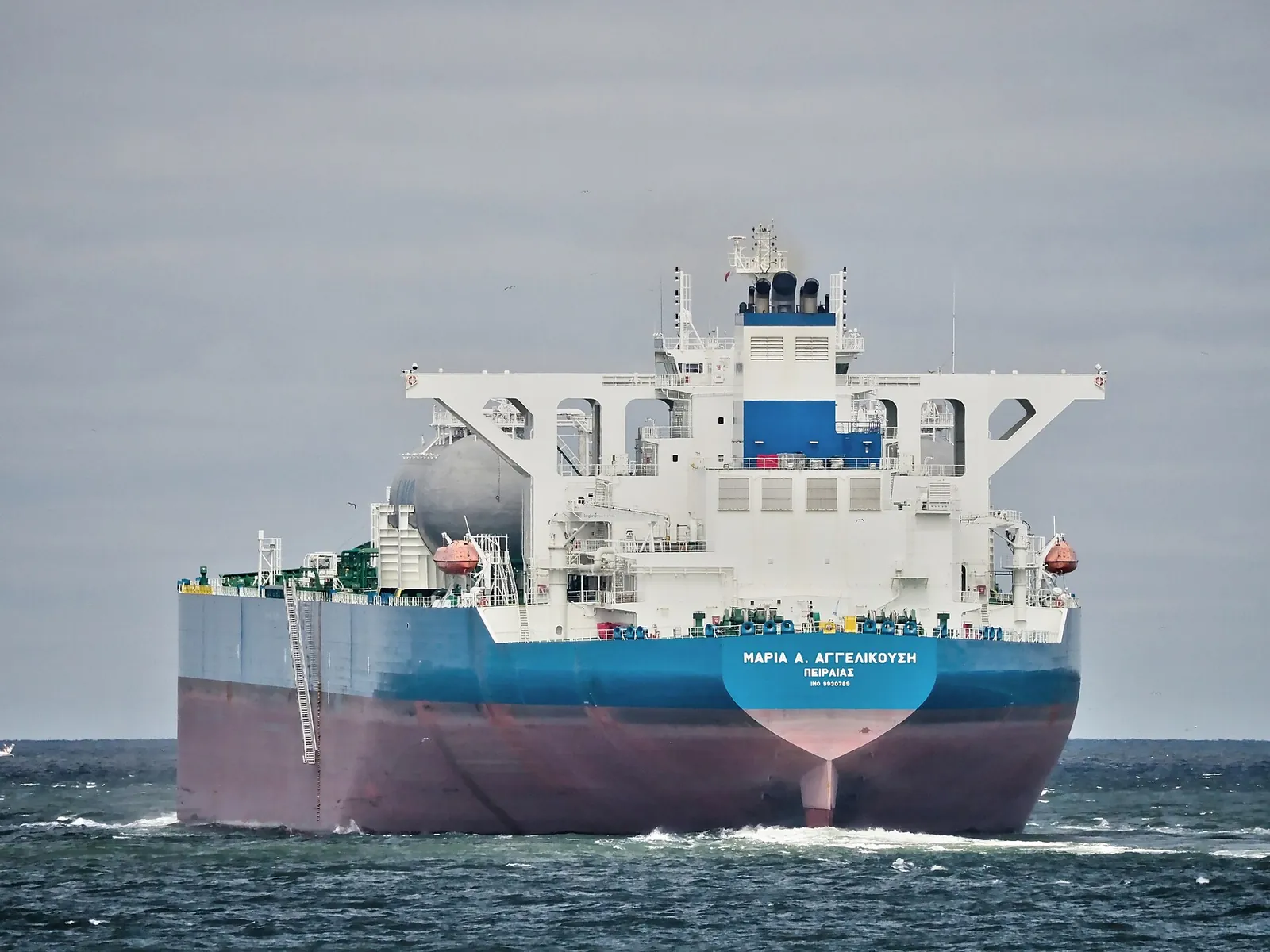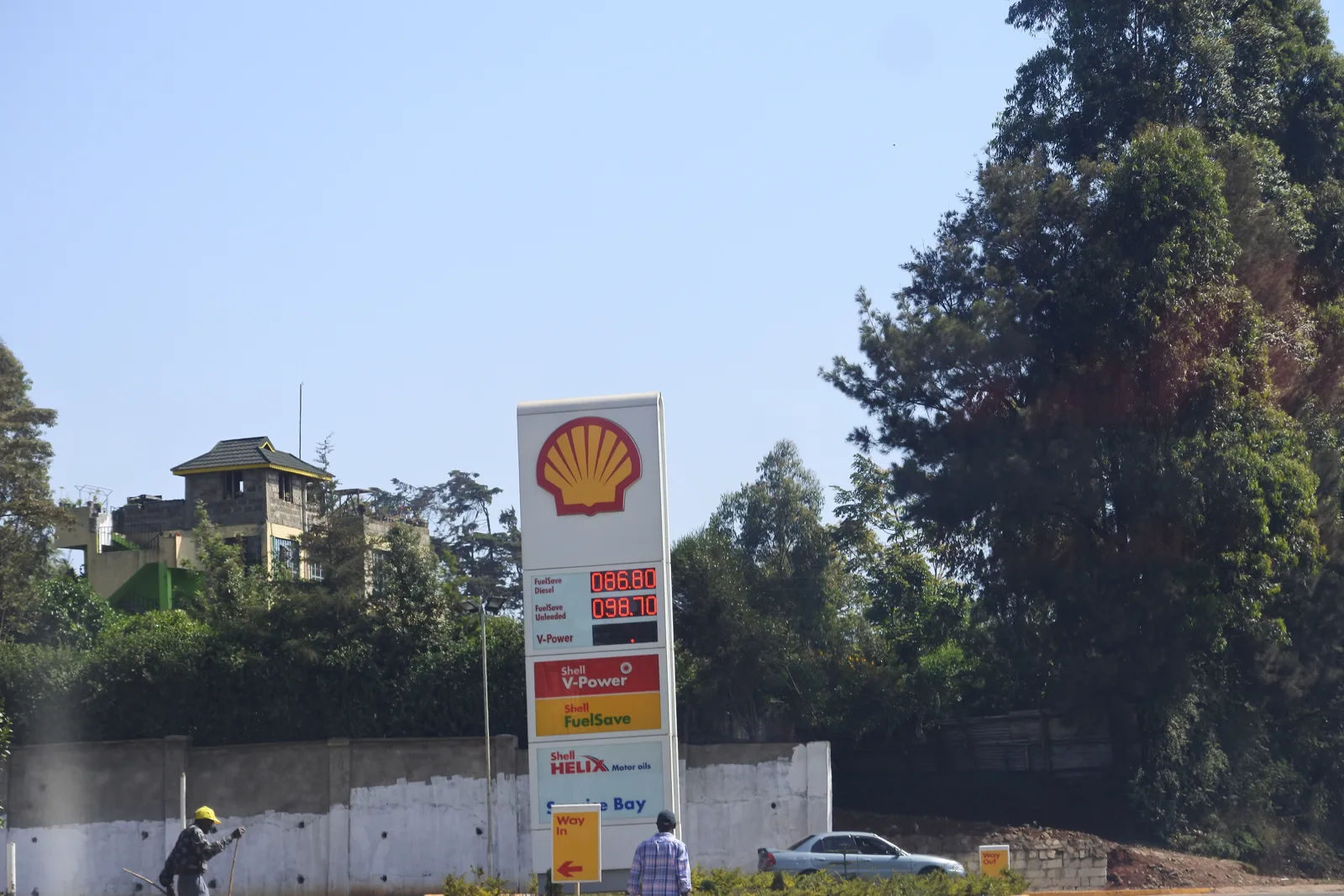
Kenya fuel prices rose sharply on Thursday after the Energy and Petroleum Regulatory Authority (EPRA) lifted the maximum retail prices of petrol and diesel, citing higher import costs linked to the conflict in the Middle East, Reuters reported. In Nairobi, petrol rose by about 6 per cent and diesel by about 4.5 per cent for the October 15 to November 14 pricing period. Kenya is a clear example of how a war it is not part of reaches households far from the fighting: the East African nation relies on the Middle East region for nearly all of its fuel supplies and imports all of its petroleum in refined form.
What are the new prices in Nairobi?
The new maximum prices in the capital are 226.96 Kenyan shillings a litre for super petrol, 227.76 shillings for diesel and 219.87 shillings for kerosene, according to EPRA's review as reported by Reuters and Nairobi Business Monthly. That is an increase of 12.93 shillings a litre on petrol, 9.90 shillings on diesel and 28.49 shillings on kerosene, from 214.03, 217.86 and 191.38 shillings respectively in the previous period, when EPRA had left prices unchanged. Kerosene, used by many lower-income households for cooking and lighting, took by far the largest increase. Prices are lower at the coast: in Mombasa, closest to the port of entry, a litre of super petrol costs 223.81 shillings, diesel 224.61 shillings and kerosene 216.71 shillings, Nairobi Business Monthly reported. A motorist filling a 50-litre petrol tank in Nairobi will now pay about 11,348 shillings, up from about 10,702 shillings last month.

Why did import costs rise?
Import costs rose because the landed cost of refined fuel at Mombasa climbed steeply in September. The average landed cost of imported super petrol rose 11.81 per cent between August and September, from $874.26 to $977.55 per cubic metre; diesel rose 11.32 per cent to $1,065.38, and kerosene rose 9.41 per cent to $1,098.31, EPRA's figures showed, as reported by Nairobi Business Monthly. The shilling was broadly stable over the same period, averaging about 129.9 to the dollar in September against 129.72 in August, so the increase came from international prices rather than the exchange rate. Nairobi Business Monthly reported that global petrol prices reached a 12-month high in September as supply disruptions linked to the conflict in the Middle East continued to weigh on international markets. Because Kenya imports all its petroleum products in refined form, local pump prices closely track those international benchmarks.
What cushioning remains in place?
One cushion remains: the reduced rate of value-added tax on fuel. The prices include VAT at 8 per cent rather than the standard 16 per cent, and the government extended that reduction until January 14, Reuters reported. Nairobi Business Monthly reported that the relief, introduced in April to cushion consumers against high global oil prices, had been due to lapse on October 14 and was extended to January 14, 2027. Even so, the pass-through was not complete: the rises in petrol and diesel were smaller than the full increase in import costs would have implied, the publication noted, while the steeper kerosene adjustment narrowed its price gap with diesel to under 8 shillings a litre in Nairobi, a step the regulator has previously linked to curbing the illegal mixing of kerosene into diesel.
Who feels the increase first?
Transport, agriculture and construction feel fuel prices first, Reuters noted, and through them the wider cost of living. Diesel powers freight and public transport, so a near-10-shilling rise flows into fares and food distribution costs; petrol feeds private motoring and small business transport; and the kerosene jump lands directly on households that cook and light with it. The new maximum prices stay in force until EPRA's next review on November 14. Whether the next review moves prices again will depend on the same chain that produced this one: the Middle East conflict's effect on refined-product markets, the landed costs recorded at Mombasa, and any decision on the tax relief that is currently set to run to mid-January.
This article is drawn from Reuters (October 15, opened and read) and Nairobi Business Monthly's report of EPRA's October review (opened and read). All pump prices are EPRA maximum retail prices as reported by those sources. The market snapshot figures are snapshots checked at publish time, not live prices. This article is not financial advice.