Ukraine resumed strikes on Russian energy facilities on Thursday, when a large drone attack caused a fire at an oil refinery in Russia's Ryazan region, the regional governor said, according to Reuters — and President Volodymyr Zelenskiy told the Financial Times in an interview published the same day that Ukraine would resume attacks on Russian refineries. The Ryazan strike was the first Ukrainian attack on a Russian energy facility since US President Donald Trump announced an energy ceasefire on Sunday, Reuters reported; that truce was not confirmed by either side.
What happened at Ryazan?
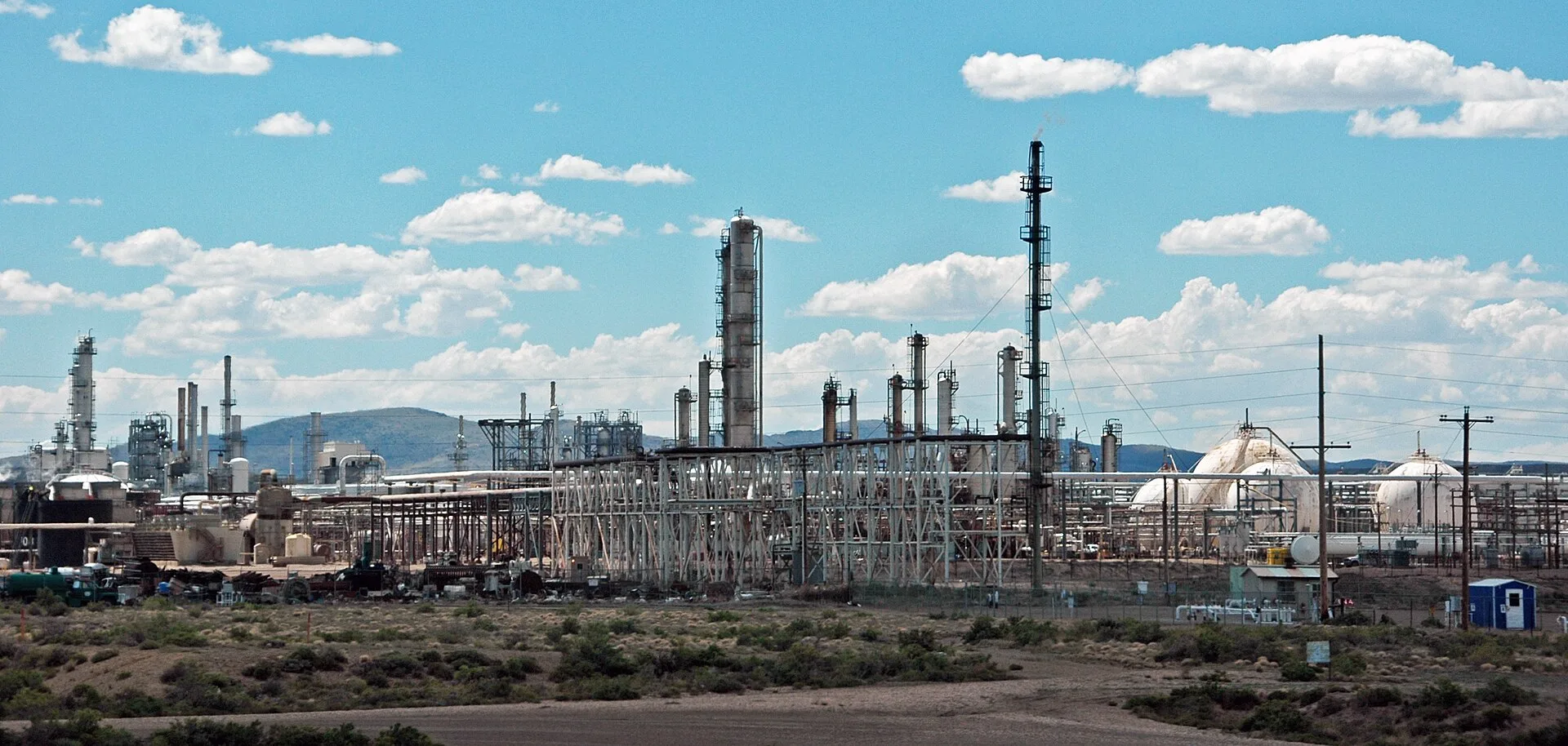
Ryazan governor Pavel Malkov said on Telegram that a mass drone attack started a fire at the refinery and damaged a warehouse elsewhere in the region, and that emergency services were at the scene while damage was assessed, Reuters reported. He said earlier on Thursday that classes in schools and kindergartens in two districts had been cancelled because of the attacks. No casualty figures were reported in the sources opened at publication time. The refinery is owned by Rosneft, supplies fuel toward Moscow, has been attacked several times in recent months, and accounts for almost 5 percent of Russia's total refining throughput, according to Reuters. The fire and damage details rest on the governor's account, as reported by Reuters.
What did Zelenskiy say about resuming the strikes?
Zelenskiy said Ukraine had paused energy strikes for several days in line with US wishes but would now resume them because Russia was still attacking Ukrainian energy infrastructure, Reuters reported from the Financial Times interview. He told the newspaper the block on attacking refineries was out and finished. He was critical of Washington's eagerness to strike business deals with Moscow, the FT report said, as carried by Reuters. Asked whether Ukraine might halt energy strikes again to repair relations with the White House, he said he could agree only in return for more US-made Patriot interceptors, which he called the minimum acceptable, according to Reuters.
Zelenskiy also told the FT that during the pause his forces had been left without US early-warning alerts for incoming ballistic missiles and that the Starlink satellite service had been slowed, hampering frontline operations and medium-range strikes, Reuters reported. He said Ukrainian military officials had been told by US counterparts that intelligence would be blocked if the energy strikes did not stop, an account he said was later presented to Kyiv as a technical glitch. Those claims about US conduct are published here strictly as Zelenskiy's account in the interview; the Reuters report opened for this article carried no US response to them.
Why does the resumption matter?
The renewed strikes end the brief pause that followed Trump's Sunday announcement, which came a day after he announced a diesel supply deal with Russia and, on Saturday, called for Ukraine to replace Zelenskiy and criticised its attacks on Russian oil infrastructure, Reuters reported. With Ukrainian drones again hitting Russian refineries and Russian forces continuing mass attacks on Ukrainian energy facilities — including Thursday's record attack on Kirovohrad region — the announced energy ceasefire now has no observable effect on either side's operations, based on the reporting opened at publication time.
The Ryazan fire and damage are published as Governor Malkov's account via Reuters. Zelenskiy's statements about US intelligence and Starlink are published as his account in the Financial Times interview, without independent confirmation in the sources opened.