Iran is deploying new tactics to target ships sailing through the Strait of Hormuz, in a stepped-up campaign that two senior Iranian officials told Reuters is designed to keep oil prices high and influence the US midterm elections. The officials said the change in tactics began about 10 days ago, was decided at the highest levels of Iran's leadership, and has already increased the pace of attacks on vessels Tehran considers in violation of its restrictions. The account rests on those two officials, who declined to give details of the new strategy; the Pentagon and Iran's Foreign Ministry did not immediately respond to Reuters requests for comment, and the claims are presented in this article as the officials' account, corroborated where independent data exists.
What do the officials say has changed?
The officials said the strategy changed both the type and the pace of attacks, with one goal being to frustrate US and allied efforts to bring down global oil prices before the November vote, Reuters reported. As part of the new strategy, Tehran will also expand the geographical scope of its operations beyond the strait itself, to the Gulf of Oman and waters further afield, the officials said. Both officials said Tehran is moving towards a situation in which no vessel violating its restrictions would be able to pass through the strait.
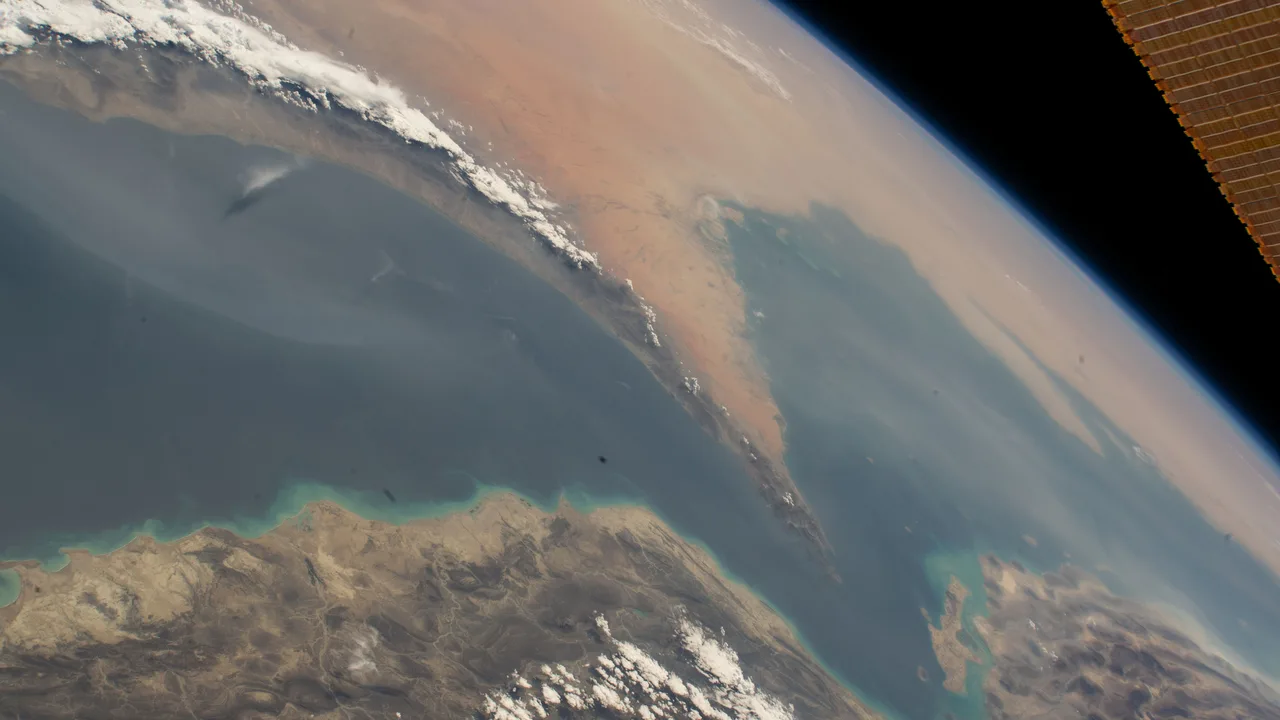
Iran has tried to exert control over the strait since the United States and Israel launched strikes against Iran on February 28. Before the war, the waterway carried about a fifth of global oil and liquefied natural gas trade. Tehran's threats and attacks have severely curtailed traffic through the strait and driven up oil prices, though some oil has continued to transit, Reuters reported. The war and its cost have become a key issue on the US campaign trail ahead of midterm elections that will decide control of Congress; President Donald Trump has said he will not attack Iran again before the vote, while Washington presses a naval blockade of Iranian ports and extends sanctions, according to Reuters.
What independent evidence supports a faster tempo?
The tempo claim is supported by maritime data independent of the two officials. Attacks on commercial ships still sailing through the strait have surged in recent days to their highest level since the war began, according to independent data cited by Reuters. At least five incidents involving tankers and other commercial ships were recorded around the Hormuz area in the past 48 hours, including drone strikes, according to analysis by maritime security sources of incidents reported to the British navy-affiliated United Kingdom Maritime Trade Operations (UKMTO) agency. That rate approximately mirrored the attack rate of October 3–5, pointing to a new escalation, according to data from the UN shipping agency, the International Maritime Organization. Analysis by maritime security sources also suggests ships are already being targeted beyond the strait, including in waters off Qatar and the United Arab Emirates, Reuters reported.
The previous week set the baseline for the escalation: in the week of September 28 to October 5 there were at least 12 attacks on oil, liquefied natural gas and liquefied petroleum gas tankers around the strait — the highest number in a single week since the war began on February 28 — according to maritime security sources cited by Reuters on October 7. In its latest report on Sunday, the US Navy-led Joint Maritime Information Center (JMIC) said the threat to merchant shipping in the strait remained "severe", its second-highest level, with Revolutionary Guards attacks, attempted attacks and harassment — including drone overflights, surveillance of merchant shipping and radio hailing — persisting.
How are spotters being used, according to the US account?
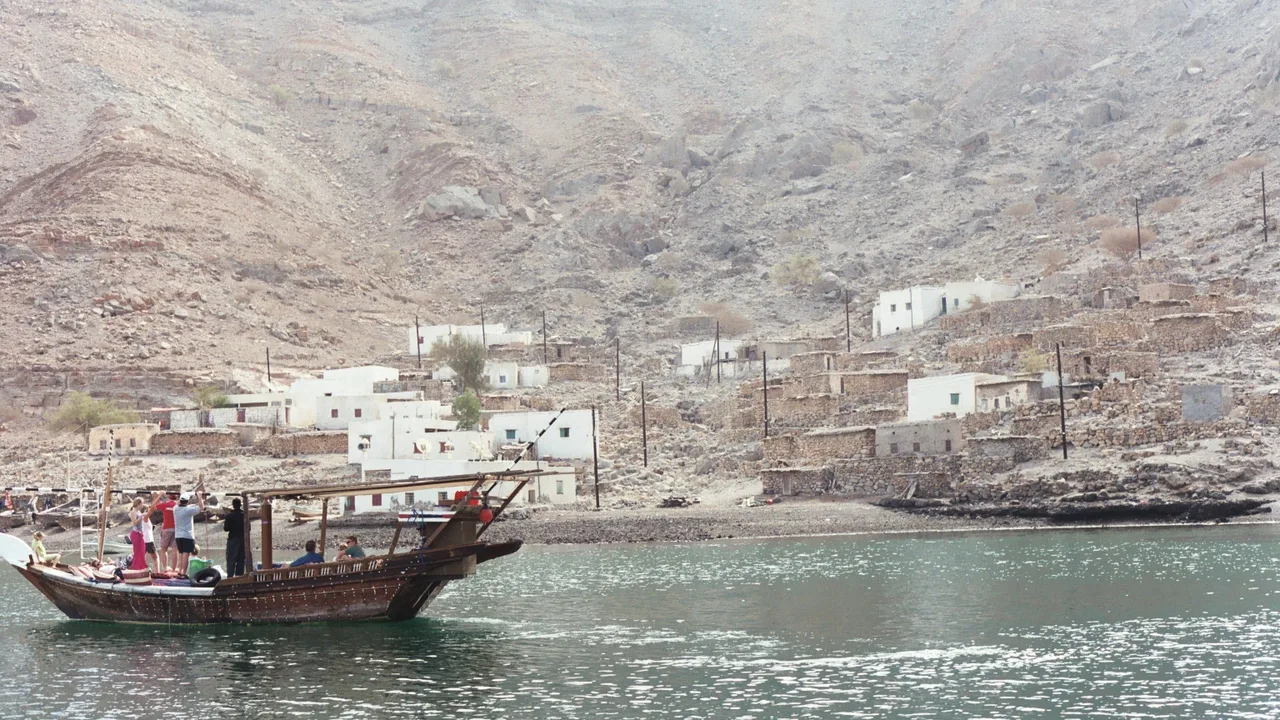
A US military official, speaking on condition of anonymity, confirmed one significant tactical change to Reuters: after US strikes destroyed much of Iran's radar capability, the Islamic Revolutionary Guard Corps (IRGC) has started using unarmed spotters in small boats to identify potential targets, including US naval vessels. Last week, in a previously unreported incident, the US military determined that Iranian spotters were operating from a dhow, calling in targets to the IRGC, the official said; US forces confronted the vessel, ordered its occupants to abandon ship and then destroyed it, with no casualties. The official said Iran had been unwilling to risk its remaining fast boats and had been unable to prevent a ramp-up in oil exports through the strait, particularly after US strikes devastated its navy. That US account is a single official's version of the dhow incident and has not been independently confirmed; it is published here as the official's account, as Reuters reported it.
What happens next?
What happens next turns on whether the higher tempo is sustained and whether it spreads. The officials' stated end point — complete closure of the strait to vessels Tehran deems in violation of its restrictions — has not been reached: oil still transits, and the JMIC's "severe" rating, while high, is not its maximum. For shipping, the practical position is unchanged but worse: high insurance and shipping costs, a threat rating at the second-highest level, and, on the maritime security sources' analysis, a target area that now extends beyond the strait itself into the Gulf of Oman and waters off Qatar and the Emirates. No response from the Pentagon or Iran's Foreign Ministry was available when Reuters published.
This article reports Reuters' October 14 account, which rests primarily on two senior Iranian officials speaking about their own government's strategy; that sourcing is stated in the text. The attack-tempo figures are drawn from UKMTO-reported incidents and IMO data as analysed by maritime security sources and reported by Reuters. The US military official's account of the spotter dhow is attributed to that official and is not independently confirmed.