A Kabila M23 coalition now formally leads the insurgency in eastern Congo: former president Joseph Kabila launched the Front for the Refoundation of the Nation (FRN) in Goma on Monday, a political-military group that Reuters reported will replace the AFC-M23 alliance, with Kabila at its head and senior rebel leaders as his deputies. The announcement ends months in which Congolese authorities accused Kabila of backing the rebellion while he denied any involvement, and it drew a direct response in New York a day later, when the United States used a Security Council briefing to demand that Rwanda pull its troops out of Congo and stop supporting M23.
What was announced in Goma?
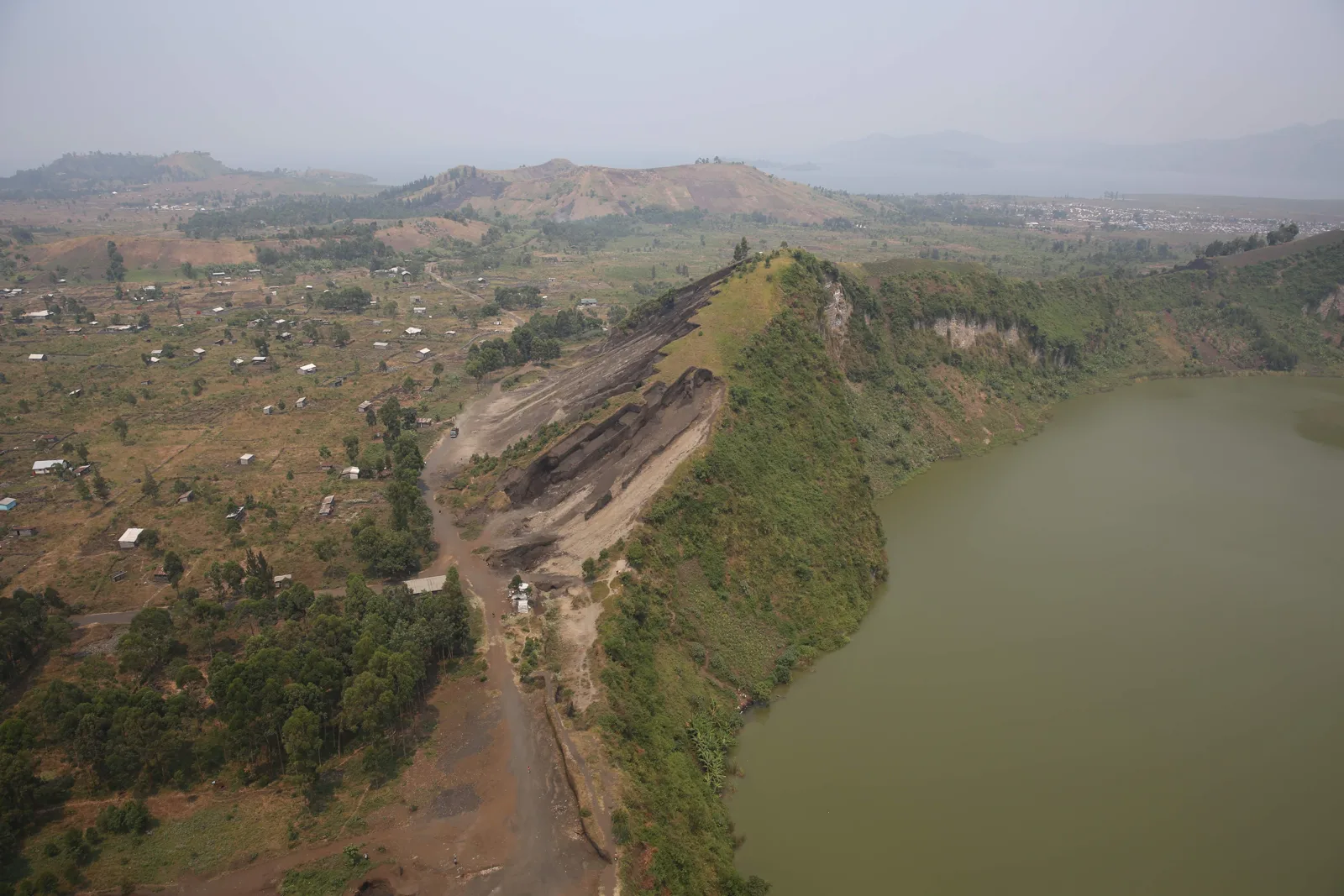
The FRN was announced at a press conference in Goma, the eastern city M23 has controlled since January 2025, where Kabila introduced the coalition at his residence, Al Jazeera reported. Its deputies are the rebel leaders Corneille Nangaa, Bertrand Bisimwa, Freddy Kaniki and Sultani Makenga, the group's adviser Claude Ibalanky announced, according to Reuters. Ibalanky said the group aims to unite all resistance forces against the government in Kinshasa, including, in the coalition's stated mission, by force if necessary. There was no immediate response to the announcement from the DR Congo government, Al Jazeera reported. In a speech the previous Friday, Kabila had accused the government of corruption, poor governance and military setbacks in the east, and criticised its minerals deal with the United States, Reuters reported.
How did Kabila get here?
Kabila's open leadership is a change of posture, not a new association. Congolese authorities had accused him for months of supporting AFC/M23, whose forces captured large areas of eastern Congo in an offensive last year, while he denied involvement, Reuters reported. He travelled to rebel-held Goma in 2025, and several of his former allies have since taken positions inside AFC/M23. Nangaa, now one of his deputies, is the former electoral commission chief who oversaw the contested 2018 vote that brought Felix Tshisekedi to power and ended Kabila's presidency. A military court sentenced Kabila to death in absentia after convicting him of treason, war crimes and crimes against humanity over the allegation that he supported the rebellion; he has denied the accusations and called the case politically motivated, Reuters reported. Al Jazeera reported that the United States imposed sanctions on him earlier this year over his alleged role in funding rebel groups — a claim published here as Al Jazeera reported it.
What did the United States say at the Security Council?
The US response came on Tuesday, at a Security Council briefing on the Great Lakes region. US representative Jeffrey Bartos said Rwanda must immediately and unconditionally withdraw its troops and military equipment from the DRC and cease all support to M23, and he urged both Rwanda and Congo to implement their commitments under the Washington Accords, People Daily Digital reported from the briefing. The United Nations and Western governments accuse Rwanda of backing M23 and exercising command and control over the rebels; Rwanda denies supporting the insurgency, Reuters reported. Bartos also pressed the Congolese side: he called on Kinshasa to speed up efforts to neutralise the FDLR armed group, to end any cooperation between elements of its armed forces and the FDLR, and he noted the repatriation of more than 120 FDLR ex-combatants and family members with UN mission support, and Congo's transfer of 15 detainees to AFC/M23 under a prisoner-exchange protocol, as confidence-building steps. Referring to the insurgency under its new FRN name, he urged Congo and the alliance to conclude the outstanding protocols in the Qatar-facilitated Doha negotiations.
Why does the rebrand matter for the peace talks?
The rebrand matters because it changes who the talks are with. Representatives of the Congolese government and the M23 movement were expected to meet in Qatar in November, and analysts cited by Al Jazeera warned that the new coalition could undermine that process. Reporting from Goma, Al Jazeera's correspondent noted that the rebels already hold Goma and Bukavu, the airports and key border crossings with Rwanda and Uganda, and that the government has shown no sign of pushing them back. Yvon Muya, a researcher at the University of Ottawa cited by Al Jazeera, said the announcement raised the chance of a confrontation between Kabila and Tshisekedi and of more fighting in the east, and raised fears that government soldiers might defect to a former commander-in-chief. Those are assessments by the analysts Al Jazeera quoted, published here as such. On the facts both Reuters and Al Jazeera agree on, the position is this: the insurgency has a new name, a former head of state openly in charge, and a peace process whose other parties were, within 24 hours, publicly restating their demands in New York.
This article is drawn from Reuters (October 12), Al Jazeera English (October 13, read via its verbatim carrier) and People Daily Digital's report of the October 13 Security Council briefing — all opened and read for this article. Rwanda's denial of support for M23 and Kabila's denial of the charges against him are stated in the text. The FAQ answers are drawn only from the article's own text.