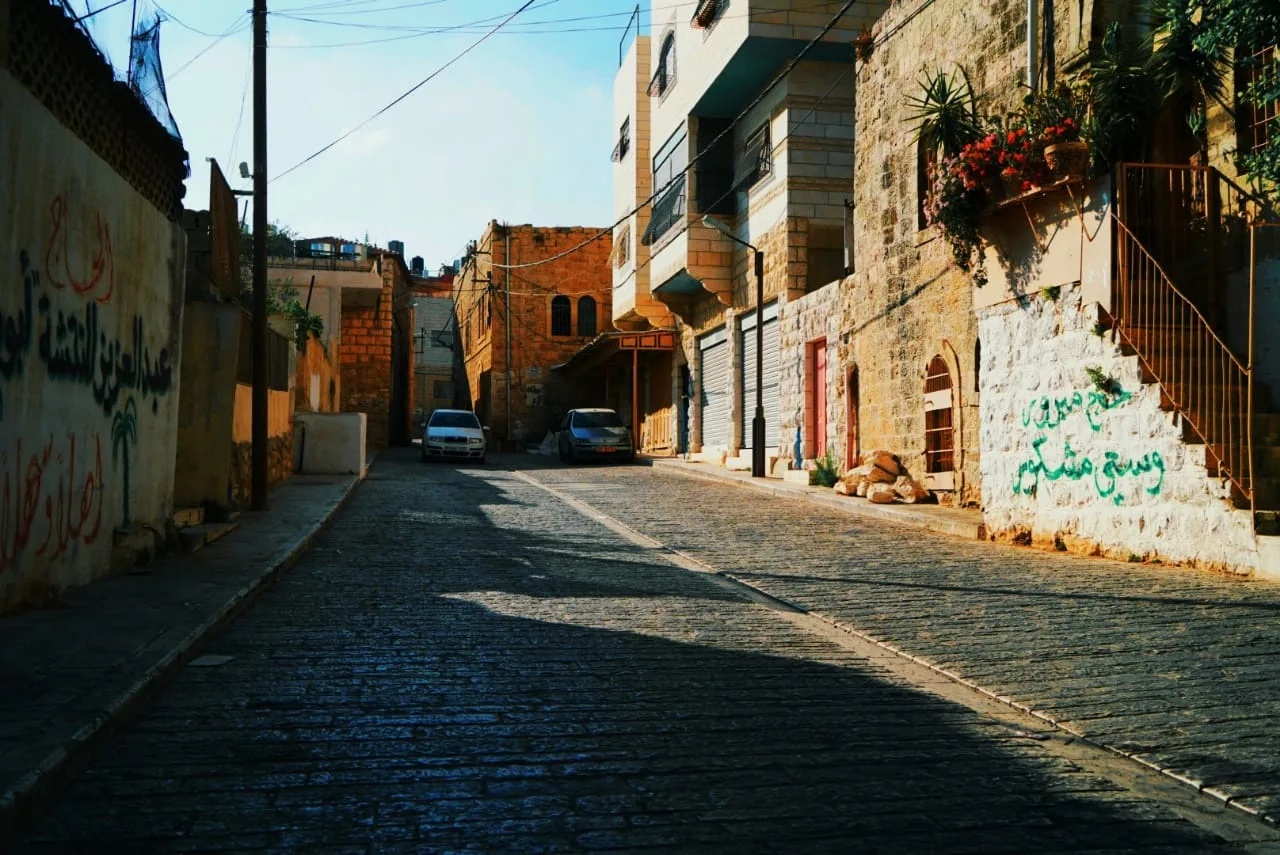
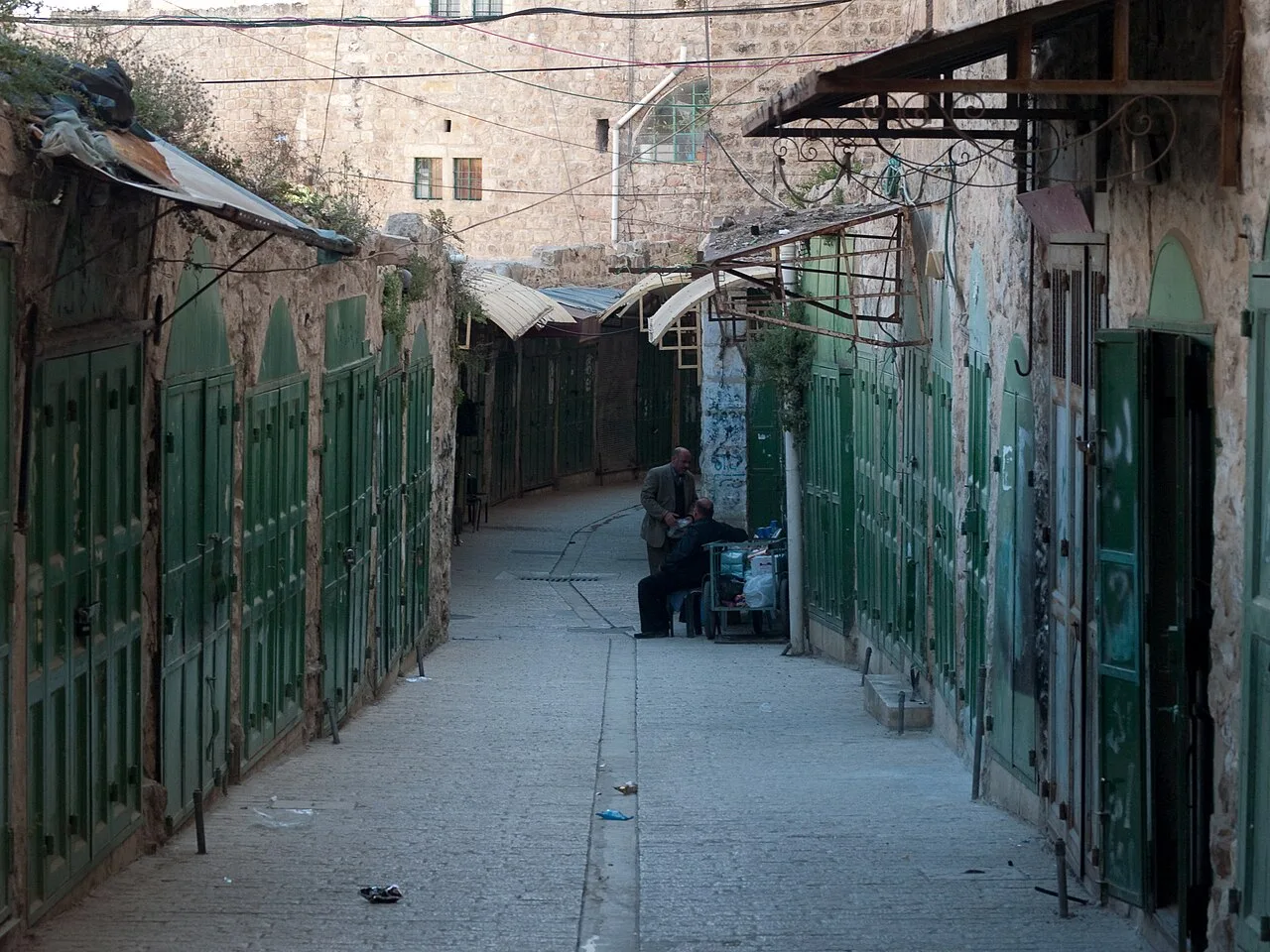
More than 3,000 Palestinians have been forced from their homes by Israel's military operation in Hebron in the occupied West Bank, the United Nations said on Monday, and on Tuesday Israeli troops fired a stun grenade to disperse residents who had gathered to protest against the operation, Reuters reported. The displacement toll has more than doubled since Saturday, when about 1,200 people had been driven out as the operation began. The military says it will now demolish homes in the emptied neighbourhoods — and says its searches of those houses found no weapons.
What happened at Tuesday's protest in Hebron?
Residents expelled from their neighbourhood gathered to protest, and troops dispersed them with a stun grenade so the operation could continue, the military said. A group of Palestinian men, women and children took part; one elderly man held a placard that said: "No to collective punishment, no to closures, and no to displacement," Reuters reported. Noura Nassar, a displaced resident who attended the protest, said she had struggled to get medical treatment because of the blockages: "Where is the democracy in all of this? Their elections are today, sure, but what about us? Aren't we human beings? We want to go out, we want to visit the doctor," she said. Another expelled resident, Sana' Salman Abu Sneineh, said Tuesday's election in Israel would do little to change the reality on the ground in the territories Israel has occupied since 1967: "Among themselves they will elect who is the oppressor and who will destroy the Palestinian people. That is their election."
How many people have been forced out, and what has the UN said?
Over 3,000, on the UN's count as of Monday — against about 1,200 displaced by Saturday, the figure Hebron's municipal head gave Reuters when the operation began, and about 1,300 more then at risk of losing their homes. The operation targets neighbourhoods near the checkpoint where Palestinian gunmen killed two Israeli soldiers on Friday. "Collective punishment is a grave violation of international law," UN human rights chief Volker Türk said in a statement. "Threats to empty and erase entire neighbourhoods also raise serious concerns of ethnic cleansing."
Will the emptied homes be demolished?
The military says yes. In a statement on Sunday, it said troops would carry out demolitions in the area — and it said soldiers had not located any weapons in searches of the houses, Reuters reported. Since Friday's attack on the checkpoint, Israel has also blocked the entrances to most Palestinian cities and towns across the West Bank, severely curtailing Palestinians' freedom of movement.
Why is the operation happening now?
The operation follows Friday's checkpoint shooting, in which Palestinian gunmen killed two Israeli soldiers, and the government says it is a response to that attack. Some Palestinian officials have accused Prime Minister Benjamin Netanyahu of launching a crackdown in the West Bank to coincide with Tuesday's vote, as a way to energise his right-wing supporters; the operation unfolded as Israelis voted in an election in which the country's posture in the West Bank has been a major political issue, Reuters reported. Netanyahu and his main rival Gadi Eisenkot both oppose the creation of an independent Palestinian state alongside Israel. Netanyahu's government has presided over a rapid expansion of Israeli settlements, which are deemed illegal by UN bodies and most countries, though Israel disputes this, and a surge of militant settler violence against Palestinians, Reuters noted.
This report is drawn from Reuters' October 27, 2026 report from Hebron, opened and read in full via a verbatim wire carrier. The displacement figure of over 3,000 is the United Nations' as reported by Reuters; the earlier figure of about 1,200 displaced on Saturday is Hebron municipal head Yousef Zouhair Al-Jabari's, as reported by Reuters and published by this site on October 24. The military's statements on the demolitions and on its searches finding no weapons are published as the military stated them.