Qatari mediators have presented Iran with a new draft Iran war deal — a seven-day sequence of daily confidence-building steps intended to end the war with the United States and Israel — and Tehran is expected to send its response by the end of the week, an official briefed on the negotiations said on Wednesday. The draft is now the live diplomatic track in a war that began in February, has disrupted global shipping and oil supplies, and has spilled over across the Middle East. If Tehran answers in time and the sequence holds, the seven-day timeline could begin early next week, with several countries acting as guarantors, the official added.
What does the seven-day draft propose?
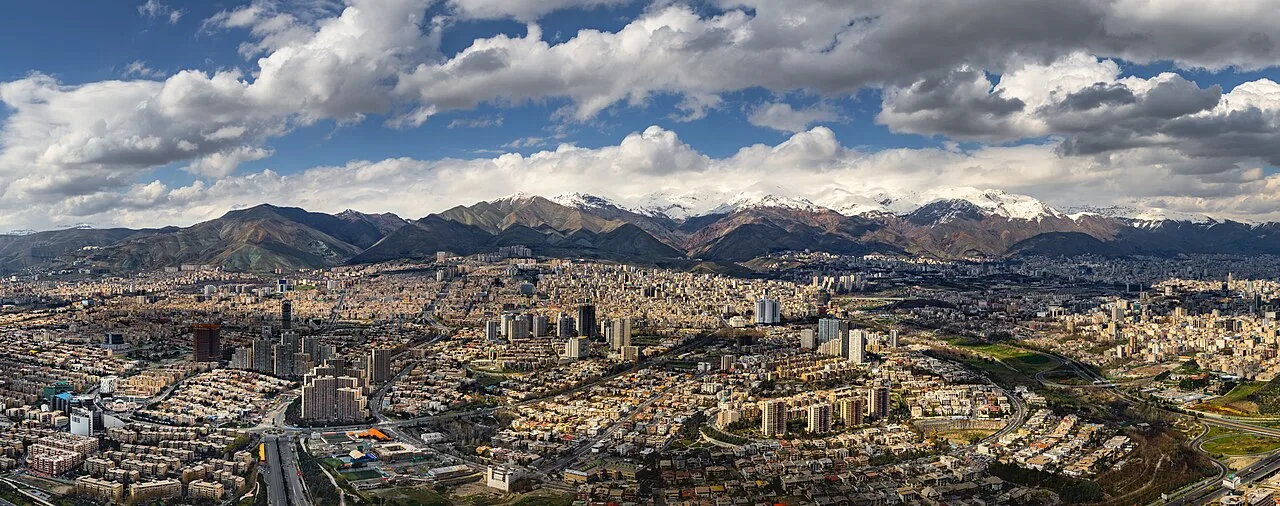
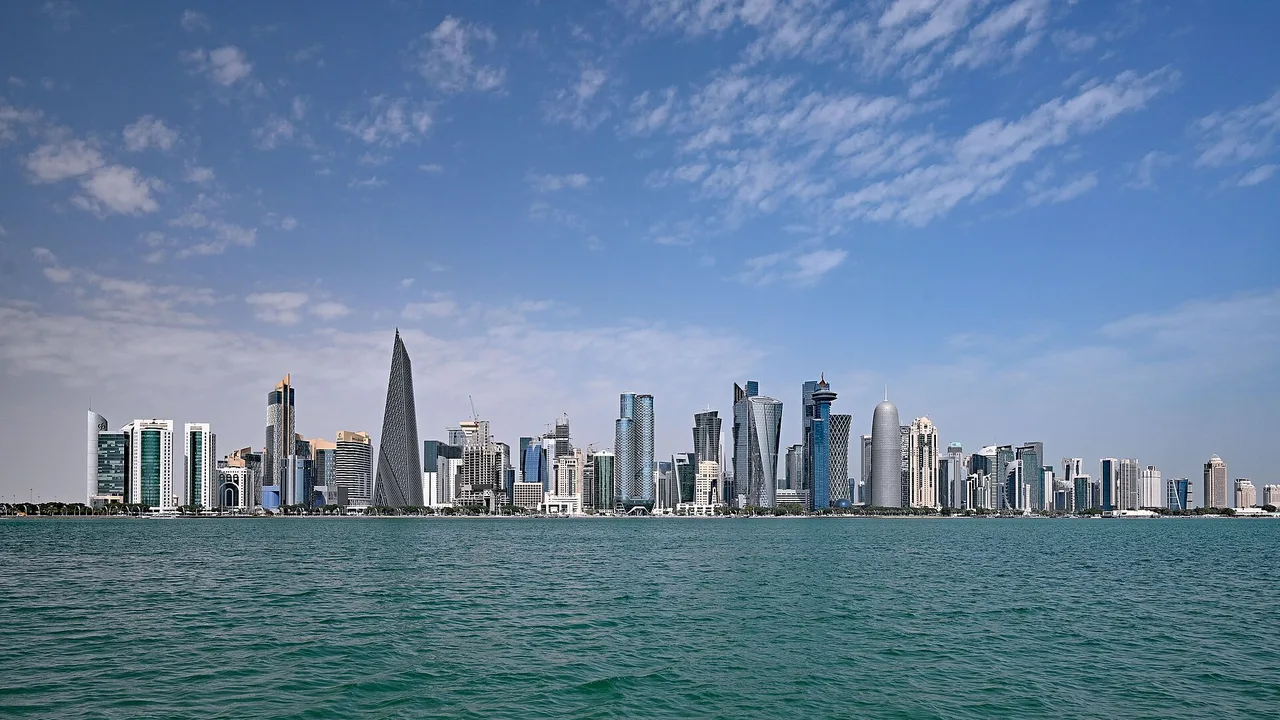
A short, choreographed week in which each side takes a visible step every day. The new draft being considered by Iran sets a seven-day timeline addressing both Tehran's and Washington's concerns, laying out daily confidence-building steps that each side must take, the official said. The timeline could begin early next week, and several countries would act as guarantors of the deal. Reuters did not report the content of the individual daily steps, and no Iranian, American or Israeli government statement on the draft appears in the reporting opened — the proposal is published here as the briefed official described it, not as an agreed text. The guarantor mechanism itself has been building for days: at Monday's Tehran meeting, a Pakistani official said army chief Field Marshal Asim Munir had presented Iran with a proposed solution offering something to both the US and Iran, and that the Mecca pact states and Qatar could act as guarantors if it was accepted, Reuters reported in its account of that meeting — the same account that first placed Qatari mediators in Tehran on Sunday. Qatar, along with Pakistan, has led mediation to end the war that the US and Israel launched in February, and Qatari mediators were also in Tehran last weekend for the regional meeting this site reported on Monday, at which Saudi Arabia, Turkey and Pakistan held their first high-level talks with Iran since the war began.

Why is the week ahead dangerous?
Because both capitals were threatening escalation in the days before the draft was handed over. There were concerns ahead of Sunday's meeting in Tehran that Israeli Prime Minister Benjamin Netanyahu, fighting for another term in a general election, could resume attacks on the Islamic Republic this week, the official briefed on the negotiations said. On Friday, US President Donald Trump repeated threats to strike Iran again, while Iranian security officials told Reuters Tehran had drawn up detailed plans to attack Gulf undersea cables if the US and Israel resumed attacks. The fighting has also continued on the war's Saudi front: in recent weeks Yemen's Iran-aligned Houthis have launched repeated attacks against Saudi Arabia, the world's largest crude exporter, and on Tuesday the Houthis said they had hit Saudi Arabia's biggest oil refinery, Ras Tanura, with a missile — a claim Saudi authorities had not immediately confirmed, Reuters reported. Oil markets are pricing that risk directly: Brent crude rose more than $2 on Wednesday after dropping nearly $2 on Tuesday, and ING commodity strategists said the market was still pricing in a greater likelihood of re-escalation while it waited for greater clarity on President Trump's next move toward Iran.
What happened to the last deal?
It was agreed in June, and it did not hold. Earlier mediation efforts helped produce an interim peace agreement in June, but the deal quickly unravelled, Reuters reported — after which the war resumed, the United States imposed a naval blockade on Iran, and the conflict widened to Saudi Arabia's oil infrastructure and airports. That history is the context for the new draft's design: a compressed seven-day sequence with daily steps and multiple guarantor countries is built to generate momentum faster than a longer process that either side can stall. Whether Tehran's answer, due by the end of the week, accepts that design is the next fact in this story — and, on the official's account, the first test of whether the war's eighth month opens with a negotiation or with the resumed strikes both sides have threatened.
This report is drawn from Reuters' October 28, 2026 report of the Qatari draft, opened and read in full on reuters.com, and Reuters' October 28, 2026 oil report, opened and read in full via a verbatim carrier. The draft's terms are published exactly as the official briefed on the negotiations described them to Reuters; no party to the war had publicly confirmed or rejected the draft in the reporting opened, and the Houthi claim against Ras Tanura is published as a claim, with Saudi Arabia's non-confirmation stated.