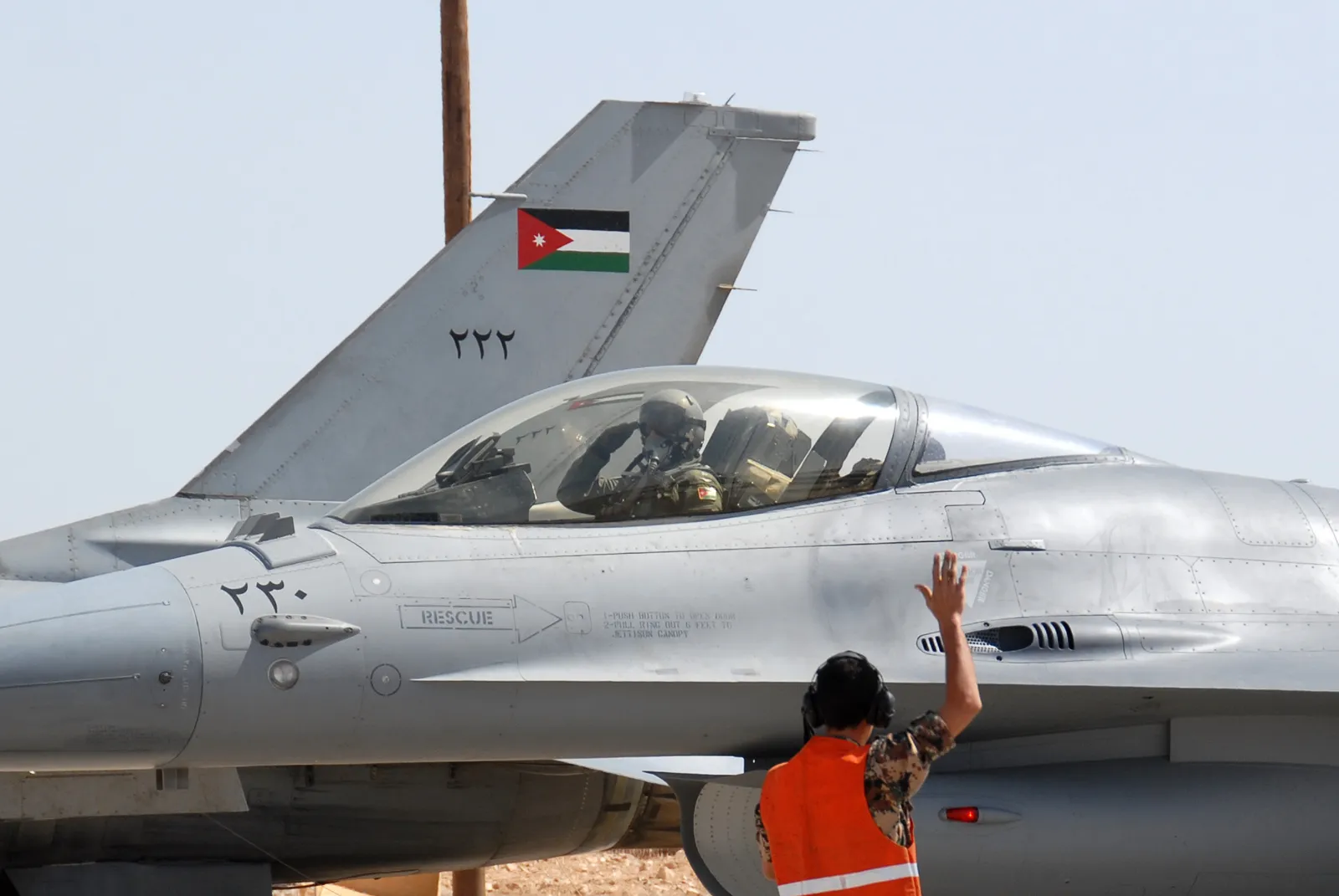
Syria condemned Jordan's airstrikes on its south on Tuesday as an "unacceptable violation" of its airspace, closed the main Nassib border crossing between the two countries, and said the raids killed seven people including three children — a day after Jordanian jets struck what Amman called militant hideouts in retaliation for Friday's church funeral attack in Karak. Jordan said the strikes killed more than 20 Islamic State fighters and destroyed a large weapons depot, expressed regret for civilian casualties, and insisted the operation had been coordinated with Damascus — a claim Syria flatly denies. AFP described the fallout as the worst crisis between the neighbours since the ouster of longtime Syrian ruler Bashar al-Assad in December 2024.
What did each side say the strikes killed?
Two tolls that do not overlap. Jordan's government spokesman Mohammad al-Momani said "the preliminary results... indicate significant losses among Daesh's ranks — estimated at more than 20 fighters", using an Arabic acronym for the Islamic State group, and that "a large weapons depot belonging to the organisation" had been destroyed, AFP reported. Syria's civil defence agency said the strikes killed seven people including three children. Daraa health director Khaled al-Amyan gave the same total — three children, a woman and three men, one of them elderly — with three people injured, including a child, The Media Line reported. Five of the dead were killed in the village of Al-Taf in Daraa province, which borders Jordan, and two other people were killed elsewhere in the south, AFP reported. "We were asleep when the missile hit us. My mother, my older brother and his three children — two boys and a girl — were killed," said Nassouh al-Salim in Al-Taf. An AFP reporter saw a huge crater in the family's destroyed home, with school books, clothes and the remains of furniture strewn among the rubble. Momani expressed regret for any civilian casualties, saying Jordan had avoided targeting locations where it believed civilians were present, and said that "Jordan holds great respect for the Syrian state and its brotherly people".
Was the operation coordinated with Damascus?
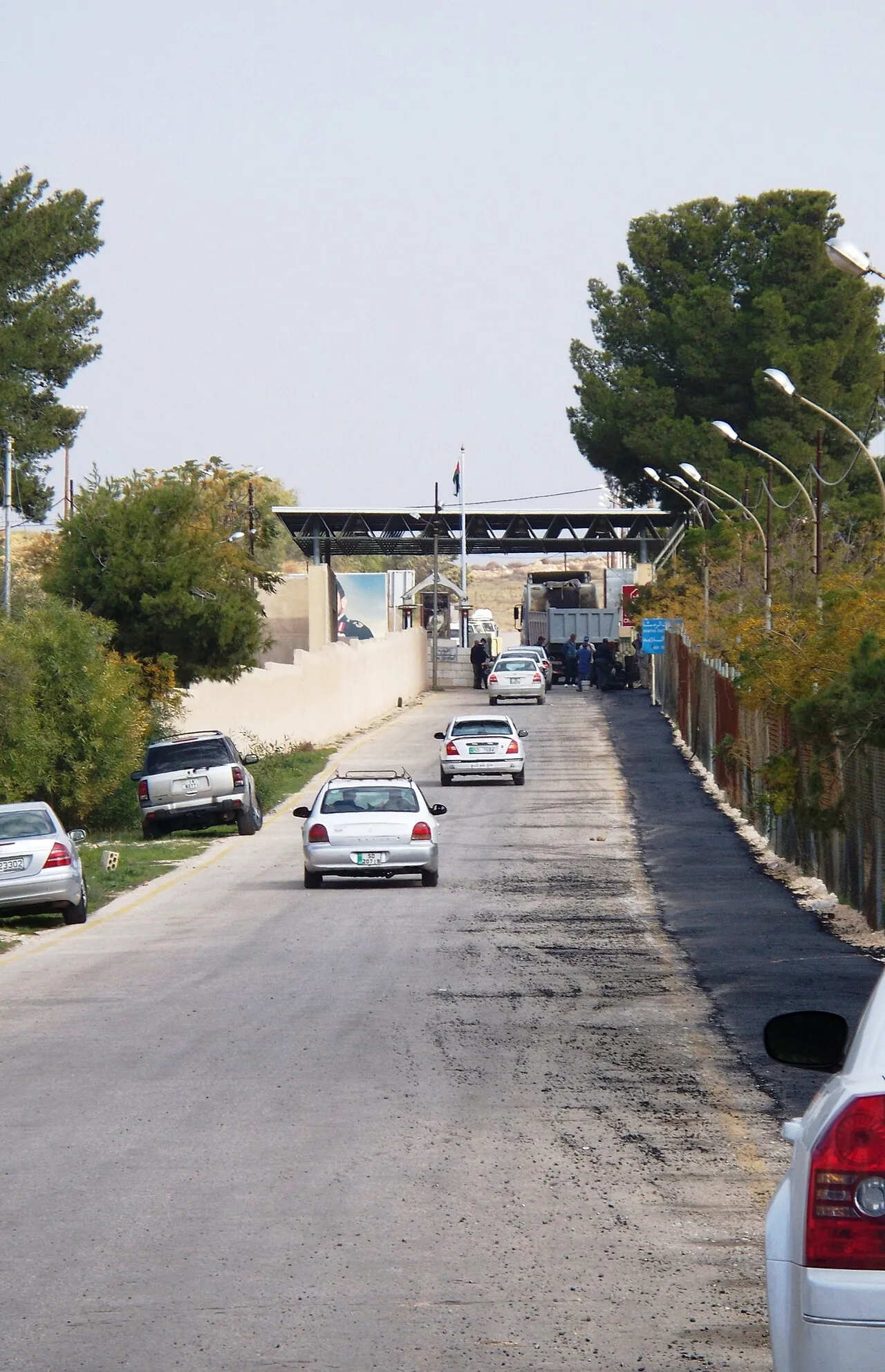
That is now the central dispute, and the two capitals directly contradict each other. The Jordanian armed forces said the operation was conducted in coordination with Damascus, Reuters reported. Syria's foreign ministry issued a "condemnation and rejection" of the strikes, calling them "an unacceptable violation and breach of Syrian airspace without any prior coordination" and "a blatant violation of the principles of good-neighbourliness and Syrian national sovereignty", AFP reported. Damascus said the strikes took place without prior coordination or notification, announced an investigation into the circumstances, and said it had opened direct communication channels with Amman, The Media Line reported. After the strikes, Syria closed the Nassib crossing — known as Jaber on the Jordanian side, and a major commercial and passenger crossing — suspending all traffic in both directions, citing "the current circumstances". Syria's Emergencies and Disaster Management Minister Raed al-Saleh said later on Tuesday that both sides were handling the dispute through "diplomatic and legal channels" with the aim of securing justice for the victims.
What were the strikes retaliating for?
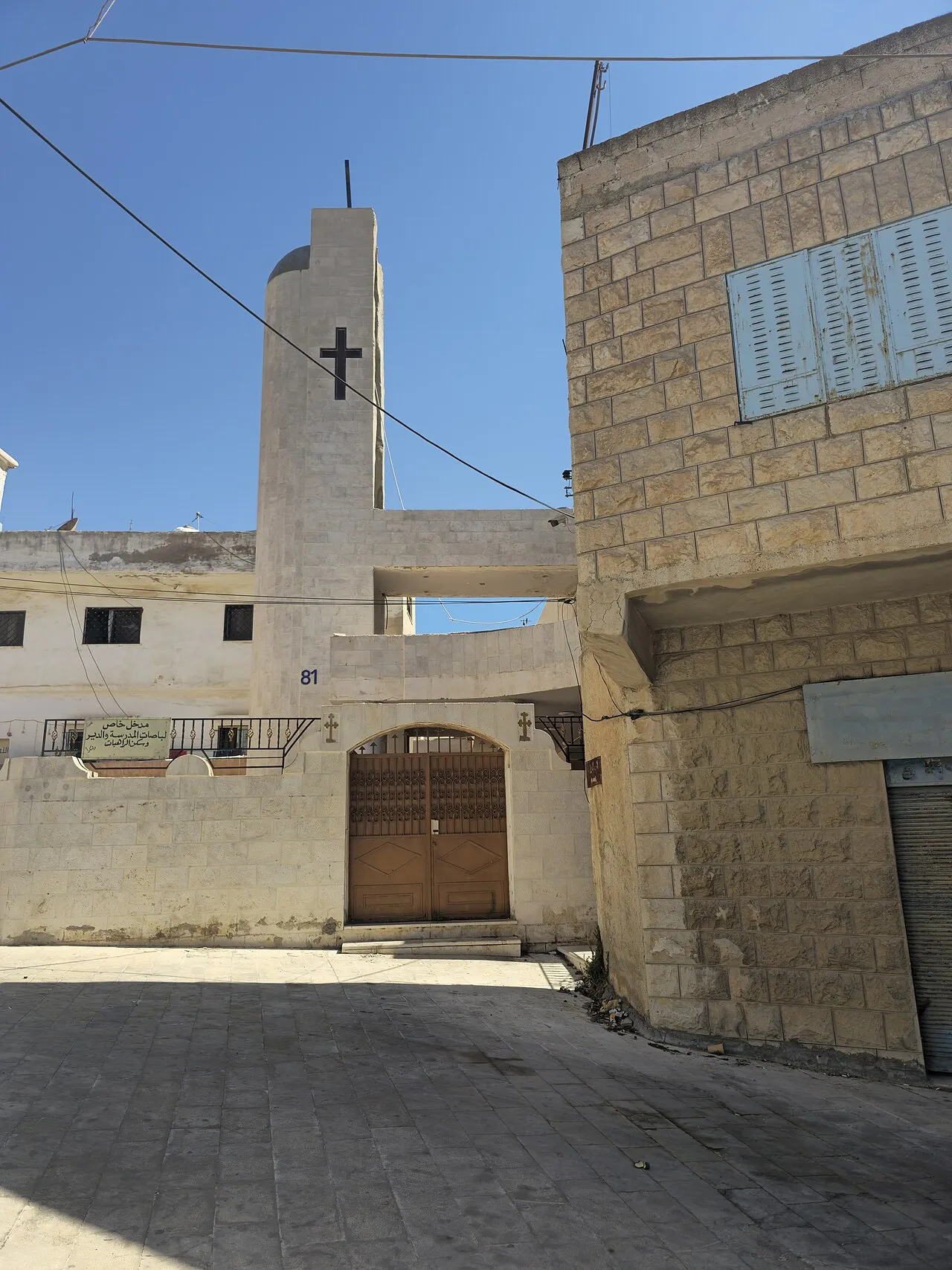
Friday's gun attack on a funeral service at the St. George Greek Orthodox Church in Hmoud, in southern Jordan's Karak governorate, in which gunmen killed nine people. Jordan's military said investigations had established links between the church attackers and organizations operating in southern Syria, and named the operation "Jordanian Deterrence—Hmoud", The Media Line reported. On Monday, Amman said authorities had arrested three Jordanians accused of the church killings — two of them brothers, the other related by marriage — who were hospitalised after being wounded in a shootout with security forces, AFP reported. King Abdullah II said: "We vowed the terrorists would not escape punishment, and no proponent of dark ideologies that divide Jordanians will be tolerated." Two gaps in the official account remain open in the reporting: the military did not identify the organizations it struck, specify all the locations targeted, or disclose the evidence connecting them to the Karak attackers; and Interior Minister Mazen al-Faraya had said at a news conference earlier on Monday that investigators had found no indication the suspects were connected to other terrorist cells — a difference the authorities have not publicly clarified, The Media Line reported. No organization has claimed responsibility for the church attack, and Reuters noted there has been no claim of responsibility by Islamic State.
Why does the dispute matter beyond the border?
Because the two governments had been rebuilding cooperation, not breaking it. Under Syria's new authorities, the two countries have committed to fighting drug smuggling across their porous border, and Jordan has struck southern Syria in the past, saying it targeted sites used by arms and drugs traffickers, AFP reported. The Islamic State group was territorially defeated in Syria in 2019, but remnants are still present there and the group has previously been present in parts of Daraa province. Tuesday's exchange — a strike one side calls coordinated counterterrorism and the other calls a sovereignty violation, a closed main crossing, and two irreconcilable casualty accounts — is the first open rupture of that post-Assad relationship, and al-Saleh's "diplomatic and legal channels" line is, so far, the only stated path back from it.
This report is drawn from AFP's and Reuters' October 27, 2026 reporting, both opened and read in full, and from The Media Line's October 27 report from Daraa, opened and read in full. The casualty figures are the two governments' own, published side by side as each stated them: Jordan's estimate of more than 20 Islamic State fighters killed is its preliminary result, per its spokesman; Syria's toll of seven killed, including three children, is its civil defence agency's and its Daraa health director's. Neither figure has been independently verified, and the coordination question is published as the two governments stated it — Jordan says the operation was coordinated with Damascus; Syria says it was not.