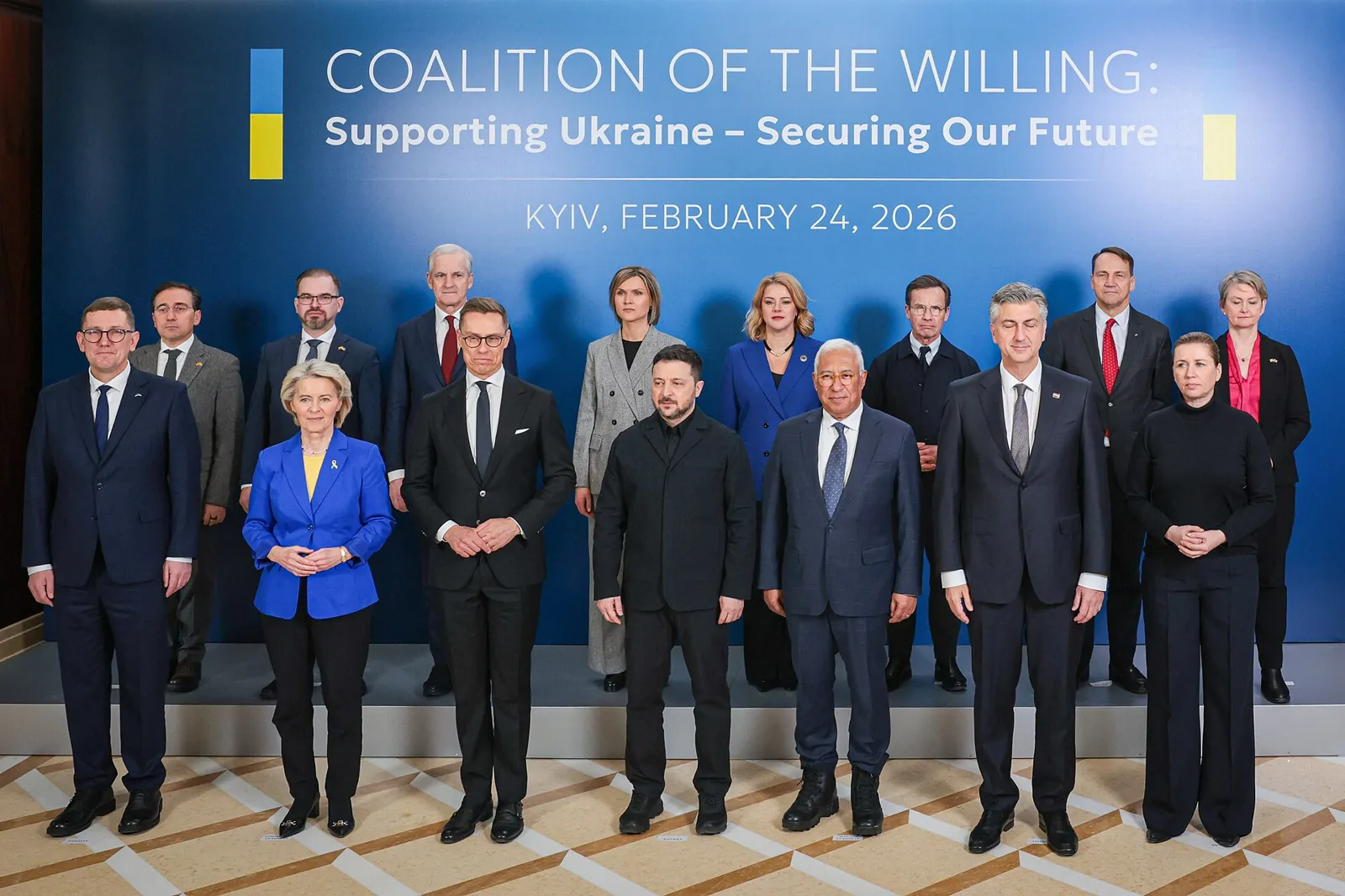
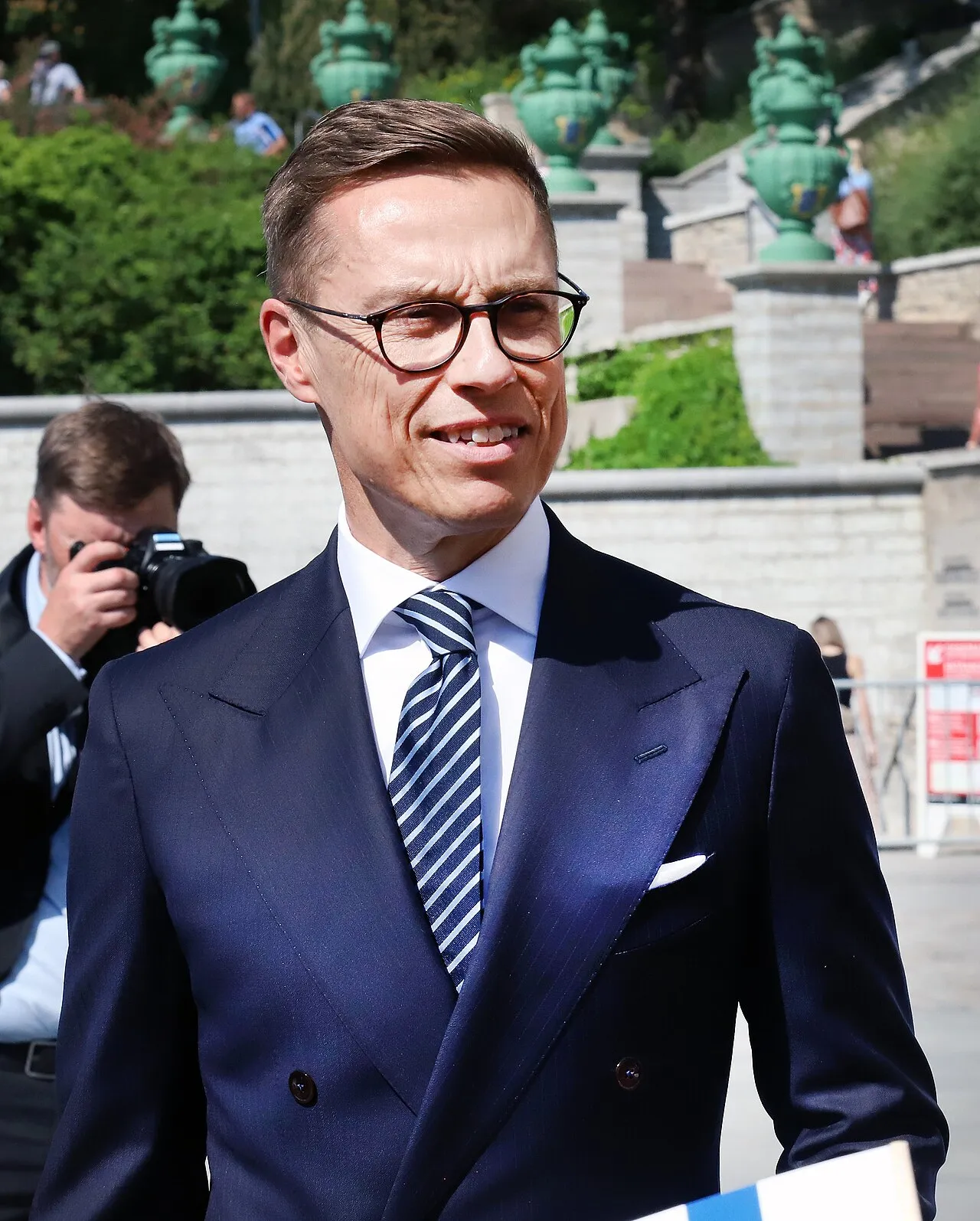
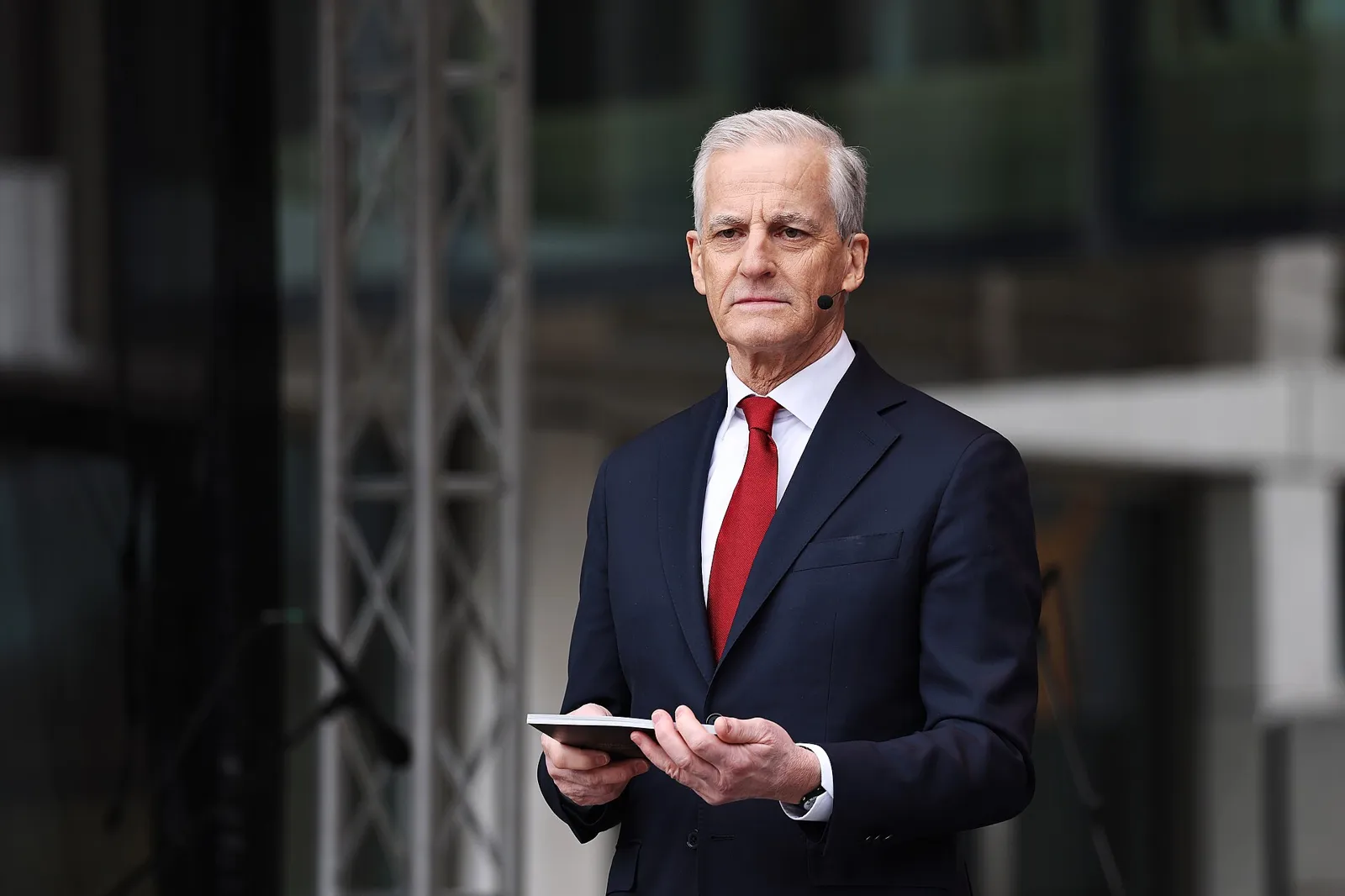
Finland's President Alexander Stubb and Norway's Prime Minister Jonas Gahr Støre phoned Russian President Vladimir Putin for about 90 minutes on Tuesday to urge him to end the war in Ukraine — breaking with Western European leaders' longstanding practice of shunning direct contact with the Kremlin, Reuters reported. The call was an attempt to influence a diplomatic process that has been running around Europe rather than through it: it came after US President Donald Trump shifted his position in favour of Russia and US ties with Ukraine hit their lowest point in 18 months. The two leaders then spoke to Ukrainian President Volodymyr Zelenskiy. The Kremlin's readout showed no sign that Putin had softened his position.
What did the two leaders ask Putin, and what happens next?
De-escalation, and a European seat in a process that currently excludes Europe. In a joint statement, Stubb and Støre linked the initiative to planned peace discussions between Russian, Ukrainian and US officials in Abu Dhabi next month — their first since February. "The discussion (with Putin) was frank and substantive. We are neighbouring countries to Russia. The outcome of this war will have a direct impact on our and the broader European security. Ending the war requires direct discussions," Stubb said. Støre said he and Stubb had "stressed the importance of de-escalation", and both voiced strong support for Ukraine. In later comments to Finnish journalists, Stubb said all Western allies were consulted on the initiative, that Ukraine had sought the opening of a new communications channel, and that Europe could no longer be a bystander to peace efforts giving Russia "the silent treatment". German Chancellor Friedrich Merz, speaking in Singapore on Tuesday, made the same argument from the other side of the table: attempts by the US and Russia to end the war "can never find solutions without Ukraine", any talks must also include European countries, and Norway and Finland were playing "a very constructive role" in building a format to speak with Moscow, Reuters reported.
Did the Kremlin's position move?
No, on the evidence of its own readout. "It was emphasised that achieving a just and long-term peace is possible only if the legitimate interests of the Russian Federation are fully and unconditionally taken into account," the Kremlin said, adding that "attention was drawn to the confrontational policies of EU and NATO countries, which are contributing to the prolongation of the hostilities." Russian Foreign Minister Sergei Lavrov said Tuesday's call had offered nothing new on the Ukraine conflict and that European countries were simply seeking a role in the negotiation process. A source close to the Kremlin told Reuters that Putin told Stubb and Støre that European involvement was welcome and that the war needed to end "taking into account the realities on the ground" — which the source said signified that Russia would not compromise over its aim to capture the whole of Ukraine's Donbas region; the Europeans responded that a "just" peace was needed. The same source said French President Emmanuel Macron had been the last EU leader to speak with Putin, in a summer call that yielded no results and was not made public. Austrian political analyst Gerhard Mangott read one shift on Moscow's side: Kremlin aide Yuri Ushakov had suggested on Sunday that Europe should be part of discussions, where Moscow had previously consistently rejected discussing a settlement with the Europeans.
How did the rest of Europe react?
With a split that the call itself exposed. Ukrainian Foreign Minister Andrii Sybiha said the call had been coordinated with Kyiv and was "the right approach": "We welcome such active support for our diplomatic efforts and peace process," he said, adding that he also hoped a local ceasefire around the Russian-occupied town of Oleshky could "pave the way to other steps in the peace process." Danish Prime Minister Mette Frederiksen said she saw no signs that Russia wanted peace, adding: "I think Europe should stick together rather than going solo." Swedish Prime Minister Ulf Kristersson said other European leaders were not informed of the talks: "My impression is that everyone wants peace, except for Putin himself. I have quite low expectations for this type of conversation," he told Swedish daily DN. Polish Prime Minister Donald Tusk said he had told Stubb and Støre that "absolute caution and vigilance are necessary in such contacts". Stubb and Støre said they acted as leaders of their respective countries and not on behalf of Europe, and had "consulted thoroughly with all our partners".
Why does a phone call count as a shift?
Because the silence was the policy. Western European leaders have mostly refused to talk to Putin since the February 2022 invasion, hoping to isolate him — and have been sidelined in peace efforts led by Trump, who is seen in many European capitals as unpredictable and prone to side with Putin at Ukraine's expense, a perception reinforced by this month's deals in which Putin agreed to supply Russian diesel to the United States and Trump eased sanctions on Russia, and by Ukraine's complaints of disrupted US intelligence-sharing and satellite internet services, Reuters reported. Moscow and Kyiv remain far apart on how to end the war, long-range airstrikes by both sides have increased this year, and battle lines have remained largely static. Tuesday's call does not change any of that — but it ends the pretence that Europe's position in the negotiation is preserved by not being in the room.
This report is drawn from Reuters' October 27, 2026 reporting from Helsinki, opened and read in full via a verbatim wire carrier, and from Reuters' same-day report of Chancellor Merz's remarks in Singapore, opened and read in full on reuters.com. The Kremlin's position is published as its readout stated it; the account of what Putin told the two leaders about the Donbas is a source close to the Kremlin speaking to Reuters, published as such. The reactions of the Danish, Swedish and Polish prime ministers and of Ukraine's foreign minister are as Reuters reported them.