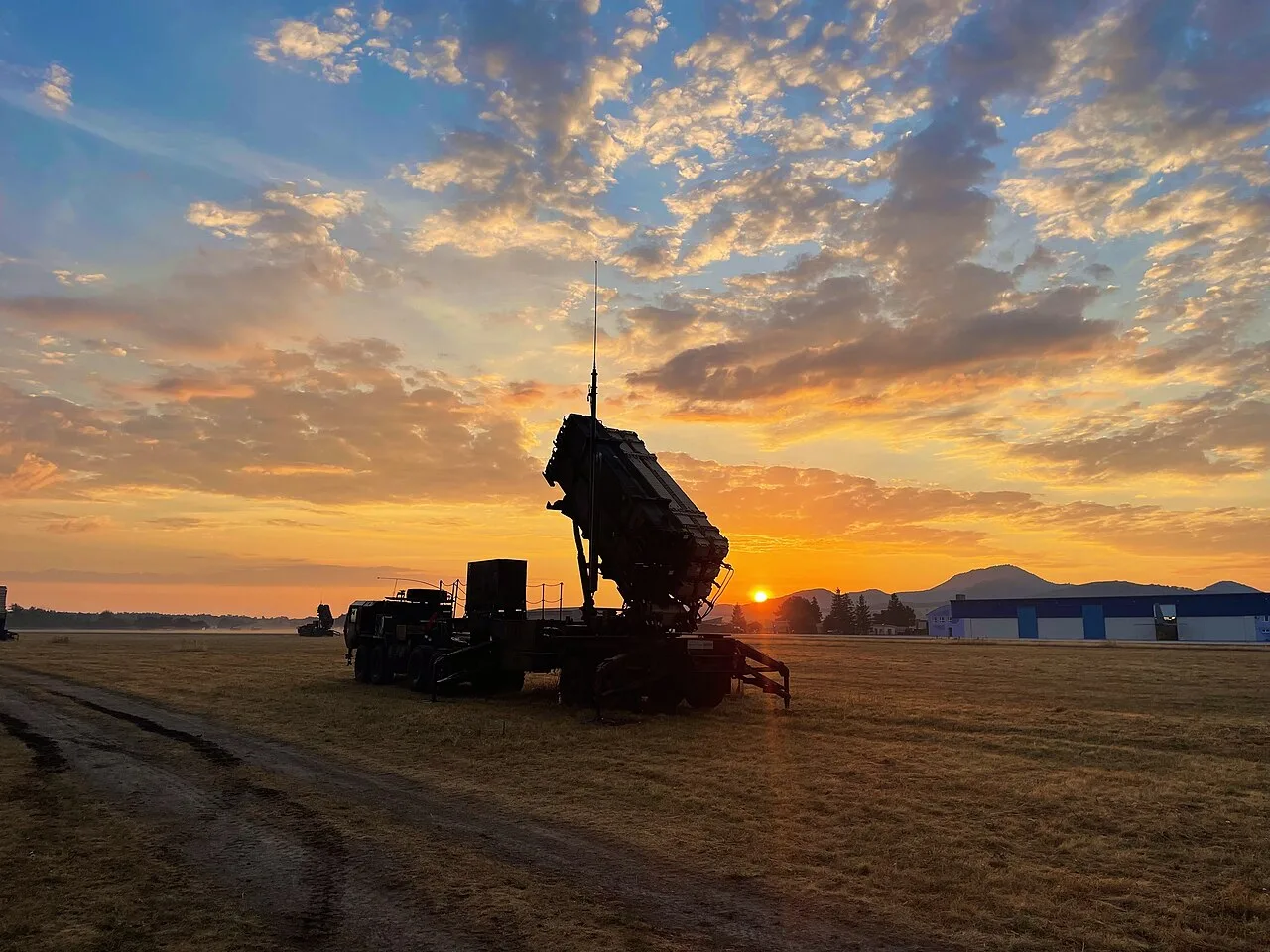
Ukraine's most important air-defence resupply is sitting on a desk in Washington: Kyiv has waited nearly a month for Defense Secretary Pete Hegseth to sign off on Patriot and NASAMS interceptor missiles, President Volodymyr Zelenskiy said on Monday. The disclosure, made publicly on X, lands in the middle of Russia's autumn campaign against Ukraine's power grid — overnight strikes injured six people in Zaporizhzhia and the Chernihiv region — and at the end of a month in which US-Ukraine friction has already run through diesel, refineries, satellite intelligence and Starshield. The missiles at issue are not a gift awaiting a budget vote: they are US-supplied interceptors purchased by NATO allies under the PURL programme, Reuters reported.
What did Zelenskiy say, exactly?
That the signature, not the stockpile paperwork, is the bottleneck he can see. "In particular, we have been waiting for nearly a month for Mr Hegseth to sign off on missiles for Patriots and NASAMS. I instructed our team to raise this with the American side once again," Zelenskiy said on X, Reuters reported. The Ukrainian leader has repeatedly called on the United States, which supplies the missiles purchased by NATO allies under PURL, to speed up deliveries ahead of winter. Patriot and NASAMS defend against different parts of the same sky — Patriot against ballistic missiles, the threat Ukraine can least afford to leak, NASAMS against cruise missiles and aircraft — and both draw on the interceptor magazines that Russia's nightly barrages steadily empty. Zelenskiy's phrasing is a president's account of where he believes the delay sits; it is published as his statement, and no Pentagon response appears in the reporting opened for this article.
What has Washington said?
That a delivery may have slipped, but not for political reasons. Last week, Secretary of State Marco Rubio acknowledged that a batch of interceptors may not have been delivered, but said the delay was not for political reasons, Reuters reported. That acknowledgement matters because it confirms the fact of a gap from the US side while disputing its cause — which is where this article leaves it: Zelenskiy says Kyiv has waited nearly a month for a sign-off; Rubio says a batch may not have arrived and politics is not the reason. Neither statement, as reported, puts a date on the next delivery.

Why does a month's wait matter now?
Because the strikes the interceptors exist to stop are hitting power stations while the wait runs. Russia has stepped up attacks on energy and civilian infrastructure, Reuters reported, and the night before Zelenskiy's statement followed the pattern: a Russian strike on Zaporizhzhia injured four people overnight, regional governor Mykhailo Semikin said, and two more were injured in strikes on the Chernihiv region, Ukraine's emergency service said, according to Reuters. Russia's defence ministry said it hit a power station in Kharkiv, Ukraine's second-largest city, another power station in the Khmelnitskiy region, a warehouse in the Kharkiv region, port infrastructure in Chornomorsk and a cargo vessel en route to Odesa, which it said was used for military purposes — the ministry's own claims, published as such. Every ballistic missile that reaches a power station is one the Patriot magazine was meant to spend itself on; every week of delay is spent from a stock Ukraine cannot refill on its own. Zelenskiy made the connection explicit a day earlier, telling an interviewer on Sunday that one alternative to his proposed refinery-strike swap was for the United States to supply Patriot missiles, Reuters reported in the same day's strike account.
What else is stacked behind this file?
Almost every other US-Ukraine file of the last month. Delayed missile deliveries are adding to Ukraine's tensions with the US after President Donald Trump announced a diesel deal with Russia and criticised Zelenskiy for Ukraine's unwillingness to stop attacks on Russian refineries, Reuters reported. In recent weeks Ukraine has said that at some point it experienced gaps in getting intelligence from the US on Russian missile attacks, and it reported that Starlink's military version, Starshield, was throttled for days, disrupting military operations and air defences. Reuters has reported that the order to throttle Starshield came from inside the White House; both SpaceX chief executive Elon Musk and US officials have said publicly that any decisions on Starlink and Starshield limitations could only have been taken by the other — a contradiction this site has covered in detail and which remains unresolved in the reporting. Read together, the pattern Kyiv is describing is not one delayed shipment but a month in which warning data, satellite bandwidth and now interceptor resupply have each, at some point, waited on Washington — while the winter campaign they are meant to blunt has not waited at all.
This report is drawn from Reuters' October 26, 2026 report on the Patriot sign-off wait, opened and read in full on reuters.com, and Reuters' October 26, 2026 report on the overnight strikes in Zaporizhzhia and Chernihiv, opened and read in full on reuters.com. Zelenskiy's statement is published as his own account; Rubio's acknowledgement is published as reported by Reuters; Russian defence ministry target claims are the ministry's own. No Pentagon statement on the sign-off appears in the reporting opened, and none is implied.