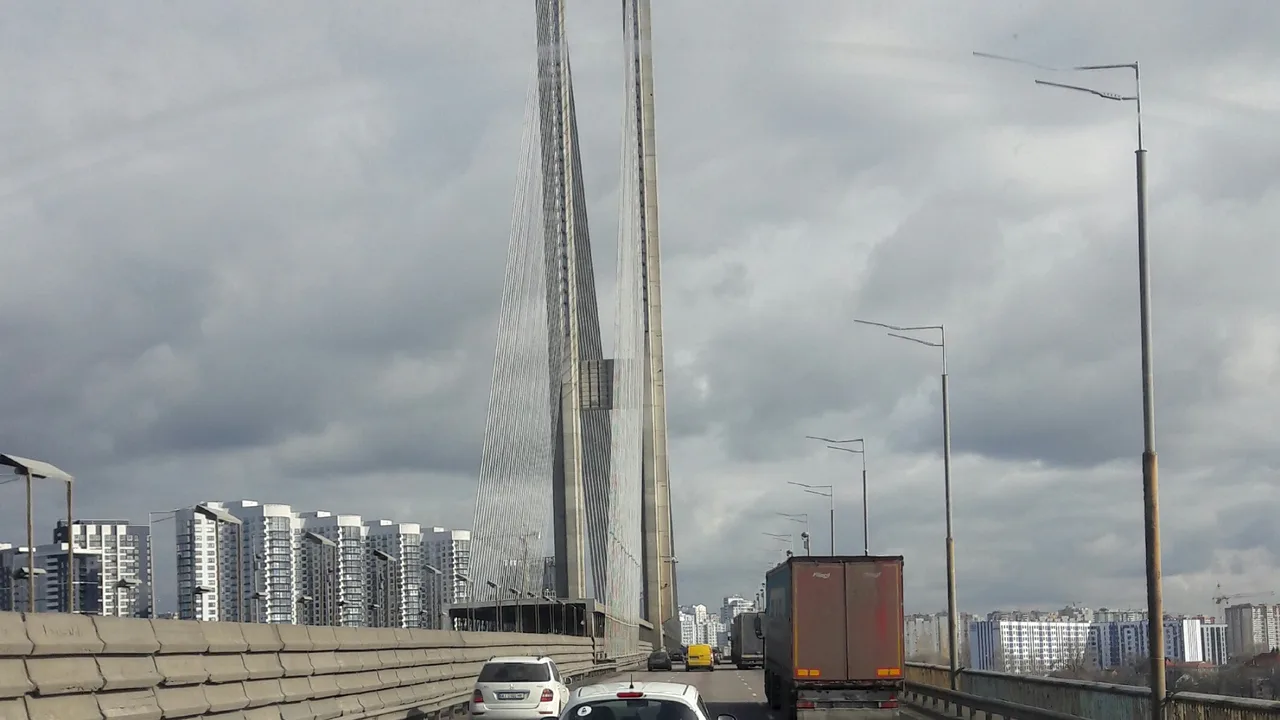
New Russian strikes early on Tuesday hit Kyiv's Southern Bridge and the subway infrastructure carried on it, forcing a suspension of traffic across one of the capital's main Dnipro crossings, city officials said, Reuters reported — even as a localised ceasefire took effect around the occupied town of Oleshky in the south. The second wave of the barrage lifted the toll in Kyiv since Monday evening to at least one person killed and 15 injured, including students at a university dormitory, according to Reuters' updated account. Minutes after 3 a.m., when the Oleshky ceasefire began, multiple ballistic missile explosions shook Kyiv and air alerts sounded across multiple parts of the country, AP reported.
What was hit in Kyiv on Tuesday?
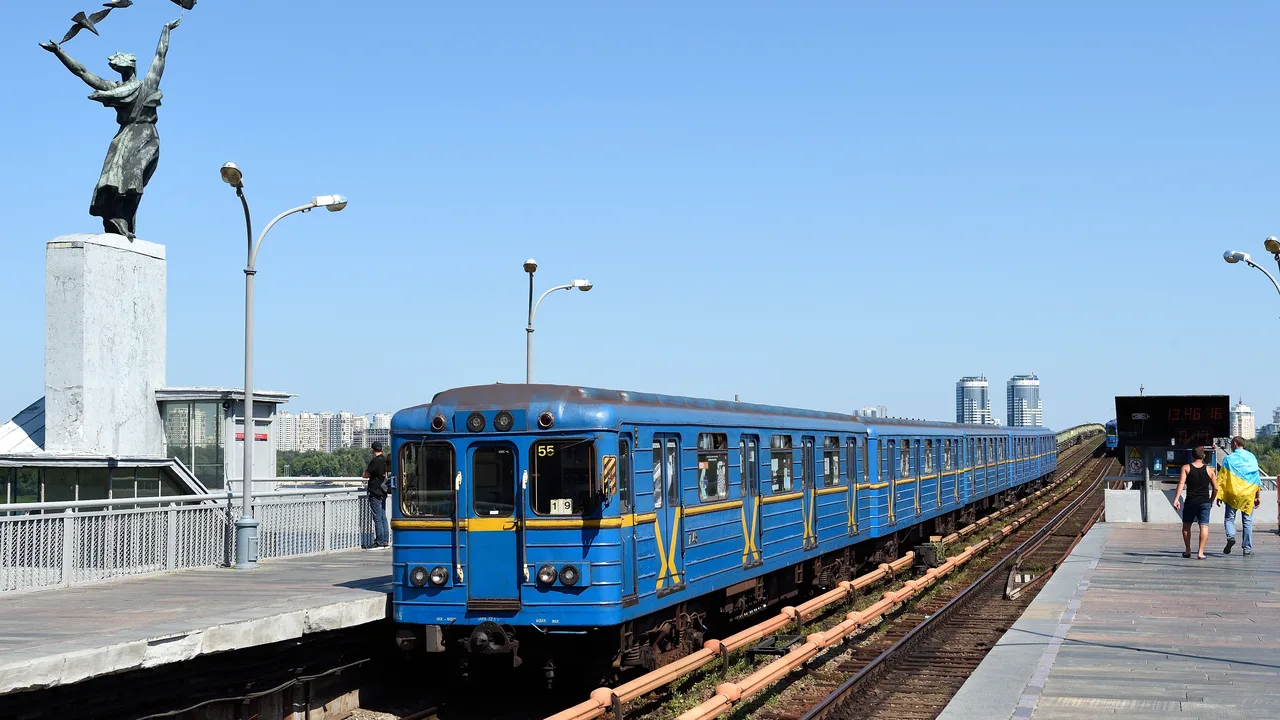
The Southern Bridge and the metro infrastructure on it. New strikes on Tuesday hit the Southern Bridge and subway infrastructure in Kyiv, forcing a suspension of traffic, city officials said, while a Reuters witness heard explosions, Reuters reported. The Southern Bridge is one of the few crossings linking Kyiv's left and right banks over the Dnipro and carries the metro's Green line on its deck. Kyiv's city military administration said Green line trains were running in two separate sections — between Syrets and Vydubychi on the right bank and between Osokorky and Chervony Khutir on the left — with no trains crossing the bridge while damage was assessed, and city reporting said the Red line also ran truncated for a period before fully resuming. The strikes followed the first wave late on Monday, when Russian ballistic missiles damaged the grounds of a university in Kyiv, killing one person and leaving 10 injured at that stage, city officials said, according to AP.
What is the toll across the barrage?
At least one killed and 15 injured in Kyiv since Monday evening, on Ukrainian officials' figures as reported by Reuters, which said it could not immediately independently verify the reports. The same barrage killed and injured people in Kharkiv and Pavlohrad on Monday, Reuters reported, and the fuller figures for those cities are now available. Russian strikes on Kharkiv killed two people and injured four, Mayor Ihor Terekhov said on Telegram: there had been three strikes on one district, damaging a high-rise apartment block and private homes, and Regional Governor Oleh Syniehubov said Russian forces had launched missiles at the city, some 30 km (18 miles) from the Russian border, Reuters reported. In neighbouring Dnipropetrovsk region, Governor Oleksandr Hanzha said Russian forces had launched more than 50 drone and artillery attacks, and that a drone strike in Pavlohrad killed one person and wounded 10, three of them seriously, according to Reuters. All of these figures are the respective officials' as reported by Reuters and are published attributed as such.
What does Russia say it targeted, and what was hit in Russia?
Russia's defence ministry said it had hit transport infrastructure — a description matching the Kyiv bridge and metro damage — among other targets. On Telegram, the ministry said it had hit transport infrastructure in Kyiv, a logistics hub in the Kharkiv region, and industrial facilities and cargo vessels elsewhere that it cited as being put to military use, Reuters reported. Ukraine reported strikes in the other direction in the same account: a drone attack killed a man and wounded six people in the western Russian city of Bryansk, close to the border with Ukraine, and another person was killed and 30 injured as a drone hit a bus in the Russian-controlled part of Ukraine's southeastern Zaporizhzhia region, local officials said, according to Reuters. Reuters could not immediately independently verify those reports either, and it noted that Russia and Ukraine deny deliberately targeting civilians. President Volodymyr Zelenskiy, writing online shortly after the Monday attack, said: "It is important that the world sees that Russia is showing nothing but a desire to kill and continue waging war," AP reported.
Why did the strikes land minutes after a ceasefire began?
Because the ceasefire is local, and Kyiv is far outside it. The pause that took effect at 3 a.m. applies to the Kherson sector around Oleshky, the Russian-occupied town across the Dnipro from Kherson, where up to 2,000 people are stranded with dwindling food and medicine and unable to leave because of mines and drone attacks, according to the UN, AP reported. Negotiators said doctors, medicines, food supplies and water would be taken into Oleshky before evacuation corridors are opened, and the local ceasefire is due to last through Saturday, or longer, AP reported. Nothing in the arrangement restrains either side elsewhere — and Tuesday's bridge strike, landing within hours of the pause taking effect, is the clearest demonstration so far of how narrow its geography is.
This report is drawn from Reuters' October 27, 2026 account of the Oleshky ceasefire and the continuing strikes, opened and read in full via a verbatim carrier in its 06:30 UTC updated version, Reuters' October 26, 2026 Kharkiv report, opened and read in full via a verbatim carrier, the Associated Press' October 27, 2026 report, opened and read in full via a verbatim AP carrier, and Kyiv city reporting of the city military administration's metro and bridge statements. Casualty figures throughout are the respective officials' figures as reported by Reuters and AP, published attributed as such; Reuters stated it could not immediately independently verify the reports, and that limitation stands. The bridge and metro disruption is reported by Reuters from city officials and detailed in the city administration's own service statements. Background on the Oleshky operation is from this site's earlier reporting of the ceasefire's start.