Ukraine's President Volodymyr Zelenskiy flew to Oslo on Tuesday to meet US special envoy Steve Witkoff, in a Zelenskiy Oslo meeting that amounts to an attempt to repair ties with Washington at the worst point in the relationship since the war began. Relations have deteriorated sharply over the past two weeks as President Donald Trump has increasingly courted Moscow: he has waived sanctions on Russia in what he says is an effort to lower US fuel prices, and he has repeatedly rebuked Zelenskiy. Kyiv says Washington has lately failed to provide early warning of Russian missile launches, throttled the SpaceX satellite links that guide Ukrainian drones, and failed to deliver air defences paid for by European allies. On Monday, Trump said: "Russia, frankly, has been fine on Ukraine." Zelenskiy was "not helping matters much", he added, calling on Kyiv to find "somebody else to negotiate".
Who is hosting the talks, and who else is at the table?
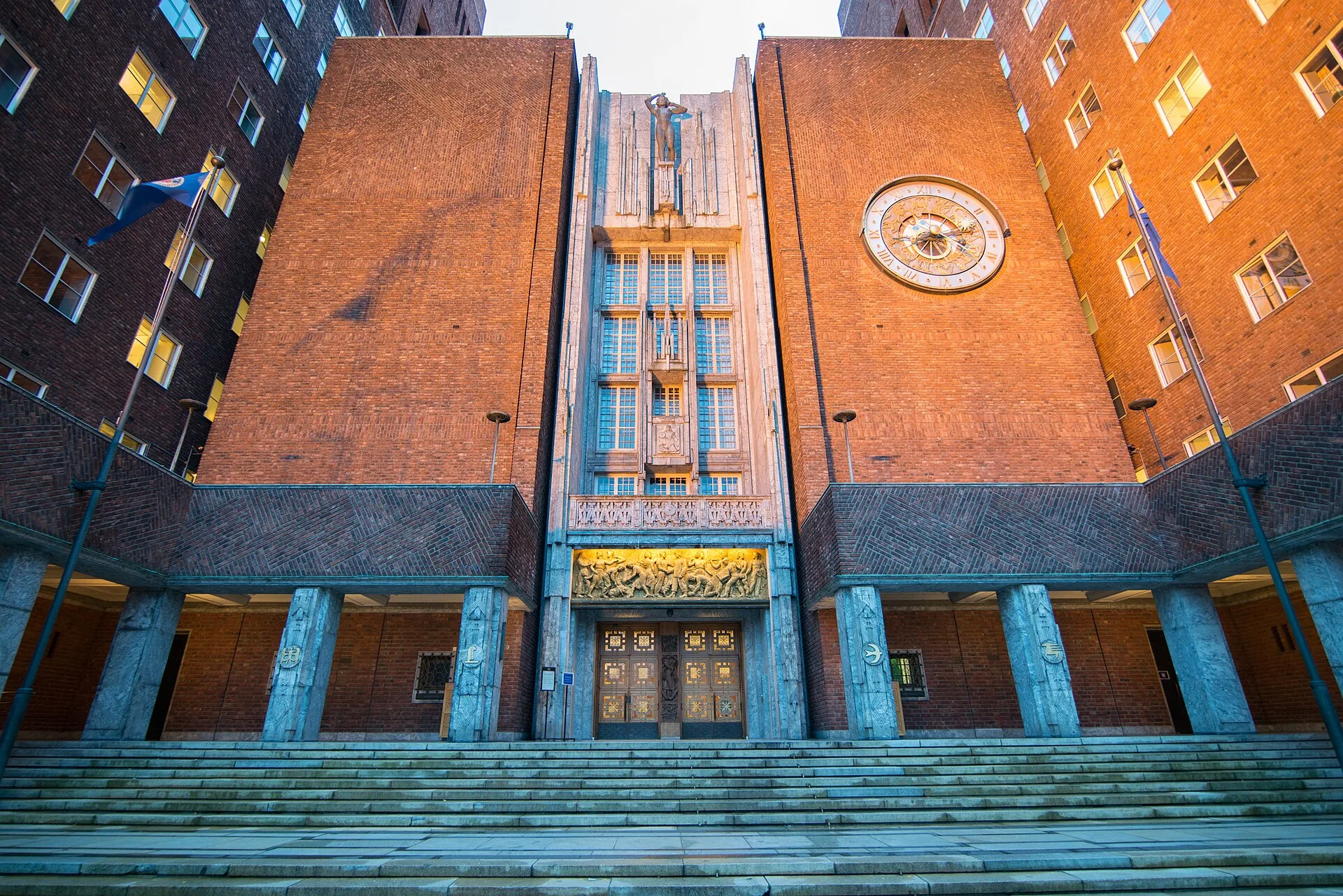
Norway and Finland, at Zelenskiy's request — with the Europeans in the room and Moscow already asking for a briefing. Zelenskiy arrived in Oslo on Tuesday for talks on the war in Ukraine and European security, the Norwegian government and co-host Finland said. "President Zelenskiy has asked Norway and Finland to arrange a meeting as part of ongoing diplomatic efforts, at a critical time for Ukraine," Norwegian Prime Minister Jonas Gahr Stoere said in a statement, adding later that the goal of hosting Tuesday's meetings was "to steer the diplomatic efforts onto a more constructive path". Finland's President Alexander Stubb said he would attend meetings with Zelenskiy and Stoere to discuss "Russia's illegal war of aggression against Ukraine and the overall security situation in Europe", and the three leaders were to hold a press conference later on Tuesday. The Norwegian and Finnish statements made no mention of any US or European delegations, but Reuters reported that Witkoff was expected to hold talks in Oslo with Zelenskiy and representatives of the E4 — Britain, France, Germany and Poland — with officials from the European Union and NATO also expected to attend. Western European countries consider defending Ukraine from Russia's invasion to be an existential issue for the continent's security and have strongly backed Zelenskiy, seeking to head off a deeper rupture between Washington and Kyiv.
What has Zelenskiy asked Washington to restore?
Early warning, satellite links and missiles that Europe has already paid for. Zelenskiy said he had spoken with Secretary of State Marco Rubio about ballistic missile interceptors, early warning of Russian missile attacks and "the situation with Starlink/Starshield, which needs to be restored", referring to the SpaceX satellite system. "Of course, all of this comes against the backdrop of our diplomatic efforts to end this horrific war and the constant killing of people," he said in a post on X. A day earlier, meeting a US congressional delegation, he had been blunter: decisions taken by the United States on the war in Ukraine, including delays in arms shipments and restrictions on intelligence sharing, were "hard to explain". "Because it all comes down to (Russian President Vladimir) Putin's refusal to end this war, and to decisions on the American side that are hard to explain between friends," Zelenskiy said. He said Ukraine had not received full explanations for the limitations placed on the Starshield system, needed to stage some drone strikes and defend against Russian attacks, particularly by high-speed jet-powered drones; that on three occasions in the past week Ukraine had not received the advance warning of an attack generally provided by its partners; and that the Pentagon was delaying delivery of missiles that partners have already paid for through the PURL programme, with one package, to his knowledge, waiting for signature by US Defense Secretary Pete Hegseth. "All of this suggests that some political decision has been made to slow down support for us," he said. Reuters reported on Monday, citing the Washington Post, that the Trump administration has not approved a transfer of interceptor missiles to Ukraine. Zelenskiy also repeated an offer: Ukraine was willing to halt strikes on Russian oil refineries, as Trump has demanded, for 30 days if Washington supplied interceptors for the Patriot anti-missile system.
What is happening on the battlefield while the diplomacy runs?
The strikes have not paused for the talks. As relations between Kyiv and Washington have deteriorated, Russia has stepped up its attacks on Ukrainian cities; both sides have attacked each other's energy systems and data centres, although Ukraine held back for several days on hitting Russian oil refineries at Trump's behest while Moscow showed no sign of limiting strikes. Ukraine says the Russian strikes have become even deadlier because of the absence of US technology needed to fend them off. In the latest attack, three people were killed on Tuesday when a Russian drone struck near a petrol station on the highway from Kyiv to the Black Sea port of Odesa, the Kyiv regional prosecutor's office said; several cars were set ablaze and four people were wounded. The United States under Trump has already largely stopped providing weapons to Ukraine directly, but allows European countries to buy them on Kyiv's behalf and provides intelligence and technology that Europe cannot match — which is why the restrictions Zelenskiy lists, on warning, satellites and paid-for missiles, go to the centre of Ukraine's defence rather than its margins.
What happens next?
Moscow wants the readout. The Kremlin said on Tuesday that it hoped a meeting in Russia between President Vladimir Putin and Witkoff could be organised in the near future to discuss the Ukraine peace process and a range of "very important issues". Kremlin spokesman Dmitry Peskov told reporters that Witkoff could brief Putin on the position of the Ukrainians and Europeans when they met: "We consider such meetings to be of great importance on every occasion; they are always timely and very substantive, and we greatly appreciate the mediation efforts of the American negotiators," Peskov said. He gave no further details; some US media have reported that Witkoff may meet Putin on Wednesday in St Petersburg. A recent call between Putin and Trump produced an agreement on Russian diesel supplies, which Trump said could lower prices but which alarmed Ukraine and European allies. Tuesday's Oslo meetings therefore sit between two pulls: a Kyiv asking Washington to restore the support that keeps its cities defended, and a Moscow positioning itself to be briefed on the outcome by the same envoy.
This report is drawn from Reuters' October 19–20 reporting, opened and read for this article: the Oslo dispatch carried in full by Reuters' verbatim wire carriers, the Norway–Finland announcement and the Kyiv–Odesa highway strike flash on reuters.com, Zelenskiy's October 19 remarks to a US congressional delegation, and the Kremlin's October 20 statement. All quotations and figures are published as Reuters reported them; the dispute over whether US support was paused or slowed is carried in both governments' own words elsewhere on this site and is not resolved here.