The Russia-Ukraine energy ceasefire announced by US President Donald Trump on Sunday still has no confirmed terms, no confirmed scope and no Russian confirmation two days later — only a Kremlin statement on Tuesday that contacts about it are continuing. Kremlin spokesman Dmitry Peskov declined to say who Russia is talking to, and Moscow has still not said whether it was even informed of the announcement beforehand. Russia's Defence Ministry, for its part, said its forces hit no Ukrainian energy-related targets in their overnight attacks.
What exactly did the Kremlin say on Tuesday?
The Kremlin said contacts are continuing and that it has nothing more to say for now. That was the whole of Tuesday's update, as reported by Reuters: Peskov did not name the other party or parties to the contacts, did not describe what facilities a ceasefire might cover, and did not give a timeline. The statement keeps a diplomatic process formally alive without committing Moscow to any specific restraint.
The gap between the announcement and the confirmation remains the central fact. Trump described the ceasefire on Sunday as effective immediately. President Volodymyr Zelenskiy has said the announcement took Ukraine by surprise. A deal whose two supposed parties learned of it in public, and one of which will not confirm it exists, is at this stage an announcement in search of an agreement — which is why the wording of each side's statements matters more than the headline.
Does Ukraine say the ceasefire is already being violated?
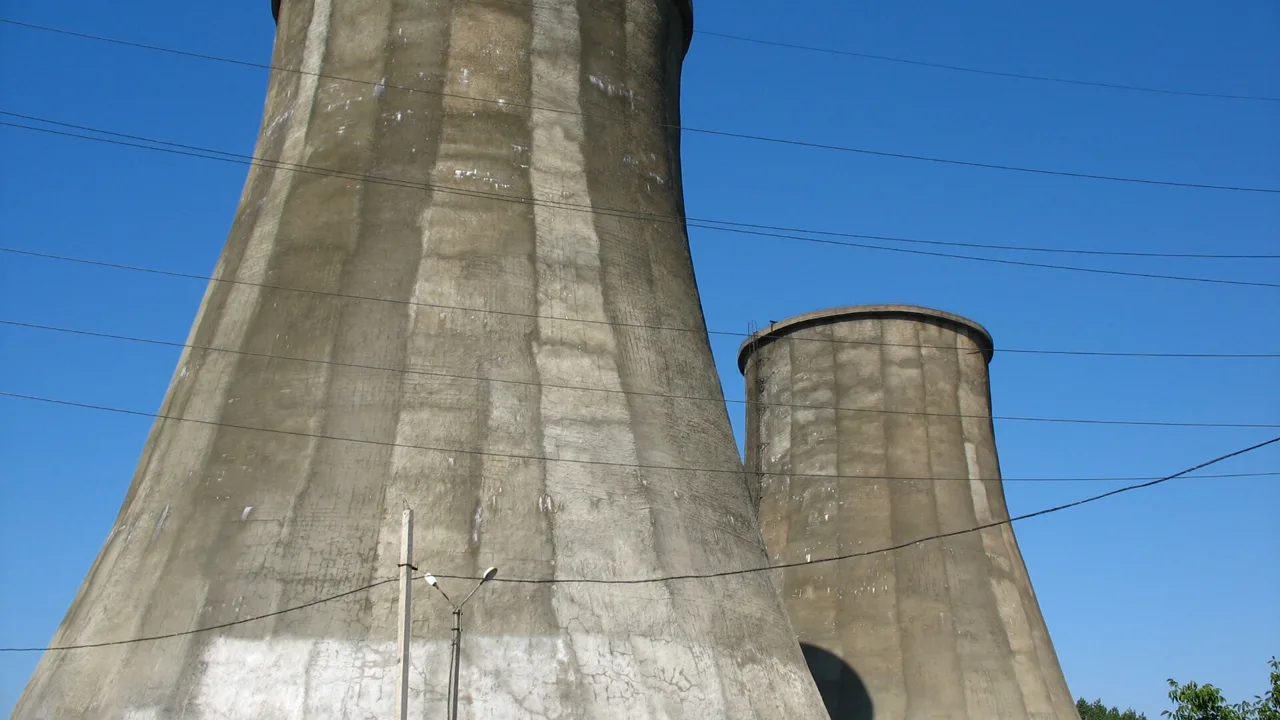
Yes — Ukraine says Russia violated the announcement within hours, and European leaders say they have seen no sign of it being respected. Zelenskiy told a conference in Warsaw on Monday that there had been Russian violations, pointing to a strike on a thermal power plant in Kharkiv, and said Kyiv was still waiting for the detailed conditions agreed between the Americans and the Russians. He said Ukraine had carried out no attacks on Russian refineries overnight, but made clear that a Ukrainian halt depended on Russia stopping its own strikes on Ukrainian energy infrastructure. French President Emmanuel Macron said he had seen no signs in the previous 48 hours of Russia respecting any form of energy ceasefire deal.
The accounts conflict, and the conflict itself is the story. Russia's Defence Ministry said on Tuesday that its overnight attacks hit no energy-related targets in Ukraine. Ukraine's account of the Kharkiv thermal plant strike, and Russia's account of a night without energy targets, cannot both describe the same nights in the same way — but without agreed definitions of what counts as an energy target, or any monitoring mechanism, there is no shared record against which either claim can be settled. This article reports both accounts as their governments stated them.
What are Europe and the United States doing meanwhile?
Europe is pressing ahead with sanctions while Washington's position remains unsettled. EU foreign policy chief Kaja Kallas said on Monday that she would prefer a ceasefire that also stopped people being killed, questioned whether Russia would stick to an energy-only deal, and called on the US to keep sanctions pressure in place. EU ministers the same day adopted nearly 1,600 new sanctions listings aimed at Russia's military-industrial complex, more than half of them connected to ballistic missile production, according to Kallas.
The politics in Washington cut the other way. Reuters reported that a person familiar with the situation said the US had threatened to cut intelligence sharing and weapons supplied through the PURL system to pressure Kyiv — a claim this article attributes to that reporting, as it rests on a single unnamed source. Trump has also pressed Ukraine to stop striking Russian refineries, blaming those attacks for diesel price rises ahead of the US midterm elections, and on Saturday urged Ukrainians to replace Zelenskiy — who responded that he would call an election if Russia agreed to a 60-day ceasefire, and that the choice of leader was for Ukrainians.
What would make this ceasefire real?
Three things that do not yet exist in public would turn the announcement into an agreement: a defined scope, a start both sides confirm, and a way to check compliance. Scope matters most. An energy ceasefire could mean power plants only, the whole electricity grid, oil refineries, gas facilities, or all of them — and the two sides' overnight claims already turn on that definition. Ukraine's stated condition is reciprocity: it halts refinery strikes if Russia halts energy strikes. Russia has not publicly accepted, rejected or defined that condition.
Until Moscow says more than that contacts are continuing, the honest description of the Russia-Ukraine energy ceasefire is the one the facts support: announced by a third party, welcomed in principle by Kyiv with conditions attached, disputed in practice within hours, and unconfirmed by the Kremlin. Tuesday's statement changes none of that — it simply confirms that, behind the silence, some form of contact is still going on.
This is not financial advice. Contested claims in this article — whether Russia violated the announcement, and the reported US pressure on Kyiv — are attributed in the text with their limitations stated.