At least 73 people were killed and 19 wounded when drones struck Amiet market in the disputed Abyei region on the Sudan–South Sudan border on Monday, Abyei's caretaker information minister told Reuters on Tuesday. Yohana Akol Ngor, the caretaker minister of information for the jointly administered region, accused Sudan's army of carrying out the attack. Reuters reported that the minister did not provide evidence for that accusation, and no independent verification of the death toll was available in the reporting opened for this article: South Sudan's foreign ministry confirmed that drones had struck the market but gave no casualty figures, and the medical charity Médecins Sans Frontières (MSF) confirmed only that it was treating more than 20 wounded people. The 73 figure is published here as the minister's figure, attributed as such throughout.
What happened at Amiet market?
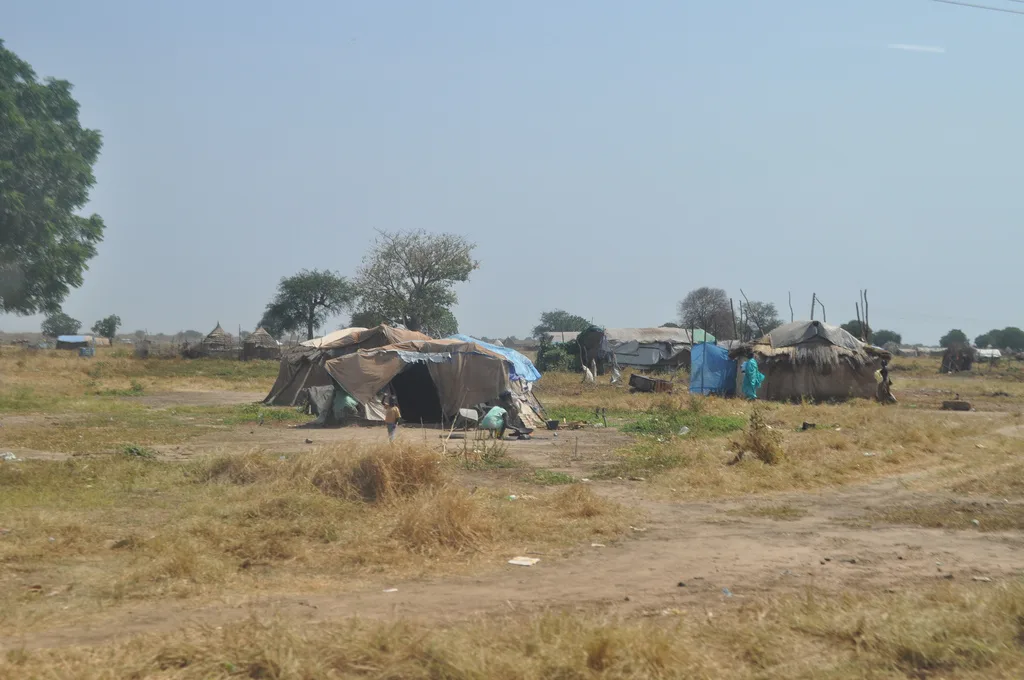
A drone strike hit Amiet market on Monday morning, at around 11 a.m. South Sudan time, according to the account Akol gave to The Radio Community, a South Sudanese outlet, shortly after the attack. The drone dropped seven bombs on the market's northern section, where fuel is sold, targeting fuel tankers in an area occupied by Sudanese traders, Akol said; the bombs caused a large fire, casualties and property damage. "The drone dropped seven bombs in the northern checkpoint of the market where the fuel is sold. These bombs have caused casualties, loss of lives, and property destruction. The target is the fuel market," Akol said. The Radio Community said it could not independently verify his allegation that Sudan's army was responsible. South Sudan's foreign ministry, in a statement issued on Monday, said the attack struck multiple locations within the market, which is located north of Abyei town. Amiet market, in Ameth-Aguok County, is a major trading centre serving the Ngok Dinka and Misseriya communities, and also serves people displaced by the war in Sudan, The Radio Community reported.
What is known about the casualties?
The death toll rests, for now, on one official's account, reported by two outlets. Akol told Reuters on Tuesday: "Around 73 people have been killed and 19 have been wounded" in Monday's attack. Radio Tamazuj, the independent Sudanese and South Sudanese broadcaster, reported the same figures — at least 73 killed and 19 wounded — citing local officials, in its account of South Sudan's summons of Sudan's ambassador. Neither report offered an independent count, and the figure had not been corroborated by the United Nations or by MSF in the reporting opened. What MSF did confirm was the scale of the wounded: the charity said it was treating more than 20 wounded people at nearby Ameth Bek Hospital. "So far we received over 20 patients, including several critical cases. Patients with burns were also admitted. We are providing surgical services and wound dressing, along with other emergency care," said Christian Lindauer, MSF's medical activities manager at Ameth Bek Hospital, in the statement carried by Reuters. The burns and the hospital caseload are consistent with the reported strike on the market's fuel section. The new toll also revises Monday's first international account: the United Nations, condemning a wave of drone strikes across Sudan on Monday, reported that a strike on a busy market in Abyei had injured at least 19 people, and gave no death toll for Abyei. No comment from Sudan's army on the Abyei strike was carried in the reporting opened for this article.
Who is accused, and how did South Sudan respond?
Sudan's army — the Sudanese Armed Forces (SAF) — is accused by both the Abyei administration and South Sudan's government, and neither accusation was accompanied by evidence in the reporting opened. South Sudan's foreign ministry said late on Monday that drones had struck the market, and that it had summoned the Sudanese ambassador to convey the government's "strong protest and deep concern regarding the attack and its implications for the security of civilians and the stability of the Abyei Area." In its October 19 statement, reported by Juba Echo with a Radio Tamazuj credit, the ministry called the incident unacceptable, extended condolences to families who lost loved ones, called on the Sudanese government to refrain from actions that endanger civilian lives and property, and urged both sides to address Abyei issues through established diplomatic channels. Sudan has been gripped by war since April 2023 between the SAF and the paramilitary Rapid Support Forces, a conflict that has drawn in local militias and foreign powers and created what the United Nations has described as the world's worst humanitarian crisis, Reuters noted. Monday's Amiet strike was reported a day after this site covered the UN's condemnation of drone strikes across Sudan, in which Abyei appeared with injuries only; the death toll reported on Tuesday makes it, on the minister's figures, one of the deadliest single strikes of that wave.
Why does Abyei keep erupting?
Because its status was never settled. Abyei is an oil-rich area that is jointly administered by South Sudan and Sudan, which have both staked claims to it, and it experiences frequent bouts of violence, usually involving rival ethnic groups or armed militias, Reuters reported. Its final status has remained unresolved since South Sudan gained independence in 2011; a referendum intended to determine whether the territory would join Sudan or South Sudan has not been held, partly because the two countries disagree over voter eligibility, and the UN mission UNISFA, established in 2011, monitors security under interim arrangements intended to keep the area demilitarised. Tensions had risen again in the days before the strike: South Sudan plans to include the disputed area in its December 2026 elections, a move opposed by Sudan, and on Saturday Sudan's newly appointed head of the Abyei Joint Oversight Committee reaffirmed Khartoum's claim to the territory. Amiet market itself was the scene of deadly clashes on September 15, when UNISFA reported that 26 people were killed and 82 injured, after which the mission reinforced security around the market, The Radio Community reported.
This article is drawn from reporting opened and read for this article: Reuters' October 20, 2026 report (the minister's 73 killed / 19 wounded figure, his accusation against Sudan's army with no evidence provided, the foreign ministry's statement and ambassador summons, and the MSF statement), The Radio Community's October 19, 2026 report (the Monday-morning timing, the seven bombs on the fuel section, and the Abyei context), Juba Echo's October 19–20, 2026 report credited to Radio Tamazuj (the foreign ministry statement in full, with no casualty figures), Radio Tamazuj's reporting of the same 73 / 19 figures via the EIN newswire listing, and UN News' October 19, 2026 report (Monday's Abyei account of at least 19 injured, with no death toll). The death toll and the attribution to Sudan's army are contested claims: both are published strictly as the Abyei minister's and South Sudanese officials' accounts, no independent verification was available, and Sudan's army had not commented in the reporting opened.