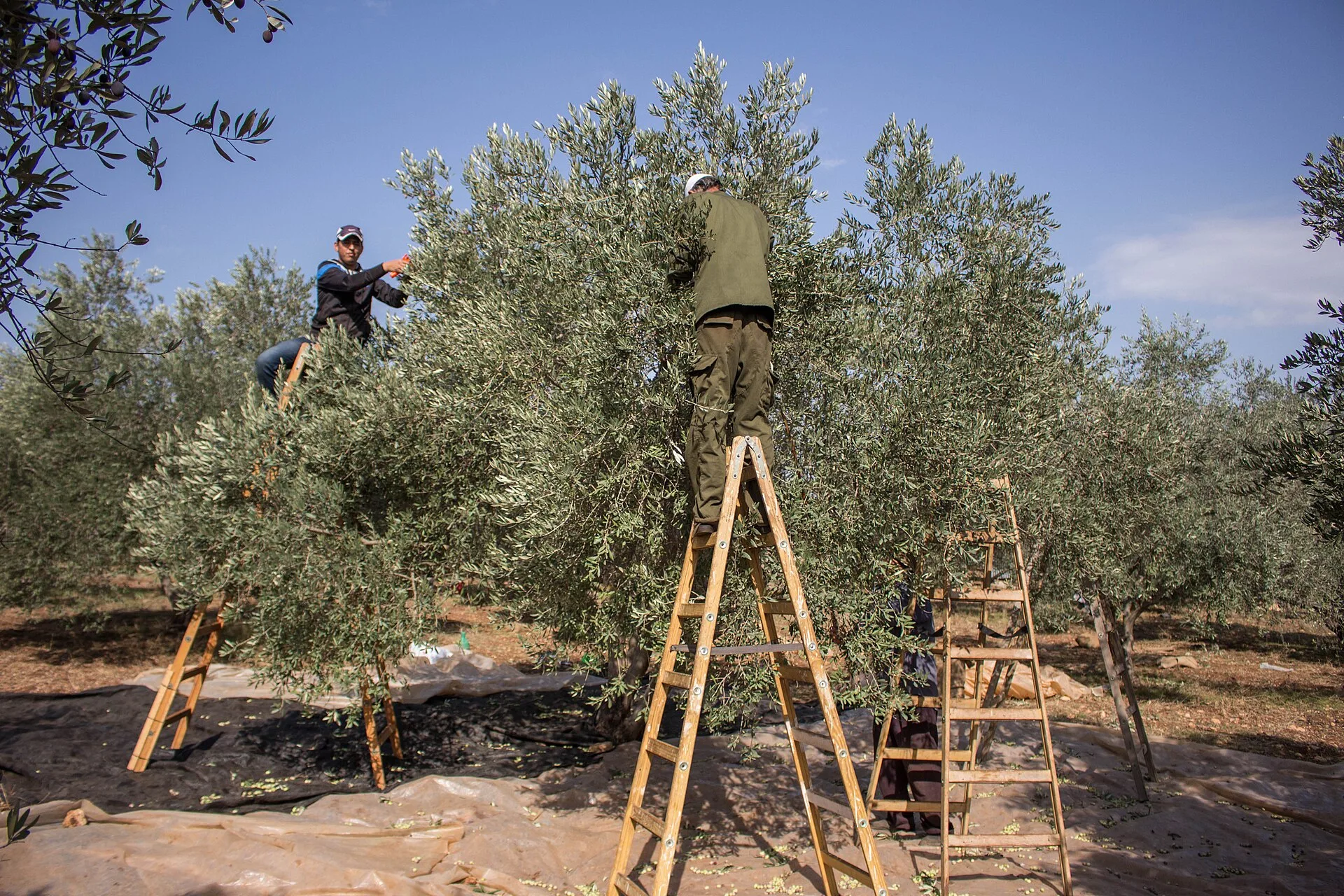
Most Gulf stock markets fell in early trade on Tuesday, and Brent crude held near a five-month high, after Yemen's Iran-aligned Houthis claimed attacks on Saudi energy, airport and military targets on Monday. The group said it hit an Aramco site in Yanbu, the Shaybah oilfield, and the Riyadh and Abha airports. Saudi authorities did not immediately confirm the claims and Reuters could not independently verify them — so what moved on Tuesday was not confirmed damage but risk: the price of oil, the value of Gulf bank shares, and the cost, now measured in cancelled flights and a postponed flagship investment conference, of a war that keeps reaching the kingdom's airports and oil sites.
How did Gulf markets move?
Down almost everywhere, with Qatar at a six-year low. Saudi Arabia's benchmark index (.TASI) dropped 1.1%, dragged down by a 1% decline in Al Rajhi Bank and a 1.5% decrease in Saudi National Bank, the country's biggest lender by assets; oil giant Saudi Aramco's shares were down 0.2%. In Qatar, the index (.QSI) dipped 0.7% to 8,577, its lowest level in over six years, with Qatar National Bank — the Gulf's biggest lender — retreating 1.1%. Dubai's main share index eased 0.3%, with utility firm Dubai Electricity and Water Authority falling 0.8%. The Abu Dhabi index bucked the trend to trade 0.8% higher. The falls extend a pattern this site has tracked since the attacks on Riyadh's airport began: each new claimed strike lands first on the region's bourses and on the kingdom's banks, whose shares carry the country's risk whether or not the underlying claim is ever confirmed.
Why is oil holding above $110?
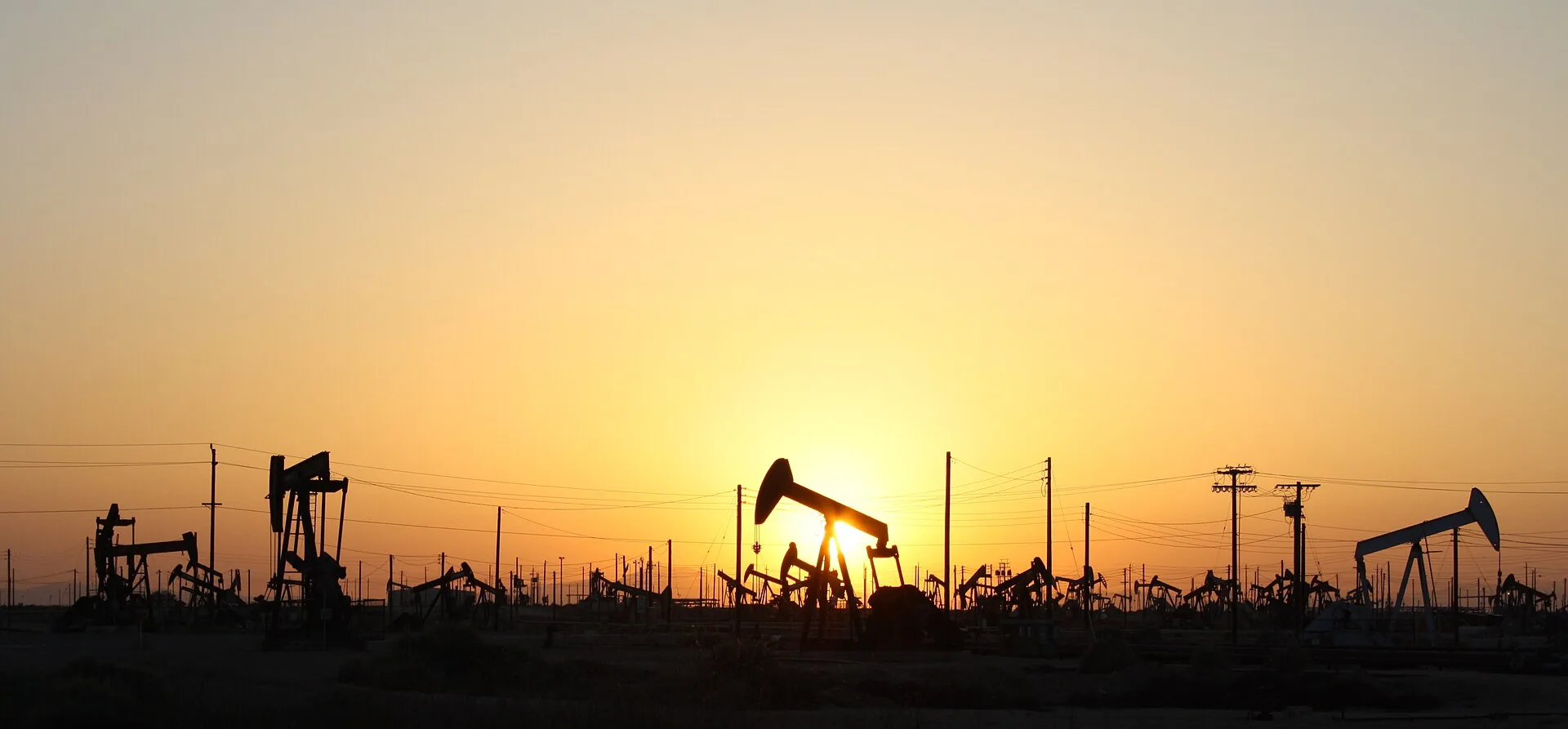
Because traders are pricing the risk premium, not a supply loss — yet. Brent crude futures climbed 52 cents, or 0.47%, to $110.07 a barrel by 0628 GMT on Tuesday, after rising as high as $110.70 a barrel in the previous session to their highest since May 20. The US West Texas Intermediate contract for November delivery, set to expire on Tuesday, was up 0.36% to $104.03, and the more-active December contract rose 26 cents, or 0.26%, to $98.80. "Oil prices remain well-supported … This suggests the market is pricing in a significant risk premium, given the situation's volatility," ING analysts said in a note on Tuesday. "However, if flows continue uninhibited despite the geopolitical environment, the risk premium would likely erode slowly. Clearly, there are no signs of this yet." At least 18 vessels were reportedly attacked over two weeks, which keeps the risk premium intact, shiptracker Kpler said in a note on Monday. The renewed attacks heightened fears about regional stability and underscored continuing risks to energy supply from the region, keeping oil prices above $100 a barrel — with the Houthis' claimed targets this time reaching from the Red Sea coast at Yanbu to Shaybah, the kingdom's giant oilfield in the Empty Quarter.
What is the strain beyond the markets?
Cancelled flights, a postponed summit, and a rising confirmed toll inside Yemen. Saudi air travel is already under severe strain, with more than 45% of departures from the kingdom's airports cancelled since October 8, according to aviation analytics firm Cirium. Saudi Arabia, rocked by deadly attacks in recent weeks as the Middle East conflict widens, postponed its flagship investment conference — the Future Investment Initiative gathering in Riyadh — on Monday until next year, organizers said. Separately on Monday came the week's deadliest confirmed attack: the Houthi strike on a training camp for government security forces in Yemen's Shabwa province, which Reuters now reports killed 58 people and injured more than 200 — a toll revised up from the 53 reported when the strike was first covered on this site on Monday. The distinction matters for reading Tuesday's market moves: the Shabwa camp attack is confirmed and counted; the Yanbu, Shaybah and airport claims that moved the bourses remain, as of publication, claims — unconfirmed by Saudi authorities and unverified by Reuters — priced by markets that cannot afford to wait for confirmation.
This report is drawn from Reuters' October 20 Gulf markets and oil reports, opened and read in full for this article (the oil report via its verbatim Reuters wire carrier). Market figures are snapshots checked at the timestamps shown in the box above and are not live prices. The Houthis' claimed attacks on Saudi targets are published as claims, with Saudi Arabia's non-confirmation and Reuters' inability to verify them stated, exactly as Reuters reported them.