A year into a ceasefire that was supposed to end the war, Israeli attacks on Gaza killed at least six Palestinians, including children, over the weekend, the United Nations said on Monday — and the killing did not stop there. Local health officials said on Monday that at least five more Palestinians, including a 14-year-old boy, were killed in separate Israeli strikes in Gaza City and Khan Younis, Reuters reported; the Israeli military did not immediately comment. In the occupied West Bank, meanwhile, the annual olive harvest has become what UN experts called a season of fear: five Palestinians killed and more than 240 injured by Israeli forces or settlers in two weeks, and 200 harvest-related attacks documented since the start of September. The two territories are being squeezed at once — Gaza by fire along a shifting ceasefire line, the West Bank by violence in the groves at the one moment of the year farmers cannot skip.
What happened in Gaza over the weekend?
Deadly airstrikes, gunfire and shelling, alongside incursions, demolitions and reported shifts in the so-called "yellow line" imposed by Israel since the year-old ceasefire agreement, according to the latest updates from the UN emergency aid coordination office, OCHA. The attacks raised concerns and risks of further displacement, OCHA said. Local health authorities told OCHA that 57 Palestinians were reported killed and 319 injured between 29 September and 12 October, bringing the total number of casualties since the October 2025 ceasefire agreement to 1,493 fatalities and 5,299 injuries. Gaza health officials put the figure in the same place on Monday, telling Reuters about 1,500 Palestinians have been killed by Israeli fire since the October 2025 ceasefire, while Israel says four of its soldiers have been killed by militants in Gaza over the same period. Israel says Hamas has continued to rearm and carry out attacks in violation of the ceasefire, while Hamas accuses Israel of undermining the agreement. Most Gazans remain dependent on aid after three years of war, repeated displacement and severe restrictions on aid deliveries; last year's US-brokered ceasefire halted the heaviest fighting, but it has not ended Israeli attacks.
What is about to get harder: winter
Nearly a million displaced people are living where the winter rains can flood them out. Around 950,000 displaced people have been assessed as living in sites at medium to high risk of flooding, including over 400,000 at high risk, OCHA reported. Available supplies offered partial assistance to only 18 per cent of the 294,250 families requiring shelter support for the rainy season. Daily cooked-meal production has declined by 12 per cent to approximately 614,000 amid funding constraints, while shortages of fuel, engine oil and essential supplies threaten the continuity of health and water services, the UN agency said — funding shortages have forced UN agencies to make major cuts to food programmes. Against that backdrop, Israel said on Monday it would resume allowing commercial goods shipments into Gaza after a days-long halt over a tax dispute involving Hamas and merchants, restoring a key route for food and other essentials to the aid-dependent enclave. COGAT, the Israeli military agency overseeing humanitarian affairs in Gaza, said it made the decision after merchants reported that Hamas authorities had withdrawn demands for payments of 10,000 shekels ($3,225) per truck; Hamas said the fee was a voluntary contribution by better-off Gazans to a national fund supporting people in need. COGAT said the merchants' accounts had not been independently verified and shipments would resume gradually, with priority given to essential goods ahead of winter, and oversight tightened so that any merchant found to have paid Hamas faces exclusion from the system.
What is happening in the West Bank's olive groves?
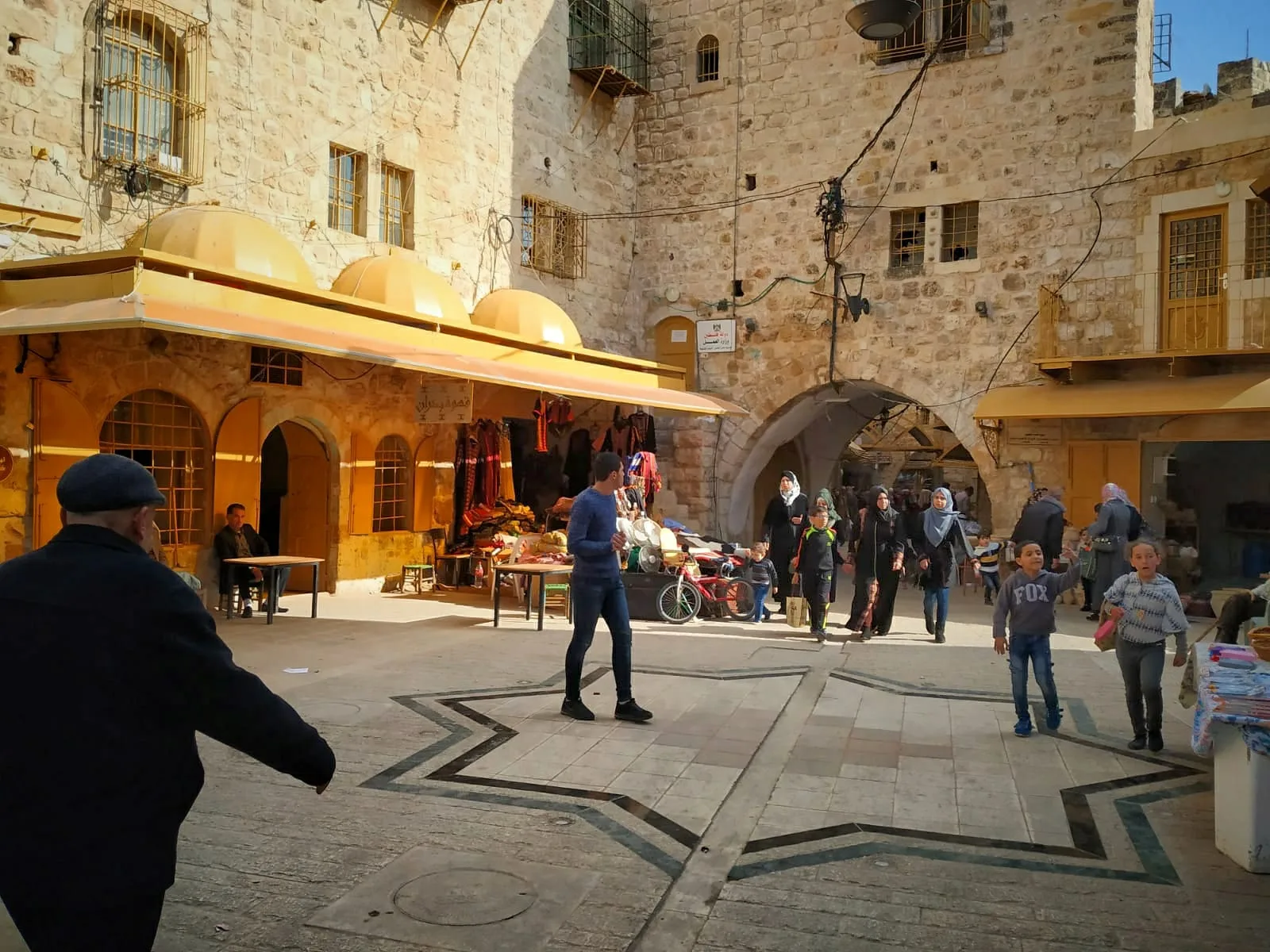
The harvest is being attacked at a scale the UN says demands protection Israel is legally obliged to provide. Five Palestinians were killed and over 240 injured by Israeli forces or settler attacks in the occupied West Bank over the past two weeks, OCHA reported. During the same period, 160 olive harvest-related settler attacks resulted in casualties, property damage or both, while record demolitions displaced 96 Palestinians; in total, 200 olive harvest-related attacks have been documented since the start of September. UN independent human rights experts warned on Monday that Palestinian farmers are facing renewed threats as the annual olive harvest gets underway, urging Israel to guarantee their protection and safe access to their land. "The olive harvest should be a time when farmers can enjoy, in safety and dignity, the food and livelihoods their nature and land provide, not another season of fear, loss, violence and destruction," said the Human Rights Council-appointed experts, who are not UN staff. The experts said Israel is under an international legal obligation to end its occupation of Palestinian land, immediately cease new settlement activities, evacuate settlers from the Occupied Palestinian Territory and provide full reparation for the damage caused by its violations. "The international community, especially States with power and influence, must exercise maximum pressure to protect Palestinian civilians, halt and reverse the rapidly expanding policies and practices of annexation and ensure accountability for decades of violations of Palestinian rights under international law," they said, warning that the situation could worsen following new Israeli orders for uprooting olive trees and restrictions on farmers in the West Bank. The warning lands a day after Israeli police arrested 10 suspects over settler attacks on a US photojournalist and European diplomats in the same harvest — arrests that stand against the 200 attacks OCHA has counted this season.
This report is drawn from UN News' October 19 report of OCHA's latest updates and the UN experts' statement, and Reuters' October 19 report on the resumption of commercial shipments into Gaza, both opened and read in full for this article. Casualty figures are published as the UN and Reuters reported them, attributed to the local health authorities, OCHA and the officials who supplied them; the ceasefire-violation claims of each side are published as claims.