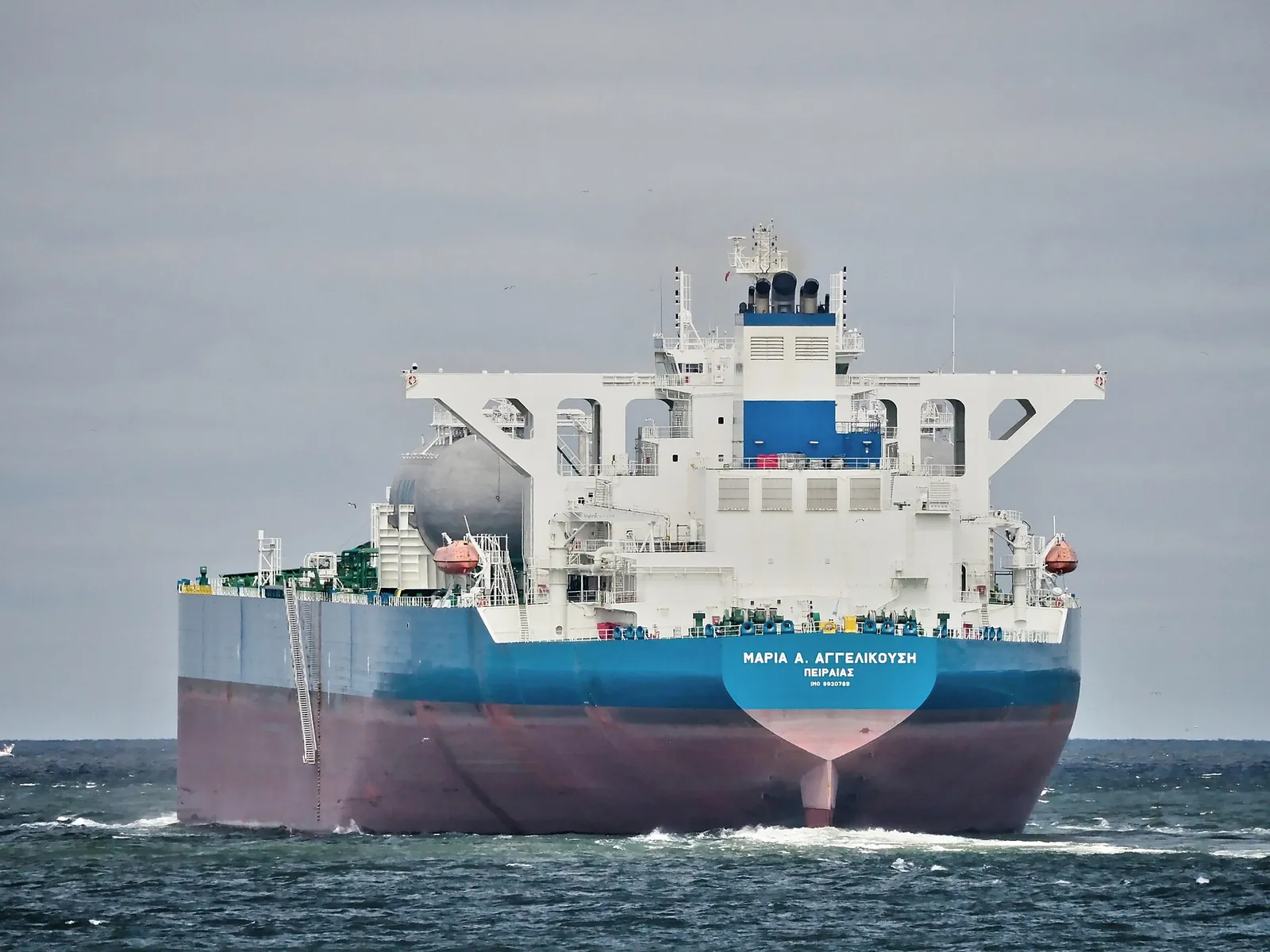
This week's war impact on markets was a fourth consecutive weekly rally in oil, driven by the busiest month of attacks on Gulf shipping since the US-Iran war began. December Brent settled up $2.76, or 2.40%, at $117.64 a barrel on Friday — up 1.5% on the week and about 15% in October, its strongest monthly rise since July — while West Texas Intermediate for December delivery rose $1.98, or 1.98%, to settle at $104.12, up almost 1% on the week and about 15% on the month, according to DTN. Gold moved the other way, breaking below $4,000, wheat fell for a ninth straight week, and US equities closed a tech-led losing week even as energy shares gained. Figures below were checked Friday, October 30, 2026, at 4:20 PM Central Time — snapshots, not live prices.
What pushed Brent to $117.64 this week?
Attacks on shipping and refineries, plus positioning ahead of next week's US midterm elections — that is the explanation the reporting gives. DTN reported that maritime disruptions in the Strait of Hormuz accelerated into Friday afternoon, with reports that four commercial tankers were struck by mines and remote explosive devices along alternative bypass routes near the Omani coast, including an attack 25 nautical miles northeast of Khasab that disabled a vessel's engine room. The UK Maritime Trade Operations centre confirmed 43 security incidents involving commercial shipping in the Gulf during October alone — 30 of them direct strikes on tankers — the highest monthly concentration since hostilities broke out in late February. US Central Command said it had cleared the primary shipping channels; Iran's Revolutionary Guards disputed that, warning that unauthorised southern routes remain heavily mined.
Reuters added the second front: on Thursday the Houthis said they had attacked several sites in Saudi Arabia, including the Ras Tanura refinery — the kingdom's largest — the Rabigh refinery and an Aramco facility at Abqaiq, while a Saudi-led coalition said it had intercepted a cruise missile launched towards the kingdom's western region. "Continued kinetic action around the Strait of Hormuz amidst doubts of a viable diplomatic pathway are keeping oil prices elevated in expectation of an escalation of the conflict in coming weeks," MST Marquee's Saul Kavonic told Reuters. Diplomacy did not disappear — Qatari mediators arrived in Tehran on Friday and Vice President JD Vance outlined parameters for direct negotiations, per DTN — but the same report noted a third US carrier strike group and amphibious units slated to arrive by late November, which kept the risk premium in place. J.P. Morgan Asset Management, in an assessment dated October 28, put the structural backdrop plainly: inventories have thinned after roughly half a billion barrels of global drawdowns by late August, the US Strategic Petroleum Reserve has fallen to about 280 million barrels, and Gulf-to-Asia freight rates hit roughly five times pre-war levels by mid-October.

How did defense stocks perform this week?
All three majors ended the week higher than last Friday, then diverged on the day. Lockheed Martin closed at $636.95, down 1.03% on Friday but up from the $604.18 close recorded in this series last Friday, according to Finnhub closing data. RTX closed at $199.80, up 0.20% on Friday and up from $191.01 a week earlier. Northrop Grumman closed at $557.54, down 0.86% on Friday and up from $551.44 last Friday. The week's defense story remained backlogs rather than any single new contract headline: Lockheed reported a record $292 billion backlog with its third-quarter results, up from $194 billion at the start of the year, with nearly a fifth tied to missile-interceptor production, and RTX carries a $340 billion backlog after raising its guidance earlier in the results season. The reporting opened for this briefing did not attribute Friday's individual defense moves to a specific conflict headline, and none is claimed here.
What happened to gold and natural gas?
Gold fell hard — the week's biggest safe-haven move, and in the opposite direction to the fighting. Gold futures fell 3.7% on Friday to $3,883 an ounce, trading at their lowest levels since last September, Investopedia reported; spot prices briefly traded below $3,900 intraday. Against last Friday's $4,007.90 December settlement recorded in this series, the futures close is down about 3% on the week, and the metal is on track for a second consecutive monthly decline. The mechanism reported is the same one Reuters identified last week: rising oil prices heighten energy-inflation concerns and reinforce expectations of a Federal Reserve rate hike, which weighs on a non-yielding asset — a channel reinforced on Friday by the broad equity selloff.
US natural gas again decoupled from the Gulf crisis. December Henry Hub futures dropped 3% on Friday to $2.858 per MMBtu as production picked up and forecasts pointed to milder demand next week, Finimize reported, citing LSEG data putting Lower 48 output at an average of 112.1 billion cubic feet a day in October, recently bouncing to about 113.5. The EIA's latest storage report, summarised by FXEmpire, put working gas at 3,724 Bcf for the week ended October 23 after an 80 Bcf injection — 38 Bcf above the five-year average. Europe's market remains the tight one, but with US export plants at capacity, that tightness still cannot pull proportionally more American gas overseas.

How did food and shipping markets move?
Wheat fell for a ninth consecutive week. December soft red winter wheat fell a quarter-cent on Friday to $6.03½ a bushel, down 21½ cents on the week, Pro Farmer reported, with December hard red winter down a cent to $6.44¼, down 20¼ cents on the week. Reuters, via TradingView, attributed the ninth straight weekly loss to prospects of increased Russian wheat exports, despite strong demand for US grain and reports that China could buy from the United States. Pro Farmer noted that any fresh news on the proposed Russia-Ukraine ceasefire talks among Presidents Trump, Putin and Xi will be market-sensitive for wheat — the war's channel into grain prices this week ran through export supply and diplomacy, not through new Black Sea fighting.
Shipping costs, by contrast, stayed at war levels. Reuters reported freight rates for Russian oil shipments from western ports to India remained at record highs in late October: Urals crude freight to India ran at around $30 a barrel or more, up from around $20 in September, and a Suezmax voyage from the Black Sea to India cost a record $30 million one-way, up from around $19 million in September, as Black Sea loadings stayed disrupted by drone attacks and vessels stayed scarce. Combined with UKMTO's 43-incident October in the Gulf, the freight market — not the grain market — is where the week's conflicts showed up most directly in delivered prices.

What happened to the broader stock market?
US equities ended the week lower after a sharp tech-led fall on Friday. The S&P 500 closed at 7,580.07, down 1.82% on Friday and 0.57% on the week, according to The Edge's market wrap and Rubie Wealth's weekly summary; the Nasdaq Composite fell 2.86% on Friday to 25,437.00 and the Dow Jones Industrial Average fell 1.09% to 51,770.31. Investopedia attributed Friday's plunge to mounting concerns about the health of the AI trade: Intel fell about 29% after a weak outlook, the semiconductor complex sold off across the board, and Amazon fell after missing expectations. The war's footprint inside the index was visible in the sector split: energy was the S&P 500's top-performing sector on Friday, up 1.91% as Brent rose, while information technology fell 4.24% — the conflict lifted the energy complex even as the wider market fell for reasons of its own. The Nasdaq fell 5.3% in October, its biggest monthly decline since March 2025, while the S&P 500 fell 0.9% on the month, per Investopedia.
War & Markets publishes weekly. Figures are snapshots checked at the time shown above — not live prices, and not financial advice. Nothing here is a recommendation to buy, sell, or hold any security or commodity.