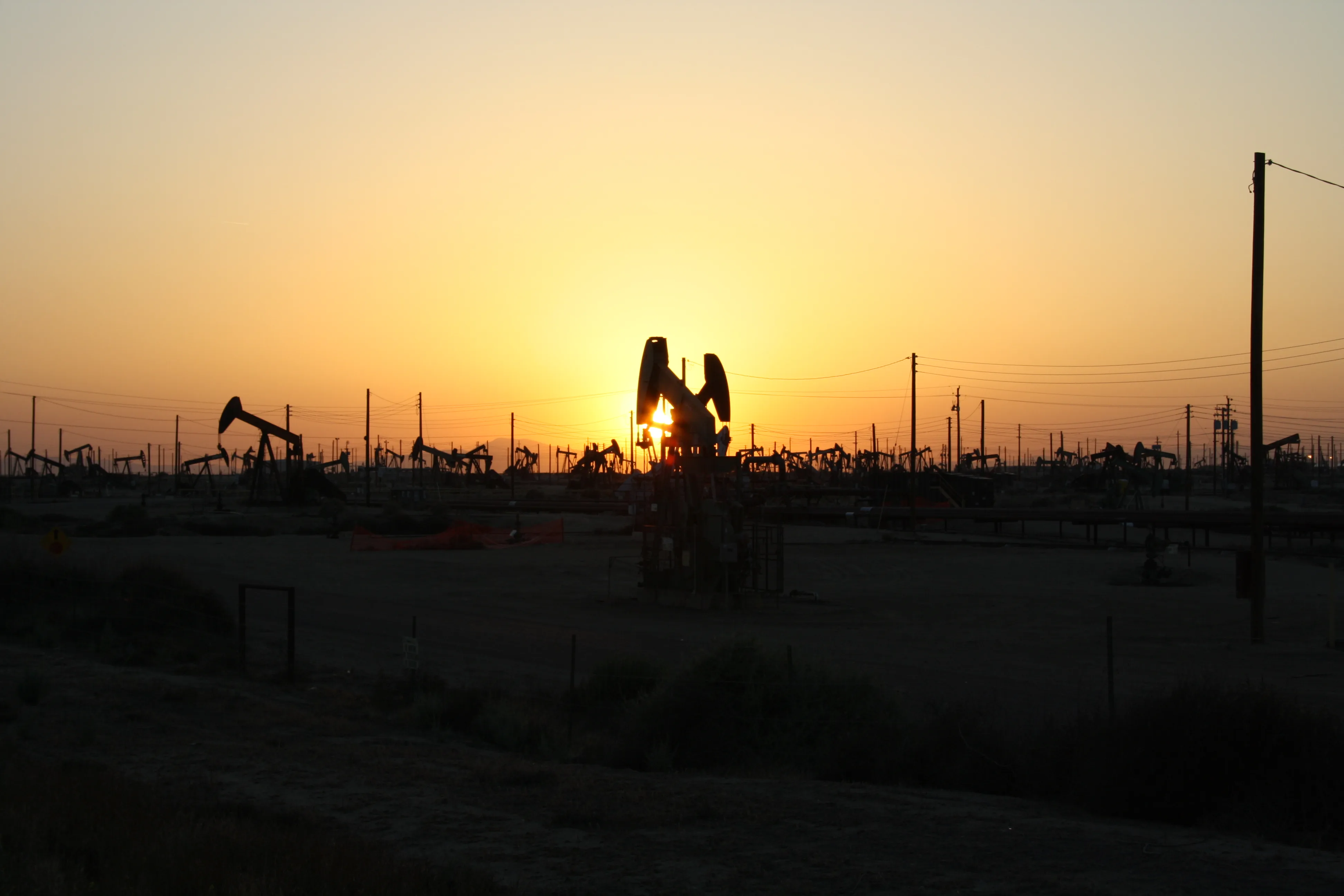
This week's war impact on markets ran through crude oil in both directions. Brent surged about 5% on Thursday after a tanker was struck by projectiles deep inside the Persian Gulf — the attacks are pushing beyond the Strait of Hormuz — then gave back part of the gain on Friday after President Trump said the United States would not attack Iran before the November 3 midterm elections. Brent closed the week near $102.90 a barrel, up roughly 3.5% on the week; US benchmark WTI finished near $91.60, up about 2.7%. Figures below were checked Friday, October 9, 2026, at 4:30 PM Central Time — snapshots, not live prices.
What drove oil's wild ride this week?
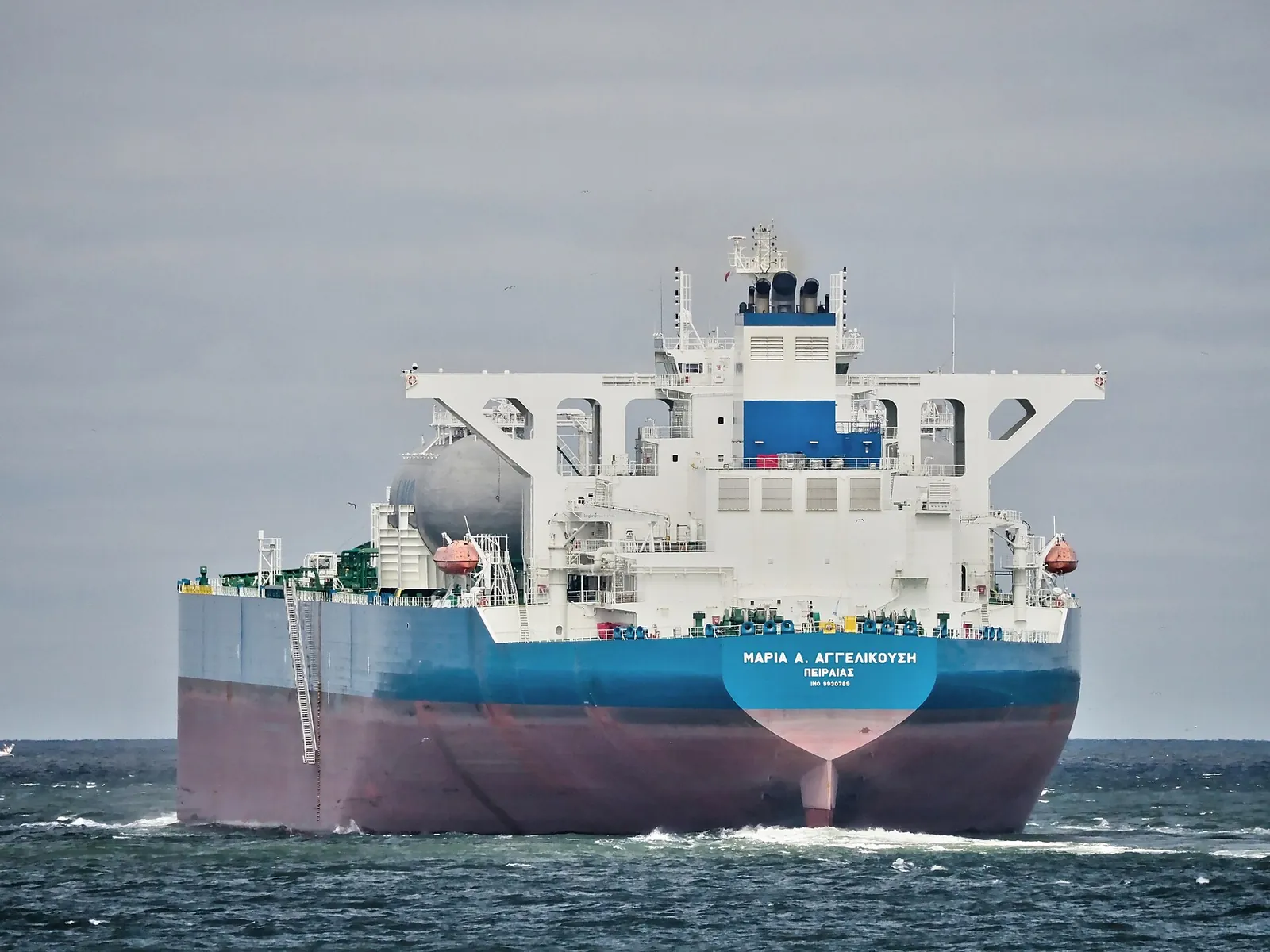
The attack first, then the politics. Late Wednesday, the oil and chemical tanker Acers was struck by several projectiles north of Qatar, causing casualties, according to maritime intelligence firm Vanguard and the UK Maritime Trade Operations agency, as reported by the Wall Street Journal. The Journal notes the strike was not confirmed as Iran's doing, though Iranian state-linked media have claimed Iranian forces struck several tankers around the strait in recent weeks. Analysts cited by the Journal read the escalation as Tehran's bid to regain leverage before the US midterms, after the US blockade choked off Iran's oil revenue. Oil flows through Hormuz and linked routes have already started to decline again in recent days, preliminary tracking data showed.
Thursday's price response was sharp: Brent rose about 5% to above $105 a barrel, per the Journal. Then came the Friday reversal. President Trump said on Truth Social that the US was having "productive discussions" with Iran and that no attack would happen before the November 3 midterm elections, with the blockade remaining in force. Reuters reported Iran's foreign minister said Tehran was reviewing the US response to its proposal to reopen the Strait of Hormuz within seven days — while Washington imposed fresh sanctions Thursday on 17 vessels moving Iranian crude. Brent slipped about 1.3% on Friday to around $102.90; WTI was little changed near $91.60, finding support from a US hurricane.
The backdrop keeps prices elevated regardless of the Friday headlines. The US Energy Information Administration raised its forecasts again on Tuesday: Brent is now expected to average about $98 a barrel in 2026, up 8% from its prior estimate, and about $105 in the fourth quarter, with US retail diesel staying above $6 a gallon in October. Reuters reported the agency attributes the strain to falling global stockpiles and tight diesel markets from the eight-month US-Israeli war on Iran. Gulf flows (excluding Iran) were restored to more than 81% of pre-war levels in September through Saudi Arabia's East-West Pipeline restart and "dark transits," but the Brent–WTI spread stayed wide near $12.50 — a sign war risk still prices into waterborne crude, not the US domestic benchmark.
Two buffers appeared this week. IEA member governments expressed support for accelerating the oil stock releases from the Collective Action of March 2026, per Rigzone via BakkenWire; and China restarted fuel exports after a one-week suspension, with 3.7 million metric tons approved for October, per Reuters trading sources. Working the other way: Hurricane Isaias shut in about 1.3 million barrels per day — 62.9% of Gulf of Mexico production — as of Thursday, per the US Marine Minerals Administration, while Barron's noted US refiners running above 90% of capacity to offset war-driven shortages.
How did defense stocks react to the escalation?
Quietly, and mostly upward by week's end. Lockheed Martin closed Friday at $509.59, up 0.3% on the day and about 0.8% on the week; RTX ended at $185.97, up 0.9% Friday and 0.7% on the week; Northrop Grumman slipped 0.8% to $480.72 on Friday but was still up about 0.6% for the week, per Finnhub market data. It was not a smooth ride: on Wednesday all the big names fell 1.65–2.14% in a down market session, according to MarketWatch.
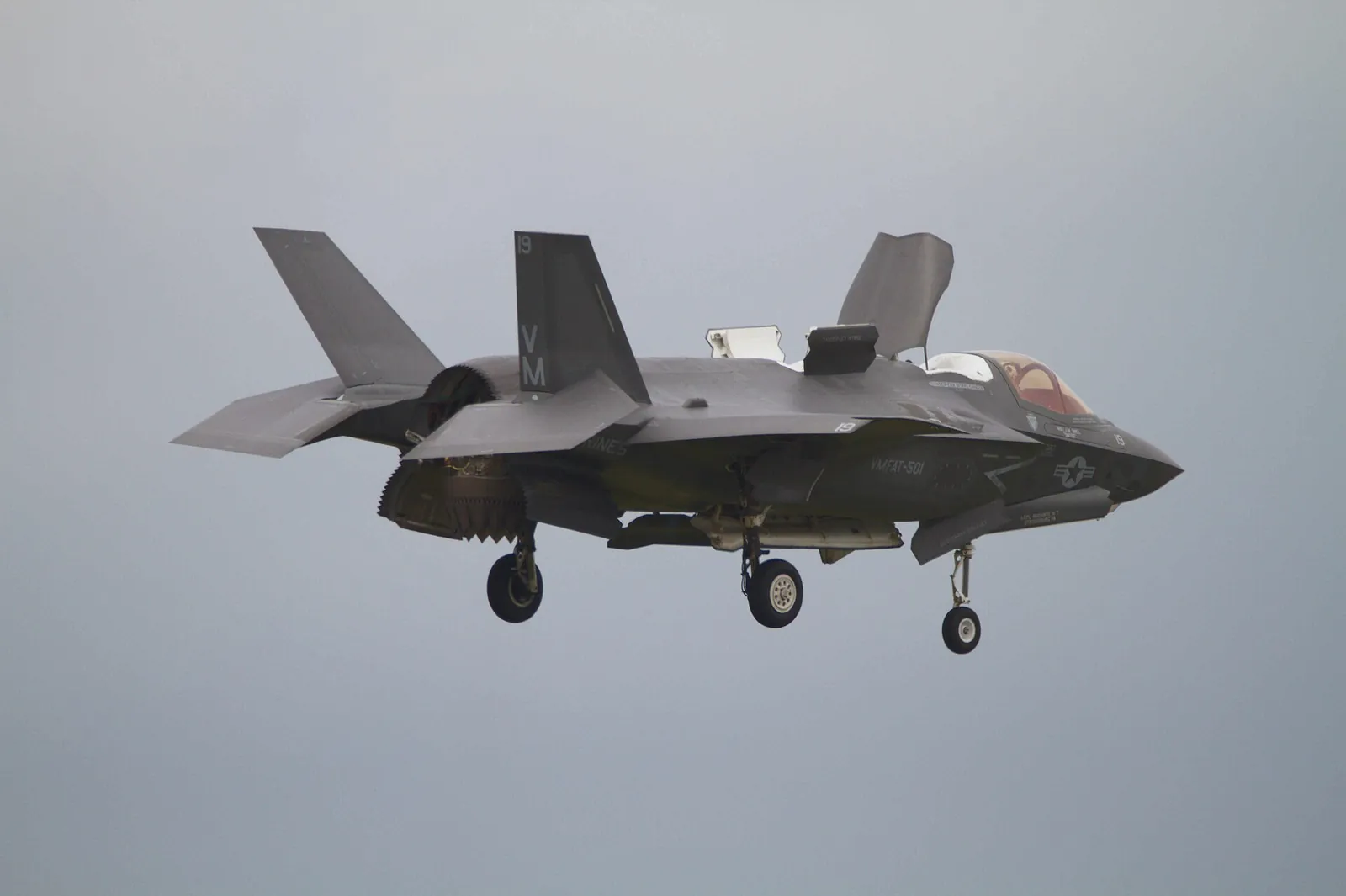
The order books told a steadier story than the tickers. Poland's defense ministry said the Polish Air Force had received its first Italian-built F-35PL Husarz, with deliveries running through 2030, per Janes. Northrop Grumman, which builds the F-35's center fuselage, is standing up a second line in Weeze, Germany with Rheinmetall, per Army Recognition.
The conflict backdrop thickened regardless: the Houthis attacked Riyadh's King Khalid International Airport for a third consecutive day — a pilot was killed and flights were suspended — while Yemen's UN session drew airspace alerts over a possible full-scale war. Escalation, as this week showed again, does not automatically translate into defense-stock gains.
What moved safe havens and gas?
Gold was the clear beneficiary of the week's uncertainty. Spot gold traded near $4,199.90 an ounce on Friday afternoon, with COMEX December futures up about 1% to $4,197.10, per CNBC TV18 and thegoldprice.net. The outlet attributed the rise to a softer US dollar and declining 10-year Treasury yields — and analyst Vedika Narvekar of Anand Rathi cited softer oil prices after Trump's Iran comments as supportive, since energy costs feed the inflation expectations that drive rate policy. The metal remains roughly 11% below its January all-time high near $5,318.
US natural gas stayed in its own universe: Henry Hub futures held around $3.03 per MMBtu, roughly flat on the week, while Europe's TTF benchmark traded near €75.80 — reflecting the Hormuz LNG shutdown that TradingNEWS described as the tightest global gas market since 2022. The waterway carried about 19% of global LNG supply before the conflict, most of it Qatari. A separate thread to watch: reported US-Russia talks on the Nord Stream gas route, covered on this site this week, which would matter for any post-war European gas map.
How did food and shipping markets move?
Wheat fell despite the conflict noise. CBOT December wheat closed Friday at $6.68½ a bushel, down 2.2% on the day and 2.1% on the week, per Farmbucks data. The USDA's October WASDE report, released Friday, raised US all-wheat ending stocks to 740 million bushels from 717 million in September. The war link remains a slow burn: SovEcon data shows combined Russian and Ukrainian wheat exports for the first quarter of the 2026/27 marketing year at their lowest since 2010/11, and Morningstar reported traders trimming positions after the US-China summit produced no new Chinese agricultural purchase announcements.
Shipping stayed the war's most direct market. Supertanker freight rates hit what OilPrice.com described as record highs — reportedly $82 million for a US Gulf-to-Japan voyage, per BakkenWire — effectively closing the US-crude-to-Asia arbitrage. Tanker operator Frontline hit a new high on Friday, per Investor's Business Daily.

What happened to the broader stock market?
US equities posted a winning week. The S&P 500 closed Friday up 0.6% at 7,823.6 and finished the week 1.2% higher, per Investopedia and Finnhub; the Nasdaq gained 0.6% for its fourth straight weekly advance, and the Dow added 0.8%. The week's most dramatic equity move was not war-related: SpaceX's agreement to acquire a nationwide low-band spectrum portfolio sank T-Mobile, AT&T, and Verizon between 8.5% and 13%. Delta Air Lines ended near flat after reporting weaker-than-expected earnings and trimming its full-year outlook amid high fuel prices — the war's cost line showing up in an airline's guidance.
War & Markets publishes weekly. Figures are snapshots checked at the time shown above — not live prices, and not financial advice. Nothing here is a recommendation to buy, sell, or hold any security or commodity.