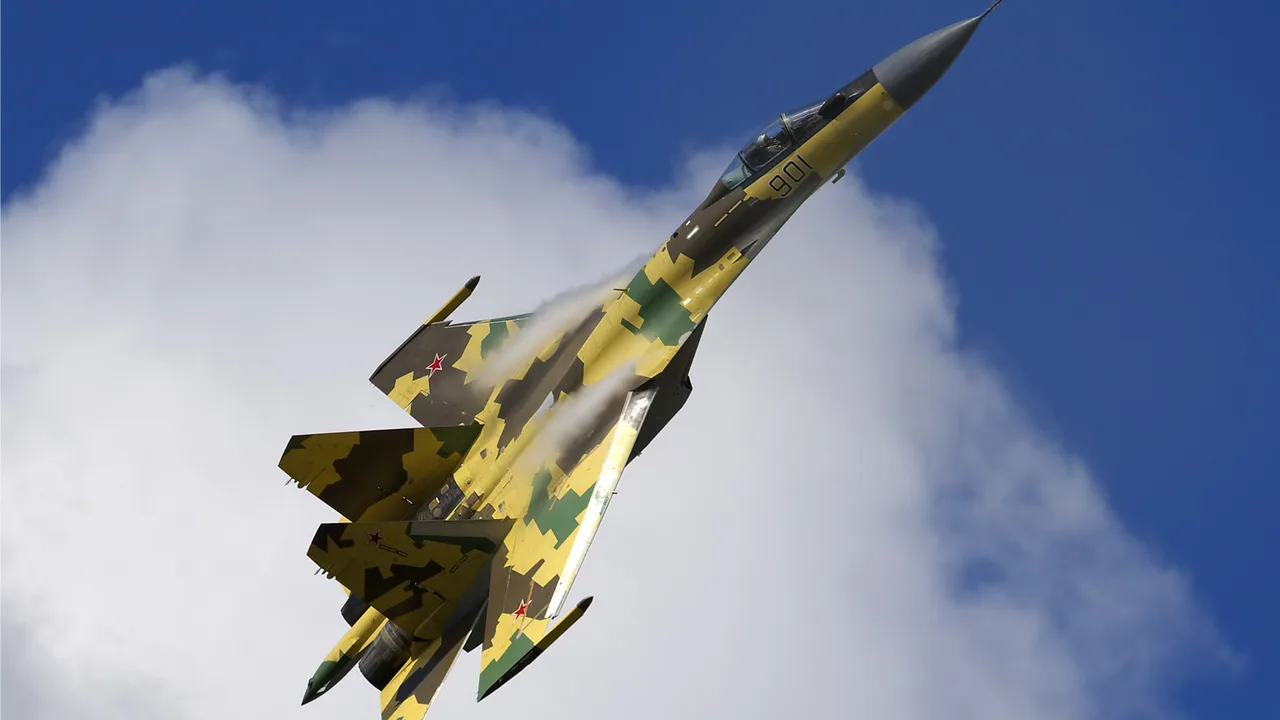
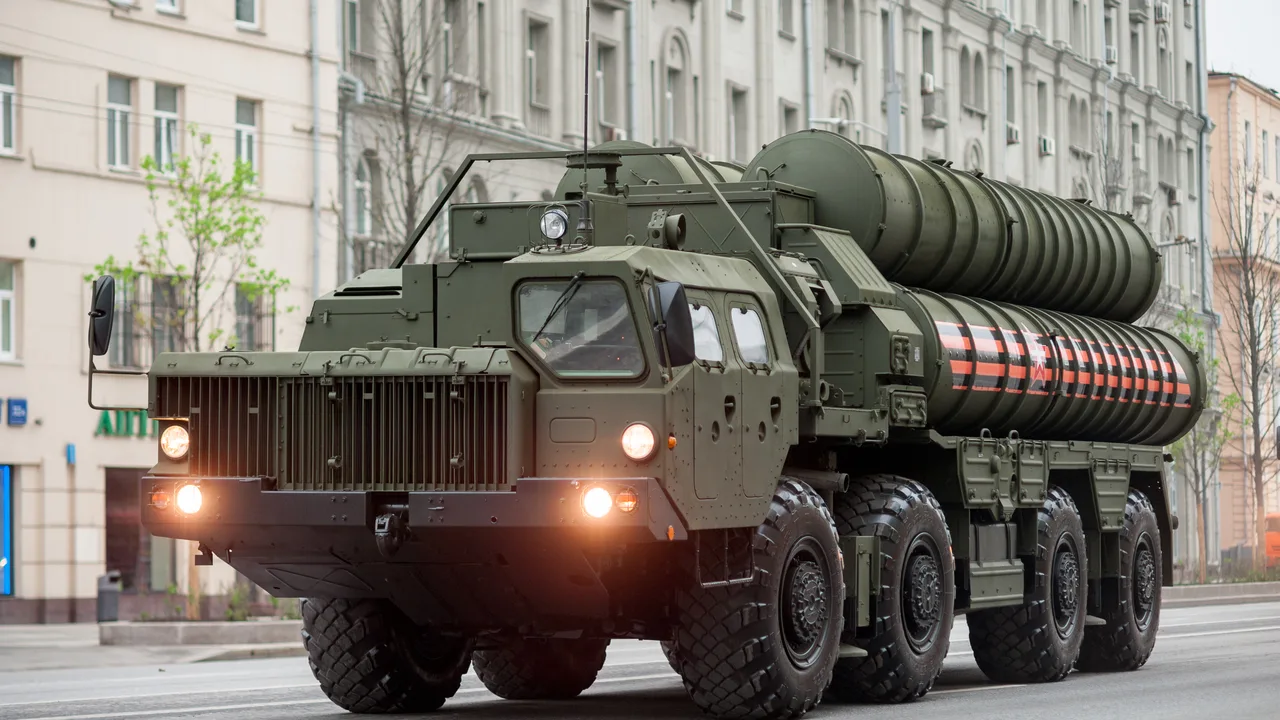
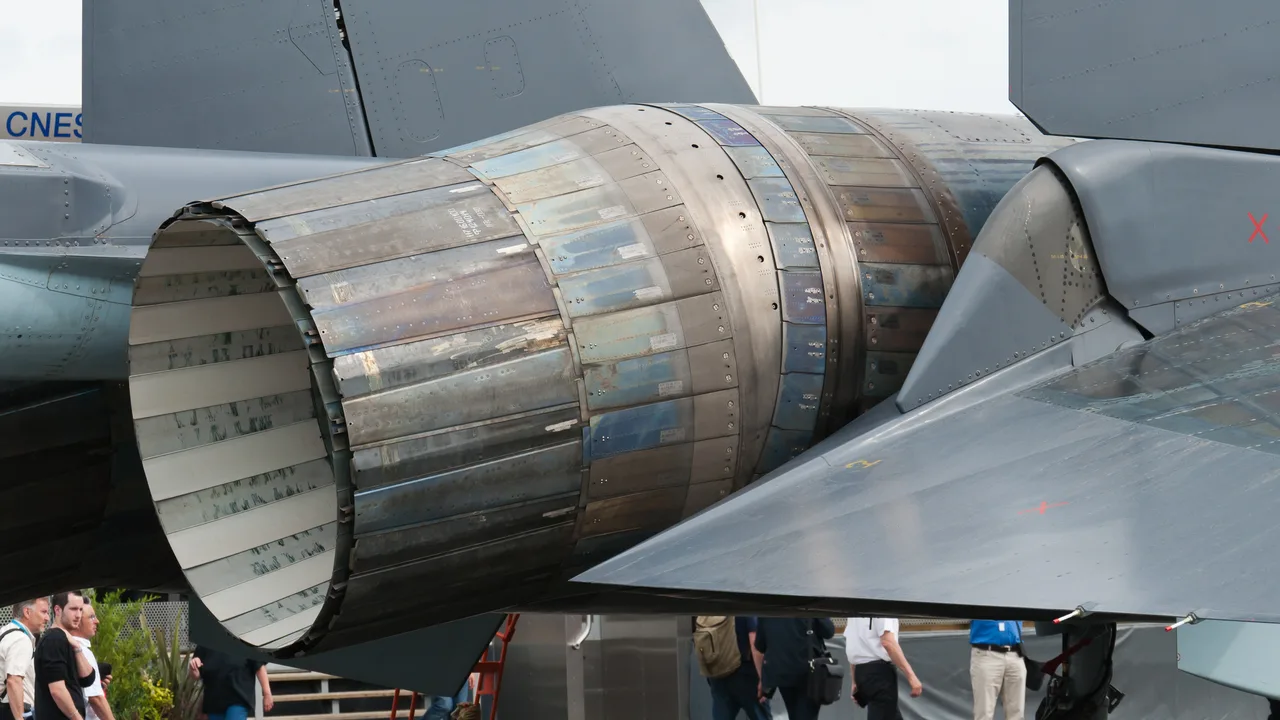
Ethiopia has taken delivery of 12 Russian-made Su-35 fighter jets, Prime Minister Abiy Ahmed announced in Moscow on Wednesday, saying the aircraft arrived a year ahead of schedule — which he said made Ethiopia the first country in sub-Saharan Africa to field the type — with four S-400 air defence batteries to follow, into a country fighting a renewed war in its north. Abiy, in Moscow for the two-day Russia-Africa Summit, said on X that the deliveries marked a milestone in Ethiopia's efforts to strengthen national security and "pre-emptively deter aggression," Reuters reported. "In accordance with our prior agreement with the Russian government, we have today taken delivery of the first twelve Su-35 4++ Generation fighter jets," Abiy said in a statement, adding that Ethiopia would also acquire four S-400 air defense batteries. "By equipping itself with these fighter jets, Ethiopia has taken the lead among Sub-Saharan African nations," he said, thanking Russian President Vladimir Putin for facilitating a delivery that arrived "a year ahead of our agreed schedule."
What exactly has Ethiopia acquired?
Twelve multirole fighters now, and a strategic air-defence system later — on terms Moscow and Addis Ababa have not published. Abiy did not disclose the value of the agreement, when the S-400 systems would be delivered or where the aircraft and air defence batteries would be based, Reuters reported, and Russian state-owned defence conglomerate Rostec, responsible for Russian arms exports, did not immediately respond to a request for comment. The announcement was made in Moscow, and neither Reuters nor Al Jazeera reported independent confirmation of how many of the 12 aircraft had physically arrived in Ethiopia; what is confirmed by both outlets is the announcement itself, made by the prime minister alongside his air force commander, Lieutenant General Yilma Merdassa, during the summit. The jets extend a fleet built on Russian aircraft for three decades: Ethiopia's existing inventory has included Su-27 fighters acquired in the 1990s, two Su-30K aircraft delivered in January 2024, and older Su-25 ground-attack aircraft and MiG-23BN fighters, Addis Standard reported. The Su-35 is a multirole fighter designed to engage aerial and ground targets, while the S-400 is a long-range surface-to-air missile system intended to intercept aircraft and certain missile threats. "They would be best used against conventional air threats," Benedict Manzin, a lead analyst on the Middle East and Africa at risk consultancy Sibylline, told Al Jazeera. "In a war with Eritrea, they could be used against Eritrea's limited air force and drones." He added the caveat the last four years have taught every air-defence planner: "As we have seen in Ukraine, conventional air defence systems can be overwhelmed by small, cheap drones."
Why is the delivery happening now?
Because Ethiopia is fighting again, on more than one front. The renewed fighting in the northern Tigray region — where a rebel alliance last month launched an offensive against the government, rekindling a war that killed hundreds of thousands of people between 2020 and 2022 — has been accompanied by a separate rebellion in Amhara, Al Jazeera reported, and by the severing of ties between Ethiopia and its neighbour Eritrea, which Addis Ababa accuses of backing the rebels, although Asmara denies that, Reuters reported. Fighting between Ethiopia's federal army and Tigrayan forces intensified in late September, in effect unravelling the November 2022 Pretoria peace agreement; government troops and allied forces entered Mekelle, Tigray's capital, earlier in October after Tigray People's Liberation Front fighters withdrew, and Addis Ababa installed a six-month caretaker administration while rebel commanders promised to continue fighting, Al Jazeera reported. In the previous Tigray war, Ethiopia's air power — especially through the widespread deployment of foreign-made drones — helped turn the tide of the fighting, Reuters noted. "Ethiopia is buying a lot of aircraft," Manzin said. "The timing comes as Ethiopia is going through conflict in Tigray, with speculation about war with Eritrea." He cautioned against assuming the latest battlefield developments directly prompted purchases negotiated earlier: "Aircraft are helpful regardless, as they are using aircraft and the air force heavily during any suppression." Abiy's own framing was deterrent rather than operational — the growing readiness of Ethiopia's armed forces, he said, would enable the country to "preemptively deter aggression" and boost national sovereignty and regional stability.
What does Russia get from the Ethiopia deal?
Revenue, a flagship African client, and a deeper foothold in the Horn. "Russia has been engaged in Ethiopia for decades, part of the legacy of the Cold War," Manzin told Al Jazeera; the Soviet Union backed Ethiopia's former communist government, and today's cooperation builds on those foundations. "Russia is also in the business of making money through arms sales," he said. "This is one of Russia's primary exports to Africa." Russia supplied 15 percent of African imports of major weapons in 2021–2025, behind the United States at 19 percent and China at 17 percent, according to the Stockholm International Peace Research Institute (SIPRI). For Ethiopia the dependence runs deeper: Russia was its largest supplier of major arms between 2016 and 2025, accounting for 43 percent of deliveries by volume, followed by Ukraine at 25 percent, with aircraft accounting for 34 percent of imports, according to data compiled by Risk Book from major arms-transfer records and reported by Addis Standard. The Su-35s follow a series of reported Russian deliveries — up to six Yak-130 trainer and light combat aircraft reported in January 2026, electronic warfare equipment including the Krasukha-4 system displayed in Addis Ababa in October 2023, and short-range Pantsir-S1 air defences — while a reported Orion drone delivery remains unconfirmed, Addis Standard noted. The partnership extends beyond weapons: Abiy said his talks with Putin covered nuclear energy, health and trade, and Putin said bilateral trade exceeded $1.3 billion in January–September, more than twice the figure for all of 2025. "Russia and Ethiopia stand together in international affairs," Putin said.
Does this make Ethiopia a Russian client?
Not exclusively — and that is the point, the analyst Al Jazeera interviewed argued. Manzin suggested Ethiopia is widening its options rather than committing exclusively to Moscow: "African states are aware that they are a focus of geopolitical competition," he said, and that competition gives governments room to seek weapons, investment and diplomatic backing from different partners. Ethiopia's relationship with Russia coexists with a significant Chinese presence and continuing Western investment. "China has a huge presence in Ethiopia, and Russian arms have always been a huge factor," Manzin said. "Everyone engages a bit, and Ethiopia tries to maximise its gains." What the deal changes concretely is narrower and more durable than alignment: an air force that fought its last war with drones and ageing Sukhois now fields the most capable fighter in sub-Saharan Africa on its prime minister's account, with a strategic air-defence system promised behind it — while the wars that make such purchases urgent, in Tigray and Amhara and across the Eritrean border, remain unresolved. The unanswered questions are the operational ones Abiy left blank in Moscow: what the package cost, where the jets and batteries will be based, and when the S-400s will actually arrive.
This analysis is drawn from Reuters' October 28, 2026 report, opened and read in full via a verbatim carrier; Al Jazeera's October 29, 2026 explainer, opened and read in full via a verbatim carrier; and Addis Standard's October 28, 2026 news alert, opened and read in full. The delivery figures are Prime Minister Abiy Ahmed's, published as he stated them; the absence of independent confirmation of the aircraft's physical arrival in Ethiopia is stated in the article, as is Rostec's non-response to Reuters. The shares of African major-weapons imports are the Stockholm International Peace Research Institute's (SIPRI), as cited by Al Jazeera; the 2016–2025 supplier shares for Ethiopia are Risk Book's compilation from major arms-transfer records, as reported by Addis Standard, whose fleet-inventory reporting (Su-27s, Su-30Ks, Yak-130s, Krasukha-4, Pantsir-S1) is also the source for those items.