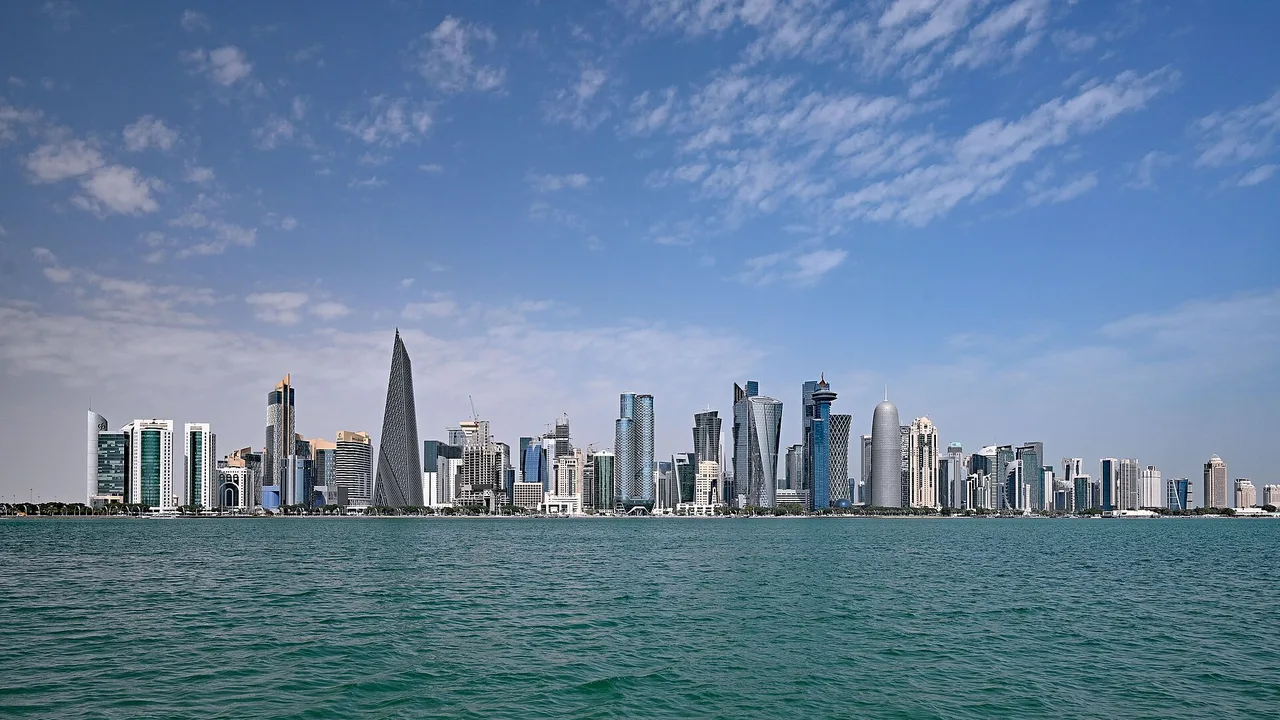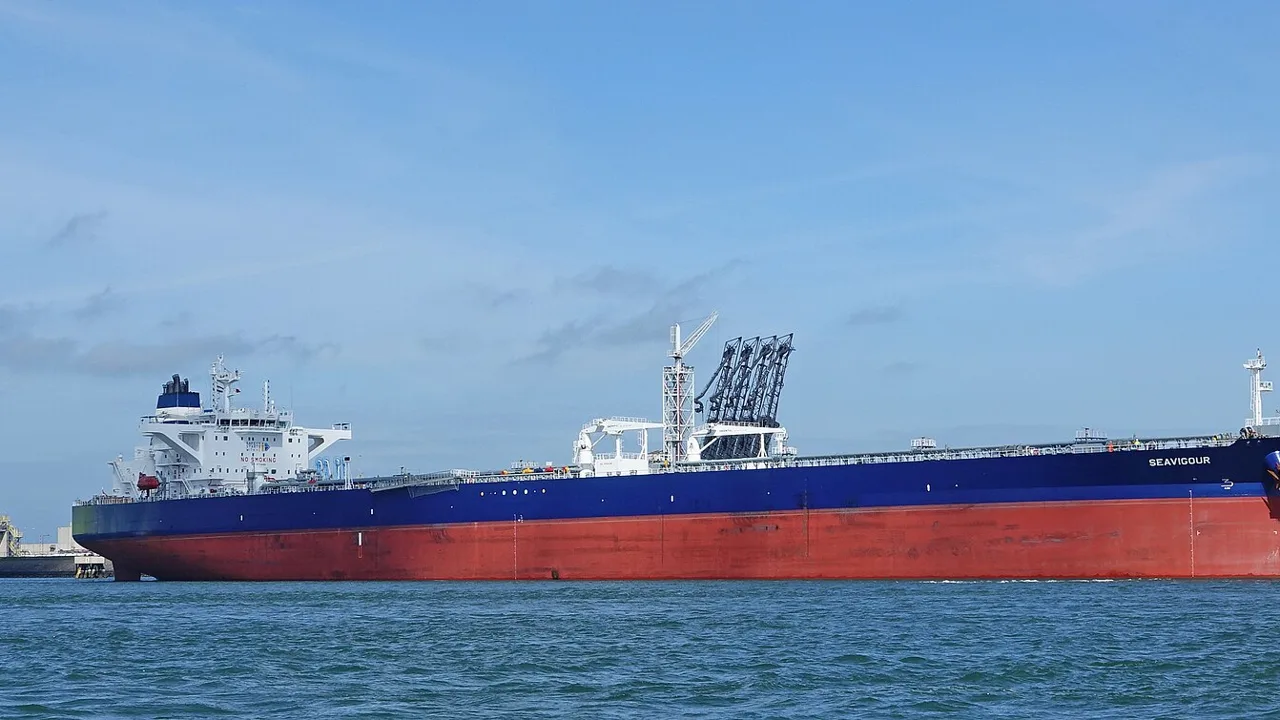
Attackers in a small boat attached two explosive devices directly to the hull of an outbound tanker in the Strait of Hormuz late on Thursday, setting off an engine-room fire that temporarily disabled the vessel 25 nautical miles northeast of Khasab, Oman, the UK Maritime Trade Operations centre (UKMTO) said in a verified report carried by Reuters. The blasts came at 2212 UTC, after the small boat approached the tanker's port side and fixed the devices to the hull above the waterline, UKMTO said, in an account reported in full by Seatrade Maritime. The fire was extinguished, all crew were safe, there was no environmental impact, and the tanker continued to its next port of call. It is the method, not the damage, that sets this attack apart: explosives were attached directly to the hull from a small boat alongside, while the tanker was underway.
What happened in the strait on Thursday night?
A small boat came alongside an outbound tanker and attached two explosive devices to its port-side hull above the waterline, UKMTO said. "The subsequent blasts resulted in a fire in the engine room which temporarily disabled the vessel. The fire is now reported as extinguished and vessel is continuing to its next port of call," UKMTO said in its alert, quoted by Seatrade Maritime. UKMTO had initially received a report that an outbound tanker was on fire, with the cause unknown, and issued the attack details after verification, ANI reported. Maritime security firm Vanguard Tech identified the vessel as the Panama-flagged Louise 1, a 159,092 dwt tanker owned by Panama-based Aquarius Maritime Ventures, based on data from Pole Star Global, Seatrade Maritime reported; UKMTO itself did not name the vessel in the reporting opened.
Why does the tactic matter?
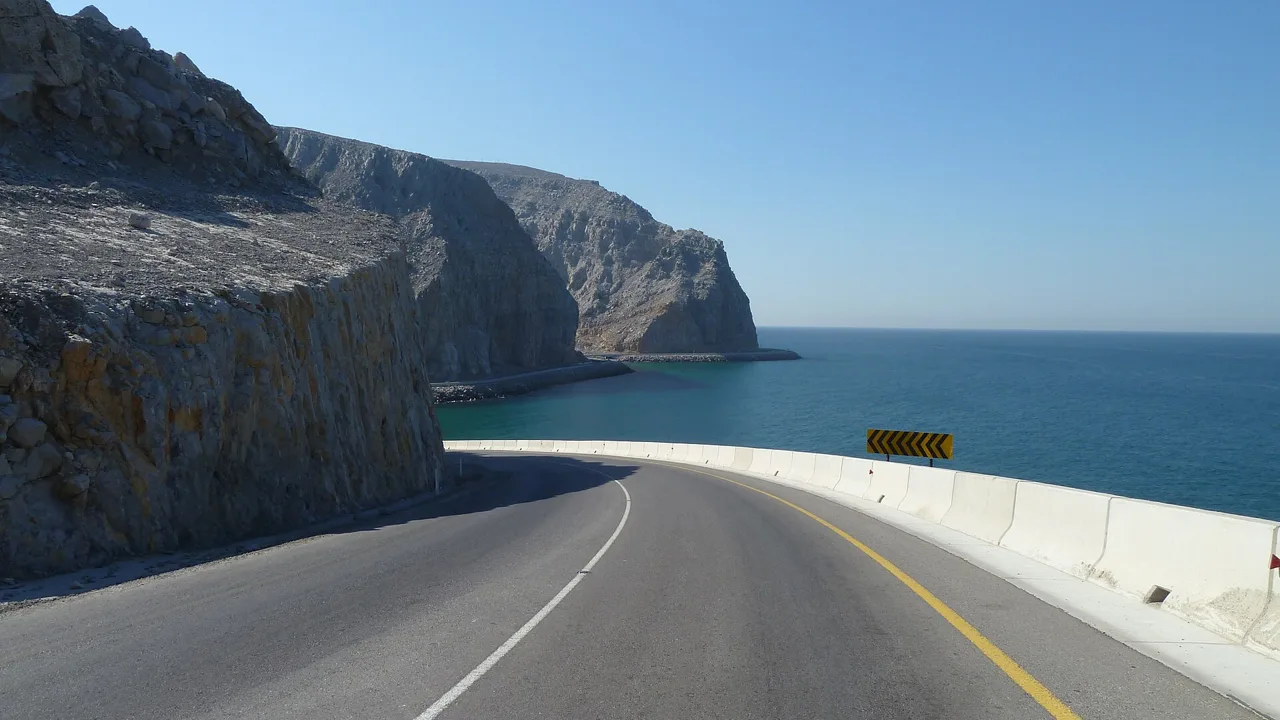
Because it is a change in how ships in the strait are being attacked. The incident is "an apparent change in strategy of attacks on ships in the Strait of Hormuz", Seatrade Maritime reported: attacks in the campaign up to now "have either involved the targeting of vessels with drones and missiles or firing at the ship from small craft", whereas in this case "explosives were attached directly to the vessel's hull from the small craft". Attaching a device to a moving tanker's hull requires the attacking boat to close with its target and stay alongside it — a different risk profile for both sides than a missile or drone launched from a distance. The attack was also one of three UKMTO-reported incidents in the strait on Thursday alone: a company security officer reported a second vessel struck by an unknown projectile while completing an outbound transit at 1600 UTC, and regional authorities later identified a vessel that caught fire as a regional trading dhow, which listed and sank after a large fire on board, its crew safely evacuated, UKMTO said via Seatrade Maritime. On the figures Seatrade Maritime cited from the International Maritime Organization, the past month had already seen 34 confirmed attacks on vessels between September 28 and October 27, mostly in the Strait of Hormuz.
Who was behind the attack?
No attribution has been established in the reporting opened. "It was not immediately clear who was behind the attack," Reuters reported, and ANI reported that the identity of those responsible has not been established and no group or country has been officially blamed. Iran's Islamic Revolutionary Guards Corps offered a different account of Thursday's shipping incidents: three oil tankers caught fire after hitting mines in the strait while "attempting to pass through the unauthorized southern route", having "switched off all their radar and navigation systems" and disregarded IRGC navy warnings, the state news agency IRNA reported, in a wire account opened in full. Iran's Army Navy separately claimed that a tanker travelling through a restricted area east of the strait caught fire after striking a naval mine, ANI reported, noting that the claim was reported separately and does not by itself establish the cause of the UKMTO-reported attack. No independent confirmation of the mine claims appears in the reporting opened, and UKMTO's verified account of the 2212 UTC incident describes two explosive devices attached to a hull — not a mine strike. Reuters' wider account of the campaign notes that Iran has targeted vessels it says have violated its restrictions on passage through the waterway, and that attacks on commercial shipping in and around the strait have repeated since the outbreak of the conflict between the US and Iran in February.
What did markets and the industry do?
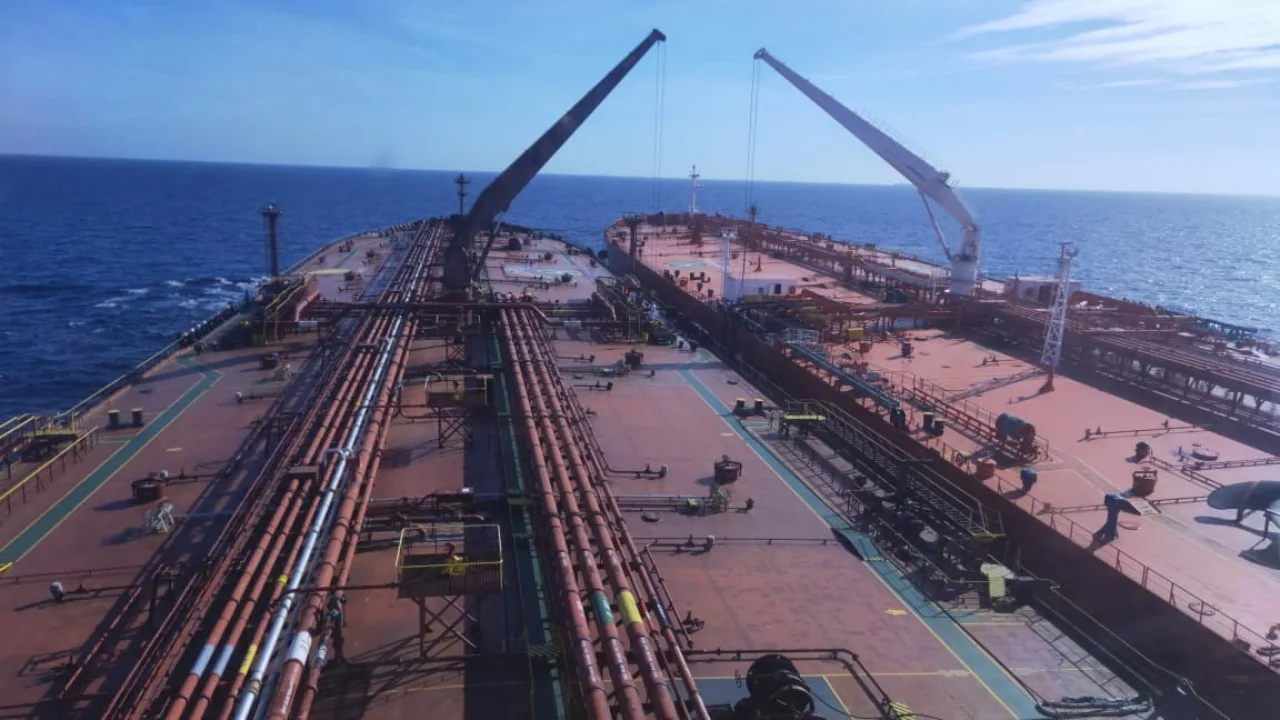
Oil rose, and two of the industry's biggest names quietly changed their travel plans. Brent crude futures for December, which expire on Friday, advanced $1.20, or 1.04%, to $116.08 a barrel as of 0323 GMT, while the more-active January contract gained $1.39 to $112.19 and US West Texas Intermediate climbed $1.37, or 1.34%, to $103.37, Reuters reported — a fourth monthly gain, with Brent on course to finish nearly 11% higher for the month and WTI heading for a 14% jump. "Continued kinetic action around the Strait of Hormuz amidst doubts of a viable diplomatic pathway are keeping oil prices elevated in expectation of an escalation of the conflict in coming weeks," said Saul Kavonic, head of energy research at MST Marquee, quoted by Reuters. Amid the security concerns, ExxonMobil and Chevron have cancelled plans for their executives to travel to the United Arab Emirates' biggest oil show next week, two sources familiar with the developments told Reuters. UKMTO advised vessels transiting the area to maintain caution and report suspicious activity while authorities investigate, ANI reported.
This report is drawn from Reuters' October 30, 2026 oil-and-Hormuz report (published 02:27 UTC, updated 04:58 UTC), opened and read in full via the verbatim Reuters carrier wixx.com, Reuters' October 30, 2026 UKMTO advisory report, opened and read in full via syndicated carrier devdiscourse.com, Seatrade Maritime News' October 30, 2026 report (published 03:45 UTC), opened and read in full on seatrade-maritime.com, a wire report published October 30, 2026 (06:05 UTC) and opened in full via europesays.com, and ANI's October 30, 2026 report, opened and read in full via Dainik Jagran English. The core facts — the time, place, method, engine-room fire, temporary disablement, safe crew and resumed voyage — rest on UKMTO's verified report as carried by Reuters and the other opened sources. The vessel's identity as the Louise 1 rests on Vanguard Tech via Seatrade Maritime and is published as such; UKMTO did not name the vessel. No attribution for the attack is established in the reporting opened, and Iran's mine claims are published as claims, with the limitation stated in the text.