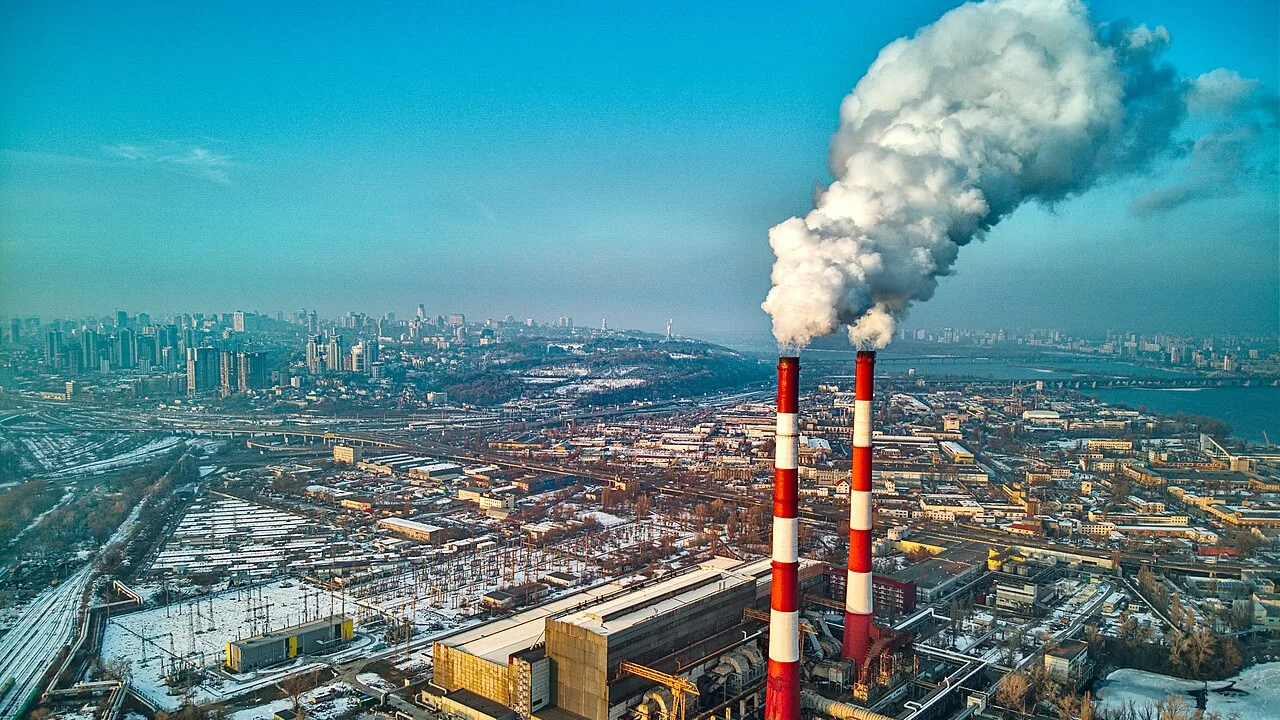
Russian strikes killed three people in Kyiv overnight into Wednesday and damaged 30 energy facilities across the capital region and Kharkiv, President Volodymyr Zelenskyy said, leaving at least 600,000 people without power. Zelenskyy said Russia launched 39 ballistic missiles and more than 120 attack drones, and Ukraine reported shooting down only four of the 39 missiles, Reuters reported. Russia's defence ministry said its forces struck four power plants in and around Kyiv and two in Kharkiv, among other targets.
What was hit, and what was the human toll?
The hours-long attack primarily targeted Kyiv and Kharkiv, Ukraine's second-largest city, damaging 30 energy facilities including oil and gas sites, Zelenskyy said, according to Reuters and CNN. Kyiv's toll stood at three killed in the later Reuters dispatch, after an earlier Reuters report citing Mayor Vitali Klitschko had put the figure at one killed and one injured while the ballistic attack was still under way on Wednesday morning; casualty figures in the opening hours of an attack are provisional and were still being updated at publication time. Reuters witnesses heard multiple explosions in Kyiv as air defences engaged the overnight attacks. The strikes also targeted state railway facilities in five regions, Prime Minister Sergii Koretskyi said, according to Reuters. In the Russian town of Balakovo on the Volga, drones killed one person and damaged houses overnight, a regional governor said, according to Reuters.
Why does Zelenskyy say the energy ceasefire was violated?
Zelenskyy said the targets were the very energy infrastructure covered by the energy ceasefire that US President Donald Trump announced on Sunday. Trump has said both sides agreed to halt strikes on energy infrastructure, though neither Moscow nor Kyiv confirmed that agreement, Reuters reported, and the Kremlin has not commented directly on it, CNN reported. Zelenskyy had said on Monday that Russia had already violated the arrangement, while saying Ukraine was willing to abide by it if Moscow did. Hours before Wednesday's attack, Zelenskyy said Ukraine had received no early warning from its partners before Tuesday's deadly ballistic strike on a Kyiv power plant — the second consecutive night without warning, he said — and that Ukrainian defences detected those missiles only as they approached the capital. Trump said on Tuesday that Washington was still sharing intelligence with Ukraine, CNN reported. Sources have told Reuters and other outlets that the US threatened to cut off intelligence used for early warning unless Kyiv stopped attacking Russian oil refineries; that reporting is published here as an attributed account, not as a confirmed US decision.
What happens next?
Russia has stepped up attacks on Ukrainian cities ahead of winter as temperatures fall and the heating season approaches, Reuters reported, raising concern about widespread power and heating outages. Ukraine, for its part, has increasingly attacked Russian oil refineries and logistics hubs in recent months, Reuters reported. Zelenskyy called on the United States and other partners to respond forcefully, including with stronger sanctions and additional air-defence support, and has repeatedly sought more ballistic-missile interceptors. No response from Washington to Wednesday's strikes had been reported in the sources opened at publication time.
Casualty figures are published as the accounts of the authorities cited — Kyiv's toll was updated by Reuters from one killed to three killed as Wednesday's reporting developed — and the energy-ceasefire dispute is published as the two sides' competing accounts: Zelenskyy says an agreed halt was violated; Reuters reported that neither side confirmed the agreement Trump announced.