Ukraine's winter hardship could be the most difficult since the full-scale war began, the United Nations migration agency warned on Friday, as Russian attacks on critical infrastructure, damaged housing and rising living costs threaten to force more people from their homes. With temperatures set to fall in the coming months, many families are struggling to secure reliable heating, electricity and water after years of war, the International Organization for Migration (IOM) said, in reporting carried by Reuters.
What did the IOM warn?
The IOM warned that the months ahead could be the hardest of the war for civilians trying to stay in their homes. "Winter is fast approaching in Ukraine, and for many Ukrainians, the months ahead could be the most difficult since the full-scale war began," Dejan Keserovic, the IOM's deputy chief of mission in Ukraine, told reporters in Geneva via video link from Kyiv. The warning came in a week when Russian missiles and drones rained down on Ukrainian cities, amid fears that the United States could pull back intelligence sharing and weapons support from Kyiv, Reuters reported.
How many people are displaced, and how many have gone back?
Nearly 3.6 million people remain internally displaced across Ukraine since Russia's full-scale invasion in 2022, while an estimated 3.8 million have returned after displacement, often to damaged or partially destroyed homes, according to the latest IOM figures. The returns are fragile: Ukrainians who returned to their homes within the last three months are the most likely to say they intend to leave again, reflecting growing concerns about deteriorating living conditions, the IOM said. Beyond Ukraine's borders, European countries such as Poland, Germany and the Czech Republic currently host around 6 million Ukrainian refugees. Keserovic said he expected host countries to be preparing for more Ukrainians to leave if the situation got worse.
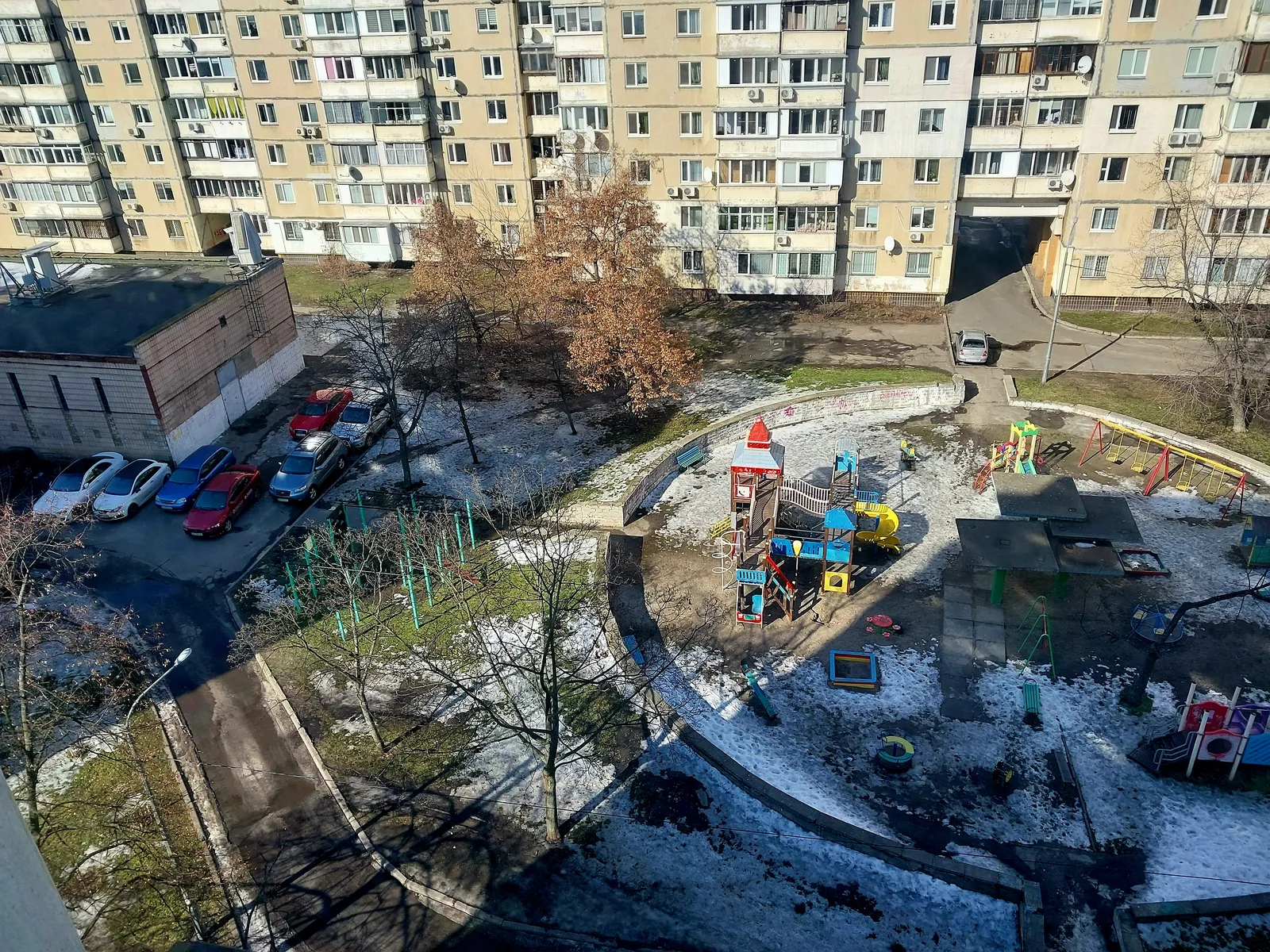
Why are power, heating and water the weak points?
Power, heating and water are the weak points because repeated Russian strikes on energy and other critical infrastructure have put increasing pressure on all three systems at once, and the systems depend on each other. On Friday, Russia continued attacking Ukrainian energy facilities in the capital Kyiv and five other regions, causing emergency power outages, Ukraine's energy ministry said. More than 1 million consumers were facing power cuts at some point, and "repair work is continuing wherever the security situation permits," the ministry noted, in a separate Reuters report. Reliable access to water is emerging as a major concern because water systems depend heavily on electricity, the IOM said. The UN agency has installed 31 solar power stations to support water systems across Ukraine, but warned that needs remain immense.
Can aid agencies cover the gap?
Not on current funding, the IOM indicated. The agency warned that funding shortages could hamper aid efforts, with less than 7% of its 2026 Ukraine response plan funded so far, and said urgent resources were needed to improve insulation as households face freezing conditions. The arithmetic behind the warning is the war's cumulative damage: homes that were damaged but habitable in milder months become untenable when heating fails, which is why the agency links the strike campaign on the grid directly to the risk of a new wave of displacement this winter.
What is the agency doing on the ground?
The IOM's own mitigation work shows where it expects the pressure to bite first: water. Because water systems depend heavily on electricity, a grid failure becomes a water failure within days, so the agency has installed 31 solar power stations to support water systems across Ukraine — an attempt to decouple at least one essential service from the grid the strikes keep damaging. Insulation is the other named priority: the agency said urgent resources were needed to improve insulation as households face freezing conditions, a recognition that for families in damaged homes, keeping heat in is as decisive as generating it. Both programmes are the kind that the under-7% funding level puts at risk.
Why does this winter warning matter?
The warning matters because displacement is where the war's military and civilian stories meet. Each winter of the war has tested whether Ukraine's repaired grid and damaged housing stock can keep people in place; this year the IOM is saying, on the record and before the cold arrives, that the margin is the thinnest it has been — and that the people most recently persuaded to go home are the ones most likely to leave again. Whether that produces a new outflow toward Poland, Germany and the Czech Republic will depend on how much of the energy system survives the coming weeks of strikes, and on whether the funding the agency is asking for arrives in time to matter.
This article is drawn from Reuters reporting opened and read for this article: Olivia Le Poidevin's October 16 report of the IOM briefing in Geneva and Reuters' October 16 report of the Ukrainian energy ministry's statement on power cuts. Displacement and refugee figures are the IOM's, as Reuters reported them; the power-cut figure is the Ukrainian energy ministry's, as Reuters reported it. The FAQ answers are drawn only from the article's own text.